 Proudly Serving the Entire State of Florida

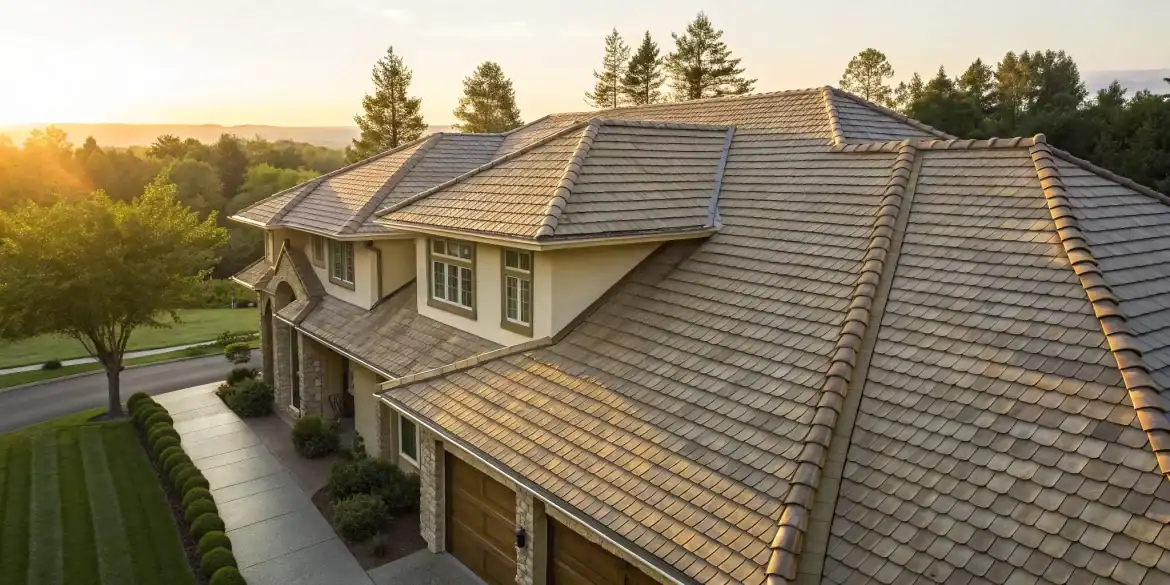
After a storm, dealing with a damaged roof is stressful enough without having to become a roofing expert overnight. Once you have a settlement from your insurance company, you have to decide on the best materials for the replacement. This is where understanding your options, like architectural shingles, becomes so important. These shingles are thicker, heavier, and far more resilient than standard 3-tab shingles, offering better protection against the high winds and heavy rains we see in Florida. Choosing a more durable material could not only prevent future damage but may also be viewed favorably by your insurance provider.
Key Takeaways
- Architectural Shingles Offer a Dual Upgrade: Their multi-layered construction is a significant step up from traditional shingles, providing both superior durability against Florida’s weather and a high-end, dimensional look that enhances curb appeal.
- Tailor Your Shingle Choice to Your Climate: Look beyond standard options and consider specialized types like cool roof shingles to help lower energy bills, impact-resistant shingles for better storm protection, or algae-resistant shingles to reduce maintenance in our humid environment.
- View Your New Roof as a Long-Term Investment: While the upfront cost may be higher than basic shingles, their extended lifespan, potential to increase home value, and possible insurance discounts can make them a financially sound choice for protecting your property.
What Are Architectural Shingles?
If you’re looking into a new roof, you’ve probably heard the term “architectural shingles.” So, what exactly are they? Think of them as a premium type of asphalt shingle, a step up from the traditional, flat shingles you might be used to seeing. Also known as dimensional or laminated shingles, they are designed to add visual interest and durability to your home’s roof. For Florida homeowners, their robust construction is a significant advantage when facing our state’s unpredictable weather.
Architectural shingles are made from a high-quality asphalt base but are constructed with multiple layers fused together. This layered build gives them a thicker, more substantial profile. Instead of the flat, uniform look of basic shingles, architectural shingles have a varied, textured appearance that can mimic the look of more expensive roofing materials like slate or wood shakes. This combination of enhanced aesthetics and superior performance has made them an incredibly popular choice for homeowners looking to protect and beautify their property. They offer a practical way to get a high-end look without the high-end price tag and maintenance.
How They Differ from Traditional Shingles
The most noticeable difference between architectural and traditional shingles comes down to their construction and appearance. Traditional shingles, often called 3-tab shingles, are made from a single, flat layer of asphalt. They have cutouts, or tabs, that create a simple, repeating pattern across the roof. They get the job done, but the look is very uniform and basic.
Architectural shingles, on the other hand, are multi-layered. This lamination process creates shingles of varying thicknesses and shapes, which results in a more dimensional, textured roofline. This design not only looks more sophisticated but also helps hide minor imperfections on the roof deck. While 3-tab shingles are a budget-friendly option, architectural shingles offer a significant upgrade in both curb appeal and resilience.
A Look at Their Layered Design
The secret to an architectural shingle’s strength and style is its layered design. Manufacturers create these shingles by bonding two or more layers of asphalt-coated fiberglass matting together under high pressure and heat. The top layer is cut into various shapes and sizes, which are then laminated to a solid, uncut backer piece.
This process results in a single, thick, and durable shingle. Unlike the single-layer construction of 3-tab shingles, this laminated build provides extra reinforcement and weight. This added heft is what gives architectural shingles their superior resistance to wind uplift and weather damage—a key consideration for any home, especially those in storm-prone areas.
Why They Have More Dimension and Texture
The multi-layered construction is precisely why architectural shingles have such great visual appeal. The varied thickness across the shingle creates natural light and shadow effects, giving the roof a rich, textured look with a lot of depth. This “high-definition” appearance is a major reason homeowners choose them.
Because the tabs are different shapes and sizes, they break up the flat, repetitive pattern you see with traditional shingles. This allows them to convincingly imitate the appearance of natural materials like wood shake or slate, which can dramatically enhance your home’s curb appeal. Whether you’re aiming for a rustic, modern, or classic look, there’s likely an architectural shingle style that can help you achieve it without the cost and upkeep of natural materials.
Comparing Weight, Thickness, and Performance
When you compare architectural shingles to their 3-tab counterparts, the differences in performance are clear. Architectural shingles are significantly thicker and can weigh up to 50% more. This extra weight and thickness make them far more durable and less susceptible to curling or being torn off by high winds—some are even rated for winds up to 130 mph.
This robust construction also translates to a longer lifespan. While a typical 3-tab roof might last 15 to 20 years, architectural shingles often come with warranties for 30, 40, or even 50 years. Because they last longer and offer better protection, they are generally considered a good investment that can add to your home’s overall value.
Why Choose Architectural Shingles?
When it’s time to replace your roof, the number of options can feel overwhelming. But one choice that consistently stands out for homeowners is architectural shingles. Think of them as the upgraded version of the standard shingles you might be used to seeing. They offer a compelling mix of performance, style, and long-term value that makes them a popular choice, especially in a demanding climate like Florida’s.
So, what makes them worth considering? For starters, they are built to last. Their multi-layer, laminated construction gives them superior strength and durability against wind, rain, and debris. Beyond their toughness, architectural shingles bring a significant aesthetic upgrade to your home, with a dimensional, textured look that can mimic more expensive materials. This combination of brawn and beauty not only protects your home but can also increase its value. If you’re facing a roof replacement due to storm damage, understanding your options is the first step. After a storm, it’s always a good idea to get a professional property damage inspection to assess the situation before making any decisions. Choosing the right materials can make all the difference in your home’s resilience for years to come.
Better Durability and Weather Protection
One of the biggest reasons homeowners choose architectural shingles is their impressive durability. Unlike traditional 3-tab shingles, which are made from a single flat layer, architectural shingles are thicker and feature a laminated, multi-layer design. This construction makes them heavier and more rigid, allowing them to withstand higher wind speeds—a critical feature for anyone living in Florida. Their thickness also provides better protection against impacts from hail or falling debris. Because they are considered a sound investment for their longevity, you can expect them to hold up better against the elements and protect your home more effectively over time.
Improving Your Home’s Curb Appeal
Architectural shingles do more than just protect your home; they can dramatically enhance its appearance. Their layered construction creates depth and texture, giving your roof a high-end, dimensional look that standard shingles can’t match. What’s more, manufacturers offer a wide array of colors and styles. Some are even designed to mimic the appearance of premium roofing materials like natural slate or cedar shakes. This allows you to achieve a luxurious look for your home without the high cost and maintenance associated with those materials. A new roof with architectural shingles can instantly refresh your home’s exterior and make it stand out in the neighborhood.
A Smart Investment for Home Value
A new roof is a significant investment, and you want to know it will pay off. Architectural shingles are a smart choice because they can directly contribute to your home’s resale value. Their superior durability and enhanced curb appeal are attractive features for potential buyers, who see a strong, beautiful roof as a sign of a well-maintained home. In fact, some reports suggest that upgrading to architectural shingles could add to your home’s value. By choosing a roof that is built to last and looks great, you’re not just making a necessary repair—you’re making a strategic upgrade that can provide a solid return when it’s time to sell.
Understanding the Warranty Coverage
When you invest in a new roof, the warranty provides peace of mind. With architectural shingles, you’ll typically encounter two types of warranties. The first is the roofer’s workmanship warranty, which covers installation errors. A good workmanship warranty should last for at least 10 years. The second is the manufacturer’s material warranty, which covers defects in the shingles themselves. These often range from 30 years to a lifetime. It’s important to read the fine print, as many material warranties are prorated, meaning the coverage amount decreases over time, especially after the first decade. Understanding these details helps you know what to expect and ensures you’re protected.
Potential for Energy Savings
In a sunny state like Florida, your roof can have a real impact on your energy bills. Many manufacturers now offer “cool roof” versions of their architectural shingles. These shingles are designed with special granules that reflect more of the sun’s infrared radiation, which helps reduce the amount of heat absorbed into your attic and home. By keeping your home naturally cooler, a reflective roof can lessen the strain on your air conditioning system, potentially leading to lower energy costs each month. Choosing an energy-efficient shingle is a great way to make your home more comfortable and sustainable while saving a little money.
What Are the Different Types of Architectural Shingles?
Once you start looking into architectural shingles, you’ll quickly see they aren’t a one-size-fits-all product. The right choice for your home depends on your local climate, your budget, and the style you’re going for. In Florida, we have to think about intense sun, heavy rain, and the occasional hurricane, so picking a shingle that can stand up to the elements is key. Understanding the different options available can help you make a confident decision, especially if you’re replacing a roof after filing a property damage claim. The world of roofing materials has evolved so much beyond the basic, flat shingles of the past. Today’s architectural shingles offer a huge variety in terms of performance, aesthetics, and even special features like energy efficiency and algae resistance. From standard laminated shingles that provide a solid, dimensional look to premium designer options that mimic natural slate, there’s a wide range to consider. Let’s walk through the most common types so you can figure out what makes the most sense for your property.
The Standard: Laminated Shingles
When people talk about architectural shingles, they’re usually referring to laminated shingles. Think of these as the new standard for roofing, offering a major upgrade from the flat, single-layer 3-tab shingles you might be used to seeing. They are also known as dimensional shingles because they are made from two or more layers of asphalt shingle material fused together. This layered construction creates depth and texture, giving your roof a more interesting, high-end look that mimics natural materials like wood shake. They’re not just about looks, though; that extra thickness makes them more durable and weather-resistant, which is why they’ve become so popular with homeowners.
For Tough Weather: Impact-Resistant Shingles
For homeowners in areas prone to severe weather, impact-resistant shingles are a fantastic option. These are a type of architectural shingle engineered to handle extreme conditions like strong winds, storms, and hail. Manufacturers often achieve this by blending a rubberizing polymer, like styrene-butadiene-styrene (SBS), into the asphalt. This makes the shingles more flexible and able to absorb the force of impacts without cracking. Some designs also include a reinforced nailing zone to help prevent them from being torn off by high winds. Investing in these tougher shingles could not only save you from future repairs but may also qualify you for a discount on your homeowner’s insurance policy.
For a Custom Look: Designer and Premium Shingles
If curb appeal is at the top of your list, you’ll want to look at designer or premium architectural shingles. These are the highest-quality options on the market, designed to replicate the appearance of luxurious natural materials like slate or cedar shakes. They are often thicker and heavier than standard architectural shingles—sometimes with three or more layers—which gives them an incredibly rich, textured look that can completely transform your home’s exterior. While they come with a higher price tag, they also offer superior durability and longevity, often backed by the longest warranties. This makes them a smart investment for anyone looking to make a statement and add significant value to their property.
For Lower Bills: Cool Roof Varieties
Living in Florida means the sun and heat are a constant battle. Cool roof shingles are designed to help with that. These architectural shingles contain special granules that are designed to reflect more of the sun’s rays than traditional roofing materials. By absorbing less heat, they help keep your attic and home cooler, which can reduce the strain on your air conditioning system. Over time, this can lead to noticeable savings on your energy bills. Some of these shingles are even rated by programs like ENERGY STAR, so you can be sure you’re getting a product that meets specific standards for energy efficiency. It’s a practical choice that offers both comfort and cost savings.
For Less Maintenance: Algae-Resistant Coatings
Have you ever noticed ugly black streaks on roofs around your neighborhood? That’s typically caused by blue-green algae, a common issue in humid climates like ours. To combat this, many manufacturers now offer architectural shingles with algae-resistant technology. These shingles have granules coated with copper, which is slowly released over time whenever it rains. The copper naturally prevents algae from growing, keeping your roof looking clean and new for years longer. Choosing an algae-resistant shingle means less time and money spent on roof cleaning and maintenance, all while protecting your home’s appearance and the integrity of your roof.
How Long Do Architectural Shingles Last?
One of the biggest questions homeowners have when choosing new roofing is, “How long will it last?” With architectural shingles, the answer is a bit more complex than the number on the packaging. While these shingles are known for their impressive durability, their actual lifespan depends on a mix of factors, from our sunny, humid Florida climate to the quality of the installation. Think of the manufacturer’s warranty as a best-case scenario. Real-world conditions, like a sudden tropical storm or persistent sun exposure, play a huge role in how your roof ages over time.
Understanding these variables can help you make a smarter investment and know what to watch for as the years go by. Proper installation and consistent maintenance are your best tools for getting the most out of your new roof. If you take care of your shingles, they’ll take care of your home for decades. But if problems do arise, like unexpected leaks or storm damage, it’s important to know that you have options. Knowing the signs of wear can help you catch issues early and handle any necessary insurance claims effectively, ensuring your home stays protected without causing you financial stress. Let’s look at what you can realistically expect.
What to Expect for Lifespan
On paper, architectural shingles often come with warranties for 30 to 50 years. However, the “30-year” label can be a little misleading. In reality, you can expect these shingles to last closer to 22 to 28 years. This gap isn’t because the shingles are low quality; it’s because warranties are based on ideal lab conditions. Real-world factors like intense weather, attic ventilation, and installation quality all impact how gracefully your roof ages. So, while you’re getting a long-lasting product, it’s helpful to have a realistic timeline in mind for future planning and budgeting.
How Florida’s Climate Affects Your Roof
Here in Florida, our roofs face a unique set of challenges. The intense UV rays can cause shingles to become brittle over time, while high humidity creates the perfect environment for algae to grow, leaving dark streaks on your roof. Then there are the hurricanes and severe thunderstorms that bring high winds and heavy rain. These conditions can shorten a roof’s lifespan significantly. If you notice signs of water damage after a storm, it’s crucial to act quickly. When choosing shingles, it’s smart to look for options with algae resistance and high wind ratings to better withstand our local climate.
Why Professional Installation Matters
You can buy the best shingles on the market, but they won’t perform well if they aren’t installed correctly. Professional installation is key to ensuring your roof is watertight and secure. A DIY job might seem like a way to save money, but it can lead to big problems like leaks, loose shingles, and even structural damage down the road. Plus, many manufacturers’ warranties become void if the shingles aren’t installed by a licensed contractor. Hiring a reputable professional is a crucial step in protecting your home and your investment, ensuring your roof lasts as long as it should.
The Role of Regular Maintenance
A little upkeep goes a long way in extending the life of your architectural shingle roof. Simple, regular maintenance can help you spot small issues before they turn into costly repairs. Make it a habit to visually inspect your roof, especially after a major storm. Keep your gutters clean to prevent water backup, which can damage the shingles and the underlying roof deck. Trimming overhanging tree branches can also prevent damage from falling limbs. This kind of proactive care helps you avoid a premature roof replacement and keeps your home safe and sound.
How to Choose the Right Shingles for Your Home
Picking the right architectural shingles can feel like a big decision, but it doesn’t have to be overwhelming. When you break it down, it’s about finding the sweet spot between performance, style, and budget. Thinking through a few key areas will help you select a roof that not only protects your home but also looks great for years to come.
Matching Shingles to Your Climate
Here in Florida, our roofs face a unique set of challenges, from intense sun and high humidity to strong winds during hurricane season. Your shingles are your home’s first line of defense, so choosing a product built for this environment is key. Look for performance shingles with high wind-resistance ratings to handle strong storms. Because algae growth is common in our humid climate, selecting shingles with built-in algae resistance can keep your roof looking clean without extra maintenance. These features are essential for preventing the kind of gradual wear and tear that can lead to bigger problems down the road.
Finding a Style That Complements Your Home
Your roof makes up a significant portion of your home’s exterior, so its appearance really matters. The great thing about architectural shingles is the sheer variety of styles and colors available. You can find options that mimic the look of natural slate, wood shake, or tile, allowing you to match your home’s specific architectural style. When choosing a color, consider your home’s siding, trim, and even the surrounding landscape. A well-chosen shingle can tie everything together and give your home a polished, cohesive look that enhances its curb appeal.
Balancing Your Budget with Long-Term Value
It’s easy to focus on the upfront cost of a new roof, but it’s also an investment in your home’s future. While some shingles may have a lower initial price tag, they might not offer the same durability or lifespan as a premium option. If you plan to stay in your home for a long time, investing in higher-end designer shingles could provide better long-term value. These products often come with more robust warranties and superior weather resistance, which may save you money on repairs and prevent premature replacement. A durable roof is a critical part of protecting your property from the elements.
Checking Local Codes and HOA Rules
Before you fall in love with a particular shingle, it’s important to do a little homework. Florida has specific building codes, especially in coastal areas, that dictate the types of roofing materials you can use. Make sure any shingle you consider meets local requirements for wind and fire resistance. Additionally, if you live in a community with a Homeowners’ Association (HOA), be sure to review their guidelines. Many HOAs have strict rules about shingle colors, materials, and styles to maintain a uniform look throughout the neighborhood. A quick check beforehand can save you from a major headache later.
The Importance of a Quality Installer
Even the highest-quality architectural shingles will fail if they aren’t installed correctly. Proper installation is critical to your roof’s performance and longevity. A shoddy job can lead to leaks, wind damage, and can even void your shingle’s warranty. That’s why it’s so important to hire a reputable, licensed, and insured roofing contractor. A professional installer will ensure your shingles are properly secured and that all components, like flashing and underlayment, are correctly in place. This protects your home from potential water damage and ensures you get the full benefit of your investment.
What’s the Cost of Architectural Shingles?
When you’re looking at a new roof, the price tag is often the first thing on your mind. Architectural shingles are a significant investment in your home’s protection and appearance, and their cost can vary quite a bit. The final price depends on several factors, including the specific type of shingle you choose, the size and complexity of your roof, and local labor rates. Understanding these components can help you set a realistic budget and make a choice you feel confident about.
Think of it less as a simple purchase and more as a long-term investment. The right shingles can not only protect your home from Florida’s weather but may also add to its value and even help lower your insurance costs over time. Let’s break down what you can expect to pay.
Breaking Down the Price by Shingle Type
Architectural shingles, sometimes called dimensional or laminate shingles, are thicker and more durable than traditional 3-tab shingles. This quality comes with a higher price point. For a standard 2,000-square-foot roof, you can generally expect the installation of architectural shingles to cost between $8,000 and $17,000. This works out to about $4 to $8.50 per square foot.
If you opt for premium shingles with a 50-year lifespan, you’ll likely be on the higher end of that range, around $6 to $8.50 per square foot. While these have a greater upfront cost, their extended durability can make them a worthwhile investment, especially in a climate with intense sun and storms.
Factoring in Labor and Installation Costs
The shingles themselves are just one part of the total cost. Professional labor is a major component of your final bill, and it’s not an area where you want to cut corners. While a DIY roof installation might seem like a way to save money, it can be dangerous and often leads to costly mistakes like leaks. Plus, improper installation can void your shingle warranty entirely.
To ensure the job is done right, it’s a good practice to get at least three detailed estimates from different licensed and insured roofing contractors. This allows you to compare prices and find a professional you trust to protect your home.
Comparing Long-Term Value
It’s helpful to view architectural shingles through the lens of long-term value rather than just upfront cost. Because they are more durable and last longer than basic shingles, you won’t have to replace your roof as frequently. They also offer superior curb appeal with their textured, high-definition look, which can make your home more attractive to potential buyers.
In fact, upgrading to architectural shingles is considered a smart home improvement project that can add real value. Some estimates suggest a new architectural shingle roof could increase your home’s resale value by around 6%, making it an investment that pays you back over time.
How Insurance May Affect Your Cost
Your choice of roofing material can have a direct impact on your homeowners insurance premiums. Insurance companies see a durable, well-installed roof as a lower risk. If your old roof failed and led to extensive water damage, investing in a more resilient material for the replacement could save you money down the road.
Many insurers offer discounts of 5% to 20% for homes with certified impact-resistant shingles, often labeled as Class 4. By installing a roof that’s better equipped to handle hail and high winds, you may see a reduction in your annual premium, helping to offset the initial installation cost over the life of the roof.
Related Articles
- How Roof Insurance Claims Work: A Step-by-Step Guide
- A Simple Guide to Homeowners Insurance Claims Roof Damage – Public Adjuster
Frequently Asked Questions
Are architectural shingles really worth the extra cost compared to basic 3-tab shingles? This is a great question. While the upfront cost is higher, architectural shingles often provide better long-term value. Think of it this way: their layered construction makes them much tougher against wind and debris, which could mean fewer repairs over the years. They also tend to last significantly longer, so you won’t have to face a full roof replacement as soon. Plus, the enhanced curb appeal can be a real asset if you decide to sell your home down the road.
How well do architectural shingles actually hold up in a Florida hurricane? This is a critical concern for any Florida homeowner. Architectural shingles generally perform much better in high winds than traditional 3-tab shingles because they are heavier and constructed as a single, solid piece without tabs that can easily lift. Many are rated for winds up to 130 mph. For even greater peace of mind, you could look into impact-resistant varieties, which are specifically engineered with reinforced materials to better withstand storm conditions.
My old roof has ugly black streaks. Will architectural shingles prevent that? Those black streaks are usually caused by algae, which thrives in our humid climate. The good news is that many architectural shingle manufacturers offer products with built-in algae resistance. These shingles have copper granules mixed in that help prevent algae from growing, keeping your roof looking clean and new for much longer. It’s a feature worth asking your contractor about to cut down on future maintenance.
The warranty says 30 years, but how long will my roof realistically last in the Florida sun? That’s a smart question to ask. The manufacturer’s warranty is based on ideal conditions, but Florida’s intense sun and stormy weather can be tough on any roof. Realistically, you might expect an architectural shingle roof to last somewhere in the range of 22 to 28 years here. The final lifespan really depends on factors like proper attic ventilation, the quality of the installation, and how well you maintain it over time.
Can choosing a better shingle, like an impact-resistant one, help with my insurance? It certainly could. Many insurance companies recognize that a stronger roof means less risk for them. By installing certified impact-resistant shingles, you may qualify for a discount on your homeowner’s insurance premium. It’s a good idea to talk to your insurance agent before you make a final decision to see what specific discounts they offer for high-performance roofing materials.