 Proudly Serving the Entire State of Florida

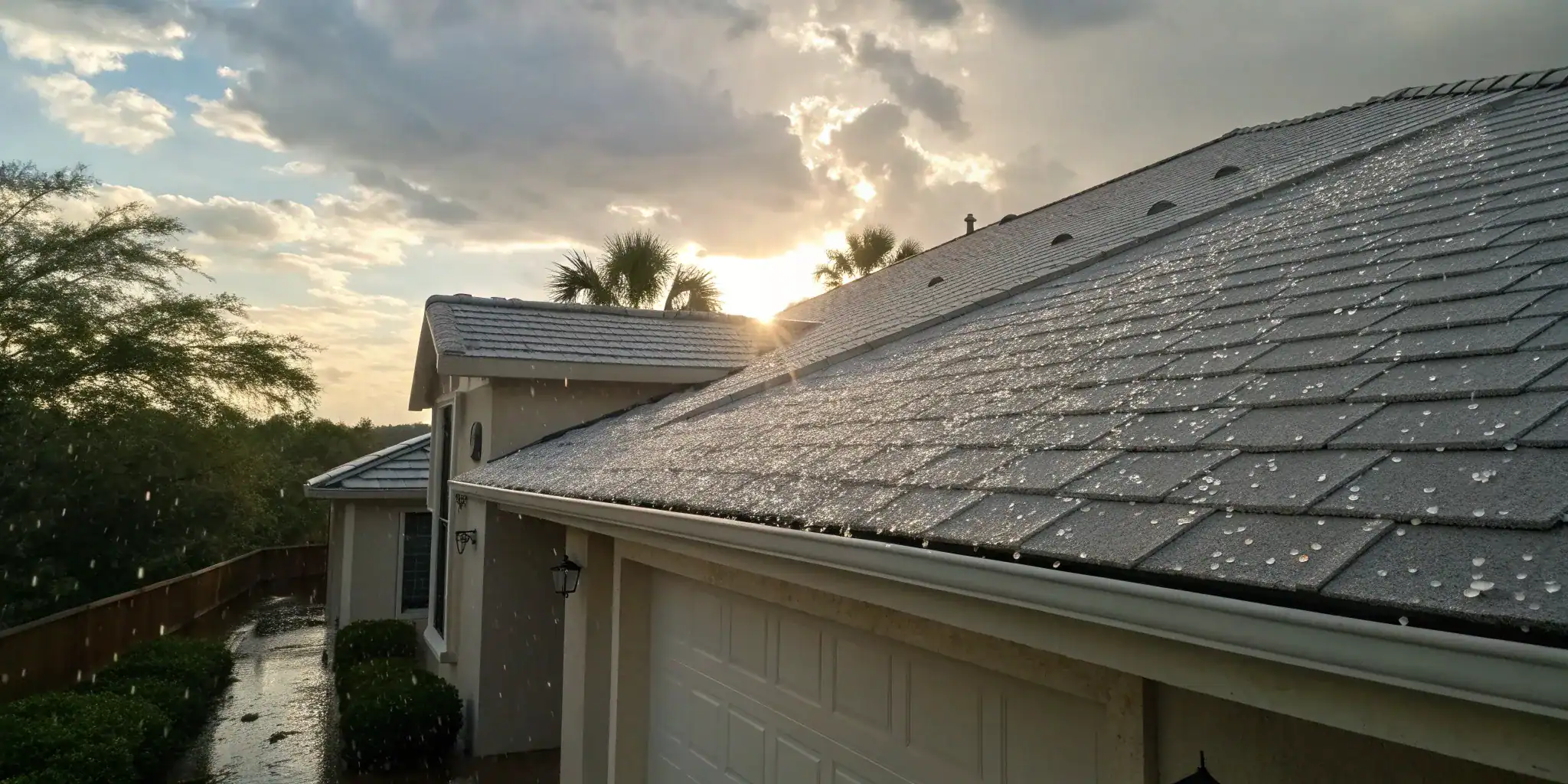
Many property owners hesitate to file a claim because they worry their premiums will skyrocket. This is one of several myths that can prevent people from getting the compensation they deserve. The truth is, claims for natural events like hailstorms typically don’t cause individual rate hikes. Understanding the facts is the first step toward a successful claim. We’ll clear up common misconceptions and explain how insurers actually calculate your settlement. Instead of relying on a vague average insurance payout for hail damage roof claims, you’ll learn what truly drives the value of your claim and how to build a strong case.
Key Takeaways
- Build a strong case from the start: Your claim’s success often depends on the quality of your documentation. Immediately after a storm, take detailed photos and videos of all damage and keep a log of every conversation with your insurer to create a powerful record.
- Know your policy to understand your payout: The fine print matters. Key terms like your deductible and whether you have Replacement Cost Value (RCV) or Actual Cash Value (ACV) coverage will directly influence the final settlement amount you receive for repairs.
- Don’t hesitate to get a second opinion: The insurance company’s adjuster represents their interests, not yours. An independent estimate from a roofer or the expertise of a public adjuster can help ensure your claim is valued fairly and accurately.
What’s a Typical Payout for a Hail-Damaged Roof?
If you’re dealing with a hail-damaged roof, one of your first questions is probably about the insurance payout. It’s tough to give a single number because every situation is different. The final settlement amount depends on your specific insurance policy, the extent of the damage, and even the materials your roof is made of. Think of it less as a fixed price and more as a calculated amount based on several key factors. Understanding these factors can help you set realistic expectations as you begin the claims process.
Average Payout Ranges
While there’s no one-size-fits-all answer, it can be helpful to have a general idea of what to expect. Across the country, the average insurance payout for a hail damage claim is about $12,000. Keep in mind this is just an average—your payout could be lower or significantly higher. This figure often covers more than just the shingles; it can include repairs to gutters, siding, windows, or even sheds that were also damaged in the storm. The total settlement is designed to address all covered property damage, not just the roof itself.
How Location Affects Your Payout
Where you live in Florida has a real impact on your claim’s value. Local construction costs, the price of materials, and regional building codes all influence the final repair bill, which in turn affects your payout. Some areas with frequent severe weather may have specific deductibles for wind and hail damage, which could be a percentage of your home’s insured value rather than a flat dollar amount. An experienced public adjuster understands these local nuances and can ensure your claim accurately reflects the true cost of repairs in your neighborhood.
Policy Types and Their Coverage
Most standard homeowners insurance policies provide coverage for hail damage, but the details are in the fine print. It’s important to know exactly what your policy covers and if there are any limits or exclusions. For example, some policies won’t pay for “cosmetic damage,” which might be defined as dents or dings that don’t compromise the roof’s ability to protect your home. Reading through your policy documents can feel overwhelming, but knowing these specifics is crucial for a successful claim.
Replacement Cost vs. Actual Cash Value: What’s the Difference?
Your insurance policy will likely cover your roof under one of two valuations: Replacement Cost Value (RCV) or Actual Cash Value (ACV). An ACV policy pays for the cost to replace your roof minus depreciation, which accounts for its age and wear. An RCV policy, on the other hand, covers the full cost of replacing your roof with new materials of a similar quality. As you can imagine, an RCV policy typically results in a higher payout, though it often comes with a higher premium. Understanding which type of coverage you have is one of the most important steps in estimating your potential settlement.
Key Factors That Determine Your Insurance Payout
When you file a hail damage claim, the settlement offer you receive isn’t just a random number. Insurance companies weigh several key factors to calculate the final payout. Understanding these elements can help you set realistic expectations and build a stronger case for the compensation you deserve. From the condition of your roof before the storm to the fine print in your policy, each detail plays a role in the outcome of your claim.
Your Roof’s Age and Material
The age and type of your roof are two of the first things an adjuster will consider. An older roof may have its value depreciated, meaning the insurance company might only pay for its remaining lifespan value, not the cost of a brand-new one. The material also matters significantly. Replacing premium materials like slate or metal costs more than standard asphalt shingles, and your payout should reflect that. It’s a good idea to review your policy, as it often contains specific clauses about your roof’s age and how it affects your coverage.
The Extent of the Damage
The scope of the damage is a major driver of your settlement amount. An adjuster will assess whether you need minor repairs or a full roof replacement. They should also look for collateral damage to other parts of your property, like gutters, siding, windows, or even sheds and fences. A few dented shingles will result in a much smaller payout than widespread damage across your entire property. While a typical payout for a hail-damaged roof can be around $12,000, this figure can vary widely depending on the severity of the storm’s impact on your home.
Your Policy Terms and Deductible
Your insurance policy is the ultimate guide for your claim. It outlines exactly what is and isn’t covered. One of the most important terms to understand is your deductible—the amount you have to pay out of pocket before your insurance coverage begins. For example, if your repairs cost $15,000 and your deductible is $2,000, your insurer would pay $13,000. Policies can have different types of deductibles, so it’s crucial to know yours. If policy language feels confusing, working with a public adjuster can help clarify your coverage and responsibilities.
Any Pre-existing Roof Conditions
Your insurance company will likely try to determine if any of the damage existed before the hailstorm. Issues like old, curling shingles, previous leaks, or general wear and tear could complicate your claim. The insurer might argue that these pre-existing conditions contributed to the current damage, potentially reducing your payout. This is why having records of regular roof maintenance can be so valuable. It helps demonstrate that the damage you’re claiming is a direct result of the storm, not a lack of upkeep on your part.
The Quality of Your Documentation
Strong documentation is your best tool for securing a fair settlement. The more evidence you can provide, the harder it is for an insurer to dispute your claim. Immediately after a storm, take clear, detailed photos and videos of all the damage from multiple angles. This includes close-ups of hail dents on shingles, gutters, and vents, as well as wider shots of the entire roof. Make a detailed list of every damaged item. This thorough record-keeping creates a powerful foundation for your claim and is a critical step in the property damage claims process.
How the Claims Process Works, Step-by-Step
Facing property damage is stressful enough without having to figure out the complexities of an insurance claim. While every situation is unique, the claims process generally follows a set path. Understanding these steps can help you feel more in control and prepared for what’s ahead. Think of it as a roadmap: knowing the route makes the journey much less intimidating.
From the moment you spot the damage to the day you receive your final payment, each stage requires careful attention to detail. Being organized and proactive can make a significant difference in the outcome of your claim. It’s about protecting your investment and ensuring you have the resources to restore your property. Remember, you don’t have to go through this alone. Having a trusted advocate, like a public adjuster, can provide the support and expertise you need to handle the process effectively. Let’s walk through what you can typically expect.
Assess and Document the Damage
Before you do anything else, your first job is to become a detective. Carefully and safely walk through your property to assess the extent of the damage. Your main tool here is your phone’s camera. Take clear, detailed photos and videos of everything—the obvious damage and anything that looks even slightly off. Get wide shots to show the context and close-ups to capture specific details. Make a written list of all damaged items and areas. This initial record is incredibly important because it captures the state of your property right after the incident, creating a baseline for your claim.
File Your Claim
Once you have your initial documentation, it’s time to contact your insurance company to officially file a claim. Don’t wait on this step. Many insurance policies have deadlines for filing, sometimes within a year of the damage occurring, so it’s best to act quickly. When you call, have your policy number handy. Take notes during the conversation, including the date, time, the name of the person you spoke with, and your claim number. This creates a paper trail that can be helpful later on. The insurance company will then assign an adjuster to your case and outline the next steps.
Prepare for the Adjuster’s Inspection
Your insurance company will send their own adjuster to inspect the property. It’s a good idea to be present for this inspection. You can walk them through the property and point out all the damage you documented, ensuring nothing is overlooked. This is your chance to make sure they see everything you see. Having your own advocate, such as a public adjuster, present during this inspection can also be beneficial. They can speak the insurer’s language and help ensure the assessment is thorough and fair from the start.
Negotiate Your Settlement
After the inspection, the insurance company will provide a settlement offer. It’s possible this initial offer may seem lower than what you need to cover all the repairs. If that’s the case, you don’t have to accept it right away. You can negotiate for a better payout. This is where your detailed documentation, photos, and any estimates from independent contractors become powerful tools. Presenting a well-organized case that clearly justifies a higher amount is key. This negotiation phase can be challenging, which is why many property owners seek expert help to manage their property damage claims.
Receive Your Payout
Once you and the insurance company agree on a settlement amount, you will receive your payout. Before you cash any checks, make sure you understand what the payment covers. Sometimes payments are made in installments, with an initial check followed by additional funds once repairs are completed. Always check your specific insurance policy to understand your deductible—the amount you’re responsible for paying out of pocket—and any other rules that might apply. Review the final settlement offer carefully to ensure it aligns with the scope of work needed to restore your property.
Working With Your Insurance Adjuster
After you file a claim, your insurance company will assign an adjuster to your case. This person is responsible for investigating the damage and determining the payout amount. While they are a necessary part of the process, it’s important to remember that they work for the insurance company, not for you. Their goal is to assess the claim according to the company’s guidelines, which may not always align with what you need for a full recovery.
Dealing with an adjuster can feel intimidating, but a little preparation goes a long way. Your role is to provide them with clear, accurate information and to advocate for a fair settlement. This means being organized, communicating effectively, and understanding when you might need to bring in your own expert to level the playing field. Think of it as a business transaction where you need to be your own best advocate, armed with solid documentation and a clear understanding of the process.
What to Expect During the Inspection
The insurance adjuster’s inspection is a key step in your claim. They will visit your property to assess the hail damage firsthand, taking photos and detailed notes. They’ll look at the condition of your roof, siding, windows, and any other affected areas. You should be present for this inspection to point out all the damage you’ve noticed and answer any questions they might have. It’s also a good idea to have your own contractor’s estimate on hand to compare with the adjuster’s assessment. This helps ensure nothing is overlooked and provides a baseline for your settlement negotiations.
Best Practices for Clear Communication
How you communicate with the insurance adjuster can have a real impact on your claim. Always aim to be polite and professional, even if you feel frustrated. Keep a log of every conversation, including the date, time, and what was discussed. When providing information, stick to the facts and be as accurate as possible. Misinformation, even if unintentional, can cause delays or even lead to a claim denial. It’s best to communicate in writing (like email) whenever you can, so you have a clear record of all correspondence. This documentation can be incredibly helpful if disagreements arise later.
When to Call a Public Adjuster
If the claims process starts to feel overwhelming or you’re concerned you won’t get a fair settlement, it may be time to call for backup. A public adjuster is an insurance professional who works directly for you, the policyholder. Unlike the insurance company’s adjuster, their sole focus is to protect your interests. They manage every aspect of your claim, from documenting the damage to negotiating with the insurer. This can be especially valuable if your claim is complex, has been denied, or if the initial offer seems far too low. Having an expert in your corner can make all the difference.
Effective Negotiation Strategies
Don’t feel pressured to accept the first settlement offer from your insurance company, especially if it doesn’t cover the full cost of repairs from a trusted contractor. If the offer is too low, you have the right to negotiate. Start by presenting your own evidence, including your contractor’s estimate and all the documentation you’ve gathered. Clearly explain why you believe the initial offer is insufficient, referencing specific line items. If negotiations stall, having a public adjuster handle the discussions can make a significant difference. They have the expertise to challenge unfair valuations and fight for the maximum compensation you’re entitled to under your policy.
Common Myths About Hail Damage Claims
When you’re dealing with the aftermath of a hailstorm, the last thing you need is misinformation adding to your stress. The claims process can seem confusing, and a lot of myths float around that can make it harder to get the fair settlement you deserve. Let’s clear up a few of the most common misconceptions so you can move forward with confidence.
“My premiums will definitely go up.”
It’s completely understandable to worry that filing a claim will cause your insurance rates to spike. The good news is that this usually isn’t the case with hail damage. Because a hailstorm is a natural event and not something you could have prevented, your insurer typically won’t raise your individual premiums for filing a claim. Insurance companies tend to adjust rates based on widespread, regional risk rather than penalizing a single policyholder for an “act of God.” So, don’t let the fear of a rate hike stop you from getting the repairs you need.
“Everything is covered.”
While most standard homeowners insurance policies do cover hail damage, it’s a mistake to assume every little thing is automatically included. Coverage can vary significantly from one policy to another. For example, some policies might have exclusions for cosmetic damage or separate, higher deductibles specifically for hail or wind. The best thing you can do is pull out your policy documents and read them carefully. Understanding the specifics of what your homeowners insurance policies cover will help you set realistic expectations and prepare for your conversation with the insurance adjuster.
“I can file whenever I want.”
After a storm, life gets busy, and it’s easy to put filing an insurance claim on the back burner. However, waiting too long can jeopardize your claim entirely. Most insurance companies have a statute of limitations on how long you have to report damage, which is often just one year from the date of the storm. If you miss this window, your insurer has the right to deny your claim. It’s always best to assess your property for damage and start the claims process as soon as it’s safe to do so.
“It’s only cosmetic damage.”
You might look at the small dents on your roof or siding and think it’s just a cosmetic issue. But what looks minor on the surface can hide more serious problems. Hail can compromise the integrity of your roofing materials, leading to leaks and water damage down the road. Some insurance policies try to limit payouts by stating they don’t cover “cosmetic damage,” or damage that doesn’t impact the function of your roof. This is a gray area where having an expert from a firm like PA Joe on your side can make all the difference in proving the damage is more than just skin deep.
Tips for a Fairer Settlement
Navigating an insurance claim can feel overwhelming, but you have more power than you might think. Taking a few proactive steps can make a significant difference in the fairness of your settlement offer. It’s about being prepared, organized, and knowing where to turn for help. These tips can help you build a stronger case and ensure your insurance company has all the information needed to compensate you properly for your hail-damaged roof.
Get a Professional Assessment
Before you even speak with your insurance company’s adjuster, consider getting an independent inspection from a qualified roofing contractor. An experienced roofer can identify subtle or hidden damage that an adjuster might overlook and provide a detailed, line-item estimate for repairs. This report serves as a crucial piece of evidence and a baseline for negotiations. Having a professional third-party assessment gives you a clearer picture of the true repair costs, which is essential when you review your insurance company’s offer.
Keep Detailed Records
Documentation is your best friend during the claims process. From the moment you notice the damage, start a file. Take clear, well-lit photos and videos of your roof from multiple angles, as well as any interior damage, like water stains on your ceiling. Create a log of every conversation you have with your insurance company, noting the date, time, and the name of the person you spoke with. Keeping everything organized—from receipts for temporary repairs to contractor estimates—creates a comprehensive record that supports your claim from start to finish.
Know Your Rights as a Policyholder
Your insurance policy is a contract, and it outlines specific rights and responsibilities for both you and your insurer. Take some time to understand what your policy entitles you to. You have the right to a fair and timely evaluation of your claim, and you have the right to question the outcome if you disagree with it. Being informed about your rights as a policyholder helps you communicate more effectively with your insurance company and advocate for the full amount you deserve for your hail-damaged roof.
Review Your Policy Carefully
The details of your insurance policy will directly impact your payout. Before filing, pull out your documents and read through the relevant sections. Pay close attention to your deductible—the amount you’ll pay out of pocket before coverage kicks in. You should also look for clauses related to your roof’s age, materials, or any pre-existing conditions, as these can affect your settlement. Understanding these specifics helps you set realistic expectations and prevents surprises down the line. If the language is confusing, don’t hesitate to ask for clarification.
Understand the Appeal Process
If the settlement offer from your insurance company seems too low, remember that their first offer isn’t necessarily the final one. You have the right to negotiate for a better payout. This is where your detailed records and independent estimates become invaluable. You can present your evidence to the adjuster and make a case for why a higher amount is needed. If negotiations stall, you can also work with a public adjuster who can manage the appeal process and advocate on your behalf to secure a fair settlement.
Your Checklist for a Successful Claim
Dealing with roof damage after a storm can feel overwhelming, but having a clear plan can make a world of difference. Following a few key steps can help you stay organized and build a strong case for a fair settlement. Think of this as your roadmap for the claims process, designed to help you get what you’re owed without the extra stress.
What to Do Immediately After a Storm
First, take a deep breath. Then, act with purpose. Your first call should be to your insurance company to report the damage and start the claims process. The sooner you file, the sooner you can begin the path to recovery. While you wait for an adjuster, take reasonable steps to prevent further harm. This might mean placing a tarp over a damaged section of your roof to stop leaks. Preventing additional water damage is crucial, as most policies require you to mitigate further loss. Just be sure to document the initial damage before making any temporary fixes.
Gather the Right Documents
Evidence is your best friend in an insurance claim. Before you move anything, grab your phone and start taking pictures and videos. Document the damage from every possible angle—close-ups of dents in shingles, wider shots of the entire roof, and even photos of fallen branches or hailstones for context. Make a detailed list of all damaged property, not just the roof. This includes gutters, windows, siding, and any personal property outdoors. Keep a dedicated folder for everything related to your claim: your photos, your list of damages, and a log of every conversation you have with your insurance company, including the date, time, and who you spoke with.
Schedule Professional Inspections
Before your insurance company’s adjuster visits, it’s a smart move to get your own professional assessment. A qualified local roofer can provide a detailed inspection and an independent estimate for repairs. This gives you a valuable baseline to compare against the adjuster’s findings. An experienced contractor can often spot damage that isn’t immediately obvious. For an even more thorough approach, consider working with a public adjuster. A team like PA Joe can manage the entire process, from documenting damage to negotiating on your behalf, ensuring your claim is accurately and fully represented from the start.
Manage Your Claim Timeline
Insurance claims come with deadlines, so it’s important to stay on top of your timeline. Check your policy documents to see how long you have to file a claim after a storm—it’s often around one year, but this can vary. Once your claim is filed, keep the lines of communication open with your insurance company. Don’t hesitate to follow up if you haven’t heard back within a reasonable time. Keep all your documents organized and be prepared to present your evidence clearly. Being proactive and persistent shows the insurance company that you’re serious about getting a fair resolution for your property damage.
Review the Final Settlement Offer
When you receive a settlement offer, don’t feel pressured to accept it immediately. Take the time to review it carefully. One of the most important things to understand is whether your policy covers Replacement Cost Value (RCV) or Actual Cash Value (ACV). RCV pays to replace your roof with a new one, while ACV pays for the depreciated value of your old roof. This difference can be thousands of dollars. If the offer seems too low or doesn’t cover all the damage you documented, you have the right to question it. This is another point where a public adjuster can be invaluable in helping you negotiate a fair settlement.
Related Articles
- How Roof Insurance Claims Work: A Step-by-Step Guide – Public Adjuster
- Can You Claim Hail Damage Twice on Roof? An Expert Guide – Public Adjuster
- How to Handle a Hail Storm Roof Damage Insurance Claim – Public Adjuster
Frequently Asked Questions
What should I do if my insurance company’s settlement offer is too low to cover the repairs? It’s common for an initial offer to feel insufficient, so don’t feel pressured to accept it right away. Your first step is to review the adjuster’s report and compare it line-by-line with the estimate from your own trusted contractor. If there are discrepancies, you can present your contractor’s estimate and your detailed documentation to the insurance company as the basis for a negotiation. A well-supported argument is much more effective than just saying the offer is too low.
How long does a typical hail damage claim take to resolve? The timeline for a hail damage claim can vary quite a bit. A straightforward claim might be settled in a few weeks, while more complex cases could take several months. Factors that influence the timeline include the severity of the damage, how quickly you file, your insurance company’s responsiveness, and whether there are disagreements over the settlement amount. Staying organized and communicating consistently can help keep the process moving forward.
Will my insurance company drop me if I file a hail damage claim? Many homeowners worry about this, but it’s unlikely you’ll be dropped for filing a single claim related to a storm. Hail damage is considered an “act of God,” meaning it was an event beyond your control. Insurers are generally more concerned with patterns of claims related to negligence or preventable issues. While filing a claim won’t typically lead to being dropped, widespread storm activity in an area could lead to regional rate adjustments for everyone.
Do I have to use the contractor my insurance company recommends? No, you are not required to use a contractor from your insurance company’s preferred list. You have the right to choose your own licensed and insured contractor to perform the repairs. It’s always a good idea to get estimates from a few reputable local companies. This ensures you’re working with someone you trust and can help you get a clear, independent assessment of the repair costs.
What’s the real difference between the insurance company’s adjuster and a public adjuster? The key difference is who they work for. The adjuster sent by your insurance company is an employee or contractor of that company, and their job is to evaluate the claim based on the insurer’s standards. A public adjuster, on the other hand, is someone you hire to work exclusively for you. Their responsibility is to represent your best interests, from documenting the full extent of the damage to negotiating with the insurance company to secure a fair settlement on your behalf.