 Proudly Serving the Entire State of Florida

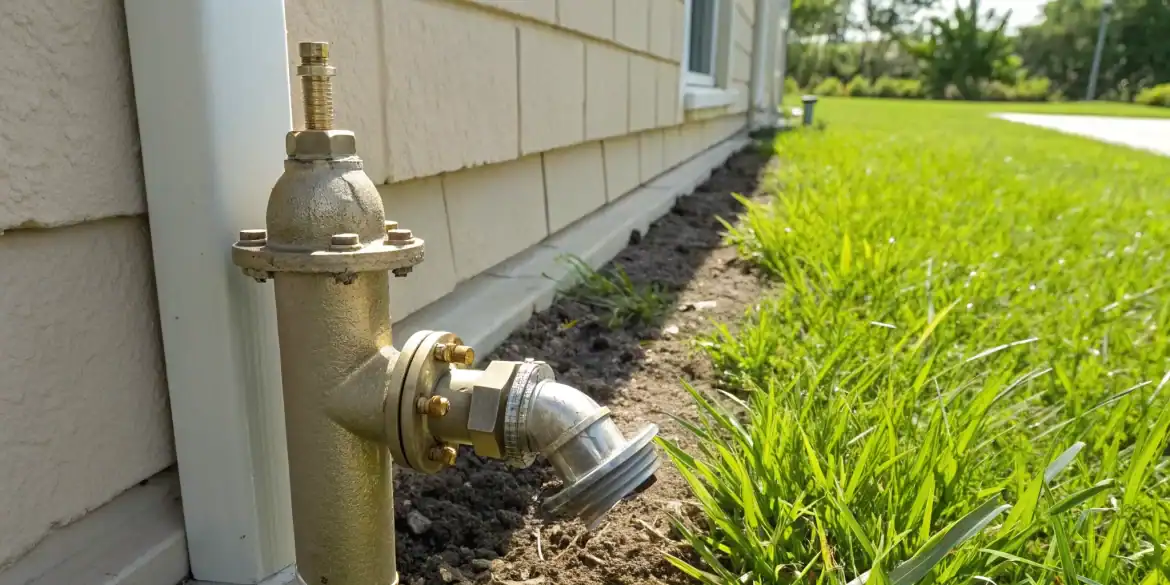
Your property’s plumbing doesn’t exist in a bubble; it’s connected to a larger water system that serves your entire neighborhood. A problem on your property can have a ripple effect, and that’s especially true when it comes to backflow. If contaminated water from your home or business gets pulled back into the main supply, it can compromise the safety of your neighbors’ water, too. A backflow preventer is your way of being a responsible steward of this shared resource. It isolates your system and ensures you’re not the source of a contamination issue. Here, we’ll explore how this device protects both your family and your community, and what you need to know to keep it working correctly.
Key Takeaways
- Think of It as Your Water Supply’s Guardian: A backflow preventer is a crucial device that stops contaminated water from sources like sprinklers or pools from reversing course into your clean drinking water, protecting both your property and the public water system.
- Rely on a Certified Pro for Installation: This isn’t a typical DIY project. A certified plumber can match the right device to your property’s specific needs and install it according to local codes, which helps prevent future leaks and ensures compliance.
- Schedule Annual Testing to Stay Protected: A backflow preventer has moving parts that can wear out over time. Scheduling a yearly test with a certified technician is the best way to confirm it’s functioning correctly and to meet local compliance requirements before a small issue becomes a major problem.
What Is a Backflow Preventer?
Think of a backflow preventer as a one-way security gate for your water supply. It’s a simple but crucial device installed on your property’s water pipes with one important job: to stop dirty water from flowing backward and mixing with your clean, drinkable water. When your plumbing is working as it should, water flows in one direction—from the city’s main line into your home or business. However, unexpected changes in water pressure can reverse this flow, creating a serious health hazard.
A backflow prevention device is your first line of defense against this contamination. It ensures that the water you use for drinking, cooking, and bathing remains safe and free from pollutants, chemicals, and bacteria that could be siphoned back into your pipes from outside sources like sprinkler systems, swimming pools, or industrial equipment. For any property owner, understanding this component is a key part of preventing the kind of widespread water damage that can lead to complex insurance claims. If a backflow incident occurs, the resulting contamination can be extensive, requiring professional cleanup and potentially leading to denied claims if proper precautions weren’t taken. Having the right protection in place is essential for both your safety and your financial security.
How Backflow Prevention Works
Backflow typically happens when there’s a sudden drop in pressure in the main water line, which can be caused by a water main break or even firefighters using a nearby hydrant. This pressure drop creates a vacuum effect, siphoning water backward from your property into the public water supply. Contaminated water from a lawn sprinkler system or a hose left in a bucket of soapy water could get pulled back into your clean water lines.
A backflow preventer contains a set of valves that sense this change in pressure. When it detects that water is trying to flow in the wrong direction, its internal mechanics automatically close, creating a solid barrier. This action stops the contaminated water in its tracks, protecting your pipes. The most basic form of prevention is a simple air gap—an open space between a faucet and the water level in a sink—which makes it physically impossible for water to be siphoned back up.
Understanding Cross-Connections
The reason backflow is a concern is because of something called “cross-connections.” A cross-connection is any point where your clean (potable) water system connects to a non-clean water source. These are more common than you might think. A simple garden hose with its end submerged in a puddle, a commercial boiler, or an irrigation system are all examples of cross-connections.
They create a potential pathway for contaminants to enter your drinking water. If the water pressure drops, these connections can allow harmful chemicals, pesticides, or bacteria to be pulled back into your pipes and even into the main water supply. This is why backflow preventers are so critical at these specific points. They are installed to isolate these potential hazards, ensuring that a drop in pressure doesn’t lead to a public health issue. By installing and maintaining these devices, you’re not just protecting your own property; you’re also helping to safeguard the entire community’s water system.
Why Is a Backflow Preventer So Important for Water Safety?
Think of your property’s plumbing as a one-way street. Clean water flows in from the municipal supply, and wastewater flows out. A backflow preventer acts like a dedicated traffic cop for this system, making sure everything moves in the right direction. Its entire purpose is to stop contaminated water from reversing course and mixing with your clean drinking water supply. When a sudden pressure change occurs in the water main—something that can happen during a water main break or even when firefighters tap a nearby hydrant—this device automatically closes to prevent a reverse flow.
This simple piece of equipment plays a huge role in protecting your property, your health, and your community from the serious risks of water contamination. Beyond safeguarding your water supply, having a functional backflow preventer is often a matter of compliance. Many local codes require them, especially for irrigation systems, pools, and commercial buildings where the risk of cross-contamination is higher. Understanding why this device is so critical is the first step in ensuring your water remains safe and your property stays up to code. It’s a small investment that carries a great deal of responsibility for maintaining public health.
The Dangers of Water Contamination
The main job of a backflow preventer is to stop a hazardous event called backflow. This happens when the pressure in your property’s plumbing becomes higher than the pressure in the main water supply line, or when the main line pressure drops suddenly. When this occurs, it can create a siphon effect, pulling non-potable water from sources like sprinkler systems, boilers, or pools back into your clean water lines.
This isn’t just an inconvenience; it’s a serious health hazard. The reversed water can carry chemicals, pesticides, bacteria, and other pollutants. A properly functioning backflow prevention device is your primary defense against this type of contamination, ensuring the water you use for drinking, cooking, and bathing remains pure and safe.
Protecting Your Family and Community
A backflow issue on your property doesn’t just affect you—it can compromise the entire public water supply. If contaminated water from your property gets pulled back into the city’s main lines, it could potentially affect your neighbors and the wider community. Contaminants like fertilizers from a lawn irrigation system, chlorine from a swimming pool, or even soap from a utility sink can mix with and pollute the public drinking water.
By installing and maintaining a backflow preventer, you’re not only protecting your own family but also acting as a responsible steward of the community’s shared water resources. It’s a critical component that helps everyone trust the water coming from their taps.
Meeting Local Code Requirements
In many areas, including throughout Florida, backflow preventers aren’t just a good idea—they’re required by law. Local health and plumbing codes often mandate their installation to protect the public water system. These regulations typically specify which types of properties and water systems need a device, such as commercial buildings or homes with in-ground sprinkler systems.
Furthermore, these codes usually require regular testing and inspections, typically on an annual basis, to certify that the device is working correctly. Staying compliant helps you avoid potential fines and ensures you’re meeting your legal responsibility to maintain a safe water connection. A certified plumber can help you understand your local requirements and keep your system in good working order.
What Are the Main Types of Backflow Preventers?
When it comes to backflow preventers, there isn’t a one-size-fits-all solution. The right device for your property depends on the level of risk involved. Think of it like choosing a lock for your door—a simple latch might be fine for a bedroom, but you’ll want a deadbolt for your front door. Similarly, different situations call for different types of backflow protection.
These devices generally fall into a few main categories, each designed to handle specific scenarios. Understanding the basics of each type can help you have a more informed conversation with a plumbing professional and ensure your home or business has the right level of protection against water contamination. Let’s walk through the most common options you’re likely to encounter.
Air Gap (AG)
The simplest and most effective method for preventing backflow is the air gap. It’s not a mechanical device but rather an open vertical space between the water outlet (like a faucet) and the highest possible water level in a sink or tank. You see this every day with your kitchen sink—the gap between the faucet and the flood rim of the sink prevents dirty dishwater from ever siphoning back into your clean water lines. Because an air gap has no moving parts to break or wear out, it’s considered the most reliable form of backflow prevention.
Double Check Valve Assembly (DCVA)
A Double Check Valve Assembly (DCVA) is a common mechanical backflow preventer. It consists of two independently operating check valves housed together in one unit. If the first valve fails to close completely, the second one acts as a backup to stop any reverse flow. These devices are typically used in low-hazard situations where the main concern is preventing pollutants, not toxic contaminants, from entering the water supply. You might find them installed for lawn irrigation systems (without chemical injectors) or fire sprinkler systems. They are a dependable choice for many residential and commercial properties.
Reduced Pressure Zone Assembly (RPZ)
For high-hazard situations where contamination could pose a serious health risk, a Reduced Pressure Zone (RPZ) assembly is the go-to device. This is the most complex and protective mechanical backflow preventer available. It features two independent check valves plus a pressure-monitored chamber in between that discharges water if one or both valves fail. This design provides maximum protection for the public water supply. RPZs are often required for commercial buildings, hospitals, and properties with irrigation systems that use fertilizers or pesticides. Preventing this kind of contamination is critical, as it can lead to significant health issues and costly water damage.
Pressure Vacuum Breaker Assembly (PVB)
A Pressure Vacuum Breaker (PVB) is another type of mechanical device designed specifically to protect against back-siphonage, which happens when there’s a sudden drop in water pressure. It has a check valve and an air inlet that opens to break the siphon effect if pressure drops. PVBs are most commonly used for residential and commercial irrigation systems. For a PVB to work correctly, it must be installed at least 12 inches higher than the highest point of water use in the system (like the tallest sprinkler head). This ensures gravity can help the device function properly.
Where Should You Install a Backflow Preventer?
Deciding where to install a backflow preventer isn’t a guessing game. These devices are strategically placed at points where your private plumbing system connects to the public water supply, creating a barrier against contamination. The exact location depends on your property’s specific features and local plumbing codes, but the goal is always the same: to isolate potential hazards before they can compromise your drinking water.
For most properties, the primary backflow preventer is installed on the main water line, right after the water meter. This protects the entire public water system from any backflow originating from your property. However, you may also need additional devices installed at specific high-hazard locations, like an irrigation system or a commercial fire sprinkler line. Think of it as a layered defense system. A certified plumber can assess your property to pinpoint these critical spots, ensuring you have the right protection where you need it most.
Key Locations in Your Home
In a residential setting, backflow preventers are typically required for systems that pose a higher risk of contamination. Your irrigation or lawn sprinkler system is the most common example. Because sprinkler heads sit in your yard, they can easily siphon fertilizers, pesticides, and animal waste back into your water lines. Many Florida counties require a backflow preventer to be installed on the irrigation line for this very reason.
Other key spots in your home that may need a backflow preventer include swimming pools with an automatic fill line, wells that are also connected to the municipal supply, and some boiler systems. Even a simple garden hose can create a hazard if left submerged in a bucket or pool, so installing a simple hose bib vacuum breaker on your outdoor faucets is always a smart move.
Essential Spots for Commercial Properties
Commercial properties often have more complex plumbing systems, which means more potential for contamination and stricter regulations. One of the most critical locations for a backflow preventer is on a fire suppression system. The stagnant water inside these pipes is not safe for drinking and must be isolated from the main water supply.
Other essential spots include large-scale irrigation systems, commercial boilers, cooling towers, and food service equipment like soda fountains or dishwashers. Any business that uses chemicals, such as a car wash or a medical facility, will also have specific backflow prevention requirements. For commercial property owners, working with a professional to ensure compliance isn’t just a good idea—it’s often the law.
Identifying High-Risk Areas
The technical term for a high-risk area is a “cross-connection,” which is any point where your clean, potable water supply could come into contact with a non-potable source. It’s simpler than it sounds. Imagine leaving your garden hose in a swimming pool to top it off. That hose creates a direct link between the treated pool water and your home’s drinking water.
If the city’s water pressure suddenly drops—say, from a water main break or firefighters using a nearby hydrant—a vacuum effect can occur. This can suck the pool water backward through the hose and into your pipes. A backflow preventer is designed to stop this from happening. Identifying these cross-connections on your property is the first step to protecting your water supply.
What to Know Before Installing a Backflow Preventer
Getting a backflow preventer is a smart move for protecting your property’s water supply. But before you jump in, there are a few key things to consider to make sure the job is done right. A proper installation is about more than just screwing a valve into a pipe; it’s about safeguarding your water, staying compliant with local rules, and preventing future headaches. Think of it as an investment in your property’s health and safety. From understanding the specific plumbing codes in your area to finding the right person for the job and picking the perfect spot for the device, a little prep work goes a long way.
This process might seem a bit detailed, but each step is crucial. Local codes exist to protect the entire community’s water supply, not just your own. Hiring a certified professional ensures the installation is handled by someone with the right training and tools, which can prevent major issues like leaks or device failure. And choosing the right size and location for the preventer is what makes it effective in the first place. An incorrectly placed device might not work when a backflow event actually happens. Taking these steps ensures your system works correctly from day one and helps you avoid costly surprises down the road.
Following Local Plumbing Codes
First, it’s important to know that installing a backflow preventer often isn’t just a good idea—it’s the law. Many local health and plumbing rules require these devices to protect public drinking water from contamination. These regulations are in place for a good reason, and following them is essential. The specific requirements can vary depending on where you live in Florida, so you’ll want to check the local building codes for your city or county. A certified plumber will be familiar with these rules and can ensure your installation is fully compliant, saving you from potential fines or a costly do-over.
Why You Should Hire a Certified Professional
While a DIY project can be tempting, this is one job you should leave to a certified professional. In many areas, regulations don’t permit homeowners to install their own backflow preventers. A licensed plumber has the expertise to assess your property’s needs, select the right device, and install it correctly. A faulty installation can fail when you need it most, potentially leading to serious contamination or expensive water damage. Plus, these devices often require annual testing by a certified technician, so starting with a professional builds a relationship with someone you can trust for future maintenance.
Choosing the Right Size and Placement
The effectiveness of your backflow preventer depends on choosing the right model and installing it in the correct location. It’s not a one-size-fits-all situation. A professional will determine the appropriate size and type of device based on your plumbing system and contamination risks. Placement is also critical. The device needs to be installed where it’s most effective, often in a specific orientation, like vertically. It also needs to be accessible for future testing and maintenance, with tight connections and good airflow. Getting these details right from the start ensures your device works properly for years to come.
How to Maintain Your Backflow Preventer
A backflow preventer is a crucial safety feature for your property, but it’s not a “set it and forget it” device. Like any piece of mechanical equipment, it requires a little attention to ensure it’s always ready to do its job. These devices have internal seals, springs, and moving parts that can wear down over time. Proactive maintenance is the best way to protect your water supply and prevent the kind of plumbing failures that can lead to extensive property damage. A few simple steps can save you from dealing with contaminated water or costly repairs down the road. By staying on top of inspections and testing, you can have peace of mind knowing your property and family are protected.
The Importance of Annual Testing
Think of it as a yearly health check-up for your plumbing. An annual test performed by a certified professional is the most effective way to confirm your backflow preventer is working correctly. During the test, a technician will use specialized equipment to measure pressure and ensure the internal valves are sealing properly. Many local water authorities require annual testing, particularly for irrigation systems, to maintain compliance with public health codes. Scheduling this simple yearly service helps you catch wear and tear before a part fails, ensuring the device is ready to work when you need it most and preventing a potential contamination event.
A Quick Inspection Checklist
While professional testing is essential, you can also perform quick visual inspections to spot potential issues early. A few times a year, take a moment to look over your backflow preventer.
- Check for leaks: Look for any drips, puddles, or signs of moisture on or around the device. Even a small, slow leak can indicate a failing seal.
- Look for visible damage: Inspect the device for any cracks, rust, or corrosion on the main body and fittings.
- Clear the surrounding area: Make sure the space around the preventer is free of dirt, leaves, overgrown plants, and other debris that could obstruct its parts or hide a leak.
This simple check only takes a few minutes and can help you identify a small problem before it becomes a major one.
Warning Signs That It’s Time for a Repair
Your backflow preventer will often give you some clear signals when it needs attention. If you notice any of these warning signs, it’s time to call a certified plumber for a professional inspection and repair.
- Discolored or foul-smelling water: If your tap water suddenly appears cloudy, yellow, or brown, or if it has an unusual taste or odor, it could be a sign of a backflow issue.
- Constant leaking or dripping: Any water discharging from the device itself is a red flag that an internal component has likely failed.
- Changes in water flow: A sudden and significant drop in water pressure or unusually slow drainage could point to a problem with the preventer.
Ignoring these signs can lead to serious health risks or costly water damage to your home or business.
Common Myths About Backflow Preventers
When it comes to protecting your property’s water supply, there’s a lot of information out there—and not all of it is accurate. Misconceptions about backflow preventers can leave your home or business vulnerable to contamination. Let’s clear up a few of the most common myths so you can make informed decisions about your plumbing system and prevent potential water damage. Understanding the facts helps you keep your water safe and your property protected.
Myth: They’re Only for Sprinkler Systems
One of the most persistent myths is that backflow preventers are only necessary for large commercial buildings or properties with irrigation systems. While sprinkler systems are a common cross-connection point, they are far from the only one. Any place where your private plumbing connects to the public water supply could pose a risk. This includes residential homes with hose bibs, swimming pools, boilers, or even a simple garden hose left in a bucket of soapy water. Any property with a connection to a public water supply may need a backflow preventer to stop contaminants from entering the clean water system.
Myth: You Can Install It and Forget It
It’s easy to think of a backflow preventer as a set-it-and-forget-it device, but that’s a risky assumption. These are mechanical assemblies with springs, seals, and moving parts that can wear down or get stuck over time. To ensure your device is working correctly, it needs regular maintenance and testing, typically on an annual basis. Many municipalities legally require this annual inspection by a certified professional. Think of it like your car’s annual inspection—it’s a crucial step to catch small problems before they become major failures that could compromise your water safety and lead to costly repairs.
Myth: A Backflow Preventer Is the Same as a Check Valve
Many people believe that backflow preventers and check valves are interchangeable, but they serve different functions. A simple check valve is a one-way valve designed only to stop water from flowing backward. However, it offers minimal protection and can fail without any external sign. A backflow preventer is a more robust and testable assembly designed to provide a higher level of protection against both back-siphonage and back-pressure. Understanding the differences between these devices is key to ensuring your property has the right type of protection for its specific level of risk.
How to Choose the Right Backflow Preventer for Your Property
Picking the right backflow preventer feels a bit like choosing the right tool for a job—you need to match it to your specific situation. Not every property has the same needs, and the device that works for a large commercial building might be overkill for your home. The goal is to find that sweet spot that offers solid protection without being unnecessarily complex or expensive. To get there, you can focus on three main things: your property’s unique risk level, its water flow and pressure demands, and how the initial cost balances with long-term value. Thinking through these points will help you and your plumbing professional land on the perfect backflow preventer to keep your water supply safe and clean. It’s a decision that protects not only your property but also the health of your family and the wider community water system.
Assessing Your Property’s Risk Level
First, you’ll want to figure out your property’s risk level. This sounds technical, but it’s really about identifying any potential “cross-connections” where your clean drinking water could mix with contaminated water. Backflow prevention devices are designed to stop harmful chemicals or dirty water from flowing backward into the main water supply. This can happen if the main system suddenly loses pressure. When that occurs, dirty water—say, from a garden hose left in a swimming pool or a lawn sprinkler system—can get sucked back into your clean water pipes. The higher the chance of this happening, the higher your risk. A simple home with just a garden hose has a different risk profile than a commercial property with complex irrigation and plumbing systems. Understanding these risks is the first step to choosing the right level of protection.
Considering Water Flow and Pressure Needs
Next, think about your property’s daily water usage. The right backflow preventer needs to handle your water flow and pressure without causing any disruptions. For example, devices are essential in sprinkler systems and with soaker hoses to keep the water supply clean. Different types of preventers affect water pressure differently. Mechanical backflow preventers are the most common for both homes and businesses and include options like Reduced Pressure Zone (RPZ) assemblies and double check valve assemblies. These have internal valves and moving parts that require a certain amount of pressure to work correctly. A certified plumber can help you evaluate your system’s needs to ensure the device you choose provides adequate protection without slowing your water flow to a trickle.
Balancing Your Budget with Long-Term Value
Of course, cost is always a factor. A backflow preventer can range from around $200 to over $1,000, with a typical residential installation costing about $300. While it’s tempting to go for the cheapest option, it’s important to think about the long-term value. Investing in a quality, appropriate device is a proactive step that can save you a fortune down the road. A backflow incident can lead to extensive contamination, expensive repairs for water damage, potential health issues, and even fines for non-compliance with local codes. By choosing a reliable device that’s right for your property, you’re not just buying a piece of equipment—you’re investing in peace of mind and protecting your property’s value.
Your Next Steps for Backflow Prevention
Taking the right steps to prevent backflow is one of the smartest moves you can make to protect your property’s water supply. It might seem like a complex project, but breaking it down makes it much more manageable. Here’s what you need to know about finding the right help, understanding the costs, and staying on top of maintenance so you can feel confident your water is safe.
How to Find a Qualified Professional
When it comes to installing a backflow preventer, this isn’t a typical DIY project. Due to local regulations and the importance of getting it right, it’s highly recommended to hire a certified professional. These experts understand the specific plumbing codes in your area and can ensure the device is installed correctly to protect your water supply. A faulty installation could fail to prevent contamination or even lead to leaks and serious water damage. To find a qualified plumber, you can check with your local utility provider for a list of approved testers and installers or ask for recommendations from trusted neighbors.
What to Expect for Costs and Permits
Budgeting for a backflow preventer involves a few key components. The device itself usually costs between $200 and $1,000, depending on the type and size you need. For a typical home, installation might run around $300, while commercial properties with more complex systems could see costs ranging from $1,000 to $1,500. You’ll also likely need to secure special permits before installation. Local rules are in place to ensure everything is up to code, and this usually includes a requirement for regular inspections to confirm the device is working as it should.
A Simple Plan for Staying Compliant
Once your backflow preventer is installed, a little routine care will keep it protecting your property for years. The first step is ensuring the initial installation follows all local building codes. After that, the key is regular testing. Most municipalities require annual testing, especially for devices connected to irrigation systems, to make sure they are functioning correctly. Think of it like a yearly check-up for your plumbing system. Mark your calendar and schedule these tests ahead of time to stay compliant and ensure your water remains safe.
Related Articles
- Average Insurance Claim for Burst Pipe: A Payout Guide – Public Adjuster
- Water Pipe Burst Outside House: What to Do Now – Public Adjuster
- What Happens When a Pipe Bursts Under Your House? – Public Adjuster
Frequently Asked Questions
Do I actually need a backflow preventer for my home? It really depends on your property and local regulations. If you have an in-ground irrigation system, a swimming pool with an automatic fill line, or a well that’s also connected to the municipal water supply, chances are you do. Many Florida codes mandate them in these situations to protect the community’s drinking water. Even if it’s not required, it’s a smart safety measure for almost any property owner.
What’s the main difference between the types of backflow preventers? The biggest difference is the level of hazard they are designed to handle. A simpler device, like a Double Check Valve Assembly, is often used for low-risk situations where the main concern is just preventing pollutants from flowing backward. For high-risk scenarios, like an irrigation system that uses chemical fertilizers, a more complex device like a Reduced Pressure Zone (RPZ) assembly is necessary because it offers a much higher degree of protection.
Can I just install one myself to save some money? This is one of those jobs you should definitely leave to a certified professional. Many local codes require a licensed plumber to handle the installation to ensure it’s done correctly and safely. An improper installation might not work when you need it most and could even cause leaks or significant water damage. Using a pro ensures the job is done right from the start.
How often does a backflow preventer need to be tested? Generally, backflow preventers should be tested at least once a year. Most local water authorities require this annual inspection, especially for devices connected to irrigation systems. A certified technician will perform the test to make sure all the internal seals and springs are working correctly. This regular check-up is the best way to stay compliant and ensure your water supply is protected.
What are the warning signs that my backflow preventer might be failing? You should call a professional if you notice any clear red flags. These include water that is discolored or has a strange taste or smell, a sudden drop in your water pressure, or unusually slow drainage. If you see the device itself constantly leaking or dripping, that’s another sure sign that an internal part has likely failed and needs immediate attention.