 Proudly Serving the Entire State of Florida

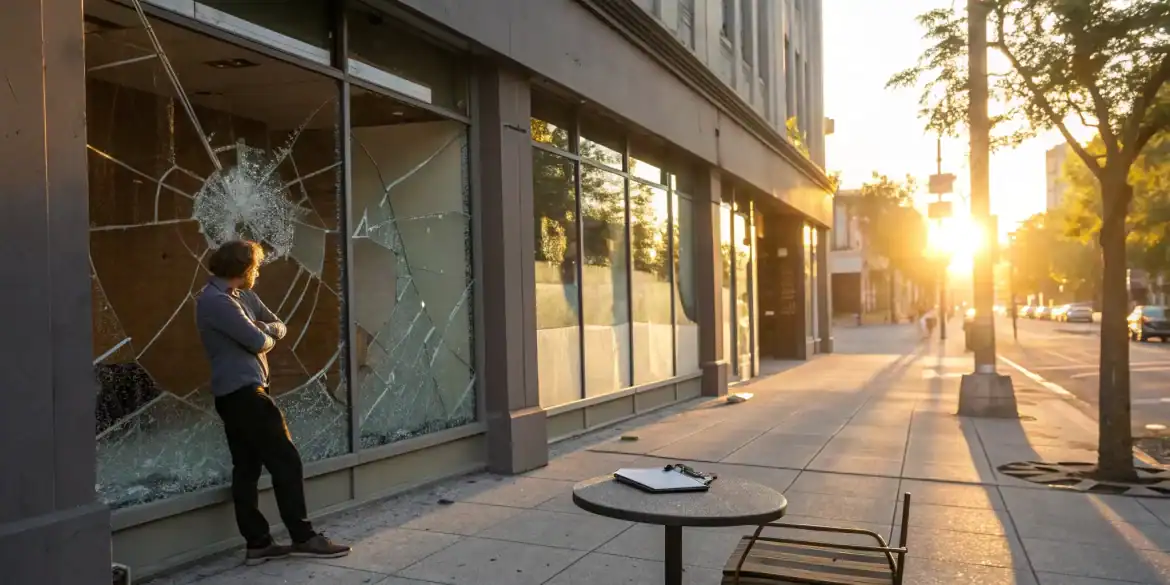
Filing an insurance claim can feel like you’re trying to solve a puzzle without all the pieces. Your insurance policy is a complex contract, and when it comes to getting paid for damages, the details matter. A successful commercial property vandalism claim depends on more than just having coverage; it requires clear proof, timely reporting, and a thorough understanding of your policy’s terms. The insurance company’s adjuster is trained to evaluate damage from their perspective, which may not capture the full financial impact on your business. This article will equip you with the knowledge to build a strong case and work toward the full settlement you need to recover.
Key Takeaways
- Build a strong case with immediate documentation: Before you clean or move anything, take extensive photos and videos of the damage, file an official police report, and make a detailed list of every item affected. This evidence is crucial for proving your losses.
- Understand your policy’s limitations to avoid surprises: Review your insurance documents for key exclusions, especially the vacancy clause, which could lead to a denial if your property has been empty for an extended period. Knowing what is and isn’t covered helps set clear expectations.
- Be prepared to negotiate the settlement offer: The insurer’s initial valuation is a starting point, not the final word. If the offer seems too low or the process becomes overwhelming, a public adjuster can step in to manage the claim and advocate for a fair outcome on your behalf.
What Does Vandalism Insurance Actually Cover?
Discovering your property has been vandalized is incredibly frustrating. After the initial shock, your first thought is likely about the cost and hassle of repairs. The good news is that most commercial property insurance policies include coverage for vandalism, but it’s important to understand what that actually means. Your policy is a contract, and the specific details in the fine print determine what gets paid for. Knowing what’s typically included—and what’s often left out—can help you set realistic expectations as you begin the claims process. Let’s walk through what your policy likely covers and some common exceptions to watch out for.
What’s Usually Covered
Most standard business property insurance includes what’s known as “vandalism and malicious mischief coverage.” This is designed to help you recover from the intentional destruction of your property. Think of it as protection against the physical aftermath of a senseless act. This coverage typically applies to damage to your building itself, such as shattered windows, broken doors, and graffiti-covered walls. It also extends to the contents inside, covering things like wrecked equipment, ruined inventory, and damaged office furniture. In some cases, it may even cover damage from intentional flooding or fires set by vandals.
What’s Often Excluded
While coverage is generally broad, there are a few key situations where your claim might be denied. The most common exclusion is for vacancy. If your commercial property has been empty for an extended period, usually 60 consecutive days or more, your insurer may not cover vandalism damage. Another potential issue arises if you have a “named-peril’ policy” that doesn’t specifically list vandalism as a covered event. Finally, insurance won’t cover damage caused by the business owner or anyone else listed on the policy. It’s always a good idea to review your policy’s specific terms to understand any limitations.
Found Vandalism? Here’s What to Do First
Discovering that your property has been vandalized can be incredibly disheartening. While it’s easy to feel overwhelmed, taking a few specific actions right away can make a significant difference in your insurance claim. Before you start cleaning up, it’s important to follow a clear process to protect your property and document the damage properly. Think of these next steps as your initial roadmap to getting things back on track. By handling the situation methodically, you set the stage for a smoother and more successful claims process.
Secure the Property
Your first priority is to prevent any further damage. This means making temporary repairs to secure the building. You might need to board up broken windows, fix broken locks, or patch a hole in a door. The goal here is to protect your property from the elements or additional unauthorized entry. However, it’s wise to hold off on any permanent or major repairs. Your insurance company will need to send an adjuster to assess the full scope of the damage as it was originally found. Making permanent changes before their inspection could complicate your claim.
File a Police Report
As soon as you’ve secured the property, your next call should be to the police. Filing a police report is a critical step that you can’t skip. Your insurance provider will almost certainly require a copy of the official report to process your vandalism claim. When the police arrive, walk them through the scene and point out all the damage you’ve noticed. Be as detailed as possible. This report creates an official record of the incident, which serves as essential evidence for your claim documentation.
Document the Damage (Before You Clean)
It might be tempting to start cleaning up the mess right away, but please wait. Before you move or repair anything, thoroughly document the scene. Use your phone to take plenty of photos and videos from every possible angle, capturing both wide shots of the affected areas and close-ups of specific damage. Make a detailed written list of everything that was broken, defaced, or stolen. This visual and written evidence is your most powerful tool when it comes to proving your losses to the insurance company. The more detailed your documentation, the stronger your claim will be.
Notify Your Insurer
With your initial documentation in hand, it’s time to contact your insurance company to report the incident and begin the claims process. It can be helpful to have your policy documents nearby so you can refer to your coverage details. When you call, be prepared to provide the date of the incident and the police report number. The insurer will assign a claim number and an adjuster to your case. This first call kicks off the formal process, so it’s important to do it as soon as possible after the event.
What Paperwork Do You Need for Your Claim?
When you file an insurance claim, your goal is to show the insurance company exactly what happened and what it will cost to make things right. Think of it as building a case for your property. The stronger your evidence, the smoother the process tends to be. Getting your paperwork in order from the very beginning can make a significant difference in how quickly and fairly your claim is handled. It helps eliminate back-and-forth questions and provides a clear, factual basis for your settlement negotiations. This documentation becomes the foundation of your claim, proving the extent of your loss and justifying the settlement amount you’re seeking. Without it, you’re relying on the insurance company’s assessment, which may not capture the full picture. While it might feel like one more thing to do during an already stressful time, this step is crucial. We know it can be overwhelming, which is why our team at PA Joe is here to manage the entire process for you, from documenting the damage to negotiating with the insurer.
Here’s a checklist of the essential documents you’ll want to gather to support your commercial vandalism claim.
Photos and Videos of the Damage
Your smartphone is one of the most powerful tools you have right now. Before you touch, move, or clean anything, document the scene thoroughly. Take more photos and videos than you think you need, capturing the damage from every possible angle—wide shots to show the context and close-ups to detail specific issues. This visual evidence is critical. As the experts at NEXT Insurance note, “This visual evidence will help substantiate your claim and provide a clear record of the extent of the vandalism.” A video walkthrough where you narrate what you’re seeing can also be incredibly effective in showing the full scope of the damage.
The Official Police Report
A vandalism claim is different from other property claims because it involves a criminal act. That’s why a police report is non-negotiable. Your insurance company will almost certainly require it to move forward. According to the Voss Law Firm, “Getting a police report is crucial, as your insurance company will likely require it to process your claim.” This report officially establishes that a crime occurred at your property. When you file the report, be sure to get the report number and ask for a full copy for your records. This document is a cornerstone of your claim file, so keep it somewhere safe.
An Inventory of Damaged or Stolen Items
Next, you’ll need to create a detailed list of everything that was damaged, destroyed, or stolen. For each item, try to include as much information as possible: a description, brand name, model number, original purchase date, and what you estimate its value to be. The Merlin Law Group advises you to “[document] the damage with photos and a list of damaged items.” This inventory helps the adjuster understand the financial losses you’ve incurred beyond the structural damage. If the vandalism caused secondary issues like water damage from a broken pipe, be sure to document the items affected by that as well.
Repair Estimates and Receipts
To determine the cost of repairs, your insurer will need professional estimates. It’s a good practice to get at least two quotes from reputable, licensed contractors. These written estimates provide a baseline for negotiating the repair costs. Your insurer might have a list of preferred vendors, but you are typically not required to use them. Also, hold onto receipts for any temporary repairs you had to make to secure the property, such as boarding up a broken window or changing locks. These are often reimbursable expenses and are an important part of your total claim value.
The Vandalism Claim Process, Step-by-Step
Once you’ve taken the immediate first steps of securing your property and notifying the authorities, the formal claims process begins. This journey can feel overwhelming, especially when you’re already dealing with the stress of the vandalism itself. But knowing what to expect can make a world of difference and put you back in control. The process generally unfolds in three main phases: filing the initial claim, undergoing the adjuster’s inspection, and negotiating your final settlement. Each stage is a building block for the next, requiring careful attention to detail to ensure you’re creating the strongest possible case for fair compensation.
Think of it as telling the story of what happened, backed by solid evidence. Your goal is to clearly and accurately present the facts so the insurance company can fulfill its obligation to you. This isn’t about being adversarial; it’s about being prepared. From the first phone call to the final check, your organization and documentation will be your greatest assets. It’s a marathon, not a sprint, and staying patient and persistent is key. Let’s walk through what each of these critical steps involves so you can feel confident and ready for what’s ahead.
Filing the Initial Claim
After you’ve secured the property and documented the damage, it’s time to officially start your claim. The first call you should make is to the police to get an official report; your insurance company will almost certainly require this document. When you speak with the police, be as detailed as possible about what was damaged or stolen. Next, review your insurance policy to confirm your coverage details and find the correct number to call. When you notify your insurer, have your policy number handy and be prepared to give a clear, factual account of the incident. They will assign you a claim number and an adjuster to handle your case.
The Adjuster’s Inspection
Soon after you file, the insurance company’s adjuster will contact you to schedule an inspection. They may visit the property in person or, in some cases, work from the photos and videos you provide. Your job is to make their job easier while protecting your own interests. Have all your documentation—the police report, your inventory list, photos, videos, and any receipts for temporary repairs—organized and ready for them to review. The adjuster’s role is to assess the extent of the damage and estimate the cost of repairs based on the insurance company’s standards. Be present for the inspection, walk them through the damage, and answer their questions honestly.
Negotiating Your Settlement
After the inspection, the adjuster will present you with a settlement offer. It’s important to remember that you do not have to accept this first offer, especially if it feels too low. Insurance companies may undervalue the cost of repairs or dispute the value of damaged items. If your claim is delayed, underpaid, or denied, it’s time to consider getting help. An experienced public adjuster works for you, not the insurance company, to manage negotiations and fight for the full and fair settlement you deserve. Having a professional advocate on your side can be crucial in proving your losses and ensuring your claim is handled properly.
Why Vandalism Claims Get Denied
It’s incredibly frustrating to deal with vandalism, and even more so when your insurance claim is denied. Understanding why an insurer might push back can help you prepare a stronger claim from the start. Insurance companies look for specific information and adherence to your policy’s terms. If something is missing or doesn’t line up, it can create a roadblock. Let’s walk through some of the most common reasons vandalism claims are denied so you can be better prepared for the process.
Lack of Proof
This is one of the biggest hurdles property owners face. Your insurance company needs solid evidence to approve your claim. This means you need to show not just what was damaged, but also that you owned it and that the damage was a direct result of vandalism. If you can’t provide clear photos, a police report, and an inventory of the damaged or stolen items, the insurer may argue there isn’t enough proof to support the claim. They might also look for evidence that you took reasonable steps to secure your property, so documentation of security systems or sturdy locks can be helpful.
Policy Exclusions (Like Vacancy)
Every insurance policy has exclusions, and it’s crucial to know yours. A very common exclusion for vandalism is related to vacancy. If your commercial property has been unoccupied for a set period, often 60 days or more, your policy might not cover damage from vandalism. Your policy could also be a “named-peril” policy, which means it only covers the specific risks listed. If vandalism isn’t on that list, your claim will likely be denied. It’s always a good idea to review your policy documents carefully to understand exactly what is and isn’t covered.
Issues with Property Maintenance
An insurer might argue that a lack of proper maintenance contributed to the vandalism, giving them grounds to deny the claim. This is sometimes referred to as a “failure to mitigate” damages. For example, if you had broken locks on your doors, non-functioning security lights, or overgrown bushes that provided cover for vandals, the insurance company could claim you didn’t take reasonable steps to protect your property. Keeping up with regular maintenance and security checks isn’t just good practice—it can also be a key part of protecting your insurance claim.
Reporting the Damage Too Late
Time is of the essence after you discover vandalism. Most insurance policies require you to report any loss or damage “promptly” or “as soon as reasonably possible.” Waiting too long to file a report can raise red flags for the insurer. They might question the severity of the damage or wonder if something else happened in the intervening time. A delay can also make it harder to gather evidence and investigate the incident properly. To avoid any complications, you should notify your insurance company immediately after you’ve secured the property and contacted the police.
How to Get the Best Possible Settlement
Getting a fair settlement for your vandalism claim often comes down to preparation and persistence. While your insurance company has a process, you play a vital role in making sure your claim is valued correctly. By understanding your policy, communicating clearly, and knowing when to ask for help, you can work toward the best possible outcome. It’s about being your own best advocate from the moment you discover the damage.
Know Your Policy Inside and Out
Before you can file a claim, you need to understand what your commercial property insurance actually covers. Pull out your policy documents and review the sections on vandalism or “malicious mischief,” paying close attention to definitions and exclusions. For instance, it’s important to know the difference between vandalism (damaging property) and theft (stealing items), as your insurance policy may cover them differently. Knowing these details upfront helps you frame your claim correctly and set realistic expectations.
Communicate Effectively with the Adjuster
Your interactions with the insurance adjuster can significantly influence your claim’s outcome. The key is to be organized and thorough. Keep a detailed log of every conversation, including dates, times, and what was discussed. Provide them with all your documentation—photos, the police report, and your inventory list—in a clear way. While you should make temporary repairs to secure your property (like boarding up a broken window), try to wait for the adjuster to inspect the damage before starting permanent fixes. Clear communication helps the process move more smoothly.
When to Call in a Public Adjuster
Sometimes, even with your best efforts, you might hit a wall. If your insurance company denies your claim, makes a lowball offer, or creates unnecessary delays, it may be time to bring in a professional. A public adjuster works for you, not the insurance company, to manage your claim and negotiate on your behalf. They handle the complex paperwork, document the damage, and use their expertise to fight for a fair settlement. If you feel overwhelmed or believe you’re not being treated fairly, getting an expert in your corner can make all the difference.
Overcoming Common Claim Hurdles
Even with a solid policy and thorough documentation, you might still encounter a few bumps in the road during the claims process. Insurance companies are businesses, and their goal is often to minimize payouts. This can lead to disagreements and delays that add stress to an already difficult situation.
Knowing what to expect can help you prepare for these challenges and stand your ground. Most of the hurdles that business owners face come down to three key areas: disputes over the cost of the damage, proving what you lost and how it happened, and managing the financial fallout of being temporarily shut down. By anticipating these issues, you can gather the right evidence from the start and build a much stronger case for the full and fair settlement you deserve. Let’s walk through each of these common hurdles and what you can do to overcome them.
Disputes Over Damage Costs
It’s not uncommon for your insurer’s valuation of damaged or stolen property to come in lower than you expected. The adjuster may use different pricing databases or question the value of specialized equipment. To counter this, your best defense is detailed proof. Go beyond just a simple list of items. Provide receipts, invoices, or bank statements that show the original purchase price. For high-value or custom items, an official appraisal can be invaluable. A detailed inventory that includes brand names, model numbers, and the condition of items before the vandalism occurred will make it much harder for the insurer to dispute your valuation.
Proving Ownership and Forced Entry
Your insurance company will want to see clear evidence that you owned the items you’re claiming and that a break-in or forced entry actually occurred. Before you clean up, be sure to take photos of any broken locks, shattered windows, or damaged doors. This validates the “vandalism” part of your claim. To prove ownership, gather any documentation you have, such as receipts, photos of your property before the incident, or even warranty cards. Organizing this information can feel overwhelming, but it’s a critical step. This is where working with a professional who understands what insurers look for can make a significant difference in your claim’s outcome.
Keeping Your Business Running
The damage to your property is just one part of the financial equation. If the vandalism forces you to close for repairs, you could be losing significant income every day you’re not operational. This is where ‘business interruption coverage’ can be a lifesaver. Often included in commercial property policies, this coverage can help replace lost profits and cover ongoing expenses like rent and payroll while your business gets back on its feet. Review your policy to see if you have this coverage. The goal is to secure fair compensation not just for the physical damage, but for the full financial impact the event has on your business.
How to Protect Your Property from Future Vandalism
After going through a vandalism claim, the last thing you want is a repeat incident. Taking proactive steps to secure your property can deter potential vandals and also demonstrates to your insurance carrier that you are a responsible property owner. This can be a significant factor in your favor if you ever need to file another claim. By investing in a few key areas, you can create a safer environment and protect your investment for the long term. Here are some practical strategies to help safeguard your commercial property.
Upgrade Your Security and Lighting
Visible security measures are one of the most effective deterrents. Consider installing a comprehensive security system that includes cameras, motion sensors, and alarms. Make sure cameras cover all entry points, windows, and vulnerable areas. Strong locks on all doors and windows are also essential. Beyond technology, don’t underestimate the power of good lighting. A well-lit property, especially around entrances and dark corners, makes it a less attractive target for vandals who prefer to operate unnoticed. These upgrades show your insurer that you’ve taken reasonable steps to prevent damage.
Control Access and Maintain Your Property
How your property looks can influence how vandals see it. A building that appears well-cared-for and occupied is often less likely to be targeted. Simple upkeep like trimming overgrown bushes, removing graffiti quickly, and ensuring fences are in good repair sends a clear message that the property is actively managed. On the flip side, neglecting maintenance, such as leaving broken locks unfixed, could potentially complicate a future insurance claim. Your insurer expects you to take reasonable care of your property, and consistent maintenance is a clear indicator of that commitment.
Have a Plan for Quick Repairs
Even with the best preventative measures, incidents can still happen. Having a plan in place for a swift response can minimize the impact. This means knowing who to call to secure the premises immediately—for example, a company that can board up broken windows or doors. This is crucial because most insurance policies require you to mitigate further damage after an event. Your plan should also include a process for thoroughly documenting the scene with photos and videos before any cleanup or repairs begin. This preparation ensures you can act quickly to protect your property while also preserving the evidence needed for a successful claim.
Related Articles
Frequently Asked Questions
What’s the difference between vandalism and theft in an insurance policy? It’s a great question because the two are often related but can be covered differently. Vandalism typically refers to the intentional destruction or defacement of your property, like shattered windows or graffiti. Theft, on the other hand, is the act of stealing items. Some policies group them together, while others may have separate coverage limits or deductibles for each. It’s important to review your specific policy to see how it defines and covers these distinct events.
My property was empty when it was vandalized. Will my claim automatically be denied? Not necessarily, but it can complicate things. Many commercial property policies include a “vacancy clause,” which may limit or exclude coverage for vandalism if the building has been unoccupied for a certain period, often 60 days. If your property was vacant, your insurer will look closely at this clause. The best course of action is to be upfront about the situation and provide any documentation showing you were still maintaining and securing the property.
Do I have to accept the first settlement offer from my insurance company? Absolutely not. The first offer is just that—an offer. It’s based on the insurance adjuster’s initial assessment, which may not capture the full scope of your damages or the true cost of repairs. You have the right to review it carefully, compare it to your own documentation and contractor estimates, and negotiate for a fair amount that truly covers your losses.
How soon do I need to report the vandalism to my insurer? You should report the damage as soon as you can after securing the property and filing a police report. Most policies use language like “promptly” or “as soon as reasonably possible.” Waiting too long can give the insurance company a reason to question the claim or even deny it. Acting quickly shows you’re being diligent and helps get the process started on the right foot.
When is the right time to call a public adjuster for help? You can bring in a public adjuster at any point in the claims process, but many people find it most helpful right from the start. If you feel overwhelmed by the paperwork, are concerned about dealing with the insurance company, or simply want an expert to manage everything, calling one early is a good idea. It’s especially wise to seek help if your claim is complex, has been delayed, or if the initial settlement offer seems far too low.