 Proudly Serving the Entire State of Florida

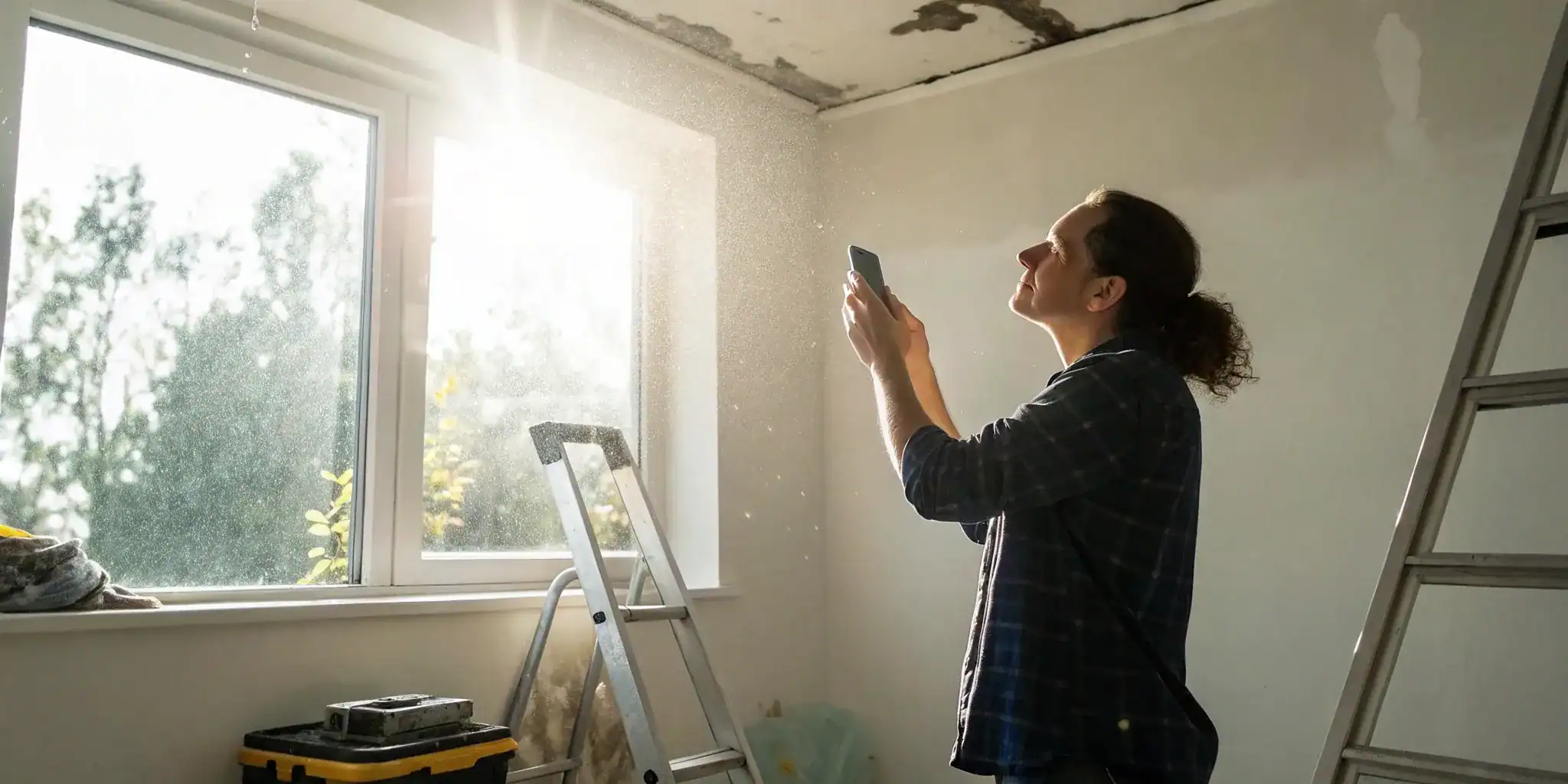
After a roof leak, your smartphone is your most important tool. The photos and videos you take create a powerful, visual story of the damage that words alone can’t capture. But simply snapping a few quick pictures of the water stain isn’t enough to build a strong claim. You need a strategy. This guide will teach you how to think like a claims professional and use your phone to create compelling evidence. You will learn exactly how to document a roof leak for insurance with detailed photos, video walkthroughs, and organized records, transforming your phone into your best advocate in the claims process.
Key Takeaways
- Act Fast to Ensure Safety and Minimize Damage: Your immediate response should focus on making the area safe, especially around electricity, and using temporary measures like buckets and tarps to prevent the problem from getting worse.
- Document Everything from Day One: Build a strong foundation for your claim by taking detailed photos and videos, keeping a written timeline of events, and saving all receipts for any related expenses.
- Be Your Own Best Advocate (or Hire One): Stay organized and communicate clearly with your insurer throughout the process. If you feel overwhelmed or the claim is complex, a public adjuster can step in to manage the negotiations for you.
Found a Roof Leak? Here’s What to Do First
Discovering a water stain on your ceiling or a puddle on your floor can be incredibly stressful. Your mind might immediately jump to the potential damage and the cost of repairs. Before you get overwhelmed, take a deep breath. The steps you take in the first few hours are critical for protecting your property and setting the stage for a successful insurance claim. Acting quickly and methodically can make a significant difference. Your immediate goals are to ensure everyone’s safety, minimize further damage to your home, and officially start the claims process. Think of this as your initial action plan to get the situation under control.
Keep Your Home and Family Safe
Before you do anything else, your first priority is safety. Water and electricity are a dangerous combination, so if the leak is near light fixtures, outlets, or your circuit breaker box, shut off the power to that area. Be careful of slippery floors and place towels down to prevent falls. A persistent roof leak can also weaken drywall, creating a risk of the ceiling collapsing. Move children and pets away from the affected area. Addressing these immediate hazards ensures that you can handle the property damage without putting your family at risk. Acting fast also helps prevent the growth of mold, which can cause health issues down the line.
Take Temporary Steps to Prevent More Damage
Once the area is safe, your next job is to control the water and protect your belongings. This is what insurance companies call “mitigating damages,” and it shows you’re taking responsible steps to prevent the problem from getting worse. Place buckets, pans, or plastic bins directly under the drips to catch the water. Move furniture, electronics, rugs, and any other valuables out of the way. For larger items you can’t move, cover them with plastic tarps or sheeting. If you can safely do so, you might consider covering the exterior source of the leak with a tarp, but never get on a roof during a storm or if you feel unsafe. Calling a professional roofer for a temporary patch is often the best course of action.
Make the First Call to Your Insurance Company
After you’ve managed the immediate crisis, it’s time to notify your insurance provider. Have your policy number handy and call their claims hotline. When you speak to a representative, stick to the facts: state your name, policy number, and when you discovered the leak. Avoid guessing about the cause or the full extent of the water damage. Simply report what you see. Speaking to a person directly helps ensure your claim is filed correctly and that there’s a record of your call. Before you hang up, make sure you get a claim number and ask about the next steps, like when you can expect to hear from an adjuster. This call officially starts the process.
What You Need to Document for Your Claim
When you file an insurance claim, your goal is to provide a clear, complete, and convincing story of what happened. Strong documentation is your best tool for this. Think of it as building a case for your claim—the more organized and detailed your evidence is, the smoother the process may be. Your insurance company needs to understand the full extent of the damage to approve the funds you need for repairs. Taking the time to gather the right information from the start can make a significant difference in the outcome of your claim.
Take Effective Photos and Videos
Visual evidence is incredibly powerful. Start by taking clear pictures and videos of the leak itself and all the resulting damage. This includes water stains on ceilings and walls, warped floorboards, damaged furniture, and any signs of wood rot or mold. Be sure to capture both close-up shots to show detail and wider shots to provide context for where the damage is located in your home. Good lighting is key, so open curtains or use a flashlight if needed. These images serve as undeniable proof of the damage your property has sustained, making it harder for your insurer to downplay the severity of the issue.
Create a Written Timeline of Events
A detailed timeline helps tell the story of your claim logically. Start a notebook or a digital document and write down everything you can remember. Note the date and time you first discovered the leak, any severe weather that may have caused it, and every interaction you have with your insurance company. Be sure to record important details like the names of people you speak with and any claim or reference numbers you’re given. This chronological record helps keep you organized and ensures you can provide consistent, accurate information to your adjuster throughout the process.
Collect Weather and Maintenance Records
Your insurance company will likely try to determine if the leak was caused by a sudden event, like a storm, or by gradual wear and tear. To support your claim, gather any records you have of past roof inspections, repairs, or maintenance. This shows you’ve been proactive in caring for your property. It’s also helpful to document any recent severe weather events in your area, like heavy rain or high winds, that correspond with when the leak started. This information can help demonstrate that the damage was caused by a covered peril rather than a pre-existing issue.
Get a Professional Assessment
An opinion from a qualified expert can add significant credibility to your claim. Consider getting a professional roof inspection from a trusted contractor or a public adjuster. They can provide a detailed report that identifies the source of the leak and the full scope of the damage, which may include issues you can’t see. This independent assessment gives your insurance company a clear, expert-backed explanation of what needs to be repaired and why, strengthening your position during negotiations. This is a key part of managing a water damage claim.
Organize All Estimates and Receipts
Keep a meticulous record of every dollar you spend related to the roof leak. This includes costs for temporary fixes like tarps, cleaning supplies, or even a hotel stay if your home is uninhabitable. Hold on to all receipts and invoices in a dedicated folder. You should also get detailed, itemized estimates from reputable contractors for the permanent repairs. Having all this financial documentation organized makes it easier to prove your losses and seek reimbursement for any out-of-pocket expenses you’ve incurred while protecting your property from further harm.
How to Capture Strong Visual Evidence
Your smartphone is one of the most powerful tools you have when filing an insurance claim. Clear, comprehensive photos and videos create an undeniable record of the damage. This visual proof helps tell the story of what happened to your property and is essential for building a strong case with your insurance company.
Document All Interior Damage
Start inside your home, where the damage is most visible. Take clear pictures and videos of the initial leak and any resulting issues. This includes water stains on ceilings and walls, bubbling paint, warped flooring, and any signs of mold. Be sure to get both wide-angle shots to show the location of the damage within the room and close-ups to capture the specific details. Documenting the full extent of the water damage is crucial for demonstrating the impact on your home and ensuring you account for every repair needed.
Photograph the Exterior and Roof
If you can do so safely, take photos of the exterior of your home, focusing on the roof. Capture images of missing or damaged shingles, problems with flashing around chimneys or vents, or any other visible entry point for the water. If you can’t safely get on the roof, take pictures from the ground looking up. An overall shot of the house can also provide helpful context. This external evidence helps connect the interior damage to a specific failure in your roof’s integrity, which is a key part of a successful roof damage insurance claim.
Use Multiple Angles and Good Lighting
To ensure your photos are as clear as possible, use good lighting. Open curtains to let in natural light and turn on all the lights in the room. Don’t be afraid to use your phone’s flash to illuminate darker corners. Photograph each area of damage from multiple angles—straight on, from the left, from the right, and from below if possible. A short video walkthrough, where you slowly pan across the damaged areas, can also be incredibly effective at showing the full scope of the problem to an adjuster who isn’t there to see it in person.
Remember to Time and Date Stamp Everything
A clear timeline is your best friend. While most digital cameras and smartphones automatically embed the date and time into the photo’s metadata, it’s a good practice to also keep a written log. For each photo or video, note the date, time, and a brief description of what it shows (e.g., “Monday, 9 AM: Water stain on living room ceiling, appears larger than yesterday”). This detailed record-keeping demonstrates diligence and helps prevent any disputes about when the damage occurred. It creates a professional and organized narrative for your claim.
Don’t Forget to Document Secondary Damage
A roof leak often causes a chain reaction of problems. The initial water intrusion can lead to secondary issues like wood rot, structural damage, or dangerous mold growth. It’s important to keep documenting the situation as it develops, especially if repairs are delayed. Take new photos every few days to show how the damage is spreading or worsening. This ongoing documentation proves that all the damage, even that which appeared later, is a direct result of the initial roof leak and should be included in your property damage claim.
How to File Your Insurance Claim
Once you’ve documented the roof leak and taken steps to prevent further issues, it’s time to officially file your claim. This process can feel intimidating, but breaking it down into manageable steps can make it much smoother. Being organized and proactive from the start is your best strategy for a fair and timely resolution. Think of this as presenting a clear, well-supported case to your insurance company. Your documentation is your evidence, and your communication is your argument. Let’s walk through how to handle each part of the process.
Review Your Policy Coverage
Before you even pick up the phone, take some time to read through your home insurance policy. Understanding your coverage is the foundation of your claim. Most policies are designed to cover sudden and accidental damage, like a leak caused by a storm or a fallen tree branch. However, they typically don’t cover damage that results from old age, wear and tear, or a lack of routine maintenance. Knowing what your policy says about roof damage will help you frame your claim correctly and manage your expectations from the beginning. This small step can save you a lot of confusion down the road.
Prepare Your Complete Documentation Package
Now is the time to gather all the evidence you’ve collected. Create a single, organized file—either physical or digital—that contains everything related to your claim. This package should include all the photos and videos of the damage, your written timeline of events, any weather reports, and maintenance records for your roof. Also, include copies of receipts for temporary repairs and any professional assessments or estimates you’ve received. Having a complete and organized package makes it easier to present your case and ensures you don’t forget any important details when speaking with your insurer.
Communicate Clearly with Insurance Representatives
When you’re ready to file, call your insurance company and ask to speak with a representative to open the claim. Talking to a real person can help prevent misunderstandings and ensures there’s an official record of your call. Throughout the process, aim to be polite and professional in all your communications, whether on the phone or in writing. It’s a good idea to keep a communication log where you note the date, time, and name of every person you speak with, along with a brief summary of the conversation. This record can be incredibly helpful if you need to reference past discussions later on.
Work with the Insurance Adjuster
After you file your claim, your insurance company will assign an adjuster to your case. Their job is to inspect the damage, investigate the cause, and report their findings back to the insurer. It’s important to be present when the adjuster visits your property. This allows you to walk them through the damage, share your photos and documentation, and answer any questions they may have. Remember, the adjuster is there to gather facts, not necessarily to approve or deny your claim on the spot. Your role is to provide them with all the information they need to see the full extent of the property damage.
Follow Up Consistently on Your Claim
The insurance claim process can sometimes take a while, so consistent follow-up is key. Don’t hesitate to check in with your insurance company or adjuster for updates on your claim’s status. A polite phone call or email every week or so can help keep your claim moving forward. Just as with your initial calls, be sure to document every follow-up communication in your log. This persistence shows the insurance company that you are serious about your claim and helps ensure it doesn’t get lost in the shuffle. Staying organized and proactive is your best tool for managing the process effectively.
Common Mistakes That Can Hurt Your Claim
Filing an insurance claim can feel like a high-stakes process, and even small missteps could complicate things. When you’re dealing with the stress of a roof leak, it’s easy to overlook a detail that might seem minor at the time but could impact your settlement later. Understanding these common pitfalls is the first step toward avoiding them. By being mindful of how you document, report, and communicate, you can present a much stronger case to your insurance company and keep the process moving forward smoothly. Let’s walk through some of the most frequent mistakes homeowners make so you can be prepared.
Not Taking Enough Photos or Videos
When it comes to visual evidence, you can never have too much. A common mistake is snapping just a few pictures of the most obvious damage and calling it a day. Your goal should be to create a comprehensive visual story of the leak and its effects. Take lots of clear photos and videos from various angles, capturing everything from the initial water stain on the ceiling to the damaged shingles on the roof. This documentation serves as undeniable proof of the extent of the damage, making it much harder for an insurer to downplay the severity of your loss.
Waiting Too Long to Report and Document
Time is not on your side after you discover a roof leak. Many insurance policies have specific timelines for reporting a claim, and waiting too long could give the insurer grounds for denial. Furthermore, delaying the reporting process can lead to more extensive issues, like mold growth or structural problems, which the insurance company might argue could have been prevented. As soon as it’s safe, document the initial damage and contact your insurance company to get the process started. This shows you’re being proactive and responsible.
Keeping Disorganized Records
A messy pile of receipts and notes can quickly become overwhelming and may lead to you forgetting crucial details. From the very beginning, keep all your documents and notes organized in one place, whether it’s a physical folder or a digital one. This includes your photos, repair receipts, communication logs with your insurer, and any professional assessments. Having everything in order not only reduces your stress but also ensures you can quickly provide any information your adjuster requests, which helps make the claim process much smoother.
Forgetting to Include Key Information
Details matter. When you describe the damage, be as specific and thorough as possible. Forgetting to mention that the leak also damaged the drywall, insulation, and an expensive rug could mean you don’t get compensated for those items. Create a detailed inventory of every single item that was damaged or destroyed, noting its age, original cost, and replacement value if possible. Being honest and clear when you describe the damage helps ensure your final settlement accurately reflects the full scope of your losses.
Providing Inaccurate Details
While it’s important to be thorough, it’s equally critical to be accurate. Providing incorrect dates, mixing up details, or guessing about the cause of the leak can create red flags for an insurance adjuster. These inaccuracies, even if they’re unintentional, can slow down your claim while the insurer investigates the discrepancies. In some cases, giving wrong or incomplete details could even cause your claim to be denied. Stick to the facts you know, and if you’re unsure about something, it’s better to say so than to provide information that could be proven false.
When to Get Professional Help with Your Claim
Filing an insurance claim can feel like a full-time job. Between documenting damage, filling out paperwork, and communicating with your insurance company, it’s easy to feel overwhelmed. While you can certainly handle the process on your own, there are times when calling in a professional is the best move for your peace of mind and your wallet. If your claim is complex, the damage is extensive, or the initial settlement offer seems too low, it may be time to get some expert help on your side. A professional can help you manage the details and work toward a fair outcome, letting you focus on getting your property—and your life—back in order.
How a Public Adjuster Can Help
Think of a public adjuster as your personal advocate in the claims process. While the insurance company’s adjuster works for them, a public adjuster works directly for you. They manage every aspect of your claim, from documenting the damage to negotiating with the insurer to ensure you receive a fair settlement. If you’re dealing with a significant loss or feel like your insurance company isn’t taking your claim seriously, a public adjuster can step in to level the playing field. At PA Joe, we handle the entire process and operate on a “no win, no fee” basis, meaning you have an expert advocating for you without any upfront cost.
The Role of a Roofing Expert
A detailed report from a qualified roofing contractor is one of the strongest pieces of evidence you can have. An expert inspection provides a professional assessment of the damage, its cause, and the necessary repairs, which can be critical in validating your claim with the insurance company. It’s also a good idea to get repair estimates from a few different reputable contractors. This gives you a clear understanding of the potential repair costs and serves as a valuable benchmark when you review the settlement offer from your insurer. This information helps ensure the amount you’re offered is enough to cover the actual cost of the work.
Know the Legal Requirements
Insurance policies are contracts, and they come with specific rules and deadlines you need to follow. Your policy will outline what types of damage are covered, your responsibilities after a loss, and the time limit you have for filing a claim. Missing a deadline could result in your claim being denied. These documents are often filled with complex language that can be difficult to understand. A professional can help you interpret your policy to ensure you meet all the requirements and submit everything correctly. This is especially important for claims involving extensive water damage, where policy limitations and exclusions can be tricky.
Steps to a Stronger Claim Settlement
Once you’ve gathered all your evidence, the next phase is presenting it effectively to your insurance company. How you manage this process, from the initial submission to the final negotiation, can significantly influence the outcome of your claim. A methodical and persistent approach can make all the difference in securing a fair settlement that covers your repairs. Think of it as telling a clear, fact-based story of what happened to your property, with every piece of documentation serving as a chapter that supports your case.
This final stage involves clear presentation, strategic negotiation, and consistent follow-up. It’s where your hard work in documenting the damage pays off. If you encounter resistance, remember that you have options and resources available to help you. Let’s walk through the key steps to help you finalize your claim successfully.
Present Your Documentation Clearly
When you submit your claim, your goal is to make it as easy as possible for the insurance company to understand the extent of the damage. Organize your photos, videos, receipts, and written timeline into a single, coherent package. Label your files clearly and present them in chronological order. Your written summary should explain what happened, when you discovered the leak, and the immediate steps you took. By presenting a well-documented case, you show that you are organized and serious, which can set a professional tone for the entire process. This level of detail is especially crucial for complex issues like extensive water damage.
How to Negotiate with the Adjuster
You should plan to be present when the insurance adjuster inspects your property. This is your opportunity to walk them through the damage and share the documentation you’ve prepared. Stick to the facts and let your evidence do the talking. It’s best to avoid guessing about the cause of the leak or the full scope of repairs needed; instead, refer to your professional assessments. If you feel overwhelmed by the process, remember that you don’t have to handle these negotiations alone. Having an expert advocate on your side can ensure your interests are fairly represented. The right partner can help you communicate effectively and confidently with the insurer.
The Importance of Effective Follow-Up
After you’ve filed your claim, don’t just wait by the phone. The insurance process can have delays, so consistent follow-up is essential. Keep a detailed log of every conversation you have with your insurance company, including the date, time, and the name of the person you spoke with. Send follow-up emails to confirm what was discussed in phone calls, creating a written record of your interactions. This persistence shows the insurer that you are actively managing your claim and expect it to be handled in a timely manner. This paper trail can also be incredibly valuable if any disputes arise later on.
What to Do If Your Claim is Disputed
It can be disheartening if your claim is denied or the settlement offer is too low to cover your costs. However, an initial decision is not always the final word. If you find yourself in this situation, you can challenge the insurance company’s assessment. This is often the point where getting professional help is most critical. A public adjuster can review your claim, the insurer’s response, and your policy to identify the best path forward. At PA Joe, we specialize in re-opening denied or underpaid claims and operate on a no win, no fee basis, so you don’t pay anything unless we secure a settlement for you.
Related Articles
- When Is a Roof Leak Covered by Homeowners Insurance? – Public Adjuster
- Why Would a Water Damage Claim Be Denied? Your Next Steps – Public Adjuster
Frequently Asked Questions
What if my insurance company says the leak was caused by “wear and tear”? This is a common reason insurers use to deny claims, as most policies don’t cover damage from a lack of maintenance. This is why documenting a specific event, like a recent storm with high winds or heavy rain, can be so helpful. Your maintenance records, showing that you’ve cared for your roof over the years, also become very important. If you believe the damage was sudden and accidental, you can present your evidence and challenge their assessment.
Can I start permanent repairs before my claim is approved? It’s best to hold off on any permanent repairs until after the insurance adjuster has inspected the damage. Your insurer needs to see the full extent of the problem firsthand to properly assess your claim. Go ahead with temporary measures to prevent more damage, like putting a tarp on the roof or catching water in buckets, and be sure to keep all your receipts for those expenses. Starting major repairs too soon could give the insurance company a reason to underpay or deny your claim.
What’s the real difference between the insurance company’s adjuster and a public adjuster? The main difference is who they work for. The adjuster sent by your insurance company is an employee or contractor of that company, and their primary responsibility is to the insurer’s financial interests. A public adjuster, on the other hand, is someone you hire to work exclusively for you. Their job is to represent your best interests by managing your claim and negotiating with the insurance company to help you secure a fair settlement.
Do I have to use the repair company my insurer suggests? You typically have the right to choose your own contractor for repairs. While your insurance company may provide a list of “preferred” vendors, you are not obligated to use them. It’s a good practice to get detailed, itemized estimates from a few different reputable and licensed contractors that you trust. This helps you understand the true cost of the repairs and gives you a strong basis for negotiating a fair settlement amount.
What should I do if the settlement offer isn’t enough to cover the repairs? An initial offer is not always the final word. If the amount seems too low, don’t feel pressured to accept it right away. You can respond by providing the detailed estimates you’ve gathered from your own contractors to show why a higher amount is needed. This is a critical point in the process where having a professional advocate, like a public adjuster, can make a significant difference by handling the negotiations for you.