 Proudly Serving the Entire State of Florida

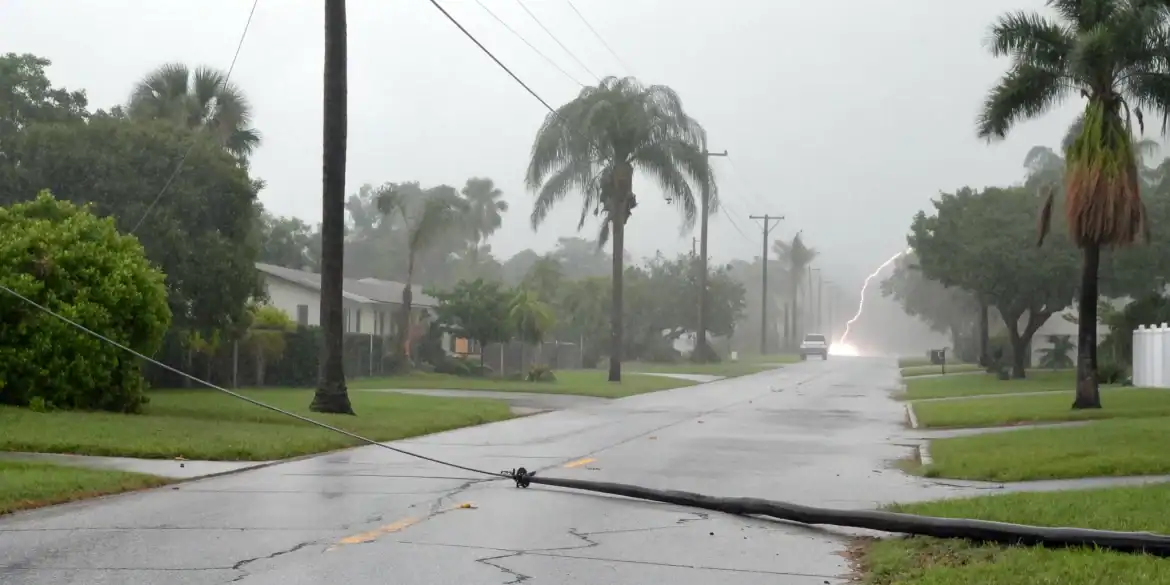
It’s a scenario no one wants to face: you’re in your car, and a power line suddenly falls across the hood. Your immediate instinct might be to jump out and run for safety, but that could be the most dangerous move you make. In this terrifying situation, your vehicle can actually be a shield, but only if you know the correct protocol. Staying calm and following a specific set of rules is crucial. This guide will explain exactly what to do if a downed power line falls on your car, how to exit safely if you absolutely must, and how to keep everyone safe until help arrives.
Key Takeaways
- Assume Every Fallen Line is Dangerous: You can’t tell if a power line is live just by looking at it. For your safety, treat any downed wire as a serious hazard by staying at least 100 feet away from the line and anything it might be touching.
- Follow the Three-Step Safety Rule: Once you’re a safe distance away, your next moves are simple: call 911 immediately to report the exact location, then do your part by warning others to stay clear until help arrives.
- Know What to Do if a Line Falls on Your Car: Your vehicle is typically the safest place to be, so stay inside and wait for professionals. Only exit if there’s a fire, and if you must, jump clear with both feet together and shuffle away.
What Are Downed Power Lines and What Causes Them?
A downed power line is more than an inconvenience; it’s a serious hazard. These lines can fall for many reasons, from the force of a hurricane to a simple traffic accident, and understanding the causes can help you stay aware of potential dangers. While they might look harmless, fallen lines often carry a powerful electric current that can cause severe injury or death. Knowing the common culprits is the first step in keeping your family safe.
What Is a Downed Power Line?
A downed power line is an electrical cable that has detached from its utility pole and is on the ground or hanging low. The most critical thing to remember is that these lines are incredibly hazardous because they may still be energized. You can’t tell if a line is live just by looking at it—it won’t always spark or buzz to warn you. This is why you should treat any fallen wire as a life-threatening danger. The electricity can travel through the ground, creating a wide, invisible danger zone.
Why Do Power Lines Fall?
Power lines can fall for several reasons, often involving environmental factors or external forces. One of the most frequent causes is interference from trees. Overgrown or weakened branches can break and land on lines, and entire trees can be uprooted during a storm, bringing wires down with them. Beyond nature, equipment failure due to age, corrosion, or damage can also cause lines to snap. Since the cause isn’t always obvious, caution is the best approach around any fallen line.
How Weather Can Cause Outages
In Florida, severe weather is a primary cause of downed power lines. High winds from hurricanes and tropical storms can snap utility poles or tear lines from their connections. Heavy rain can saturate the ground, making it easier for trees to fall onto wires. Even lightning strikes can damage poles and equipment, causing lines to fall. These weather-related outages are common, so it’s crucial to be vigilant during and after any storm. Always survey your property for hazards once it’s safe to go outside.
Accidents and Other Common Causes
Weather isn’t the only thing that can bring down a power line. Everyday accidents are also a common cause. For example, vehicle collisions with utility poles can easily knock lines to the ground. Construction and landscaping projects can also lead to accidents if heavy equipment comes into contact with overhead wires. Even animals can sometimes interfere with electrical equipment, causing damage that results in a fallen line. These incidents show that a downed power line can appear at any time.
What to Do If You See a Downed Power Line
Seeing a downed power line can be alarming, but your immediate actions are what matter most for keeping yourself and others safe. The situation is serious, but a clear head and a few simple rules can prevent a tragedy. The most critical thing to remember is to treat every fallen line as if it’s live and dangerous. Don’t try to assess the situation yourself or assume it’s safe because it isn’t sparking or buzzing. Your priority is to create distance, call for help, and warn others. Following these steps methodically ensures that the professionals can handle the hazard while everyone in the vicinity remains out of harm’s way.
Your First Steps for Staying Safe
The single most important rule is to always assume a downed power line is energized and extremely dangerous. You can’t tell if a line is live just by looking at it, so never approach one. Electricity can travel through the ground, especially if it’s wet, creating a hazard zone that isn’t visible. Your first instinct should be to stop, stay where you are, and carefully assess how to move away from the line without getting any closer. Never attempt to touch or move the line with any object, like a stick or a branch. Always treat the situation as if the line is active and carrying electricity.
Keep a Safe Distance (At Least 100 Feet)
Once you spot a downed line, your next move is to create a safe perimeter. You should stay at least 100 feet away from the line itself and anything it might be touching, such as a metal fence, a tree, or even a puddle of water. To put that in perspective, 100 feet is about the length of two school buses. If you find yourself closer than that, you’ll need to shuffle away with your feet together and on the ground to reduce the risk of electric shock. This “shuffle step” helps prevent a strong electrical current from traveling through your body.
Call for Help Immediately
As soon as you are a safe distance away, your next step is to report the hazard. Call 911 immediately to alert emergency services. When you call, provide the exact location of the downed power line, including cross streets or landmarks, so crews can find it quickly. The 911 operator will dispatch the fire department and notify the local utility company to de-energize the line and make the necessary repairs. Do not assume someone else has already called it in. Making that call yourself ensures that help is on the way.
Alert Others to the Danger
After calling 911, your job is to help keep the area clear until help arrives. From a safe distance, warn anyone who may be walking or driving toward the downed line. Yell to get their attention and tell them to stay back. Don’t try to be a hero by setting up a physical barricade yourself, as this could put you back in the danger zone. Your voice is your best tool for preventing others from accidentally getting too close. Keeping onlookers away helps first responders do their job safely and efficiently when they get to the scene.
Common Safety Myths to Ignore
There are many common misconceptions about downed power lines that can be deadly. One myth is that a line is safe if it isn’t sparking or making noise—this is false. Another is that rubber-soled shoes or car tires offer complete protection, which they do not. After a storm, downed lines can be hidden under tree branches, debris, or in standing water, making them even more treacherous. It’s crucial to ignore these myths and stick to the facts: every downed line is a potential killer until a professional from the utility company confirms it is de-energized and safe.
Why You Should Always Assume a Downed Line Is Live
It’s easy to think a power line is harmless if it’s not sparking or buzzing, but that’s a dangerous mistake. A downed power line can look like a simple, thick cable lying on the ground, showing no signs of the powerful current it might be carrying. The truth is, the most serious dangers are often the ones you can’t see. For your safety and the safety of those around you, the only rule to follow is to treat every downed power line as if it is live and energized. This simple assumption is your best defense against a potentially fatal accident.
Understanding the Invisible Dangers
A live power line won’t always give you a warning. It can be completely silent and still, yet carry thousands of volts of electricity. The dramatic sparks and sounds you see in movies are not always reality. The dangers of electricity are often invisible, making it impossible to judge the situation with your eyes or ears. Because you can’t see the electricity, you have to assume it’s there. This is why utility professionals urge everyone to stay far away from any fallen line until they have officially declared the area safe.
Why You Can’t Trust Your Eyes
You can’t tell if a power line is live just by looking at it. A line that has been on the ground for hours could suddenly become re-energized as utility crews work to restore power remotely. What looks like a dead wire can become a lethal hazard in an instant, without any warning. This is a critical piece of power line safety information. Never assume a line is safe because it looks old, damaged, or has been down for a while. Your eyes are not reliable tools for assessing this type of electrical risk.
How to Move Safely Near a Downed Line
If you find yourself near a downed line, do not panic or run. The key is to move away carefully. You should shuffle away with small steps, keeping both of your feet close together and on the ground at all times. This shuffling motion helps prevent the ground’s electrical current from traveling up one leg and down the other, which could cause a severe shock. Do not take large steps, and don’t let your heels pass your toes. Continue to shuffle until you are at least 100 feet away—roughly the length of two school buses.
The Danger of Contact
Seeing someone who is in contact with a power line can be a terrifying experience, and your first instinct may be to rush in and help. You must resist this urge. If you touch the person, the electrical current will pass through them directly to you, and you could become a victim as well. The only safe and helpful action you can take is to call 911 for help immediately. Keep others away from the area and wait for trained emergency personnel to arrive. They have the equipment and knowledge to handle the situation safely.
Why Water and Electricity Don’t Mix
Here in Florida, storms often leave behind puddles and flooded areas, which create an additional layer of danger around downed power lines. Water is an excellent conductor of electricity. Any standing water, or even just wet ground, near a fallen line can become energized. Never step in or touch water near a downed line. The electricity can spread through the water, creating a wide, invisible hazard zone. Always treat puddles and wet grass near a fallen line with the same caution you would the line itself.
What to Do If a Power Line Falls on Your Car
It’s a terrifying scenario: you’re in your car, and a power line comes crashing down on top of it. Your first instinct might be to get out and run, but that’s often the most dangerous thing you can do. The metal body of your car can conduct electricity, but the rubber tires act as insulators, creating a protective bubble around you. Knowing the right steps to take in this situation can make all the difference. The key is to stay calm and follow a few critical safety rules until help arrives.
Stay in Your Vehicle (It’s the Safest Place)
Your car is the safest place to be if a power line falls on it. The electricity will travel through the metal frame of the vehicle and into the ground, leaving you unharmed as long as you stay inside. Don’t touch any metal parts of the car’s interior. If you can, try to safely drive the car away from the line. If you can’t move the vehicle, your best course of action is to stay put. Wait inside until emergency responders or utility workers arrive and tell you it’s safe to get out. FirstEnergy offers clear downed power line safety guidelines that emphasize this point: stay inside until the professionals give you the all-clear.
When You Absolutely Must Exit
There is one major exception to the “stay in your car” rule: fire. If the vehicle catches fire or you believe your life is in immediate danger for another reason, you may need to exit. This is the only time you should attempt to leave the car while it’s in contact with a live wire. The most critical part of this process is to avoid touching the car and the ground at the same time. Doing so would create a path for the electricity to travel through your body, which could be fatal. This is a last-resort measure when staying put is no longer the safer option.
How to Exit Your Car Safely
If you must leave your car, you have to do it in a very specific way to stay safe. Open the door without touching the metal frame. Stand on the inside of the door frame, put your feet together, and jump as far away from the car as you can. Make sure you land with both feet together. It is absolutely essential that no part of your body touches the car and the ground simultaneously. Once you’ve landed, do not run. Instead, shuffle or hop away with your feet touching each other until you are at least 100 feet away. This technique, recommended by electrical safety experts, prevents an electrical current from traveling up one leg and down the other.
Keep Onlookers Away
Once you are safely away from the vehicle, your next job is to keep others safe. People may not realize the danger and could try to approach the car to help. Yell for them to stay back and warn them about the live power line. Tell anyone who gets close to stay at least 100 feet away from the scene. As soon as you are in a safe location, call 911 to report the downed line and your situation. Emergency services need to be dispatched immediately to handle the hazard and secure the area, preventing further accidents or injuries.
Where to Find More Safety Information
Situations involving downed power lines are complex, and the more you know, the better prepared you can be. Organizations like the Electrical Safety Foundation International (ESFI) are dedicated to promoting electrical safety and provide extensive resources for the public. You can find more detailed guides, videos, and infographics on their website that cover a wide range of scenarios. Taking a few minutes to review their information on downed power lines can help you and your family know exactly what to do in an emergency, whether you’re at home, at work, or on the road.
Related Articles
- Electrical Fire Insurance Claim: A Simple Guide – Public Adjuster
- Does Homeowners Insurance Cover Water Line Replacement? – Public Adjuster
Frequently Asked Questions
Why is it so important to stay 100 feet away from a downed power line? The 100-foot rule is a critical safety guideline because electricity from a downed line can travel through the ground, creating a large, invisible danger zone. This is especially true in wet conditions. Staying that far back—about the length of two school buses—helps ensure you are well outside the area where this ground current could cause a severe or fatal electric shock. It’s a simple buffer that accounts for dangers you cannot see.
What should I do if my pet gets close to a downed power line? It’s a terrifying thought, but you must resist the instinct to run after them. If you get close, you put both of your lives at risk. The safest and most helpful thing you can do is stay back and immediately call 911. Report the situation and the location of the line. Do not try to rescue the animal yourself, as the electrical current could pass through them to you.
A power line fell in my yard. Can I start cleaning up other storm debris while I wait for help? You should not begin any cleanup work, even if it seems far from the wire itself. The entire area around a downed line could be energized, including metal fences, puddles of water, and even tree branches or other debris. It’s best to stay inside or move to a safe location far from your yard until utility professionals have arrived and confirmed the power is off and the scene is secure.
How will I know when the area around a downed power line is actually safe? You will only know it’s safe when a representative from the utility company or an emergency first responder at the scene tells you directly. You can’t rely on your own judgment, as a line can become re-energized at any moment without warning. Never assume an area is safe until you get an official all-clear from the professionals handling the situation.
What if a power line on my property looks damaged but hasn’t fallen? If you notice a power line that is frayed, sagging, or otherwise looks like it might be a hazard, don’t go near it to inspect it yourself. Instead, call the non-emergency number for your local utility company. They can send a crew to assess the situation professionally. Reporting a potential problem is a great proactive step to prevent a more dangerous situation from occurring.