 Proudly Serving the Entire State of Florida

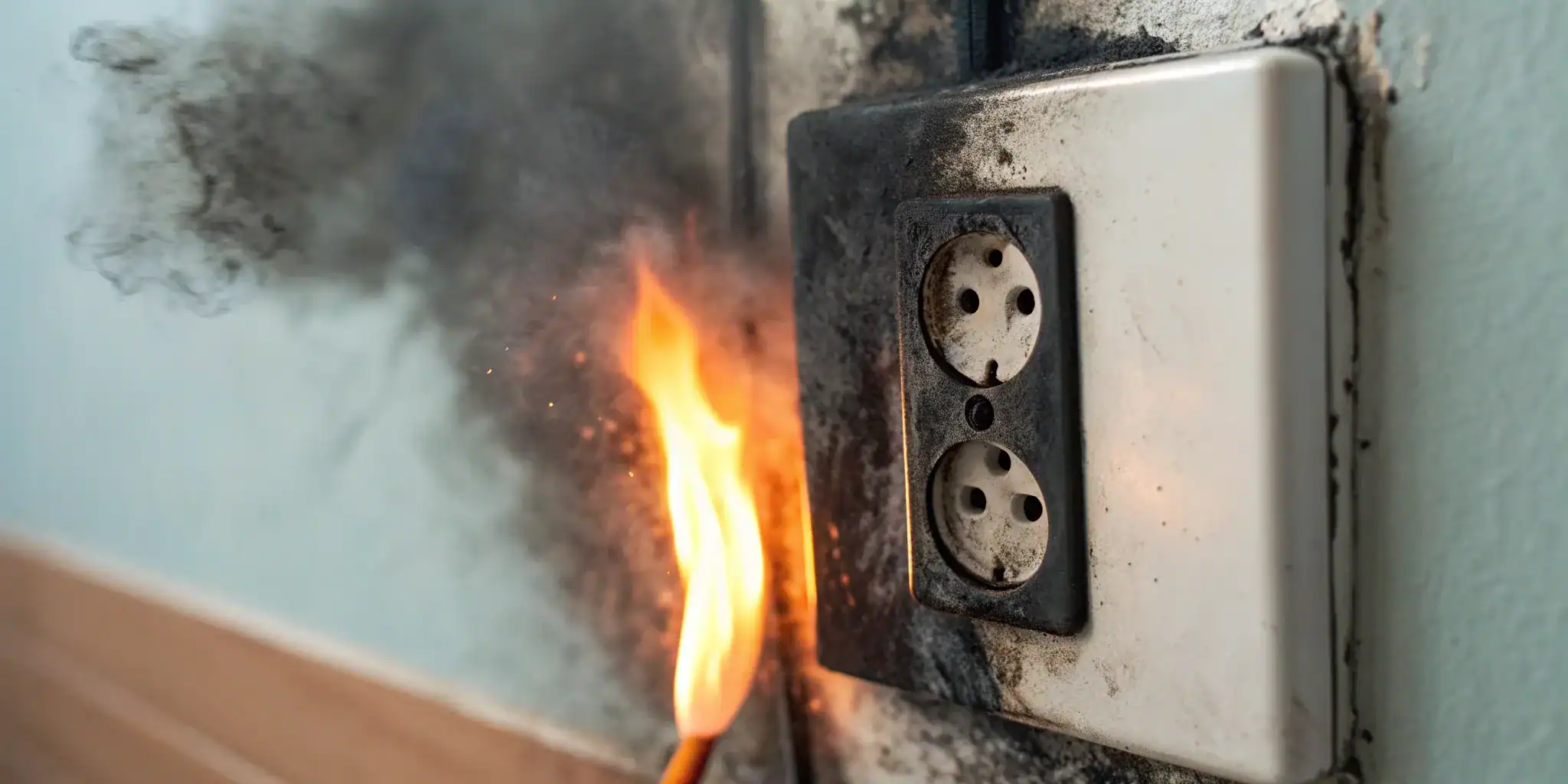
When you faithfully pay your insurance premiums, you expect your provider to be there for you after a disaster. However, it’s important to remember that insurance companies are businesses, and their adjusters are trained to protect the company’s financial interests. This reality can make the process of filing an electrical fire insurance claim feel like an uphill battle from the very start. You might face frustrating delays, lowball settlement offers, or confusing requests for information. This guide will help you understand the process from an insider’s perspective, giving you the tools and knowledge to advocate for yourself and secure the full settlement you are rightfully owed.
Key Takeaways
- Keep your home and paperwork in order: Simple electrical maintenance and a detailed home inventory can significantly reduce fire risks and provide the proof you may need for a smoother claims process.
- Focus on safety, then evidence: In the immediate aftermath of a fire, get everyone out safely before doing anything else. Once cleared by authorities, use your phone to capture extensive photos and videos of the damage before touching a thing.
- Know when to call for professional support: If your claim is complex or you receive a low settlement offer, a public adjuster can manage the process for you, handling the documentation and negotiations to help you secure a fair settlement.
What Does Your Policy Cover for an Electrical Fire?
After the shock of a fire, the last thing you want is a surprise from your insurance policy. Understanding what your policy covers before you need it can make a world of difference. Most standard homeowner’s policies do provide coverage for electrical fires, but the details are in the fine print. Knowing what to look for can help you feel more prepared and in control during a stressful time. Let’s walk through what typically qualifies, what’s covered, and what common exceptions you should be aware of.
What qualifies as an electrical fire?
An electrical fire is defined by its origin—it starts from an electrical fault, a malfunctioning appliance, or faulty wiring. Think of a frayed cord, an overloaded power strip, or a bad circuit breaker. After a fire, investigators will work to determine the cause to confirm it wasn’t intentional. As long as the fire was accidental, it generally falls under the coverage of a standard policy, even if it was caused by an old appliance or a simple mistake.
Know the common causes and warning signs
Knowing the common hazards can help you prevent a fire. Frequent causes include old wiring, overloaded circuits, and faulty appliances. You might notice warning signs like flickering lights, a faint burning smell, circuit breakers that trip often, or outlets that feel warm. These are signals that your electrical system needs attention. Addressing these issues promptly not only keeps your home safer but also shows you’re a responsible homeowner, which can be helpful if you ever need to file a claim.
What your standard policy may cover
If an accidental electrical fire damages your home, your policy will likely help. Coverage typically includes repairing or rebuilding your home’s structure and replacing damaged personal belongings like furniture and electronics. If the damage forces you to move out during repairs, your policy may also cover additional living expenses, like a hotel or rental. It’s always a good idea to check your specific policy to understand your exact coverage limits and deductibles.
Watch out for important policy exclusions
While most accidental fires are covered, every policy has exclusions. These are specific situations where the insurer won’t pay. Fires set intentionally (arson) are never covered. Damage from war or a nuclear hazard is also a standard exclusion. It’s also possible a claim could be denied due to gross negligence, like ignoring a known, serious electrical problem for years. Reading your policy’s exclusions section is crucial for understanding the boundaries of your coverage and your responsibilities as a homeowner.
Common myths about electrical fire coverage
A common worry is that if a fire is your fault, it won’t be covered. For instance, if you accidentally overloaded a circuit or a DIY wiring project went wrong, you might assume you’re out of luck. However, most standard policies cover damages from accidental fires, even if caused by a personal mistake. Insurance is designed to protect you from accidents. As long as you didn’t intentionally set the fire, your policy will likely provide coverage. Being honest with your insurer about what happened is always the best approach.
Prepare Your Home and Your Paperwork
Being proactive is one of the best things you can do for your home and your peace of mind. When it comes to electrical fire claims, the steps you take before an incident can significantly impact the outcome. Insurance companies look at the context of a claim, and having your ducks in a row shows you’ve been a responsible property owner. It’s not just about preventing disaster; it’s about putting yourself in the strongest possible position if you ever need to file a claim. Taking some time to organize your home’s safety measures and documentation can make a world of difference during a stressful claims process.
Keep up with electrical maintenance
One of the first things an insurance company may investigate is whether the fire was caused by negligence. If they find that known electrical issues were ignored, it could complicate your claim. Staying on top of electrical maintenance is crucial. This means addressing flickering lights, frequently tripped breakers, or outlets that feel warm to the touch without delay. Keeping a log of repairs and maintenance shows you’re actively caring for your property. This simple record-keeping can be invaluable, demonstrating that you took reasonable steps to prevent electrical problems and that the fire was an unforeseen accident, not a result of neglect.
Install key safety devices
Modern technology offers some fantastic tools for protecting your home. Beyond standard smoke detectors, consider installing arc-fault circuit interrupters (AFCIs), which are designed to detect dangerous electrical arcs and shut off power before a fire can start. Some insurance providers even offer discounts or programs for homeowners who use smart sensors that monitor a home’s electrical system for potential fire risks. These devices can detect hidden hazards behind walls or in appliances, giving you an early warning. Installing these safety features not only helps prevent a tragedy but also signals to your insurer that you are a proactive and low-risk policyholder.
Schedule professional inspections
It’s easy to forget about the complex web of wires running through our walls, but your home’s electrical system needs a check-up just like anything else. It’s a good practice to have a licensed electrician inspect your home’s wiring, outlets, and electrical panel periodically, perhaps every 10 years or so, especially in an older home. Regular professional electrical inspections can catch deteriorating wiring or overloaded circuits before they become serious fire hazards. Keep the reports from these inspections with your other important documents. They serve as proof that you’ve done your due diligence in maintaining a safe electrical system.
Create a detailed home inventory
If a fire does occur, you’ll need to provide a list of everything that was damaged or destroyed. Trying to remember every single item you own from memory, especially after a traumatic event, is nearly impossible. That’s why creating a home inventory beforehand is so important. Walk through your home and record your belongings using photos or video. Open drawers and closets. Don’t forget about the garage, attic, or storage sheds. For more expensive items like electronics and furniture, note the brand, model number, and purchase date if you can. This documentation provides a clear and comprehensive record that will streamline your claim and help ensure you get a fair settlement.
Keep your important records safe
Your home inventory, maintenance logs, inspection reports, and receipts for major purchases are all vital documents for an insurance claim. However, they won’t do you any good if they’re destroyed in the fire. Store physical copies in a fireproof safe or a safe deposit box. Even better, create digital copies of everything and save them to a secure cloud storage service. This ensures you can access your records from anywhere, even if your computer and physical papers are gone. Having easy access to proof of ownership and records of your home’s upkeep can make the claims process smoother and less stressful.
What to Do Immediately After an Electrical Fire
Experiencing a fire in your home or business is incredibly stressful, and it’s easy to feel overwhelmed. In the moments that follow, knowing what steps to take can make a significant difference for both your safety and your future insurance claim. Your immediate actions set the foundation for a smoother recovery process. Focus on these key priorities to protect yourself, your family, and your property. Remember to take things one step at a time—you don’t have to figure everything out at once.
Prioritize your safety first
Before you think about your property or belongings, your number one priority is the well-being of everyone inside. If an electrical fire starts, get everyone out of the building immediately. Don’t stop to gather personal items. Once you are a safe distance away, stay out. It’s important to remember that even if you believe the fire is out, it could still be smoldering inside the walls or attic, ready to reignite. Never re-enter the building until the fire department has officially declared it safe to do so. Your safety is irreplaceable.
Document everything you can
Once the immediate danger has passed and authorities have given you the okay, it’s time to start documenting the damage. This step is crucial for your insurance claim. Use your smartphone to take as many photos and videos as you can. Capture the damage from different angles and distances, getting both wide shots of rooms and close-ups of specific items. Document the source of the fire if it’s visible, as well as any smoke, soot, or structural damage throughout the property. This visual evidence will become an essential part of your insurance claim.
Call for emergency help
As soon as you are safely outside, call 911. Do this even for a small fire that you think you’ve extinguished yourself. The fire department needs to inspect the scene to ensure there are no hidden dangers and that the fire is completely out. When you call, clearly state your address and explain that you have an electrical fire. Emergency responders are trained to handle these situations and can prevent the fire from spreading further. They will also create an official report, which will be a key document for your insurance claim later on.
Notify your insurance company
After ensuring everyone is safe and the emergency services have been contacted, your next call should be to your insurance agent or company. The sooner you report the fire, the sooner you can begin the claims process. When you call, have your policy number handy if possible, but don’t worry if you can’t find it right away. Provide a clear and honest account of what happened. The insurance company will assign an adjuster to your case and walk you through the next steps. This is the official start of your journey to getting your property restored, and having a team like PA Joe on your side can help you manage the process.
Secure your property from further damage
Your insurance policy likely requires you to take reasonable steps to prevent further damage to your property after a loss. This is often called “mitigating damages.” This could involve boarding up broken windows, placing a tarp over a damaged roof, or turning off the water if pipes have burst. Additionally, the water used to extinguish the fire can often lead to significant water damage. Be sure to keep all receipts for any materials you buy or services you hire for these temporary repairs, as they may be reimbursable under your policy.
How to File Your Electrical Fire Claim
Filing an insurance claim after an electrical fire can feel like a monumental task, especially when you’re already coping with the emotional and financial stress of the event. The key is to break the process down into clear, manageable steps. Think of it as building a strong case for your recovery—each document, photo, and conversation adds another layer of support for your claim. By staying organized and proactive, you can approach the process with more confidence and work toward securing the fair settlement you need to rebuild. This is your opportunity to take control of the situation and ensure your needs are met.
Gather the right documents and forms
The first step is to get your paperwork in order. Your insurance company will ask you to complete a “Proof of Loss” form, which is your official statement detailing the damages and the amount you’re claiming. Be as thorough as you can. You should also collect any receipts for immediate, out-of-pocket expenses, such as hotel stays, meals, or replacement clothing. This is also where your detailed home inventory becomes essential for proving the value of your lost or damaged personal property. Keeping all these documents together in a dedicated folder will help you stay organized and make the process feel much less overwhelming.
Take photos and videos of the damage
Once you get the all-clear from the fire department, your smartphone becomes one of your most important tools. It’s crucial to document the damage with plenty of photos and videos before any cleanup begins. Don’t just take wide shots of each room; get close-ups of charred appliances, soot-stained walls, and damaged personal belongings. Capture everything from multiple angles to show the full extent of the loss. When you record videos, narrate what you’re filming to provide context and point out details that might not be obvious. This visual evidence is powerful proof that will be difficult for your insurer to dispute.
Communicate with the insurance adjuster
Your insurance provider will assign an adjuster to inspect your property and evaluate your claim. Make every effort to be present during their inspection. This allows you to point out damage they might otherwise miss and answer their questions on the spot. Take notes during your conversations and ask for clarification on anything you don’t understand. Keep in mind that the adjuster is employed by the insurance company. Having a professional advocate, like a public adjuster, ensures that your best interests are represented throughout the entire process, especially during these critical early interactions.
Get professional inspection reports
While the insurance company’s adjuster will create their own report, getting an independent assessment can significantly strengthen your claim. Consider hiring your own licensed professionals, such as an electrician or a fire damage restoration specialist, to provide a separate evaluation. Their detailed reports and repair estimates can offer a more realistic picture of what it will actually cost to restore your property. This third-party documentation is incredibly valuable, particularly if there’s a disagreement over the scope of the damage or if the initial settlement offer seems too low. It provides credible evidence to support your claim.
Review your settlement offer carefully
When you finally receive a settlement offer, take your time to review it thoroughly. It can be tempting to accept the first offer just to get the process over with, but insurance companies may sometimes underpay claims. Go through the document line by line, comparing it to your home inventory, photos, and the estimates from your independent contractors. Does the offer account for all your losses? Is the amount sufficient to cover quality repairs and replacements? If it seems inadequate, you have the right to question it and negotiate for a fairer amount.
Handling Common Claim Challenges
Filing an insurance claim after an electrical fire can feel like a full-time job, and unfortunately, it isn’t always a straightforward process. You might face delays, disagreements over the cost of damages, or even an outright denial. Knowing what challenges could come up helps you prepare for them and advocate for the fair settlement you deserve. It’s about understanding the insurance company’s perspective while firmly standing up for your own.
Navigating these hurdles requires patience, organization, and a clear understanding of your policy. From the moment you file, every piece of information you provide and every conversation you have can influence the outcome. Let’s walk through some of the most common obstacles property owners face and discuss actionable steps you can take to handle them effectively. Remember, a challenge doesn’t have to be a dead end.
Why claims get denied
It’s disheartening to receive a claim denial, but it’s important to understand why it might happen. Insurance companies may deny a claim for several reasons, such as suspecting arson, discovering the specific cause of the fire isn’t covered by your policy, or finding that the property was in poor condition before the incident. They might also deny a claim if you miss deadlines or fail to provide requested information. Sometimes, the denial is simply due to a disagreement over the value of the damage. Understanding these potential pitfalls can help you build a stronger, more thorough claim from the start and know what to look for if you receive a denial letter.
Stay in compliance with your policy
Your insurance policy is a contract, and it includes responsibilities for you as the property owner. One of the most critical is property maintenance. For example, if an insurance company can prove that you knew about faulty wiring but didn’t fix it, they might argue negligence and reduce or deny your claim. Staying in compliance means keeping up with regular maintenance and addressing known issues promptly. This not only helps prevent disasters but also protects your ability to file a successful claim if one occurs. Keeping detailed records of repairs and inspections provides powerful evidence that you’ve upheld your end of the policy agreement.
Tips for negotiating your claim
After the insurance adjuster assesses the damage, they will present you with a settlement offer. This offer is often a starting point for negotiations, not the final word. If the amount seems too low to cover your repairs, don’t be afraid to counter. The key to a successful negotiation is having solid evidence. Provide your own detailed estimates from trusted contractors, your complete home inventory list, and all the photo and video documentation you gathered. Keep communication professional and in writing whenever possible. If the process feels overwhelming, remember that there are professionals who can advocate on your behalf.
What to do if you disagree
If your insurance company denies your claim or you disagree with their assessment, you have the right to challenge their decision. Your first step should be to request a formal, written explanation for the denial. This document will detail the specific reasons and policy provisions they are citing, which is crucial information for your appeal. Carefully review their reasoning against your own documentation and policy details. Often, a disagreement can be resolved by providing additional evidence or clarifying information. A denial isn’t always the end of the road; it’s an opportunity to present your case more clearly.
Know when to ask for help
While you can manage a claim on your own, there are times when bringing in a professional is the best move. If your claim is particularly complex, if the damages are extensive, or if the insurance company is delaying the process or offering a low settlement, it may be time to get help. A public adjuster works for you, not the insurance company, to manage the entire claims process. They handle the paperwork, negotiations, and communication, aiming to secure the maximum settlement you’re entitled to. If you feel stuck or overwhelmed, consulting with an expert at PA Joe can provide clarity and support.
How to Prevent Future Electrical Fires
After the stress of filing an insurance claim, the last thing you want is to go through it all again. Taking proactive steps to prevent another electrical fire not only protects your property but also gives you invaluable peace of mind. Prevention is about creating layers of safety through regular maintenance, smart habits, and staying informed. By focusing on your home’s electrical system, you can significantly reduce the risk of future incidents.
Making a few key changes and scheduling regular check-ups can make all the difference. It’s about being mindful of how you use electricity daily and ensuring your home’s wiring and components are up to the task. These preventative measures can also be crucial in demonstrating responsible homeownership to your insurance provider, which can be helpful down the line. Let’s walk through some practical steps you can take to safeguard your home and family from the threat of an electrical fire.
Maintain your electrical system
One of the most important things you can do is address electrical issues as soon as they appear. Don’t ignore flickering lights, buzzing outlets, or circuit breakers that trip frequently. These are often warning signs of a deeper problem. Insurance companies may reduce or even deny a claim if they find that a fire was caused by a known electrical issue that was neglected. Taking care of these problems promptly shows you’re a responsible property owner. Think of it as essential home healthcare—a small fix today could prevent a catastrophic failure tomorrow. We’ve seen firsthand how proper maintenance records can strengthen a client’s position during a claim.
Simple ways to reduce your risk
Everyday habits play a huge role in electrical safety. Avoid overloading outlets or extension cords with too many high-power devices. Unplug small appliances like toasters and coffee makers when you’re not using them. It’s also a good idea to check your cords regularly for any signs of fraying or damage and replace them if needed. Following basic electrical safety rules is a simple yet effective way to lower your risk. Having your appliances and electrical systems checked and maintained regularly by a professional adds another layer of protection, ensuring everything is in safe, working order.
Consider making safety upgrades
Modern technology offers some excellent tools for fire prevention. Consider installing Arc-Fault Circuit Interrupters (AFCIs), which are designed to detect dangerous electrical arcs and shut off power before a fire can start. Ground-Fault Circuit Interrupters (GFCIs) are also essential for areas with water, like kitchens and bathrooms, to prevent shock. Some insurance companies even offer discounts or programs for homeowners who install smart sensors that monitor a home’s electrical system for potential fire hazards. These upgrades are an investment in your property’s safety and can provide an early warning of hidden dangers.
Review your insurance policy annually
Your insurance policy is a contract, and its terms can change. It’s a smart practice to review your policy once a year to understand exactly what it covers. Coverage for electrical fires is standard in most homeowner policies, but the specifics can vary. Look for any exclusions or limitations related to older wiring, lack of maintenance, or specific types of electrical events. If you’ve done any major renovations or upgrades, you’ll also want to make sure your coverage limits are still adequate. Understanding your policy before you need it helps you confirm you have the right protection for your home.
Perform regular safety checks
Beyond your own daily observations, it’s wise to bring in a professional. The U.S. Fire Administration suggests having a qualified electrician inspect your home’s electrical system, especially if it’s over 20 years old or you’ve recently purchased it. An electrician can identify outdated wiring, an overloaded electrical panel, or other hidden issues that could pose a fire risk. Keep detailed records of these inspections and any work that was done. This documentation can be incredibly valuable if you ever need to file a claim, as it proves you’ve been diligent in maintaining your property’s safety.
Get the Right Professionals on Your Side
After an electrical fire, you’re not just dealing with the emotional toll; you’re also facing a complex insurance claim process that can feel like a full-time job. Insurance companies have their own teams of experts working to protect their interests, which can sometimes lead to delays or low settlement offers. This is why it’s so important to have your own team of advocates.
Having the right professionals in your corner can make a significant difference in the outcome of your claim. From public adjusters who manage the entire process to contractors who accurately assess the damage, building a reliable team is one of the most effective steps you can take. These experts handle the technical details, paperwork, and negotiations, allowing you to focus on what truly matters: getting your life and property back in order. They work for you, ensuring your claim is documented thoroughly and presented effectively to secure the fair compensation you deserve.
How a public adjuster can help
A public adjuster is a licensed professional you hire to represent you and manage your insurance claim from start to finish. Think of them as your personal advocate. While your insurance company’s adjuster works for the insurer, a public adjuster works exclusively for you. They handle everything from documenting the damage to negotiating with the insurance company on your behalf. Insurance companies may sometimes delay or dispute your claim, and a public adjuster has the expertise to challenge underpaid or wrongfully denied claims, ensuring you receive a fair settlement. At PA Joe, we operate on a “no win, no fee” basis, so you don’t pay us unless we successfully settle your claim.
What your insurance company owes you
Understanding your policy is the first step, but ensuring your insurance company honors it is another challenge. Most standard home insurance policies are designed to cover damage from events like electrical fires. This coverage typically includes repairs to your home’s structure, the replacement of damaged personal belongings, and even additional living expenses if you need to relocate temporarily. An experienced public adjuster can thoroughly review your policy to identify all available coverages you’re entitled to, making sure nothing is overlooked. They hold your insurer accountable for what they owe you, so you can rebuild without cutting corners.
Coordinate with your contractors
Getting accurate and detailed repair estimates is a critical part of your claim. You’ll need to work closely with trusted contractors who can assess the full scope of the fire, smoke, and water damage. It’s essential to keep all repair documents and maintain clear communication with your repair team. A public adjuster can help manage this process by bringing in their network of vetted professionals and ensuring the estimates are comprehensive enough for your insurance claim. This coordination helps prevent disputes with the insurer over the cost of repairs and ensures the settlement covers the true cost of restoration.
Let experts handle the paperwork
The amount of paperwork involved in a fire claim can be staggering. You’ll need to create a detailed inventory of every single damaged item, fill out complex claim forms, and keep track of all correspondence with your insurance company. After a traumatic event, this can feel completely overwhelming. This is where an expert can step in to handle the paperwork for you. A public adjuster meticulously documents your losses, prepares all necessary forms, and manages the entire submission process. This not only frees up your time and reduces stress but also helps prevent costly errors or omissions that could jeopardize your claim.
When you might need legal advice
While a public adjuster can handle most aspects of your claim, there are times when you might need legal support. If your insurance company is acting in bad faith—for example, by unreasonably denying your claim or refusing to negotiate fairly—it may be time to consult an attorney. A lawyer can help you understand your legal options and, if necessary, take formal action against the insurer. A reputable public adjuster will recognize the signs of a bad faith dispute and can often recommend when it’s appropriate to seek legal advice to protect your rights.
Related Articles
- Does Homeowners Insurance Cover Vandalism? What to Know – Public Adjuster
- Does Homeowners Insurance Cover Water Line Replacement? – Public Adjuster
Frequently Asked Questions
What if the fire was caused by my own mistake, like overloading an outlet? Will my claim be denied? This is a very common worry, but in most cases, a simple mistake won’t lead to a denial. Insurance is designed to protect you from accidents, and that includes accidental fires, even if your actions contributed to it. The key distinction for insurers is whether the fire was accidental or intentional. As long as you didn’t deliberately set the fire, your standard homeowner’s policy will likely cover the damages. It’s always best to be honest about what happened when you file your claim.
My insurance company sent their own adjuster. Why would I need to hire a public adjuster? It’s helpful to remember who each person works for. The adjuster sent by your insurance company is an employee of that company, and their job is to assess the damage on the insurer’s behalf. A public adjuster, on the other hand, is a licensed professional you hire to work exclusively for you. They manage your claim, document your losses, and negotiate with the insurance company to help you secure a fair and just settlement. Having a public adjuster on your side helps level the playing field.
I lost so much in the fire and don’t have receipts for everything. How can I prove what I owned? It’s completely understandable that you won’t have a receipt for every single item in your home. While a pre-fire home inventory is the best tool, you can still build your claim without one. Go through any photos or videos you have of your home’s interior, as they can show belongings in the background. You can also look through bank or credit card statements for records of significant purchases. Creating a list from memory is a start, and these other sources can help validate your ownership of lost items.
Do I have to accept the first settlement offer from my insurance company? You absolutely do not have to accept the first offer you receive. In fact, you should consider it a starting point for discussion. Take the time to carefully review the offer and compare it against your own documentation, including your home inventory and repair estimates from your own trusted contractors. If the amount seems too low to cover the full cost of your recovery, you have the right to question it and negotiate for a settlement that accurately reflects your losses.
How long does a fire claim process usually take? The timeline for a fire claim can vary quite a bit. A straightforward claim with minor damage might be settled in a matter of weeks, while a more complex case with extensive structural damage could take many months. Factors that influence the timeline include the scope of the damage, the thoroughness of your documentation, and how responsive your insurance company is. Working with a professional who can manage the process can often help keep things moving forward as efficiently as possible.