 Proudly Serving the Entire State of Florida

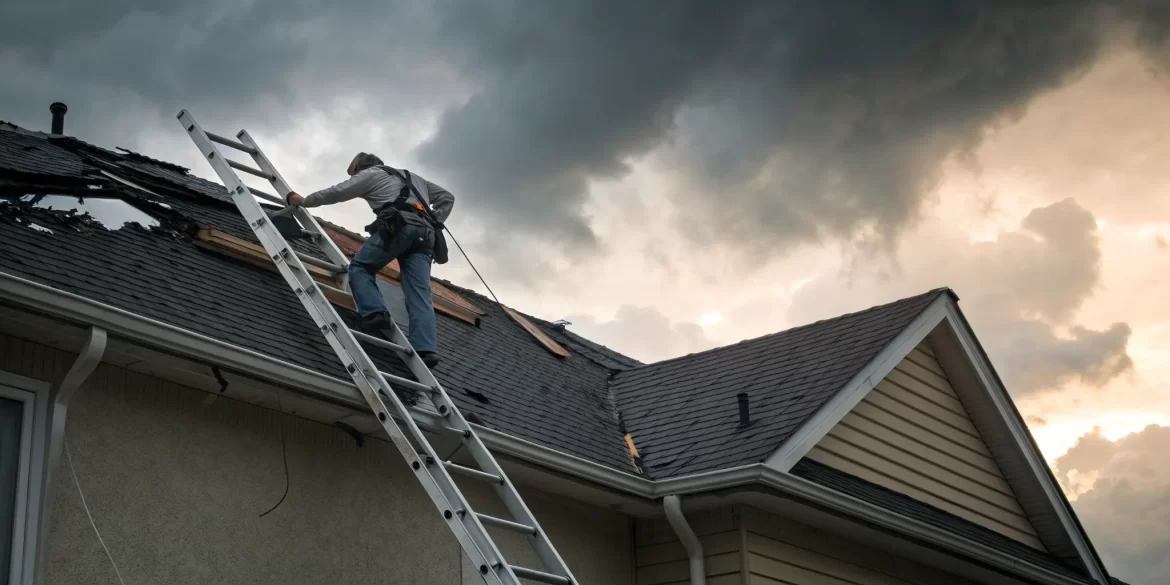
A hole in your roof is more than just a structural problem—it’s a direct threat to your financial stability. Water can quickly damage ceilings, walls, and personal belongings, leading to costly repairs and a complicated insurance claim. The first person you call can set the tone for this entire process. An emergency roofer does more than just patch a leak; their quick response and professional documentation are the first critical steps toward a successful insurance settlement. They help you mitigate the damage, which is something your insurance provider will be looking for. Here’s what you need to know about their services and how their work impacts your claim.
Key Takeaways
- Act Safely and Document Everything: Before calling for help, make sure everyone is safe. Then, use your phone to take extensive photos and videos of the damage for your insurance claim and take small, safe steps to mitigate the problem, like using buckets to catch water.
- Understand the Goal of an Emergency Call: An emergency roofer’s job is to provide a fast, temporary solution—like a tarp or a patch—to prevent further harm. This immediate response is a premium service, so you can expect the cost to be higher than a standard, scheduled repair.
- Prepare for the Insurance Process Immediately: Notify your insurance provider as soon as possible and keep all receipts for temporary work. For significant damage, reviewing your policy and considering a public adjuster can help you manage the complexities of the claim.
What Is an Emergency Roofer?
When a storm hits or a tree branch crashes down, you don’t have time to collect quotes and schedule a repair for next week. You need help now. That’s where an emergency roofer comes in. Think of them as the first responders for your home. Their job is to provide urgent services designed to address immediate threats and prevent a bad situation from getting worse. Unlike a standard roofing contractor who schedules projects in advance, an emergency roofer is on call 24/7 to handle crises that simply can’t wait.
Their primary goal isn’t to perform a full, permanent roof replacement on the spot. Instead, they focus on quick, effective temporary solutions—like tarping a hole or patching a major leak—to secure your property and protect it from the elements. This immediate action is critical because it stops further water from getting in, which can save you from much bigger problems like structural issues, ruined insulation, and widespread interior damage. Essentially, they stabilize the situation, giving you the breathing room to properly assess the damage and plan for a more comprehensive, permanent repair without the pressure of an ongoing disaster.
What counts as a roofing emergency?
It can be hard to know if you should make that urgent call or if it can wait until morning. Generally, you’re dealing with a roofing emergency if your home’s interior is exposed to the outside. This includes situations where a storm has torn off shingles, a tree has fallen and created a hole, or you have a major leak that’s allowing a significant amount of water into your attic or living spaces. If the problem is causing or could quickly lead to structural damage, it’s an emergency. Minor drips can often wait, but anything that compromises the safety and integrity of your home requires immediate attention to prevent further water damage.
How emergency service differs from a standard repair
The biggest difference between emergency and standard roof repair is the timing and scope. Emergency services are all about immediate response. The roofer’s goal is to get to your property as quickly as possible to stop the damage in its tracks with a temporary fix. A standard repair, on the other hand, is scheduled during normal business hours and involves a more thorough, permanent solution. Because emergency calls often happen after hours or on weekends, you can expect the cost to be higher than a scheduled job. You’re paying for the immediate availability and rapid response that’s needed to protect your home from further harm.
Your First Steps During a Roofing Emergency
Discovering a serious roof leak or storm damage can feel overwhelming, but a clear head and a quick plan can make all the difference. When your roof is compromised, every minute counts. Acting fast helps protect your property from further harm and sets you up for a smoother insurance claim process. Focus on these three immediate priorities: ensuring everyone’s safety, documenting the damage thoroughly, and taking small, safe steps to prevent the situation from getting worse while you wait for professional help to arrive.
Prioritize safety above all else
Before you do anything else, make sure everyone in your home or building is safe. If the damage is severe—like a tree falling on the roof or signs of structural collapse—the safest option may be to evacuate the property immediately. Water pouring in can also create electrical hazards, so be mindful of nearby outlets and appliances. If you can safely do so, you might consider turning off the power to the affected area at the circuit breaker. The most important thing to remember is not to climb on the roof yourself, especially during or just after a storm. A damaged roof is unstable and incredibly dangerous. Leave the assessment to the professionals.
Document the damage for your insurance claim
Once you know everyone is safe, grab your phone and start documenting everything. Your insurance company will need detailed proof of the damage, so you can’t take too many photos or videos. Capture the initial problem from various angles, both inside and outside your property if it’s safe to do so. Record videos showing water actively coming in and be sure to get shots of any damaged belongings or interior structures, like ceilings and walls. This initial evidence is critical for your claim. A detailed record helps create a clear picture of the incident and the resulting water damage, which is essential for a fair assessment.
Take temporary steps to prevent more damage
While you wait for an emergency roofer, you should take reasonable steps to mitigate further harm. This doesn’t mean doing major repairs yourself. Instead, focus on simple, temporary fixes inside your home. Place buckets, bins, or waterproof tarps under active leaks to catch water and protect your floors. Move furniture, electronics, and other valuables out of the affected area to keep them dry. Taking these small actions shows your insurance provider that you did what you could to control the situation. This duty to mitigate damages is a standard part of most property insurance policies and can be a key factor in your claim.
How Fast Will an Emergency Roofer Arrive?
When your roof is actively failing, every minute can feel like an hour. You’ve made the call for help, and now you’re watching the clock, wondering when the professionals will show up. While every situation is different, understanding the typical response times and potential hold-ups can help you manage your expectations during a stressful time. Emergency roofing services are designed for speed, but several factors can influence how quickly a team gets to your door.
What to expect for response times
Most emergency roofers are set up to respond with urgency. Their entire business model is built on being available when standard contractors are not. Many companies aim to provide same-day service for emergency calls because they know the primary goal is to stop the problem from getting worse. A quick response can be the difference between a simple patch and extensive water damage that affects your ceilings, walls, and belongings. When you call, be sure to ask for an estimated time of arrival. A reputable company should be able to give you a realistic window of when to expect them.
What might delay their arrival?
Even the most efficient roofing company can face delays that are out of its control. If a major storm has just passed through your area, for example, roofers will be handling a high volume of calls, which could create a queue. Severe weather can also be a factor; it may not be safe for a crew to get on your roof until high winds or lightning have subsided. Logistical issues might also play a role. If your emergency happens on a weekend or holiday, the roofer may face delays if they need specific supplies from a building material store or require a permit from an office that is closed.
What Can an Emergency Roofer Do for You?
When you’re dealing with a sudden roof crisis, it’s easy to feel overwhelmed. The sound of dripping water or the sight of a storm-damaged roof can be incredibly stressful. Calling an emergency roofer is your first line of defense. These professionals are trained to act quickly and efficiently to protect your property from further harm. Think of them as first responders for your home; their primary goal is to stabilize the situation until a permanent solution can be implemented.
Their job starts the moment they arrive. They don’t just show up to throw a tarp over a hole. A true emergency roofer conducts a swift but thorough evaluation to understand the full extent of the problem. They are equipped to handle the immediate threats, from active leaks to structural weaknesses, giving you peace of mind. This initial response is also a critical step in the insurance process, as it shows you’ve taken reasonable steps to document and mitigate the damage. Understanding what these experts can do for you helps you know what to expect when you make that urgent call.
Assess storm and structural damage
One of the first things an emergency roofer will do is perform a professional assessment of the damage. This goes beyond what you can see from the ground. They will get on the roof to inspect the shingles, flashing, and underlying structures for any signs of compromise. Their trained eyes can spot issues that might not be obvious, like hidden cracks, weakened support beams, or areas vulnerable to future leaks. This expert evaluation is crucial because it identifies the root cause of the problem and determines the immediate actions needed to secure your property. This initial report can also be invaluable when you file your insurance claim.
Find and patch leaks quickly
Water intrusion is the most immediate threat during a roofing emergency. An emergency roofer’s top priority is to locate the source of any leaks and stop them fast. Water can travel in unexpected ways, so the drip you see in your living room might originate from a completely different area of the roof. These specialists have the experience and tools to trace the path of the water and apply a reliable patch. This quick action is essential to prevent more extensive water damage to your home’s insulation, drywall, and electrical systems, which could otherwise lead to much costlier repairs and potential mold growth down the line.
Apply temporary weatherproofing
Sometimes, a permanent repair isn’t possible right away, especially if it’s dark, stormy, or the damage is extensive. In these cases, an emergency roofer will apply temporary weatherproofing to protect your home from the elements. This usually involves securing heavy-duty tarps over the damaged sections of the roof. It’s more than just laying a plastic sheet down; they know how to anchor it properly so it can withstand wind and rain without causing more damage. This temporary fix is a critical measure that shields your home’s interior, buying you the time needed to schedule a full, permanent repair without the constant worry of more water getting in.
Understanding the Cost of Emergency Roofing
When you’re dealing with a sudden roof leak, the last thing you want to worry about is the bill. But it’s a practical concern, and knowing what to expect can help you make clear-headed decisions. Emergency roof repairs generally come at a premium because you’re paying for immediate, often after-hours, service. Several key factors will shape the final cost, from the time of your call to the materials on your roof. While the price might seem high, remember that a quick, professional fix can prevent much more expensive structural and interior damage down the line.
What influences the final price?
It’s helpful to know that emergency roof work can cost between 20% and 40% more than a scheduled repair. This premium covers the roofer’s immediate response and the disruption to their planned schedule. For a small, straightforward issue like patching a minor leak or securing a temporary tarp, you might see costs in the range of $400 to $1,200. However, for more significant structural problems, especially after a major storm, the price could exceed $3,000. The final invoice reflects the urgency, the complexity of the job, and the labor required to get your home protected right away.
Why after-hours calls may cost more
If you have to call a roofer on a weekend or in the middle of the night, the cost will likely be higher—sometimes 25% to 100% more than a standard service call. This isn’t just a random upcharge; it compensates the roofing professionals for their immediate availability. They often have to call in a crew and work in less-than-ideal conditions, like darkness or bad weather, to secure your property. You’re essentially paying for the peace of mind that comes with a rapid response, preventing a small problem from turning into a catastrophe.
How materials and the extent of damage affect cost
The type of roofing material on your home plays a big role in the repair cost. A simple patch on an asphalt shingle roof, for example, might run from $350 to $1,500. The price can change for materials like tile or metal. Beyond the surface, the true extent of the damage is the other major factor. If water has been seeping in for a while, there could be rot in the underlying wood decking. Replacing that damaged wood is a more intensive job and could add $1,500 to $3,000 or more to the bill. This is why addressing even minor leaks quickly is so important to prevent deeper water damage.
How to Find a Trustworthy Emergency Roofer
When you’re dealing with a roofing emergency, your first instinct is to hire the first person who can show up. But making a panicked decision can lead to bigger problems, like shoddy work or even scams. Taking a few extra minutes to vet your options can save you a massive headache down the road. A reliable roofer will not only fix the immediate issue but also provide the proper documentation you’ll need for your insurance claim.
Finding a qualified professional involves a bit of quick research. You’ll want to look for a contractor with a solid local reputation who is properly licensed and insured. It’s also important to know the warning signs of a less-than-reputable operator. By focusing on a few key areas, you can confidently find someone who will get the job done right, even when time is of the essence.
Check for licenses, insurance, and certifications
Before you let anyone on your roof, confirm they have the right credentials. A reputable roofer should carry both general liability insurance and workers’ compensation. This is non-negotiable, as it protects you from being held liable for any accidents that might happen on your property. In Florida, roofing contractors are also required to be licensed, so you can and should ask for their license number. You can often verify a contractor’s license online through the state’s official portal. Certifications from major roofing manufacturers are another great sign, indicating that the roofer has received specialized training and is up-to-date on the best installation practices.
Read reviews and ask for references
What past customers have to say can tell you a lot about a roofer. Look for recent reviews on sites like Google, Yelp, and the Better Business Bureau. While a few negative reviews aren’t necessarily a deal-breaker (especially if the company responded professionally), a pattern of complaints is a clear warning. Don’t be shy about asking a potential contractor for a list of local references you can call. Speaking directly with a few previous clients can give you firsthand insight into their experience with the roofer’s communication, timeliness, and quality of work. A contractor who is proud of their work will be happy to provide them.
Spot the red flags before you hire
Be cautious of contractors who pressure you into signing a contract immediately or show up at your door unsolicited, especially after a major storm. These “storm chasers” often do subpar work and disappear just as quickly as they arrived. A major red flag is a roofer who asks for the full payment upfront; a reasonable deposit is standard, but you should never pay the full amount before the work is complete. Always insist on a detailed, written estimate that outlines the scope of work and costs. A well-established roofing contractor with a physical office and a local phone number is generally a safer bet than one working out of an unmarked truck.
To Call Now or Wait? Assessing the Urgency
When you spot a roof problem, especially after a storm, it’s easy to feel a surge of panic. Your mind starts racing with questions: Is this a huge deal? Can it wait until morning? Making that call for an emergency roofer often comes with a higher price tag, so you want to be sure it’s truly necessary. But waiting too long can turn a manageable repair into a much bigger, more expensive problem.
Let’s be honest, it’s a tough spot to be in. You’re trying to protect your property without overreacting. The key is to calmly assess the situation. Knowing the difference between a true emergency and a problem that can wait for regular business hours can save you a lot of stress. Think of it as a quick triage for your home. By looking for a few specific signs, you can make a confident decision about whether to pick up the phone right now or add it to your to-do list for tomorrow.
Signs that mean you need help right away
Some situations just can’t wait. If you’re seeing any of these signs, it’s time to call an emergency roofer immediately. A major red flag is when your home’s interior is exposed to the outside, like a hole in the roof or a tree limb that has crashed through your attic. Active leaks dripping into your living space are another clear signal for urgent action, as this can quickly lead to significant water damage and structural issues.
You should also look for visible structural problems, such as a sagging roofline, which could indicate the integrity of your roof is compromised. After a major storm, take a look outside—if you see a large number of shingles missing, your home is vulnerable. These issues are emergencies because they pose an immediate threat to your home and safety.
When it’s safe to wait for business hours
Not every roof issue is a full-blown crisis. If the damage appears minor and isn’t posing an immediate threat, you may be able to wait until business hours. For example, if you notice a few shingles are missing after a windy day but there’s no sign of water getting inside, you likely have some time. A small, contained drip in your garage that you can manage with a bucket might also fall into this category.
If you can safely take temporary measures to prevent the problem from getting worse and thoroughly document the damage for your insurance claim, waiting for a standard appointment is often a reasonable choice. This approach can help you avoid the premium costs of an after-hours emergency call while still addressing the issue promptly.
Working With Your Insurance Company After an Emergency
Once you’ve addressed the immediate danger with an emergency roofer, your next focus will likely be the insurance claim. This process can feel daunting, especially when you’re already stressed from the property damage. But being prepared can make a significant difference in how smoothly things go. Think of it as a separate, equally important project. Your goal is to provide your insurance company with a clear, comprehensive picture of the damage so they can process your claim accurately. Taking a methodical approach and keeping organized records from the very beginning will be your greatest assets during this time.
How to file your claim for emergency repairs
Contact your insurance provider as soon as you and your property are safe. The first call is to notify them of the incident and begin the claims process. Be ready to provide a clear description of what happened and the immediate steps you’ve taken, like calling an emergency roofer. Your insurer will assign you a claim number—keep this handy for all future communication. This initial report kicks off the process, but the detailed work comes next. You’ll need to follow up with thorough documentation, including a professional damage assessment from your roofer, to substantiate your claim.
The documentation your insurer will ask for
Your smartphone is one of your most powerful tools for a successful insurance claim. Before any cleanup or major repairs begin, take plenty of photos and videos of the damage. Capture everything from wide shots of the affected areas to close-ups of specific problems. Be sure to document both the exterior and interior damage to provide a complete picture of the situation. For example, if your roof is leaking, photograph the roof itself and any resulting water damage to ceilings, walls, and belongings inside. Timestamped images are ideal. Also, gather any receipts for temporary repairs, like tarping, as these may be reimbursable.
Understanding your policy and when to call a public adjuster
Before the insurance adjuster visits, take some time to review your policy. Understanding your coverage, deductible, and whether you have “replacement cost value” versus “actual cash value” can help you have a more informed conversation. If the language is confusing or the damage is extensive, you may want to get help. An experienced public adjuster works for you, not the insurance company, to manage the entire claims process. They handle the documentation, communication, and negotiation to help you secure a fair settlement, which can be especially helpful when you’re already managing the stress of a damaged home.
Related Articles
- A Simple Guide to Homeowners Insurance Claims Roof Damage – Public Adjuster
- How Roof Insurance Claims Work: A Step-by-Step Guide
Frequently Asked Questions
Should I call my insurance company or a roofer first? When you’re dealing with an active leak or serious roof damage, your first call should be to a reputable emergency roofer. The immediate priority is to stop the damage from getting worse, and that’s the roofer’s job. Once they have stabilized the situation with a temporary fix, you should then contact your insurance company as soon as possible to start the claims process.
Will my insurance cover the full cost of an emergency roof repair? This really depends on your specific policy. Most insurance policies cover the cost of temporary, emergency repairs because these actions are necessary to prevent much more expensive damage later on. However, coverage for the permanent repair and the amount of your deductible will vary. It’s a good idea to review your policy or consult with a public adjuster who can help you understand the details and advocate for a fair settlement.
How long will the roofer’s temporary patch or tarp last? A temporary fix, like a tarp or a patch, is designed to be a short-term solution. Its purpose is to protect your home from the elements until a permanent repair can be scheduled and completed. Depending on the weather and the quality of the temporary work, it could last anywhere from a few days to a few weeks. Your roofer should give you a realistic idea of how long the fix will hold and help you plan for the next steps.
What if the roofer tells me I need a complete roof replacement? Hearing you need a new roof can be stressful, especially during an emergency. Remember that the emergency roofer’s initial assessment is focused on the immediate problem. If they recommend a full replacement, you have time to make a thoughtful decision once the emergency is under control. You can, and probably should, get a second or even third opinion from other qualified roofing contractors before committing to such a large project.
Do I need to be home for the emergency repair? It’s generally best if you or another responsible adult can be at the property when the roofer arrives. This allows you to show them the interior damage, grant them access to your property, and hear their initial assessment firsthand. If you’ve had to evacuate for safety reasons, you can coordinate with the roofing company by phone to give them the information and authorization they need to secure your home.