 Proudly Serving the Entire State of Florida

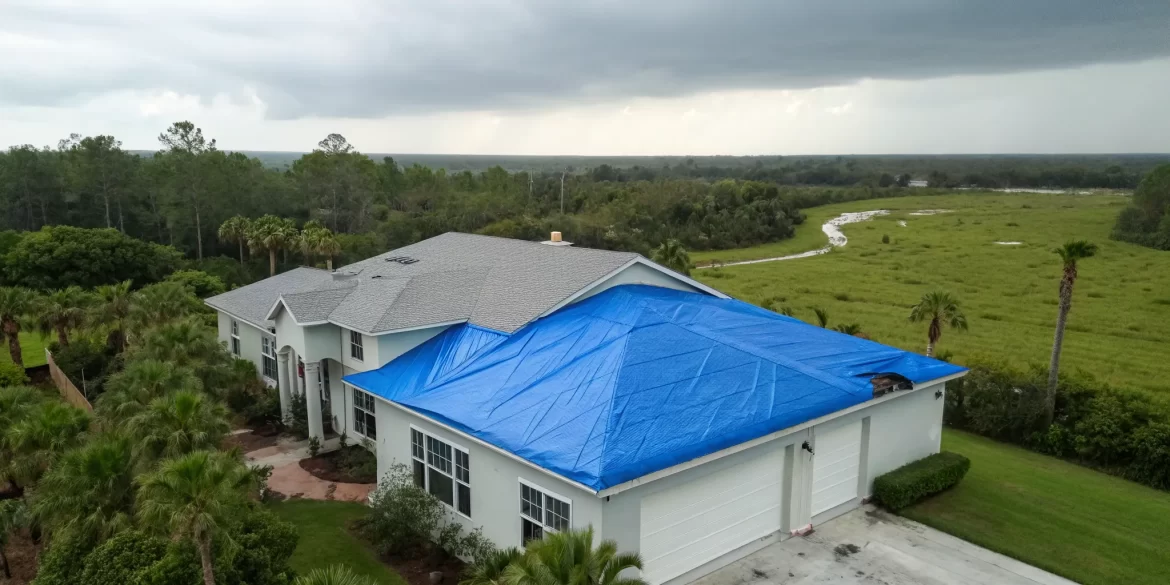
After your property sustains roof damage, the insurance claim process officially begins, whether you’ve called your agent yet or not. What you do in these first few hours is critical, and your insurance company is watching. Most policies require you to take reasonable steps to prevent further damage, and this is where many homeowners can make a misstep. Emergency tarping is more than just a temporary fix; it’s a foundational piece of a successful claim. It proves you’re mitigating the loss and creates essential documentation. This article will explain why tarping is so important for your claim, what to expect from the process, and how it helps you secure a fair settlement.
Key Takeaways
- Act Fast with a Tarp to Prevent Bigger Problems: A professionally installed tarp is your first line of defense against more extensive issues like water damage and mold. It’s a temporary shield that contains the problem, saving you from far more expensive repairs down the road.
- Leave Tarping to the Professionals: Climbing on a damaged roof is dangerous, and an improperly installed tarp can fail or trap moisture. Hiring a licensed pro ensures the job is done safely with durable materials, providing a reliable temporary fix that will hold up.
- Document Tarping to Strengthen Your Insurance Claim: Most insurance policies require you to mitigate further damage, and emergency tarping does just that. The invoice from a professional service acts as crucial proof that you took responsible action, which can help your claim process go more smoothly.
What is Emergency Roof Tarping?
Think of emergency roof tarping as critical first aid for your home. When your roof is damaged by a storm, a fallen tree, or high winds, it’s left exposed and vulnerable. A professional-grade tarp acts as a temporary, protective barrier, covering the damaged areas to stop water from getting in and preventing the problem from getting worse. This isn’t a permanent fix, but it’s an essential measure to shield your home’s interior, structure, and belongings from the elements while you arrange for permanent repairs. It’s the difference between a contained issue and a cascading disaster that affects your ceilings, walls, and personal items.
Taking this immediate action is not just about protecting your property; it’s also a key part of the insurance claim process. Most insurance policies require homeowners to take reasonable steps to mitigate further damage after an incident. By having your roof professionally tarped, you’re showing your insurance provider that you’re acting responsibly to prevent additional issues, like extensive water damage, which can strengthen your claim down the line. It buys you the valuable time you need to get a proper assessment and line up a qualified roofer without the constant stress of an active leak overhead. Essentially, it’s a smart, proactive move that protects both your home and your financial recovery.
When is Emergency Tarping Necessary?
Knowing when to call for an emergency tarp can feel overwhelming in the moment, but a few clear situations signal it’s time to act. If you notice any leaks inside your home after a storm, that’s an immediate red flag. You should also consider tarping if your roof has sustained obvious damage from hail, strong winds, or a fallen tree, even if water hasn’t made its way inside yet. Tarping is also the right move when you’re waiting for permanent repairs to begin but more bad weather is on the way. Acting quickly helps you fulfill your duty to mitigate damages, a crucial step for ensuring your insurance claim is processed smoothly and fairly.
Key Signs Your Roof Needs a Tarp, Fast
Sometimes the need for a tarp is glaringly obvious. If a hurricane, tornado, or severe thunderstorm has just passed, a visual inspection from the ground is a good first step. Look for clear signs of trouble, like holes in the roof from fallen branches or debris. Missing or damaged shingles, especially in large patches, are another urgent indicator that your roof’s defenses are down. Inside your home, any new water stains on the ceiling or walls are a direct sign that your roof has been compromised. In some cases, you might even consider tarping proactively if your roof is older or already has weak spots and a major storm is in the forecast. It’s better to be safe than to deal with the aftermath of a major leak.
Your Roof is Damaged. What Should You Do First?
Discovering roof damage can be incredibly stressful. Whether it’s from a hurricane, a fallen tree, or just years of wear and tear, your first instinct might be to panic. But taking a deep breath and following a few key steps can make a huge difference in protecting your home from further harm and setting your insurance claim up for success. Your safety is the top priority, followed by mitigating the damage as quickly as possible. This means carefully assessing the situation, taking immediate protective measures, and knowing when to call for professional help.
Acting quickly doesn’t mean acting recklessly. What you do in these first few hours is critical. Insurance policies require you to take reasonable steps to prevent additional damage, and properly documenting everything from the start is essential. Think of this as the first chapter of your claim story—you want to make sure it’s clear, detailed, and shows you did everything you could to protect your property. Let’s walk through exactly what you should do, step by step, to handle the situation safely and effectively.
How to Safely Assess the Situation
Before you do anything else, you need to understand the extent of the damage, but your safety comes first. Do not climb onto the roof, especially if it’s wet, windy, or looks structurally unsound. Instead, conduct a visual inspection from the ground. Walk around your property and look for obvious signs of trouble like missing or broken shingles, large holes, or sagging areas. You can also use binoculars for a closer look.
Inside your home, check the attic and ceilings for water stains, drips, or sagging drywall, as these are clear signs of a leak. Taking photos and videos of everything you see from these safe vantage points is a great first step for your insurance claim. This initial documentation helps create a record of the damage as it was right after the incident.
Immediate Steps to Take While Waiting for Help
While you wait for a professional to arrive, there are a few things you can do to minimize the damage. If the roof is severely compromised, the safest option may be to leave the building until it’s been inspected. Always be aware of your surroundings and stay far away from any fallen power lines. If you see downed lines, call your utility company immediately.
Inside, you can move furniture, electronics, and other valuables out of the way of any leaks. Use buckets and towels to catch dripping water and prevent further water damage to your floors and belongings. If it’s safe to do so, you can also clear away small, loose debris from your yard that could become a hazard.
DIY vs. Calling a Pro: Making the Right Choice
It can be tempting to grab a tarp and a ladder to try and fix the problem yourself, but this often does more harm than good. Climbing on a damaged roof is dangerous, especially without the right safety gear. Professionals are trained to work on sloped, slick, and unstable surfaces.
More importantly, an improperly installed tarp can trap moisture, leading to mold and rot, or it can fail to keep water out, worsening the leak. Hiring a licensed and insured professional ensures the tarp is installed correctly, which is often a requirement for your insurance policy. They know how to secure it without causing more damage to your roof, providing a reliable temporary solution that protects both your home and your claim.
Why Hire a Professional for Emergency Tarping?
When your roof is leaking, the first instinct might be to do something—anything—to stop the water from coming in. While the DIY spirit is admirable, emergency tarping is one of those jobs best left to the professionals. A damaged roof is a hazardous place, and an improperly installed tarp can fail, leading to even more problems like trapped moisture or wind damage. Hiring a professional isn’t just about convenience; it’s about ensuring the job is done safely, correctly, and in a way that supports your insurance claim from the very beginning.
Professionals come equipped with the right materials, safety gear, and experience to secure your home quickly and effectively. They know how to assess the structural integrity of the roof and install a heavy-duty tarp that can withstand Florida’s unpredictable weather until permanent repairs can be made. More importantly, they understand the documentation process your insurance company will require. By calling in an expert, you’re not just patching a hole; you’re taking a critical first step in protecting your property, ensuring your family’s safety, and setting your insurance claim up for success. It provides peace of mind during a stressful time.
The Importance of Quality Materials and Proper Installation
There’s a big difference between the blue tarp you can grab at a local hardware store and the materials a professional will use. Reputable tarping companies use thick, durable polyethylene tarps designed to resist tearing and UV damage. These tarps are fitted with metal rings, or grommets, that allow them to be securely fastened to your roof with nails or screws without ripping.
Proper installation is just as important as the quality of the material. A professional knows how to anchor the tarp correctly so it won’t be lifted by a strong gust of wind, ensuring it provides a watertight seal. Think of it as a temporary “band-aid” for your roof—it’s designed to stop the bleeding and prevent further damage until a permanent fix is possible.
How Professionals Keep You Safe and Work Quickly
Climbing onto a damaged roof can be incredibly dangerous, especially during or after a storm when surfaces are wet and slippery. The structure itself might be unstable, posing a serious risk of injury. Professionals have the training and safety equipment—like harnesses and ladders—to work on your roof without putting themselves or you in harm’s way. They can quickly assess the situation and get to work, minimizing the time your home is exposed to the elements.
Letting an expert handle the tarping means you and your family can stay safely on the ground. They can efficiently cover the damaged area, preventing further interior issues like water damage and mold growth, which can save you significant stress and money down the line.
Getting the Right Documentation for Your Insurance Claim
When you file a property damage claim, your insurance company will want to see that you took reasonable steps to prevent the situation from getting worse. This is often referred to as “mitigating your damages,” and emergency tarping is a perfect example. Hiring a professional tarping service provides clear proof that you acted responsibly to protect your property.
A professional company will give you a detailed invoice and documentation of the work performed. This paperwork is essential for your insurance claim and can help you get reimbursed for the cost of the tarping service. Having this official record makes the claims process smoother and demonstrates to your insurer that the temporary repair was a necessary and urgent expense.
How to Choose an Emergency Tarping Company
When your roof is damaged, the clock starts ticking. Choosing the right emergency tarping company is one of the first and most important decisions you’ll make. The company you hire not only protects your home from further harm but also plays a role in the success of your future insurance claim. In a moment of crisis, it can be tempting to just call the first number you find, but taking a few minutes to vet your options can save you from major headaches down the road. You’re looking for a team that is fast, reliable, and professional. A reputable company will understand the urgency of your situation and provide a temporary solution that effectively secures your property while you plan for permanent repairs. Think of it as the first step in taking back control after a disaster. This initial choice sets the stage for everything that follows, from preventing additional damage to ensuring you have the proper documentation for your insurer. A good tarping job is your first line of defense, and it also demonstrates to your insurance company that you’re taking your responsibility to mitigate damages seriously. The right partner will not only put up a tarp but will also provide clear communication and the paperwork you need for a smoother claims process.
Look for Proper Licensing, Insurance, and Experience
First things first: never hire a contractor who isn’t properly licensed and insured. This is non-negotiable. A valid license shows that the company meets state requirements, while insurance protects you from liability if a worker gets injured on your property. An experienced team will know how to handle your specific type of roof damage without causing more problems. Ask for their license number and proof of insurance before they begin any work. You can often verify a contractor’s license online through state portals. Hiring a professional is a critical step in protecting your home and ensuring the work is done safely and correctly.
Why a Fast, 24/7 Response Time Matters
When you have a hole in your roof, every minute counts. Water can seep into your home’s structure, damaging ceilings, walls, and insulation, leading to bigger problems like mold. That’s why a company’s response time is so important. Look for services that offer 24/7 availability and can promise to be at your property within a few hours. The best companies often arrive in less than two hours because they understand that immediate action is the key to minimizing water damage. A quick response not only protects your belongings but also shows your insurance company that you took responsible steps to mitigate the damage, which is a standard requirement in most policies.
Ask About Their Materials and Installation Standards
Not all tarps are created equal, and how they’re installed matters just as much. A professional tarping company should use high-quality, durable materials designed to withstand the elements. Ask them what kind of tarps they use—they should be heavy-duty, waterproof materials like tough polyethylene, often reinforced with metal rings called grommets. Also, inquire about their installation methods. A pro will securely fasten the tarp using the right techniques, like using wood strips and screws, to ensure it stays put through high winds and heavy rain. A flimsy tarp improperly secured can easily blow off, leaving your home exposed all over again.
How Much Does Emergency Tarping Usually Cost?
When your roof is suddenly damaged, one of the first questions that comes to mind is, “How much will the immediate fix cost?” It’s a stressful situation, and the last thing you need is a surprise bill. Generally, you can expect emergency roof tarping to cost between $150 and $500 for a standard job. Many homeowners find their final bill lands somewhere around the $450 mark.
However, that price isn’t set in stone. The cost to tarp a roof can vary quite a bit, sometimes reaching $1,500 or more for larger homes or roofs with complex designs. Think of it this way: a small, simple patch on a single-story home will be on the lower end of the spectrum. In contrast, a large, steep, multi-level roof damaged in several places will require more materials, time, and safety equipment, pushing the cost higher. The price per square foot can also range from about $3 to $7, which helps explain why the total can differ so much from one house to the next. While it’s an unexpected expense, remember that professional tarping is a critical investment. It’s a temporary shield that prevents much bigger problems—like severe water damage, mold growth, and ruined drywall—that would be far more expensive to repair down the line.
What Factors Influence the Price?
So, what causes the price of emergency tarping to fluctuate? A few key factors come into play. First, the “emergency” part of the service often means you’re calling for help outside of normal business hours, which can add a premium to the cost. The size of the damaged area is another major driver; more damage requires more material and more labor. The complexity of your roof also plays a significant role. A steep pitch, multiple gables, or hard-to-reach areas make the job more dangerous and time-consuming for the crew, which is reflected in the final price. The type and quality of the tarp used can also affect the cost, as thicker, more durable materials will be more expensive but offer better protection.
Understanding Insurance Coverage and Your Expenses
Here’s some good news: the cost of emergency tarping is often covered by your homeowner’s insurance policy. Insurers see this as a necessary step to “mitigate damages,” meaning you’re taking reasonable action to prevent the problem from getting worse. By tarping your roof, you’re protecting your property from further water damage, which your insurance company wants you to do. Most policies, especially in storm-prone areas like Florida, will reimburse you for these temporary repairs. Always keep detailed receipts and photos for your claim, and be sure to understand your policy to know exactly what is covered. This documentation is crucial for making sure you get fully compensated for the emergency measures you took to protect your home.
Common Myths About Emergency Tarping
When your roof is suddenly damaged, a lot of questions and misinformation can swirl around. You need to act fast, but you also need to act smart. Let’s clear up some of the most common myths about emergency tarping so you can make the best decisions for your home and your insurance claim. Understanding the facts can save you from costly mistakes, further damage, and a lot of unnecessary stress during an already difficult time.
The Real Dangers of a DIY Tarp Job
When you see a leak, your first instinct might be to grab a tarp and a ladder to handle it yourself. While the can-do spirit is admirable, climbing onto a damaged roof is incredibly risky. Roofs can be steep and slippery, especially after a storm, and a misstep could lead to serious injury. Professionals have the right safety gear, training, and experience to secure a tarp correctly without putting themselves—or your property—at further risk. They know how to walk on a compromised roof and properly fasten the tarp so it holds up against wind and rain. Hiring a licensed and insured contractor isn’t just about getting the job done right; it’s about keeping everyone safe.
Is Tarping a Permanent Fix? (Spoiler: It’s Not)
Think of a roof tarp as a large, heavy-duty bandage for your home. It’s an essential first-aid step designed to stop the bleeding—or in this case, the leaking—and protect what’s underneath. However, it is not a permanent cure. Tarping is a temporary measure meant to prevent further issues like water damage and mold growth while you arrange for permanent repairs. A professionally installed tarp can hold up for a few weeks or even months, giving you the crucial time you need to file your insurance claim and hire a roofing contractor for a long-term fix. It’s a critical bridge between the initial damage and the final restoration.
Misconceptions About Tarping and Insurance Claims
Many homeowners worry that their insurance company won’t cover the cost of emergency tarping. In reality, the opposite is often true. Most insurance policies include a “duty to mitigate” clause, which means you’re expected to take reasonable steps to prevent additional damage after a loss. Tarping your roof is a perfect example of this. By doing so, you’re showing your insurer that you’re acting responsibly to protect your property. The cost of emergency tarping is typically considered part of the claim and is often covered. Taking this proactive step can actually help your claim process go more smoothly and demonstrates the immediate need for repairs. An expert can help you understand how to navigate your policy and document these crucial first steps.
How Does Tarping Help Your Insurance Claim?
When your roof is damaged, getting a tarp on it quickly feels like the obvious first step to stop the rain from pouring in. But beyond providing a temporary shield, emergency tarping plays a significant role in your insurance claim. Think of it as the first piece of evidence that shows you’re a responsible property owner taking immediate action. Insurance companies look for this. Properly tarping your roof is one of the most important things you can do to protect not only your home but also the strength and validity of your claim. It demonstrates that you’re actively working to prevent the situation from getting worse, which is a key expectation in any insurance policy. This simple, proactive step can make a real difference in how smoothly the claims process unfolds and can help you secure a fair settlement for the necessary repairs.
Stop Further Damage in Its Tracks
A tarp is your home’s first line of defense after it’s been damaged. It’s a temporary but critical fix that covers exposed areas to prevent further harm from wind and water while you arrange for permanent repairs. A hole from a fallen tree branch or a section of missing shingles can quickly escalate a minor issue into a major catastrophe. Water can seep into your attic, saturate insulation, damage ceilings and walls, and create the perfect environment for mold to grow. By installing a tarp, you effectively put a stop to this chain reaction. This single action contains the problem, preventing thousands of dollars in additional water damage and protecting the structural integrity of your home.
Meet Your Insurance Policy’s Requirements
Most insurance policies include a clause that requires you, the homeowner, to take reasonable steps to mitigate further damage after a loss occurs. In simple terms, your insurance company expects you to do what you can to keep the problem from getting worse. Failing to do so could be interpreted as negligence, which might give them grounds to deny a portion of your claim or the entire thing. Getting your roof professionally tarped is a clear, decisive action that fulfills this requirement. It shows your insurer that you’ve acted in good faith to protect your property. This simple step helps ensure your claim proceeds smoothly and removes a potential reason for dispute down the line.
Document the Damage for a Stronger Claim
The process of emergency tarping creates a valuable paper trail for your insurance claim. Before a professional crew covers the damage, it’s the ideal time to take detailed photos and videos of the roof’s condition. This initial evidence is crucial. Once the tarp is on, the professional tarping company will provide an invoice and a report detailing the work they did. This documentation serves as a time-stamped record of when the damage was addressed and the immediate steps you took to prevent more issues. Having an expert team like PA Joe on your side means this evidence can be used effectively to build a comprehensive and undeniable claim, ensuring you have the proof needed to justify the full scope of repairs.
The Tarping Process: A Step-by-Step Look
When your roof is damaged, getting it covered quickly is key to preventing bigger problems like water damage and mold. While every situation is a bit different, the professional tarping process generally follows a few key steps. Understanding what to expect can help you feel more in control during a stressful time.
Step 1: The Initial Damage and Safety Assessment
Before anyone climbs a ladder, the first step is always a careful and safe assessment of the damage. From the ground, you can often spot obvious issues like missing shingles, large holes from fallen branches, or other visible signs of a breach. Your safety is the top priority, so it’s best to leave the up-close inspection to the professionals. If you notice significant structural damage, like a sagging roofline, it’s a good idea to leave the property until it’s been deemed safe. This initial look helps a professional team understand the scope of the problem and prepare the right materials to protect your roof effectively.
Step 2: How Professionals Install the Tarp
Once the area is confirmed to be safe, the professionals get to work. They will measure the damaged section and roll out a heavy-duty tarp, making sure it extends several feet beyond the hole or missing shingles on all sides. This overlap is crucial for creating a watertight seal that prevents rain from sneaking underneath the edges. To hold it in place, they typically anchor the tarp with wooden planks (often called furring strips) and secure them to the roof. This method is much more effective than using bricks or sandbags, as it creates a tight fit that can withstand wind and rain while you arrange for permanent roofing services.
Step 3: What to Expect for a Timeline
The time it takes to get a tarp installed can depend on the severity of the storm and how many of your neighbors are also calling for help. However, most professional services can complete the installation within a few hours of arriving. Acting fast is important, as even a small leak can lead to significant interior damage, complicating your insurance claim. Remember, tarping is a temporary fix designed to protect your home for a few weeks or months. It’s a critical short-term solution that gives you the breathing room you need to file your claim and find a qualified contractor for a permanent repair.
Finding Help with Emergency Tarping in Florida
When your roof is damaged, especially during Florida’s storm season, finding reliable help quickly is essential. The company you choose for emergency tarping can have a big impact on the safety of your home and the outcome of your insurance claim. It’s about more than just covering a hole; it’s about protecting your property and taking the right first step toward recovery.
Navigating this process while dealing with the stress of property damage can feel overwhelming. You need to find a trustworthy contractor for the immediate repair and also think about the long-term insurance process. This is where having the right support system comes into play, ensuring every action you take helps build a strong foundation for your claim.
How PA Joe Supports Your Claim Process
Think of emergency tarping as the critical first aid your home needs after an injury. It’s a temporary measure designed to prevent the situation from getting worse while you plan for a permanent fix. Your insurance company expects you to take these reasonable steps to mitigate further damage, and the cost is often a covered part of your claim. While we at PA Joe don’t climb on the roof ourselves, we act as your dedicated advocate on the ground.
Our team guides you on how to properly document the initial damage and the need for tarping. We work to ensure the costs for these emergency services are accurately recorded and submitted as part of your claim. We are the advocates in your corner, making sure this first crucial step is handled correctly so it strengthens, rather than complicates, your path to a fair settlement.
Tips for Finding a Reputable Tarping Service
In the chaotic aftermath of a storm, it can be tempting to hire the first person who knocks on your door. However, taking a moment to find a qualified professional is one of the most important things you can do. A poorly installed tarp can fail, leading to even more extensive water damage and potential mold growth.
When searching for a tarping service, look for a licensed and insured contractor with specific experience in storm damage repair. Ask them about the quality of the materials they use and their installation methods. A reputable company will be transparent and ready to answer your questions. Getting this step right not only protects your home from the elements but also shows your insurance provider that you’ve acted responsibly to protect your property.
What Are the Next Steps After Tarping?
Okay, the emergency tarp is in place, and your home is protected from the elements for now. That’s a huge first step, and you can breathe a little easier. But it’s important to remember that a tarp is a temporary solution, not a permanent fix. Think of it as a bandage that stops the bleeding. Now, the real work begins: planning for a permanent repair and getting your insurance claim underway. This next phase involves coordinating with contractors and your insurance company to restore your property. It can feel like a lot to handle, especially after the stress of the initial damage, but taking a methodical approach will make the process much smoother.
How to Plan for Permanent Roof Repairs
With the immediate threat contained, your focus can shift to a long-term solution. The tarp buys you valuable time to find a qualified roofing contractor without rushing into a decision. Start by researching reputable, licensed, and insured roofers in your area. It’s a good idea to get at least three different quotes to compare costs, materials, and timelines. A thorough contractor will provide a detailed estimate outlining the full scope of work needed for a permanent repair. This documentation will be essential for your insurance claim, so keep all your estimates and communications organized.
Working with Your Insurance Adjuster and Contractors
Once you’ve filed a claim, your insurance company will assign an adjuster to assess the damage. Remember, their job is to represent the insurance company’s interests. This is where having an advocate on your side can make a significant difference. A public adjuster works for you to ensure your claim is handled fairly and you receive the compensation you’re entitled to. They can help manage communications, document all the damage (including issues like resulting water damage), and negotiate the settlement. By properly tarping your roof, you’ve already shown the insurer you’re taking responsible steps to mitigate the loss, which can help your claim proceed more smoothly.
Related Articles
- Getting Insurance to Pay for a New Roof: A Simple Guide – Public Adjuster
- Can You Claim Hail Damage Twice on Roof? An Expert Guide – Public Adjuster
- How Much Insurance Pays for Roof Hail Damage
Frequently Asked Questions
How long can a professionally installed tarp stay on my roof? Think of a roof tarp as a temporary shield, not a permanent solution. A professionally installed, high-quality tarp can typically protect your home for several weeks, and sometimes even up to 90 days, depending on the weather conditions. This gives you the necessary time to file your insurance claim and hire a qualified contractor for a permanent repair without feeling rushed.
Will my insurance company really cover the cost of the tarp? In many cases, yes. Most homeowner’s insurance policies require you to take reasonable steps to prevent further damage after an incident, which is often called “mitigating your damages.” Emergency tarping is a perfect example of this responsible action. The cost is usually considered part of your overall claim, so be sure to keep detailed invoices and photos to submit for reimbursement.
Do I need to call my insurance company before I get the roof tarped? When you have an active leak, your first priority should be to stop the water from causing more damage. You generally do not need to wait for an adjuster to arrive or get prior approval before calling a professional for emergency tarping. Acting quickly shows your insurer you are serious about protecting your property. Just be sure to document the damage with photos before the tarp goes on.
What happens if I don’t tarp my roof after it’s damaged? Delaying or skipping this step can lead to much bigger problems. An exposed roof allows water to seep into your home’s structure, potentially causing damage to your attic, insulation, ceilings, and walls. This can also create an environment for mold to grow. From an insurance perspective, failing to take protective measures could be seen as negligence, which might complicate your claim.
Can’t I just use a blue tarp from the hardware store myself? While it might seem like a quick fix, using a standard hardware store tarp and attempting a DIY installation can be risky. These tarps are often thinner and can be easily torn by wind or debris. More importantly, climbing on a damaged roof without proper safety equipment is dangerous, and an improperly secured tarp can fail, trapping moisture and making the problem worse.