 Proudly Serving the Entire State of Florida

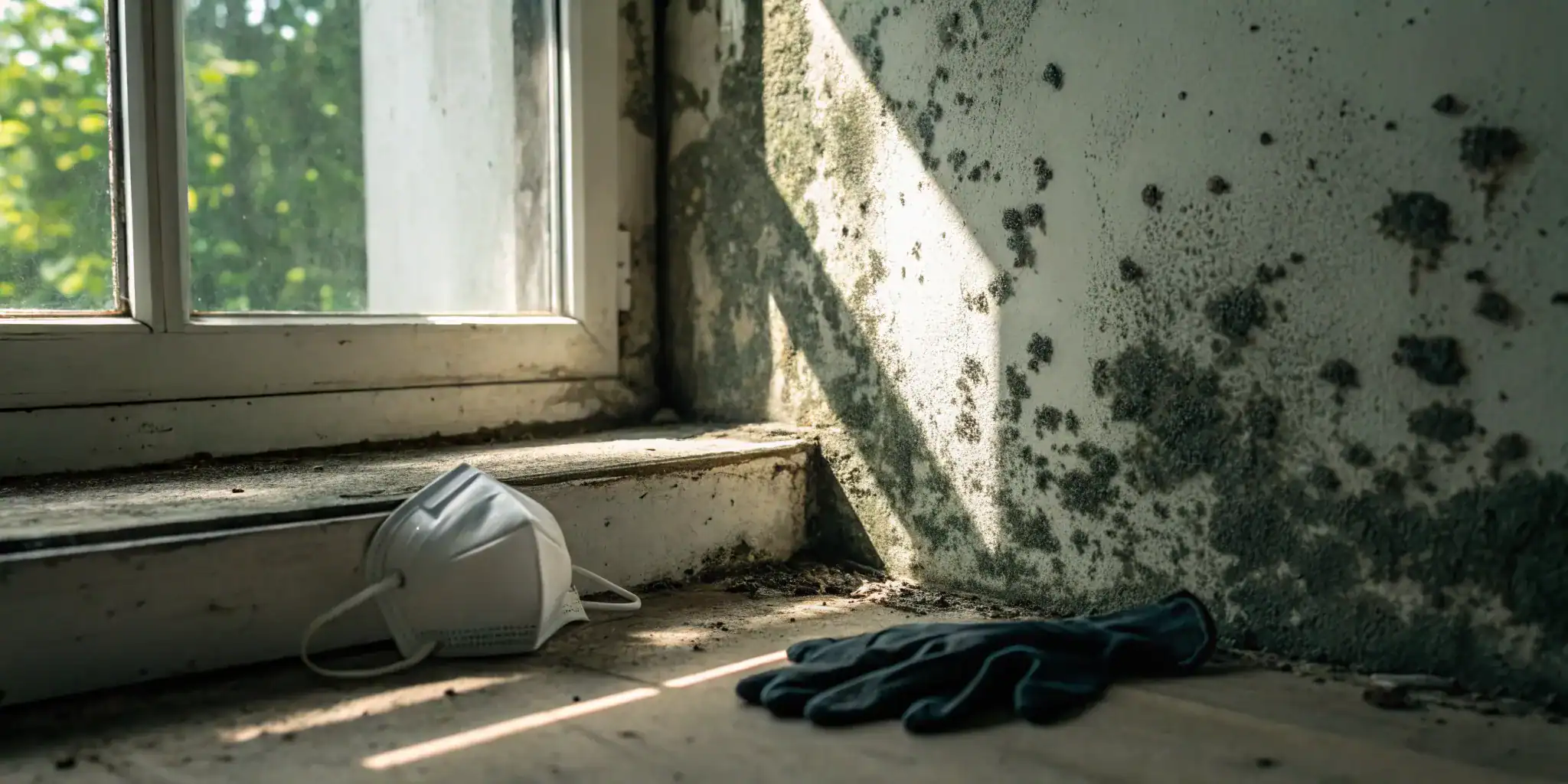
The moments immediately following the discovery of black mold are critical. The actions you take—or fail to take—can significantly impact both the spread of the contamination and the outcome of your insurance claim. Before you even think about cleanup, your focus should be on safety, thorough documentation, and stopping the moisture at its source. Building a strong case for your insurer starts from day one. This article will walk you through those crucial first steps, providing an actionable checklist to follow. We’ll explain how to file a claim for black mold by being proactive and prepared, ensuring you have the evidence needed to support your claim for a fair settlement.
Key Takeaways
- Connect the Mold to a Covered Water Event: Insurance coverage for mold typically depends on what caused the moisture in the first place. Your claim has a stronger chance if you can prove the mold resulted from a sudden, covered incident, like a burst pipe, rather than a gradual leak or maintenance issue.
- Build Your Case with Detailed Proof: A successful claim relies on strong evidence. From the moment you find mold, document everything with photos and videos, get a professional inspection report, and gather multiple written estimates for all repairs to validate your losses.
- Know When to Bring in an Expert: You don’t have to face a difficult claim alone. If the process becomes overwhelming or your claim is denied, a public adjuster can manage the paperwork, negotiate with the insurer, and advocate for the fair settlement you’re entitled to.
What is Black Mold and Does Insurance Cover It?
Finding mold in your home can feel overwhelming, especially when you hear the term “black mold.” While many types of mold can appear black, the one people often worry about is Stachybotrys chartarum. The real question for any property owner is what it means for your home and your insurance policy. Coverage for mold damage is one of the most complex areas of property insurance. Whether or not your policy will cover the cost of removal and repairs usually comes down to the original cause of the moisture that allowed the mold to grow in the first place. Understanding the basics can help you figure out your next steps and how to approach your insurance company.
What Counts as Black Mold Damage?
Black mold damage goes far beyond a simple stain on the wall. It’s a destructive force that can compromise the safety and stability of your home. This type of mold feeds on organic materials like drywall, wood studs, and insulation. As it grows, it can weaken these materials, potentially leading to serious structural issues over time. What might start as a small, damp spot can spread behind walls and under floors, causing widespread damage that isn’t immediately visible. This is why addressing mold isn’t just about cleaning a surface; it’s about identifying the full extent of the problem and repairing the underlying structural harm to your property.
Common Causes and Health Risks
Mold thrives where there’s moisture. The most common causes are issues like a leaky roof, a burst pipe, appliance malfunctions, or flooding. Essentially, any event that introduces excess water into your home creates the perfect environment for mold to grow. Beyond the physical damage to your property, black mold can also pose significant health risks. Certain molds release mycotoxins, which can cause a range of health problems, including persistent coughing, sneezing, skin irritation, and chronic headaches. For anyone with asthma or allergies, the effects can be even more severe. This is why prompt and proper removal is not just a matter of home repair, but also of protecting your family’s well-being.
What Your Policy Might Cover (and What It Won’t)
This is where things get tricky. Most standard insurance policies have very specific rules about mold. Generally, if the mold is the result of a “covered peril”—like sudden and accidental water damage from a burst pipe—your policy may cover the cost of remediation, but often only up to a certain limit. However, if the mold grew because of a gradual leak, poor maintenance, or high humidity, your claim will likely be denied. It’s crucial to read your policy carefully to understand its limitations and exclusions. Many insurers sell separate endorsements or add-on coverage for mold, so knowing exactly what your policy says is the first step in a successful claim.
What to Do the Moment You Find Mold
Discovering mold in your home or business can feel overwhelming, but taking a few key steps right away can protect your health and strengthen your potential insurance claim. Acting quickly and methodically is your best strategy. Before you even think about cleanup, focus on safety, documentation, and stopping the problem at its source. These initial actions create the foundation for a successful claim process and help you regain control of the situation.
Prioritize Safety and Contain the Area
Your first priority should always be safety. Some types of mold, especially black mold, can release mycotoxins that may lead to respiratory problems and other health issues. Keep children, pets, and anyone with a compromised immune system away from the affected area. If the mold covers a large space, consider turning off your HVAC system to prevent spores from circulating throughout the property. If you can, seal off the room with plastic sheeting and tape to contain the spread while you figure out your next steps. Don’t try to remove the mold yourself with harsh chemicals like bleach, as this can sometimes make the problem worse.
Document Everything Right Away
Before you touch or move anything, grab your phone and start documenting. Take plenty of clear photos and videos of the mold and any visible water damage that may have caused it. Capture the damage from different angles—close-ups to show the texture and wider shots to show the scale of the problem. This visual evidence is crucial for your insurance claim. While you’re at it, start a running list of all items that have been damaged, from drywall and flooring to furniture and personal belongings. This initial record will be incredibly helpful when you need to prove your losses later on.
Prevent the Mold from Spreading
Once you’ve documented the scene, your next goal is to stop the mold from getting worse. Mold thrives on moisture, so the most important step is to find and address the source of the water. This could mean fixing a leaky pipe, patching a roof, or stopping water from seeping into your foundation. If it’s safe to do so, dry out the area as much as possible using fans and dehumidifiers. Improving ventilation by opening windows can also help. Taking these immediate steps shows your insurance company that you’re actively trying to mitigate the damage, which can be a key factor in your claim.
Make the First Call to Your Insurer
With your initial documentation in hand, it’s time to notify your insurance company. Call your agent as soon as possible to report the damage. Delays in reporting could give the insurer a reason to argue that the damage worsened due to your inaction. When you call, have your policy number ready and be prepared to give a clear, factual description of what you found. After the call, it’s a good practice to send a follow-up email summarizing the conversation. This creates a written record of when you reported the claim and what you discussed, which is always a smart move.
Building Your Case: Key Documents You’ll Need
When you’re facing a mold issue, the thought of tackling an insurance claim can feel overwhelming. But think of it this way: you’re building a case, and every piece of paper, every photo, and every report is a building block for a strong claim. The more organized and thorough you are from the very beginning, the smoother the process is likely to be. Your insurance company will need clear, undeniable proof of the damage and the associated costs, and it’s your job to provide it. Putting together a comprehensive claim package shows your insurer that you’re serious and helps prevent them from undervaluing your losses. This proactive step can significantly influence the outcome of your claim.
It’s not just about proving the mold exists; it’s about telling the full story. Where did the water come from? What property was damaged? What will it cost to fix the structure and replace your belongings? Each document you collect helps answer these questions. This isn’t the time to cut corners. Taking a methodical approach now can save you countless headaches and potentially thousands of dollars down the road. We’ll walk through the essential documents you should start gathering to support your claim and give you the best possible chance at a fair settlement.
Take Clear Photos and Videos
Your smartphone is one of the most powerful tools you have right now. Before you move or clean anything, document the scene thoroughly. Take wide shots of each affected room, then zoom in on the details: the visible mold, the water stains on the ceiling or walls, and the source of the moisture if you can see it. Don’t forget to photograph any damaged belongings, like warped furniture, stained rugs, or ruined electronics. Videos can be especially helpful for capturing the full scope of the damage in a walk-through. This visual evidence creates a clear record that is difficult for an insurance company to dispute. It’s a good idea to document your property damage before a disaster strikes, but if you haven’t, start now.
Get a Professional Inspection Report
While your photos are crucial, a report from a certified professional adds a layer of authority to your claim. Hiring a licensed mold inspector or a reputable remediation company to assess the situation is a smart move. They can perform air quality tests and identify the specific type of mold you’re dealing with, providing scientific validation of the problem. Their official report will outline the extent of the contamination and recommend a plan for remediation. This expert opinion is much harder for an insurance adjuster to question than your own observations alone. Be sure to keep copies of the report and any invoices for their services to include with your claim.
Collect Repair Estimates and Maintenance Records
To get fairly compensated, you need to show what it will cost to make things right. You should contact several licensed and insured contractors to get written estimates for all necessary repairs. This includes everything from drywall replacement and painting to flooring and plumbing work. Getting at least two or three independent estimates demonstrates that you’re seeking a fair and reasonable repair cost. Additionally, pull together any records of recent home maintenance, such as receipts for a new roof or plumbing repairs. These documents can help prove that the mold problem was caused by a sudden event covered by your policy, not by your own negligence or a pre-existing issue.
Create a Detailed List of Damaged Items
Structural repairs are only part of the equation. You also need to account for any personal belongings that were damaged or destroyed by the mold. Go room by room and create a detailed inventory of every affected item. For each one, list what it is, the brand, where you bought it, and roughly how old it is. If you have original receipts or can find the item online to show its value, even better. This list, often called a “proof of loss,” is essential for substantiating the personal property portion of your claim. Being meticulous here helps ensure you receive fair compensation for your belongings and that nothing gets overlooked.
How to File and Manage Your Mold Claim
Once you’ve documented the damage and taken steps to prevent the mold from spreading, it’s time to officially file your claim. This process can feel a bit intimidating, but breaking it down into manageable steps makes it much easier. The key is to be organized, proactive, and clear in all your communications with the insurance company. Think of it as managing a project—your goal is to provide all the necessary information so the insurer can process your claim smoothly and fairly.
From submitting your initial package to following up and speaking with adjusters, staying on top of the process is crucial. Keep a dedicated folder for all your claim-related documents, including emails, letters, photos, and receipts. Make notes of every phone call, including the date, time, and who you spoke with. This record-keeping will be your best friend if any questions or disputes arise later. Remember, you are your own best advocate, and being prepared can make a significant difference in the outcome of your claim. This section will walk you through submitting your claim, following up, communicating with the insurance adjuster, and what to do if your claim is denied.
Submitting Your Claim Package
When you first report the claim, it’s best to do it in writing. While a phone call is a good first step, always follow up with an email or a certified letter to create a paper trail. Your goal is to present a clear, comprehensive package that leaves no room for ambiguity. Include your detailed list of damaged items, all the photos and videos you took, and copies of any professional reports or repair estimates. Since mold is often the result of water damage, providing records of any related repairs or maintenance can also strengthen your case. The more thorough you are upfront, the smoother the process may be.
What to Expect and When to Follow Up
After you submit your claim, the clock starts ticking. Insurance companies have timelines they are supposed to follow, but it’s wise to be aware of your own deadlines, too. There are time limits, often called statutes of limitation, for filing a lawsuit if you and your insurer can’t reach an agreement. Don’t be afraid to follow up regularly. If you haven’t heard from an adjuster within a few days of filing, send a polite email to check on the status. Staying proactive shows the insurance company you’re serious and helps keep your claim moving forward without unnecessary delays.
Communicating with the Insurance Adjuster
The insurance company will assign an adjuster to inspect the damage and evaluate your claim. When they visit, have all your documentation ready for them to review. Walk them through the damaged areas and explain the timeline of events. It’s important to cooperate, but you should also be careful about what you say. You are not required to give a recorded statement right away. You can ask for time to review your policy and understand your rights first. If you feel pressured or unsure about any part of the conversation, it may be a good time to seek some professional guidance.
What to Do If Your Claim is Denied
Receiving a denial letter can be incredibly frustrating, but it isn’t always the final word. The first step is to request a detailed written explanation for the denial, referencing specific parts of your policy. Sometimes, claims are denied due to missing information that you can still provide. If you believe the denial is unfair, you have the right to dispute it. This is often the point where having an expert on your side can be invaluable. A public adjuster can review your claim, policy, and the insurer’s denial to find the best path forward. At PA Joe, we specialize in re-opening denied claims and work on a no win, no fee basis, so you pay nothing unless we secure a settlement for you.
Navigating Common Roadblocks in Your Claim
Filing a mold claim can feel like you’re on the right track, but sometimes you hit unexpected bumps in the road. Insurance companies might be slow to respond, disagree on what’s covered, or use confusing language that makes your head spin. It’s a frustrating experience, but knowing what to expect can help you handle these challenges with confidence. Let’s walk through some of the most common hurdles and how you can approach them.
Handling Disputes Over What’s Covered
One of the biggest points of contention is whether your policy actually covers the mold damage. Many policies have specific exclusions for “fungi” or “rot,” or they might offer very limited coverage. Insurers often deny claims if the mold resulted from a long-term issue, like a slow leak under the sink, arguing it’s a maintenance problem. They typically prefer to see mold that was caused by a sudden and accidental event, like a burst pipe. If you find yourself in a dispute, carefully review your policy and the professional inspection report to connect the mold directly to a covered event. This is where having clear documentation of the source of the water damage becomes incredibly important.
What to Do When Your Insurer is Slow to Respond
Waiting for your insurance company can be one of the most stressful parts of the process. While claims take time, unreasonable delays are a real problem. The best way to manage this is to be proactive. Keep a detailed log of every phone call, email, and letter, noting the date, time, and who you spoke with. Follow up consistently and politely in writing to create a paper trail. If you feel your insurer is dragging their feet, you can send a formal letter summarizing your communications and requesting an update. If that doesn’t work, you may need to contact your state’s department of insurance for guidance or consider getting professional help to move things along.
Decoding Confusing Policy Language
Insurance policies are not exactly light reading. They are complex legal documents filled with jargon that can be difficult to understand. To get a handle on your situation, request a complete copy of your policy from your insurer. Pay close attention to the “declarations page,” which summarizes your coverage types and limits. Also, look for the “exclusions” section to see what isn’t covered. Understanding these details is key to building your claim effectively. Knowing what your policy says empowers you to have more productive conversations with your adjuster and ensures you’re providing the right evidence to support your claim.
Knowing When It’s Time to Call an Expert
If your claim is large, complex, or has been unfairly denied, you don’t have to go it alone. This is often the point where it makes sense to call in a professional. A public adjuster is an insurance expert who works for you, not the insurance company. Their job is to manage your claim, document the damages, and negotiate with the insurer to secure a fair settlement on your behalf. If you’re feeling overwhelmed by the process, facing pushback from your insurer, or simply want an expert in your corner, it could be time to hire a public adjuster. They can handle the heavy lifting so you can focus on getting your property back to normal.
Should You Hire a Public Adjuster?
When you’re facing a complicated mold claim, it can feel like you’re up against a wall. The paperwork is confusing, the insurance company is asking for endless documentation, and you’re just trying to get your home back to normal. This is often the point where property owners consider getting professional help. A public adjuster is an insurance claims expert who works directly for you, the policyholder, not the insurance company. Their role is to manage your claim from start to finish and advocate for a fair settlement on your behalf.
The Advantages of Having an Advocate
Think of a public adjuster as your personal expert in the claims process. While your insurance company has its own adjuster working to protect its interests, a public adjuster’s sole focus is on you. Their goal is to ensure your claim is handled properly and that you receive the full and fair compensation you’re entitled to under your policy. Because their fee is typically a percentage of your final settlement, their success is directly tied to yours. This alignment can help level the playing field, giving you a knowledgeable professional to interpret your policy, document the damage accurately, and make sure your voice is heard.
How a Public Adjuster Can Help
A public adjuster takes the weight of managing a complex claim off your shoulders. They can handle everything from the initial damage assessment to the final negotiations with your insurer. This includes meticulously documenting the extent of the mold, preparing and filing all the necessary paperwork, and communicating with the insurance company for you. Dealing with a stubborn insurer can be incredibly stressful, especially when you’re also worried about your family’s health. An adjuster can manage those tough conversations, freeing you up to focus on what matters most: restoring your home and protecting your well-being from the effects of water damage and mold.
Choosing the Right Public Adjuster for You
Finding the right public adjuster is about finding a trusted partner. Start by looking for a licensed professional with a solid track record of handling mold claims specifically. Experience matters here, as mold cases can have unique complexities. You’ll also want someone who communicates clearly and makes you feel understood. Don’t hesitate to ask about their process, their fees, and their experience with claims like yours. A reputable firm should be transparent about how they work. Finding an adjuster who understands your specific needs can make all the difference in feeling confident and supported throughout the claims process.
How to Prevent Mold from Coming Back
After you’ve gone through the entire process of finding, removing, and filing a claim for mold, the last thing you want is for it to return. Taking a few proactive steps can make a huge difference in keeping your home safe and mold-free for the long haul. Think of it as protecting your property and your peace of mind. By turning your attention to prevention, you can help ensure you don’t have to go through this again.
Control Moisture in Your Home
Mold loves moisture, so managing humidity is your number one defense. The key is to keep your home’s humidity levels below 60%. You can easily monitor this with a small, inexpensive device called a hygrometer. If you notice humidity creeping up, especially during Florida’s muggy seasons, running a dehumidifier can help. Make it a habit to run exhaust fans in your kitchen while cooking and in your bathroom during and after a shower. And if you spot a leak—whether it’s a dripping faucet or a water stain on the ceiling—address it right away. A small leak can quickly create the perfect environment for mold to grow.
Stay on Top of Home Maintenance
Regular home maintenance is crucial for preventing the water issues that lead to mold. Simple, consistent checks can save you a lot of trouble down the road. Periodically inspect areas where water is common, like under sinks, around the water heater, and near the washing machine. After a heavy storm, it’s a good idea to check your roof and attic for any signs of leaks. Also, keep your gutters clean so that rainwater flows away from your home’s foundation instead of pooling up. Addressing any water damage or high humidity issues as soon as they appear is one of the most effective ways to stop mold before it can even start.
Learn to Spot the Early Warning Signs
Catching mold early is the next best thing to preventing it entirely. Train yourself to recognize the first signs. Often, the first clue is a persistent musty or earthy smell. You might also see small, discolored spots appearing on walls, ceilings, or even furniture. Pay attention to your health, too. Prolonged exposure to indoor mold can sometimes lead to issues like asthma or other respiratory problems. If you or your family members are experiencing unexplained allergy-like symptoms that seem to get better when you leave the house, it could be worth investigating. Being vigilant allows you to act fast and handle a small problem before it becomes a big one.
Keep Good Records for the Future
If you’ve already dealt with a mold claim, you know how important documentation is. Continue this habit for future protection. Keep a file with all the records from your previous claim, including photos, repair receipts, and communications with your insurance company and remediation professionals. If you make any home improvements aimed at moisture control, like installing a new ventilation system or sealing your foundation, keep those records, too. Maintaining detailed records can be invaluable if you ever face another mold issue. It demonstrates to your insurer that you’ve been a responsible property owner, which can strengthen any future claim you may need to file.
Related Articles
- Mold Damage – Public Adjuster
- Five ways to find Water Damage – Public Adjuster
- Water Pipe Burst Inside House? Here’s What to Do – Public Adjuster
Frequently Asked Questions
Is all black-colored mold the dangerous kind I hear about? Not necessarily. Many types of mold can appear black, but the one most people worry about is Stachybotrys chartarum. Regardless of the specific type, any significant mold growth in your home should be taken seriously. It indicates an underlying moisture problem that needs to be fixed and can potentially affect your health and your home’s structure. The best course of action is to have it professionally assessed rather than making assumptions based on color alone.
Should I try to clean up the mold myself before the adjuster sees it? It’s best to hold off on any major cleanup. While you should definitely stop the source of moisture if you can, scrubbing away the mold itself can destroy crucial evidence you’ll need for your insurance claim. It can also spread mold spores to other areas of your home, making the problem worse. Your first steps should always be to ensure the area is safe, document everything with photos and videos, and then report the claim.
My insurance company denied my claim, saying the mold was from a ‘gradual leak.’ What can I do? This is a very common reason for denial, as insurers often use it to classify the damage as a maintenance issue rather than a covered event. However, this isn’t always the end of the road. You can request a detailed written explanation for the denial. It may be possible to challenge their conclusion, especially if you can prove the leak was not something you could have reasonably detected earlier. This is a situation where a public adjuster can be particularly helpful in reviewing your policy and the evidence to build a case for your appeal.
How much does it cost to hire a public adjuster? Most reputable public adjusters, including PA Joe, work on a contingency fee basis. This is often called a “no win, no fee” model. It means you don’t pay anything upfront for their services. Instead, the public adjuster’s fee is a small, agreed-upon percentage of the final insurance settlement they secure for you. If they don’t win you a settlement, you don’t owe them anything.
Will filing a mold claim make my insurance premiums go up? Filing any type of insurance claim could potentially affect your premiums at your next renewal. Insurers assess risk based on your claims history. However, not filing a claim and leaving significant mold and water damage unaddressed can lead to far more costly structural problems and health issues down the line, which could decrease your property’s value. It’s a matter of weighing the immediate need to protect your largest asset against the possibility of a future rate increase.