 Proudly Serving the Entire State of Florida

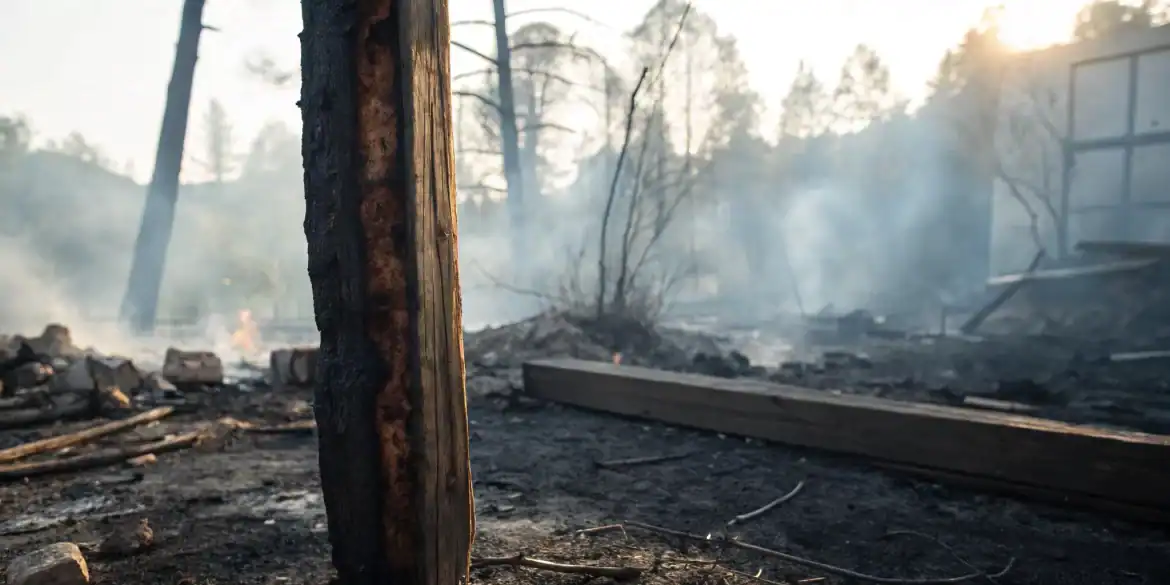
A house fire is more than an emotional tragedy; it’s a significant financial event that can impact your future. Your insurance claim is the primary tool you have to recover financially, and how you handle it from day one can make a difference of thousands, or even tens of thousands, of dollars. Every document you submit and every conversation you have with your adjuster matters. This guide focuses on the practical, financial side of the claims process. We’ll provide straightforward fire damage claim tips to help you accurately value your losses, track your expenses, and build a compelling case for a settlement that truly covers the cost of rebuilding and replacing what you’ve lost.
Key Takeaways
- Document Everything Before You Do Anything Else: Resist the urge to clean up immediately. Your most powerful tool for a fair settlement is detailed evidence, so take extensive photos and videos and create a room-by-room list of damaged items before anything is moved or thrown away.
- Don’t Automatically Trust the Insurance Company’s Numbers: The initial settlement offer is often just a starting point. Get your own repair estimates from trusted contractors to understand the true cost of recovery, and use this information to question any offer that seems too low.
- An Expert in Your Corner Can Make All the Difference: If the claims process feels overwhelming or unfair, a public adjuster works exclusively for you, not the insurer. They handle the complex paperwork and negotiations, often on a “no win, no fee” basis, to ensure you receive the full compensation you’re entitled to.
First Steps to Take After a Fire
The moments after a house fire can feel chaotic and overwhelming. Your mind is likely racing, and it’s hard to know what to do first. While it’s a deeply personal and stressful experience, taking a few key actions right away can make a significant difference in your recovery and the success of your insurance claim. Before you get lost in the details of what you’ve lost, focus on these immediate, practical steps.
Think of this as your initial checklist to get through the first 24 to 48 hours. Each step is designed to protect your safety, fulfill your obligations under your insurance policy, and lay the groundwork for a fair settlement. From ensuring your family is safe to making that first crucial call to your insurance provider and preserving the scene for documentation, what you do now matters. Let’s walk through the four most important things you need to handle right after the fire department leaves.
Prioritize Your Safety
Before you even think about insurance claims or damaged belongings, your absolute first priority is your and your family’s well-being. Do not re-enter your home for any reason until the fire department has officially declared it safe. Even if the flames are out, there could be hidden dangers like structural instability, toxic fumes, and live electrical wires. Trying to retrieve personal items isn’t worth the risk. Find a safe place to go, whether it’s with family, friends, or at a hotel, and make sure everyone is accounted for and okay.
Call Your Insurance Company
Once you are in a safe location, your next call should be to your insurance company’s 24/7 claims hotline. You’ll want to report the fire as soon as possible to get the claims process started. When you call, stick to the basic facts: your name, policy number, the date and location of the fire, and a contact number where you can be reached. This initial call officially opens your claim and gets an adjuster assigned to your case. It’s the first step in getting the support you need, including a potential advance for immediate living expenses.
Document Everything Before You Clean
It might be tempting to start cleaning up, but it’s critical that you wait. Before you move, clean, or throw anything away, you need to document the damage thoroughly. Use your smartphone to take extensive photos and videos of every room from multiple angles. Capture both wide shots of the rooms and close-ups of specific damaged items. Make a detailed list of everything that was damaged or destroyed. This visual evidence and inventory will be essential for proving your losses to the insurance company. Remember, if you throw it away, you can’t claim it.
Secure Your Property
Your insurance policy likely requires you to take reasonable steps to prevent further damage to your property after a loss. This is often called “mitigating damages.” This could mean boarding up broken windows, covering a damaged roof with a tarp, or putting up a temporary fence to keep people out. These actions show the insurance company that you are being responsible and protecting the remaining property from additional harm, like theft or water damage from the elements or firefighting efforts. Be sure to keep receipts for any materials you buy for these temporary repairs, as they are often reimbursable expenses under your policy.
How to Document Fire Damage for Your Claim
After a fire, your first instinct might be to start cleaning up, but one of the most important things you can do is document everything first. Think of yourself as a detective building a case for your insurance claim. The more detailed and organized your evidence is, the stronger your position will be when it’s time to negotiate with the insurance company. Thorough documentation helps prove the full extent of your loss and is your best tool for securing a fair settlement. Taking the time for these steps now can make a significant difference in the outcome of your claim.
Create a Room-by-Room Inventory
It can feel overwhelming, but creating a list of your damaged belongings is a crucial step. The best approach is to tackle it one room at a time. Go through each space and list every single item that was damaged or destroyed by fire, smoke, or soot. For each item, try to include as much detail as you can remember, such as the brand, model, where you bought it, and its approximate age and value before the fire. This detailed home inventory will become the foundation of your personal property claim. If you can find old photos or receipts for major purchases, add those to your files as well.
Take Plenty of Photos and Videos
Visual evidence is incredibly powerful. Before anything is moved or cleaned, use your phone to take extensive photos and videos of the damage. Capture wide shots of every room from different angles to show the overall scope of the destruction. Then, get close-ups of specific damaged items, paying attention to details like melted electronics or smoke-stained furniture. A video walkthrough can be especially effective. As you record, you can narrate what you’re seeing, pointing out damage that might not be obvious in a photo. This visual record is hard for an insurance company to dispute and helps you advocate for a fair settlement.
Keep All Receipts for Expenses
If the fire has forced you out of your home, your insurance policy likely includes coverage for Additional Living Expenses (ALE). This means you can be reimbursed for costs you incur while your home is uninhabitable. It’s essential to keep every single receipt for these expenses. This includes hotel stays, meals, new clothes, laundry services, and any other reasonable costs above your normal day-to-day spending. Get a dedicated folder or use a scanning app on your phone to keep everything organized. These receipts are your proof of loss, and without them, you may not get reimbursed for these necessary expenses.
Don’t Throw Damaged Items Away
It’s tempting to clear out charred and soot-covered belongings, but please wait. Do not throw anything away until your insurance adjuster has had a chance to inspect it in person. Your damaged property is evidence of your loss. If you discard items prematurely, your insurance company could argue they have no proof the item existed or was damaged to the extent you claim, potentially leading them to deny that part of your claim. If you must move items for safety, relocate them to another part of your property, like a covered patio or garage, but keep them until your claim process is much further along and you have written approval to dispose of them.
Common Fire Damage Claim Hurdles
Filing a fire damage claim can feel like a full-time job, and unfortunately, it’s not always a smooth process. While you’re trying to piece your life back together, you might run into a few roadblocks with your insurance company. Knowing what these common hurdles are ahead of time can help you prepare and stand up for the fair settlement you deserve. From proving what you lost to deciphering your policy’s fine print, these challenges can be overwhelming.
The good news is that you don’t have to face them alone. The process often involves meticulous documentation, persistent follow-up, and a clear understanding of your rights as a policyholder. Many homeowners find themselves dealing with frustrating delays, low settlement offers, and damage assessments that don’t seem to cover the full extent of the loss. Let’s walk through some of the most frequent obstacles you may encounter and how you can approach them.
Proving What You Owned
After a fire, one of the biggest tasks is creating a detailed list of every single item that was damaged or destroyed. The responsibility to prove what you lost falls on you, the policyholder. This means you’ll need to create an inventory that includes as much detail as possible for each item: think brand names, model numbers, original cost, and its condition before the fire. It can feel like a monumental effort, especially when you’re dealing with the emotional aftermath. If you have a home inventory prepared ahead of time, you’re in a great position. If not, try to compile this list as soon as you can while memories are still fresh.
Dealing with Delays and Low Offers
It’s not uncommon for the fire damage insurance claim process to feel slow. Delays can add extra stress when you’re waiting for funds to start repairs and replace your belongings. Alongside delays, you might receive a settlement offer that seems surprisingly low. This offer may not be enough to cover the actual cost of rebuilding or replacing what you’ve lost. Remember, you don’t have to accept the first offer. If your own contractor’s estimates are higher than what the insurance company is offering, you have the right to question and negotiate the amount. It’s important to ensure the settlement is fair and truly reflects your losses.
Unfair Damage Assessments
Your insurance company will send their own adjuster to inspect the damage. It’s important to remember that this adjuster works for the insurance company, not for you. Their job is to assess the damage, but they also have a duty to their employer to control costs. Because of this, their assessment might downplay the severity of the damage to your property. They might overlook less obvious issues like smoke and soot contamination within walls or damage to your home’s structural integrity. If their assessment doesn’t line up with what you and your contractors are seeing, it may be a sign that you need a second opinion from an independent expert.
Understanding Your Policy
Insurance policies are complex legal documents filled with technical jargon that can be difficult to understand. Figuring out exactly what is and isn’t covered can be a major hurdle. Your policy outlines your coverage limits, deductibles, and specific exclusions that could impact your claim. For instance, some policies have separate limits for the structure, personal belongings, and additional living expenses. Taking the time to review your insurance policy is crucial. If you’re unsure about the terms, getting a professional to explain your coverage can provide much-needed clarity and help you make sure you’re claiming all the benefits you’re entitled to.
When to Hire a Public Adjuster
After a fire, you’re dealing with enough stress without adding a complicated insurance claim to the mix. While you can certainly manage the claim on your own, there are times when bringing in a professional is the best move. A public adjuster is an insurance expert who works for you, not the insurance company. Their job is to manage your claim from start to finish, making sure your damage is accurately assessed and that you receive the fair settlement you’re entitled to under your policy.
Think of it this way: your insurance company has its own team of adjusters and experts working to protect its financial interests. A public adjuster levels the playing field by putting an expert in your corner. They handle the endless paperwork, detailed documentation, and tough negotiations, so you can focus on getting your life back together. If your claim is large, complex, or you feel like you’re not being treated fairly, getting professional help could make a significant difference in the outcome.
Signs You Might Need an Expert
It can be hard to know when to call for backup. A key sign is when you feel like you’re getting the runaround from your insurance company. If your claim is experiencing unexplained delays, your calls are going unanswered, or the settlement offer seems far too low to cover your losses, it may be time to get a second opinion.
Another major red flag is if your claim is denied or only partially paid without a clear and reasonable explanation based on your policy. An expert can review your policy and the insurer’s decision to see if it was justified. Essentially, if your gut tells you that you’re not being treated fairly or that the process is becoming too overwhelming, consider reaching out to a public adjusting firm for guidance.
How a Public Adjuster Levels the Playing Field
Your insurance company’s adjuster is paid to represent the company’s interests, not yours. A public adjuster flips that script. They are licensed professionals who advocate exclusively for you, the policyholder. They begin by thoroughly reviewing your insurance policy to understand the full extent of your coverage—often finding benefits you didn’t know you had.
From there, they meticulously document all your damages and prepare a detailed claim designed to get you the maximum possible payout. They handle all communication and negotiations with the insurance company, freeing you from a stressful and time-consuming process. By bringing their expertise to the table, they ensure your claim is taken seriously and that you have a powerful advocate fighting for your best interests every step of the way.
What “No Win, No Fee” Really Means
Many people hesitate to hire professional help because they’re worried about the cost, especially when they’re already facing major expenses. This is where the “no win, no fee” model comes in. Most public adjusters, including PA Joe, work on a contingency fee basis. This means they only get paid if they successfully secure a settlement for you.
Their fee is typically a small, agreed-upon percentage of your final claim settlement. If they don’t win you a settlement, you owe them nothing. This payment structure removes the financial risk of hiring an expert and aligns their goals directly with yours. Their success is tied to your success, which means they are fully motivated to recover the highest possible amount for your fire damage claim.
How to Get the Most from Your Fire Claim
After the initial shock of a fire, the claims process can feel like another overwhelming challenge. But with a strategic approach, you can take control and work toward a settlement that truly covers your losses. It’s about being organized, proactive, and knowing your rights as a policyholder. The more thorough you are in your own documentation and research, the better prepared you’ll be to have productive conversations with your insurance company. These steps can help you build a strong case and ensure your claim is valued fairly.
Track All Living Expenses
If you can’t live in your home after the fire, your insurance policy likely includes coverage for Additional Living Expenses (ALE), sometimes called “loss of use.” This coverage is designed to pay for the difference between your normal living costs and what you have to spend while displaced. Think hotel bills, restaurant meals, laundry services, and even extra gas money for a longer commute. Keep every single receipt in a dedicated folder. It’s crucial to track these expenses meticulously, as this part of your claim can add up quickly. This documentation is your proof when you ask for reimbursement.
Get Independent Repair Estimates
Your insurance company will send their own adjuster to assess the damage and create a repair estimate. While this is a necessary step, you shouldn’t stop there. It’s a good idea to get your own independent estimates from at least two or three reputable contractors who specialize in fire restoration. This gives you a much clearer picture of the true cost to rebuild and repair your property. Having these competing quotes is powerful leverage. It helps you understand if the insurance company’s initial offer is fair and gives you the evidence needed to negotiate a better settlement if it’s not.
Question a Low Settlement Offer
It’s common for an insurance company’s first settlement offer to be on the low side. Don’t feel pressured to accept it, especially if it doesn’t align with your independent repair estimates. You have the right to question and challenge an offer that seems too low. Politely ask the adjuster to explain how they arrived at their figures and provide them with your own contractor estimates and documentation. If contractors are telling you the repairs will cost more, that’s a clear sign you may need to push back. This is often where the negotiation process truly begins, and having your own data is your strongest tool.
Be There for Every Inspection
Make it a priority to be present whenever an insurance adjuster or any other inspector visits your property. This is your home, and you know it better than anyone. By walking through with the adjuster, you can point out damage they might otherwise overlook, especially in less obvious areas. It’s also your opportunity to present your room-by-room inventory and photos, ensuring they have a complete picture of your loss from your perspective. Being an active participant in the inspection process shows you’re serious about your claim and helps prevent misunderstandings or undervaluations from the start.
Costly Fire Claim Mistakes to Avoid
Navigating a fire damage claim can feel overwhelming, and it’s easy to make missteps that could affect your final settlement. Your insurance company has a team of professionals working to protect their interests, and while they are there to help, their primary goal is often to resolve the claim as quickly and inexpensively as possible. This can sometimes leave you with less than you need to truly recover.
Understanding the common pitfalls is the first step toward protecting yourself and ensuring you receive a fair payout. From the initial offer to the final check, every decision matters. A small mistake, like throwing away a damaged item or missing a deadline, could have a significant impact on your claim’s outcome. Being aware of these potential errors helps you stay in control of the process and advocate for the full compensation you deserve. Let’s walk through some of the most frequent and costly mistakes property owners make.
Accepting the First Offer
After a fire, you’ll likely want to get back to normal as soon as possible, and a quick settlement offer from your insurance company can seem like a lifeline. However, it’s wise to pause and review it carefully. The first offer is often lower than what you may be entitled to. Insurance companies sometimes try to pay less than what you truly need to rebuild, and it’s your right to challenge a denied or underpaid claim. Don’t feel pressured to accept an amount that doesn’t fully cover your losses. It’s always a good idea to get a second opinion from an independent expert, like a public adjuster, who can review your policy and the damage to determine a more accurate repair cost.
Tossing Damaged Items Too Soon
It’s natural to want to clean up and clear out debris after a fire, but be careful not to throw anything away too quickly. Your damaged belongings are crucial evidence for your claim. You should keep damaged items so the adjuster can see them and properly assess their value. If you dispose of items before they’ve been documented and inspected, your insurance company might refuse to include them in your settlement. Create a detailed inventory of everything that was damaged, take photos, and set the items aside until your claim is fully processed. This simple step can make a huge difference in proving the extent of your losses and getting the compensation you need to replace your property.
Missing Important Deadlines
Insurance policies are contracts, and they come with specific timelines and requirements you must follow. Most policies require you to file your claim promptly after the incident. You’ll also need to submit a formal document called a “proof of loss,” which is a detailed statement of the damages you’re claiming. Missing these deadlines could give your insurance company grounds to deny your claim altogether. The paperwork can be complex, but a public adjuster can help you gather all the necessary information and file your claim on time. Staying organized and paying close attention to dates will keep your claim on track and prevent unnecessary complications.
Cashing a Check Before You’re Ready
When your insurance company sends a check, it might feel like the end of a long process. However, cashing that check could be interpreted as your acceptance of their settlement offer, closing the claim for good. If you believe the offer is too low or doesn’t cover all your damages, you should not cash the check. Cashing it may waive your right to negotiate for more money later, even if you discover additional damage. It’s best to wait until you are completely satisfied with the settlement amount and have signed a final agreement. If you plan to challenge the offer, hold off on depositing any funds until the negotiations are complete.
Related Articles
- The House Fire Insurance Claim Process Explained – Public Adjuster
- Electrical Fire Insurance Claim: A Simple Guide – Public Adjuster
Frequently Asked Questions
What should I do if my insurance company’s repair estimate is much lower than my contractor’s? This is a very common situation, so don’t panic. Your independent contractor estimates are powerful tools. You should provide copies of these estimates to your insurance adjuster and ask them to explain the specific differences in their valuation. This opens the door for negotiation and helps you build a case for a higher settlement based on real-world repair costs in your area.
I’m overwhelmed by all the paperwork. Can I get help without paying a lot of money upfront? Yes, you absolutely can. Most public adjusters work on what’s called a contingency fee basis, which is a “no win, no fee” model. This means they manage your entire claim and are paid a small percentage of the final settlement they secure for you. If they don’t get you a settlement, you don’t owe them anything, which removes the financial risk of getting expert help.
What if I don’t have receipts for everything I lost in the fire? While receipts are helpful, they aren’t the only way to prove what you owned. You can recreate your inventory using other documents like credit card statements, bank records, or even old photos and videos of your home. A detailed list created from memory is also a valid part of your claim, so focus on being as thorough as possible when describing each item.
How long does a fire claim typically take to settle? The timeline for a fire claim can vary widely. A straightforward claim with minor damage might be settled in a few months, while a complex claim involving a total loss could take much longer. The speed often depends on the extent of the damage, how well you’ve documented your losses, and how responsive the insurance company is.
My insurance company sent me a check, but it seems too low. What happens if I cash it? You should be very cautious here. Cashing a check from your insurance company could be legally interpreted as your acceptance of their settlement offer, which may close your claim. If you believe the amount is insufficient to cover your damages, do not cash the check. Instead, continue to negotiate with the insurer until you reach a fair agreement.