 Proudly Serving the Entire State of Florida

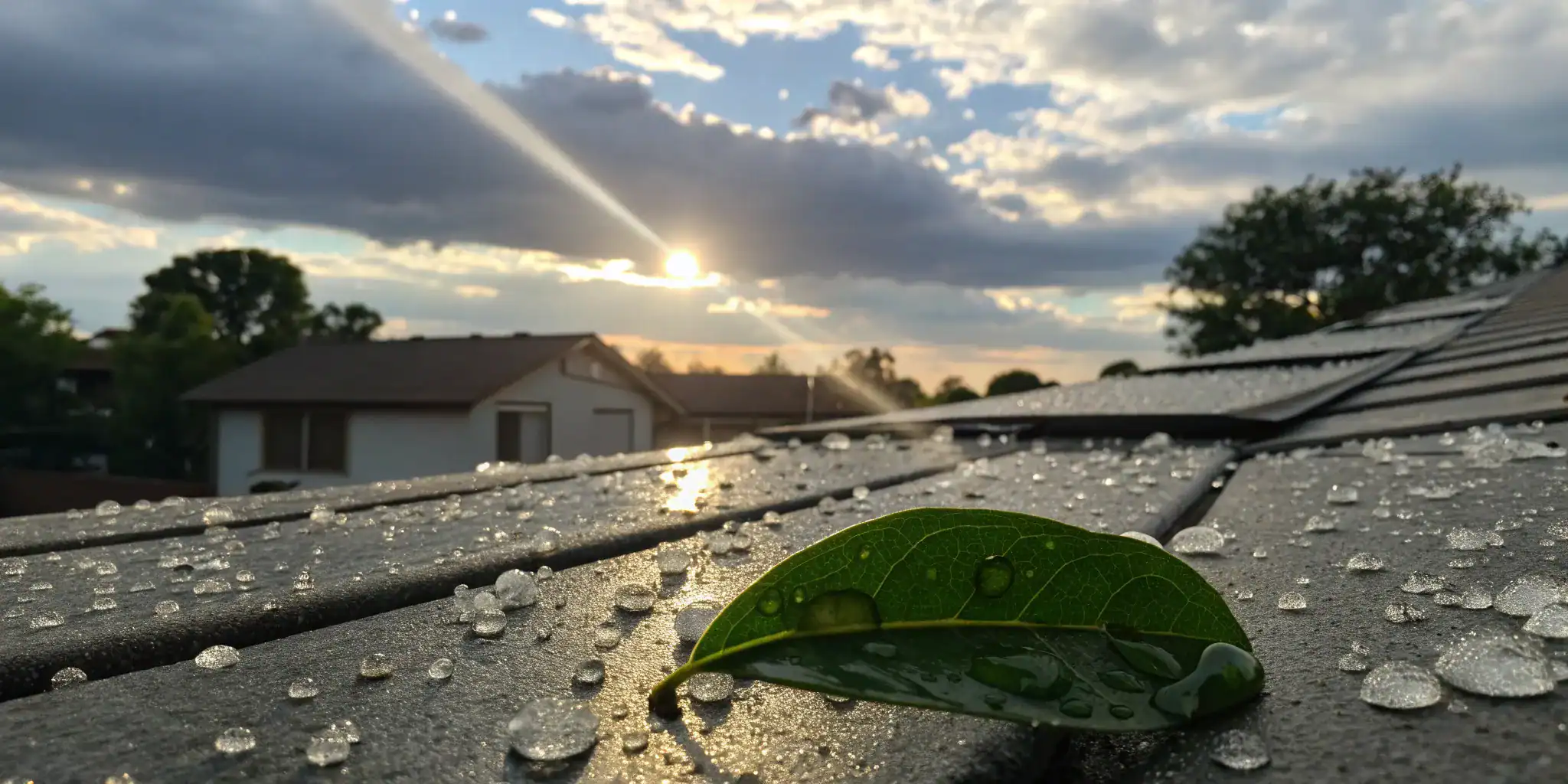
The aftermath of a hailstorm often involves a calculator. You start tallying up the potential costs in your head—the roof, the windows, the siding—and the numbers can quickly become overwhelming. Your insurance policy is supposed to be your financial safety net in moments like these. But before you can rely on it, you have to confirm your coverage. Knowing the answer to “hail damage is it covered by insurance?” is the first critical step toward recovery. We’ll explore the key financial factors, like your deductible and policy limits, to help you decide if filing a claim is the right move for you.
Key Takeaways
- Know your deductible before you file: Many policies have a separate, higher deductible for hail or wind damage. Understanding this amount is the first step in deciding whether filing a claim is the right financial move for you.
- Document everything immediately: Before you move or clean anything, use your phone to take detailed photos and videos of the damage. This visual proof is crucial for substantiating your claim and showing the full extent of the storm’s impact.
- Weigh the repair costs carefully: If the estimated cost to fix the damage is only slightly more than your deductible, paying out of pocket might be a better option. Getting a professional assessment can help you compare the numbers and make an informed choice.
Will Your Insurance Cover Hail Damage?
After a hailstorm passes, the first question on any property owner’s mind is usually, “Am I covered for this?” The answer often depends on the specifics of your insurance policy. Navigating the fine print can feel overwhelming, especially when you’re already dealing with the stress of property damage. Let’s walk through what you need to know about hail damage coverage, from identifying the damage to understanding the details of your policy. Knowing these key pieces of information can help you feel more prepared to handle the claims process and get the repairs you need.
What Counts as Hail Damage?
Hail consists of chunks of ice that form during severe thunderstorms, and they can cause a surprising amount of harm when they hit your property. For homeowners and commercial property owners, hail damage isn’t always as obvious as a broken window. It often looks like dents or pockmarks on roofing materials, siding, gutters, and outdoor air conditioning units. Shingles might have bruises or cracks that can compromise their integrity and lead to leaks down the road. Siding can be cracked, chipped, or dented. It’s important to inspect your property safely after a storm to spot these issues early.
The Type of Policy That Covers Hail
The good news is that most standard homeowners and commercial property insurance policies do cover damage from hail. In insurance terms, hail is typically considered a “covered peril,” meaning it’s one of the specific events your policy is designed to protect you against. However, not all policies are created equal. The extent of your coverage depends on the type of policy you have. It’s always a good idea to pull out your policy documents or call your agent to confirm the details. Understanding your specific homeowners insurance coverage is the first step toward a successful claim.
A Closer Look at Comprehensive Coverage
In the world of property insurance, the protection you have for events like hail falls under your dwelling or property coverage. This is the part of your policy that pays to repair or rebuild your home or business structure if it’s damaged by a covered event. Hail is almost always included alongside other perils like fire, lightning, and windstorms. This coverage applies to the physical structure of your building, including the roof, siding, and windows. If you have coverage for “other structures,” it may also extend to detached garages, sheds, or fences that were damaged in the storm.
Understanding Policy Limits and Exclusions
When you file a claim, two key factors come into play: your deductible and your policy limits. Your deductible is the amount you have to pay out of pocket before your insurance coverage begins. For hail damage, some policies have a separate, higher deductible than for other types of claims, especially in states like Florida. Your policy limit is the maximum amount your insurer will pay for a covered loss. It’s also wise to check for exclusions. Some policies might not cover cosmetic damage—like dents in siding that don’t break the surface—or damage to landscaping like trees and shrubs. Reviewing these policy details will give you a clear picture of your financial responsibility.
What to Do Right After a Hailstorm
When a hailstorm hits, the aftermath can feel overwhelming. The sound of ice hitting your roof and windows is stressful enough, but the potential for damage can create a lot of uncertainty. Taking a few key steps right away can make a significant difference in protecting your property and ensuring your insurance claim process goes smoothly. Before you do anything else, make sure the storm has completely passed and it’s safe to go outside. Your safety is the top priority. Once the coast is clear, you can begin to assess the situation and take control. The goal is to prevent further damage and gather the information you’ll need for your claim.
Your First Steps
After ensuring your family is safe, your first move should be to contact your insurance company to report the damage. Most policies require you to file a claim in a timely manner, so it’s best not to wait. When you call, they will assign you a claim number and likely schedule an adjuster to visit your property. This initial call gets the ball rolling. If you feel unsure about handling the process on your own, this is also a good time to consider getting professional support. An experienced public adjuster can represent your interests from the very beginning, helping you manage communications and documentation right from the start.
How to Document the Damage
Thorough documentation is one of the most powerful tools you have in an insurance claim. Before you move or clean anything, grab your phone and take plenty of photos and videos. Capture the damage from different angles and distances—get wide shots of your entire roof and close-ups of dents in siding, broken windows, or damaged outdoor equipment. If you can safely do so, place a common object like a coin or a ruler next to hailstones or dents to show their size. This visual evidence creates a clear record of the storm’s impact and can be crucial for demonstrating the full extent of your losses, including any resulting water damage from a compromised roof.
Why You Need a Professional Assessment
Not all hail damage is obvious. While you can easily spot a cracked window, identifying subtle damage to roofing shingles or siding often requires a trained eye. An insurance adjuster works for the insurance company, but a public adjuster works for you. Getting an independent, professional assessment can uncover hidden issues that the insurer’s adjuster might miss. This is important because small, overlooked problems—like bruised shingles that won’t leak for another year—can lead to major, costly repairs down the road. A thorough inspection ensures all damage is accounted for in your initial claim.
Temporarily Protecting Your Property
After a hailstorm, your property may be vulnerable to further harm from wind or rain. Taking steps to make temporary repairs is essential. This could mean placing a tarp over a damaged section of your roof, boarding up a broken window, or moving furniture and electronics away from a new leak. These actions, known as mitigating your damages, show the insurance company you’re taking responsible steps to prevent the problem from getting worse. Be sure to keep detailed receipts for any materials you buy for these temporary fixes, as these costs are often reimbursable as part of your claim.
How to File Your Hail Damage Claim
Filing an insurance claim can feel like a big undertaking, but breaking it down into manageable steps makes it much more approachable. After a hailstorm, your focus should be on documenting the damage and communicating with your insurance provider clearly and efficiently. The goal is to provide all the necessary information so your insurer can process your claim correctly. Remember, the claims process is a marathon, not a sprint, and being organized from the start can make a significant difference in the outcome. Here’s a step-by-step guide to help you through it.
Starting the Claims Process
The best time to start your claim is as soon as you’ve assessed the damage and ensured your property is safe. Most insurance companies allow you to file a claim online, through a mobile app, or over the phone. Try not to delay this step. The sooner you report the damage, the sooner an adjuster can be assigned to your case and the process can begin. When you make the initial call or submission, have your policy number handy and be prepared to give a clear, concise description of the damage. This first report doesn’t need every single detail, but it officially gets the ball rolling.
Working with an Insurance Adjuster
After you file your claim, your insurance company will assign an adjuster to your case. This person works for the insurance company, and their job is to inspect the damage, estimate the cost of repairs, and determine what the policy covers. They will schedule a time to visit your property to see the hail damage firsthand. It’s a good idea to be present during this inspection to point out all the areas of concern you’ve documented. While the insurance adjuster provides an initial estimate, remember that you have the right to get your own independent estimates from contractors or a public adjuster who works on your behalf.
The Paperwork You’ll Need
Thorough documentation is your best friend during the claims process. Before you clean up or make any temporary repairs, take extensive photos and videos of all the damage from multiple angles. Capture close-ups of dents on your roof, siding, or car, and wider shots to show the full scope of the impact. Keep a running list of all damaged items and, if possible, find receipts for major purchases like a new roof or windows. This evidence is crucial for substantiating your claim and ensuring you account for the full extent of your loss. The more detailed your records, the stronger your position may be.
How Long Does a Claim Usually Take?
The timeline for a hail damage claim can vary quite a bit. Several factors influence how long it takes, including the complexity of the damage, your insurance company’s internal processes, and how widespread the storm’s impact was in your area. If a major hailstorm affects thousands of properties, insurers may have a backlog of claims to get through. A straightforward claim might be settled in a few weeks, while a more complicated one involving significant structural damage could take several months. Regular, polite follow-ups with your assigned adjuster can help keep the process moving forward.
Understanding Your Settlement Offer
Once the adjuster completes their assessment, the insurance company will send you a settlement offer. This document will outline the covered repairs and the amount they are willing to pay. It’s important to review this offer carefully. The amount will likely be for the “actual cash value” of the damaged property, which accounts for depreciation, minus your deductible. Your deductible is the amount you must pay out of pocket before your insurance coverage kicks in. If the offer seems too low or doesn’t cover all the necessary repairs, you don’t have to accept it. You can negotiate with the insurer or seek a professional second opinion.
Should You File a Claim? What to Consider
After the storm passes and you’ve assessed the damage, the next big question is whether to file an insurance claim. It feels like the obvious next step, but it’s not always the most financially sound decision. Filing a claim can sometimes lead to higher insurance premiums down the road, and if the damage is minor, you might end up paying most of the repair costs yourself anyway.
Before you pick up the phone to call your insurance company, it’s wise to pause and weigh the pros and cons. Thinking through a few key factors—like your deductible, the total repair cost, and your claims history—can help you make a smart choice that protects both your property and your wallet. This is where a professional assessment can be invaluable, giving you a clear picture of the repair costs so you can decide on the best path forward.
Your Deductible and Out-of-Pocket Costs
Your deductible is the amount of money you have to pay out of pocket for repairs before your insurance coverage kicks in. Think of it as your share of the repair bill. For example, if your roof repairs cost $5,000 and your deductible is $1,000, you’ll pay the first $1,000, and your insurer will cover the remaining $4,000. It’s crucial to know exactly what your deductible amount is before you decide to file. If the estimated cost to fix the hail damage is less than or only slightly more than your deductible, filing a claim might not make financial sense.
Could Filing Increase Your Premiums?
It’s the question on every property owner’s mind: will filing a claim make my insurance rates go up? The short answer is, it might. While a single weather-related claim is less likely to cause a major spike, insurance companies do look at your claims history when it’s time to renew your policy. A pattern of frequent claims could signal to them that your property is a higher risk, which may lead to an increase in your premiums. It’s a balancing act between getting the funds you need for repairs now and potentially paying more for coverage later.
Weighing the Cost of Repairs
This is where the math really matters. The golden rule is to only file a claim if the cost of repairs is significantly more than your deductible. If you have a $1,500 deductible and the repairs are estimated at $1,800, you’d only get $300 from your insurer after paying your part. For many people, that small payout isn’t worth the potential premium increase and the hassle of the claims process. Getting a detailed estimate from a trusted contractor or a public adjuster can give you the clarity you need to compare the repair costs against your deductible and make an informed decision.
When It Might Be Better Not to File
Sometimes, paying for repairs yourself is the better option. This is often the case with minor cosmetic damage that doesn’t affect the function or safety of your property. If the dents on your siding or shingles are minimal, you might decide it’s not worth a potential rate hike. Another important factor is your mortgage. If you have a loan on your property, your insurance settlement check will likely be made out to both you and your mortgage lender. The lender will almost certainly require you to use the funds for repairs to protect their investment, so you won’t have the option to pocket the cash for minor damages.
Getting Your Car Repaired the Right Way
Once your claim is approved, the final step is getting your vehicle fixed. This part of the process is just as important as filing the claim itself. Choosing the right shop and understanding the repair options ensures your car is restored correctly and that the work is guaranteed. Taking a little extra time here can save you from future headaches and protect your car’s value. Let’s walk through how to handle the repair process with confidence.
How to Choose a Reputable Repair Shop
Your insurance company will likely provide a list of recommended repair shops, but you are not required to use them. The final decision is yours. It’s a good idea to do your own research to find a shop you trust. Start by reading online reviews and asking for recommendations from friends or family. When you contact a shop, ask specifically about their experience with hail damage repair. A reputable facility will be happy to answer your questions and may even show you examples of their work. Getting estimates from a couple of different shops can also help you make an informed choice and ensure you’re getting a fair price for quality work.
Common Repair Options for Hail Damage
For most minor to moderate hail damage, the preferred method is Paintless Dent Repair (PDR). This technique is both effective and efficient. Skilled technicians use specialized tools to gently massage the dents out from the underside of the car’s body panels, restoring the surface to its original shape without affecting the factory paint job. This process helps maintain your vehicle’s value since the original paint is preserved. For more severe damage, where the dents are too deep or have cracked the paint, traditional bodywork may be necessary. This could involve filling, sanding, and repainting the affected panels or, in some cases, replacing the panel entirely.
What to Look for in Quality and Warranties
A quality repair job should be backed by a solid warranty. Before you agree to any work, ask the repair shop about the guarantees they offer. Most top-tier shops provide a written lifetime warranty on their workmanship, which gives you peace of mind that the repairs will last. This warranty should cover any defects in the repair, including issues with paint or finish. Be sure to get the details in writing so you know exactly what is covered and for how long. A shop that stands behind its work with a strong repair warranty is usually a sign that you’re in good hands.
Negotiating Repair Costs with Your Insurer
Sometimes, the estimate from your chosen repair shop might be higher than what your insurance adjuster initially offered. If this happens, don’t worry. The shop can submit a supplement to the insurance company with documentation explaining why the additional costs are necessary. Remember, you are responsible for paying your deductible directly to the shop. If you have a loan on your vehicle, the insurance company will often make the check out to both you and your lienholder. This means you’ll need to work with your lender to get the check endorsed before you can pay the repair facility. Understanding this process can help you manage the payment smoothly.
Related Articles
- How to Handle a Hail Storm Roof Damage Insurance Claim – Public Adjuster
- Hail Damage Roof Insurance Claim: A Step-by-Step Guide – Public Adjuster
Frequently Asked Questions
What should I do if my insurance company’s settlement offer seems too low? You don’t have to accept the first offer you receive. If the amount seems insufficient to cover the full cost of repairs, you have the right to question it. Start by carefully reviewing the adjuster’s report to understand how they arrived at their number. You can then gather your own estimates from reputable contractors to compare. Presenting this new evidence to your insurer is the first step in negotiating a fairer settlement. If you feel you’re not making progress, seeking a second opinion from a public adjuster who can advocate on your behalf may be a good next step.
My roof looks fine from the ground. How can I be sure there isn’t hidden hail damage? It’s very common for hail damage to be invisible from the ground. Hail can create small bruises or cracks on shingles that don’t cause immediate leaks but can seriously shorten your roof’s lifespan and lead to problems later on. The best way to know for sure is to get a professional inspection. A trained expert knows how to safely get on the roof and identify subtle signs of impact that an untrained eye would easily miss. This ensures all damage is documented correctly from the start.
Will filing one hail damage claim automatically cause my insurance premiums to increase? Filing a single claim, especially for weather-related damage that was out of your control, doesn’t automatically mean your rates will go up. Insurance companies typically look at a variety of factors, including your overall claims history. While a pattern of frequent claims could lead to a premium increase upon renewal, one isolated event is less likely to have a major impact. However, it’s a valid concern to consider when deciding whether the repair costs are high enough to warrant filing a claim.
What’s the real difference between the adjuster my insurer sends and a public adjuster? The key difference is who they work for. The adjuster sent by your insurance company is an employee or contractor of that company, and their primary responsibility is to represent the insurer’s interests. A public adjuster, on the other hand, is someone you hire to work exclusively for you. Their job is to represent your best interests throughout the entire claims process, from documenting the damage to negotiating the final settlement with the insurance company.
Do I have to use the repair contractors my insurance company suggests? No, you are not required to use the contractors your insurance company recommends. While their list of “preferred vendors” can be a convenient starting point, you have the right to choose any licensed and insured contractor you trust to do the work. It’s always a good idea to get at least two or three independent estimates for the repairs. This helps you ensure you’re getting quality work at a fair price and allows you to select a company you feel comfortable with.