 Proudly Serving the Entire State of Florida

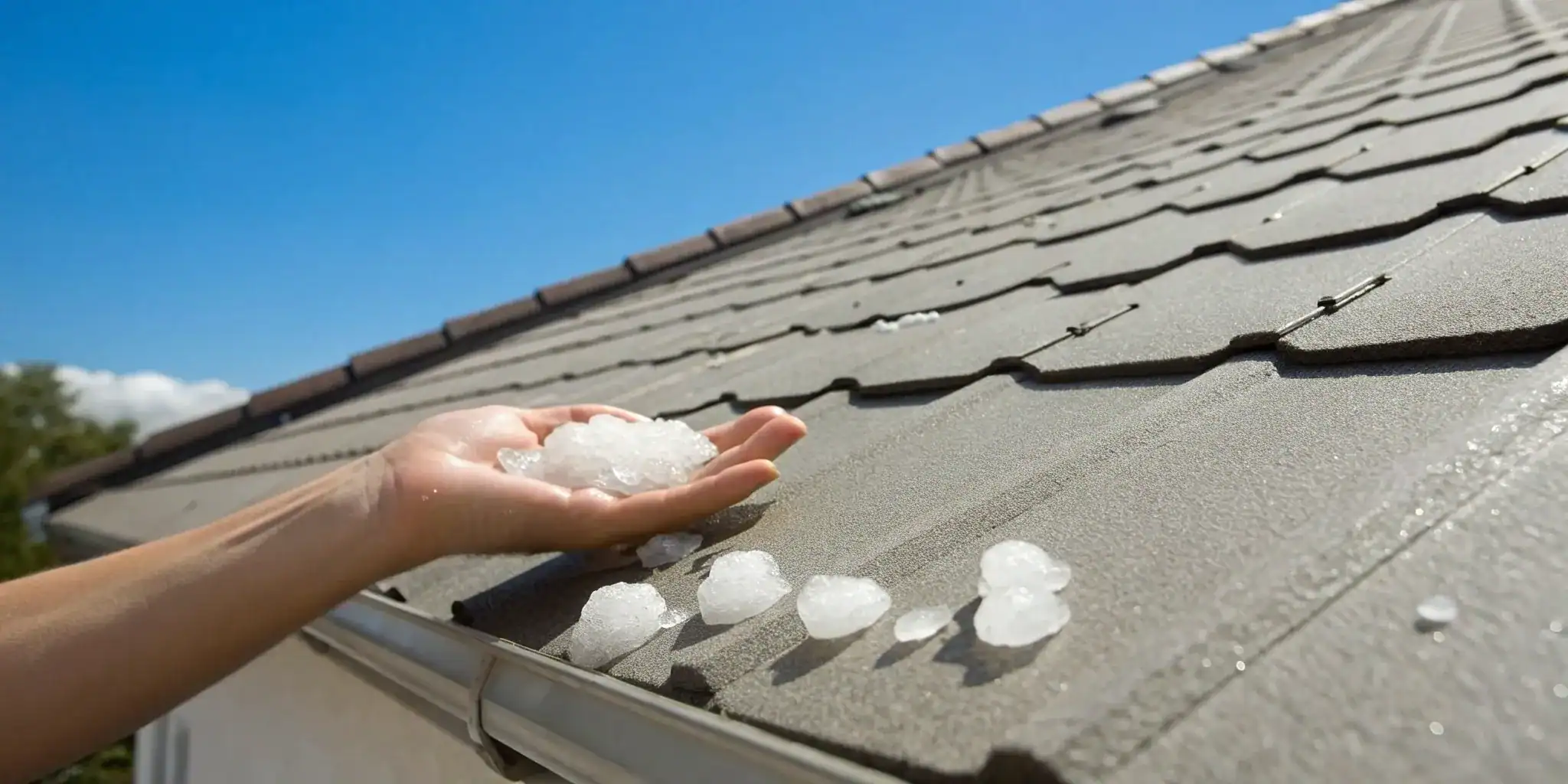
The sound of hail hitting your roof is stressful enough, but the silence that follows can be even more daunting. When you step outside to see dents, cracks, and debris, it’s easy to feel overwhelmed and unsure of where to even begin. Your mind races with questions about repairs, costs, and dealing with your insurance company. This is where having a clear plan makes all the difference. Instead of scrambling, you can take control of the situation one step at a time. This guide is designed to be your calm in the storm, providing a straightforward hail damage insurance claim checklist to walk you through every crucial action, from initial safety checks to final negotiations.
Key Takeaways
- Build a Strong Case from Day One: After making sure the area is safe, your phone is your best tool. Take extensive photos and videos of all damage, make necessary temporary fixes to stop things from getting worse, and save every single receipt. This initial evidence is the foundation of your entire claim.
- Know Your Policy and Your Numbers: Get familiar with your policy’s hail coverage, deductible, and filing deadlines. Getting your own repair quotes from local contractors gives you a realistic baseline and empowers you to question an initial settlement offer that seems too low.
- Recognize When to Call for Backup: The claims process can be overwhelming, especially if the damage is extensive or your claim is complex. A public adjuster works on your behalf to handle the paperwork and negotiations, helping you manage the process and work toward a fair outcome.
What to Do Immediately After a Hailstorm
The moments after a hailstorm passes can feel overwhelming. Your property might be damaged, and it’s hard to know where to begin. Before you do anything else, taking a few key steps can protect both your property and your potential insurance claim. Think of this as your immediate action plan to get things under control. By focusing on safety, documentation, and temporary protection, you can set a solid foundation for the claims process that follows. Let’s walk through exactly what you should do in those first few hours.
Prioritize Safety: Your First Look
Before you even think about assessing the damage, your first priority is to make sure the area is safe. Storms can leave behind hidden dangers. Take a careful walk around your property, keeping an eye out for downed power lines, fallen tree branches, or broken glass. If you see any potential hazards, especially electrical ones, keep a safe distance and contact your utility company right away. Don’t attempt to handle these situations yourself. Your safety, and that of your family, is the most important thing. Only after you’ve confirmed it’s safe to move around should you begin to look at the damage.
Record the Storm’s Details
Once it’s safe, grab your phone or a notebook and start documenting. This is one of the most critical steps for your insurance claim. Write down the exact date and time the hailstorm occurred. If you can, take photos or videos of the hail itself—even a picture of hailstones next to a coin for scale can be powerful evidence. This initial record creates a timeline for your insurer and connects the damage directly to the weather event. Starting this log immediately shows you’re on top of things and helps you start documenting your claim effectively from the very beginning.
Take Temporary Protective Steps
Your insurance policy likely requires you to take reasonable steps to prevent further damage after a storm. This is often called “mitigating damages.” For example, if a window is broken or hail has punched a hole in your roof, you should cover the opening with a tarp or board to keep rain out. You can also remove standing water to prevent mold growth. These are temporary fixes, not permanent repairs. Make sure to keep every single receipt for materials you buy, like tarps or plywood. These costs may be reimbursable as part of your claim.
Common Mistakes to Avoid
In the rush after a storm, it’s easy to make mistakes that could complicate your claim. One of the biggest is waiting too long to start the process. Most policies have deadlines for filing, and delaying can sometimes lead to a denial. Another common error is throwing away damaged items before your insurance adjuster has had a chance to see them. Hold onto everything, from dented gutters to ruined patio furniture, until your insurer gives you the green light. Acting quickly but carefully is key. Avoid making permanent repairs or signing contracts with contractors until you’ve spoken with your insurance company or a trusted public adjuster.
How to Document Everything
After a hailstorm, your first instinct might be to start cleaning up, but taking the time to thoroughly document the damage is one of the most critical steps you can take. Think of yourself as a detective building a case—your goal is to create a clear, detailed, and undeniable record of everything that was damaged. This evidence is the foundation of your insurance claim and can significantly influence the outcome.
The more comprehensive your documentation, the smoother the claims process is likely to be. It helps your insurance adjuster understand the full scope of the damage and provides the proof needed to support your request for a fair settlement. This process can feel a bit overwhelming, especially when you’re already stressed about the damage to your home or business. But by breaking it down into manageable steps, you can create a powerful file that works in your favor. From taking clear photos to logging every conversation, each piece of information you gather helps tell the complete story of your loss.
Tips for Taking Clear Photos
Your smartphone is your best tool right after a storm. Take more photos and videos than you think you need, capturing the damage from multiple angles and distances. Get wide shots of your roof and the sides of your home, then move in for close-ups of specific dents, cracks, or breaks. If there’s still hail on the ground, take pictures of it next to a common object like a coin or a ruler to show its size. Most phones automatically add a date and time stamp to photos, which is perfect for creating a timeline. This visual evidence is often the most compelling part of your claim, so don’t hold back.
Create a List of Damaged Items
While photos show the damage, a written inventory explains it. Go through your property, both inside and out, and create a detailed list of everything that was affected. Be as specific as possible. Instead of just writing “roof damage,” note something like “dented shingles on the west side of the roof, approximately 15 cracked tiles.” For personal belongings, list the item, its brand, and where you bought it, if you can remember. This detailed list helps ensure nothing is overlooked during the claims process and makes it easier to calculate the total value of your loss.
Gather Weather Reports and Proof
To strengthen your claim, it’s helpful to have official proof that a severe weather event occurred. You can gather this by taking screenshots of local weather alerts from the day of the storm or finding news articles that reported on it. You can also look up reports from the National Weather Service for your area. This third-party documentation confirms the date, time, and intensity of the hailstorm, corroborating your personal account and connecting the weather event directly to the damage your property sustained. Save these reports in your digital claim folder.
Keep Your Digital Files Organized
Staying organized from the start can save you a lot of headaches later. Create a dedicated folder on your computer or cloud storage for your hail damage claim. Within that main folder, make subfolders for “Photos,” “Receipts,” “Documents,” and “Communications.” Scan and save any receipts for temporary repairs you make, like buying a tarp to cover a broken window or paying for emergency water removal. Your policy may cover these costs, but you’ll need proof of payment. Having everything in one place makes it simple to find and share information when your adjuster requests it.
Log All Communications
Keep a written record of every conversation you have with your insurance company. Whether you speak on the phone, in person, or via email, make a note of it. In a notebook or a digital document, write down the date, time, the name of the person you spoke with, and a brief summary of what was discussed. This communication log creates a clear timeline of your claim’s progress and helps ensure everyone is on the same page. It’s a simple habit that can be incredibly valuable if any confusion or disputes arise down the road.
Your Guide to Assessing Hail Damage
After a hailstorm passes and it’s safe to go outside, your next step is to figure out what, if any, damage your property has sustained. Hail damage can be surprisingly subtle and easy to miss from the ground, but even small impacts can lead to significant problems like leaks and structural issues down the road. That’s why a thorough inspection is one of the most critical steps in the insurance claim process. Taking the time to carefully assess and document everything now will make the entire process much smoother and can help ensure you don’t leave any damage unaccounted for. This guide will walk you through exactly what you should be looking for, both inside and out, so you can build a strong foundation for your claim. Think of yourself as a detective on your own property; every dent, crack, and water spot is a clue. Remember, what you document now can make a huge difference in getting the fair settlement you deserve for all the repairs you need.
The Roof Inspection Checklist
Your roof is the most vulnerable part of your home during a hailstorm, so it’s the first place you should check. If you can do so safely, look for signs of impact. You’re not just looking for obvious holes; check for missing asphalt granules on your shingles, which can look like dark spots or bald patches. Feel for soft or bruised spots on the shingles, which may indicate the matting underneath is fractured. Also, inspect the metal components like flashing, vents, and gutters for dents and dings. It’s important to conduct this inspection as soon as possible, as waiting too long could complicate your claim. If you’re not comfortable getting on your roof, a professional can assess it for you.
Check Your Home’s Exterior
Next, take a slow walk around the entire exterior of your property. Look closely at your siding for any cracks, chips, or circular impact marks where hail may have hit. Check your window screens for tears and the window trim and sills for dents or paint chips. Don’t forget to look up at your gutters and downspouts—they are often a clear indicator of hail, showing dents and dings from the storm. Even your air conditioning unit can sustain damage to its delicate fins. As you go, take photos and videos of everything you find. This visual evidence is incredibly valuable when you file your claim.
Look for Warning Signs Inside
Hail damage doesn’t always stay on the outside. A compromised roof can lead to water intrusion, and the signs often show up inside your home. Head up to your attic during the day and turn off the lights. If you see any pinpricks of daylight shining through the roof, that’s a clear sign of a hole. In your living spaces, scan your ceilings and walls for dark water stains, discoloration, or sagging drywall. Peeling paint near windows or on the ceiling can also signal a hidden leak. Catching these issues early can help prevent more extensive water damage and mold growth, which can become much bigger problems over time.
Don’t Forget These Hidden Spots
It’s easy to focus on the big things like the roof and siding, but hail can damage many other parts of your property. Be sure to inspect your deck or patio, looking for dents or chips in the wood or composite material. Check your wooden fence for splintering and paint damage. Even mailboxes, sheds, and outdoor light fixtures can be affected. These smaller details add up and should be included in your claim. What might seem like minor cosmetic damage now could lead to rust, rot, or other deterioration later, so it’s important to document every single impact you can find.
Document Your Personal Belongings
Finally, make a comprehensive list of any personal belongings outside the home that were damaged. This could include your patio furniture, grill, gardening equipment, or children’s play structures. For each damaged item, write down a detailed description and take clear photos from multiple angles. It’s a great idea to place a common object, like a coin or a tape measure, next to the damage in your photos to show the scale of the hail. If you need to make any temporary repairs, like covering a broken window with a tarp, be sure to keep all your receipts. Your insurance policy may cover these costs.
What Does Your Insurance Policy Cover?
After a hailstorm, your insurance policy is your financial safety net. But policies can be dense and full of confusing jargon, which is the last thing you want to deal with when you’re already stressed. Taking some time to understand the key parts of your coverage can make a huge difference in how smoothly your claim process goes. Think of it as your roadmap—knowing what’s covered, what you’ll owe, and what deadlines you need to meet will help you feel more in control. Let’s walk through the most important sections of your policy so you know exactly where you stand.
Know Your Policy Type and Limits
First things first, pull out your policy documents and look for the declarations page. This is the summary of your coverage. You’ll want to confirm you have “wind and hail coverage,” as this is typically what applies to hailstorms. Next, find your coverage limits. This is the maximum amount your insurance company will pay for a covered loss. For example, your policy might cover the structure of your home (dwelling coverage) up to $300,000 and your personal property up to $150,000. Knowing these numbers upfront helps you set realistic expectations for your settlement and ensures you’re asking for what you’re rightfully owed under your plan.
Understand Deductibles and Depreciation
Your deductible is the amount of money you have to pay out of pocket before your insurance coverage kicks in. For hail damage, you might have a specific percentage-based deductible (like 1% or 2% of your home’s insured value) instead of a flat dollar amount. This can make a big difference in your out-of-pocket costs. You should also check if your policy pays for Replacement Cost Value (RCV) or Actual Cash Value (ACV). RCV covers the cost to replace damaged items with new ones, while ACV pays for the depreciated value. Understanding these terms is key to knowing how much compensation you can expect.
Be Aware of Filing Deadlines
This is a big one: most insurance policies have a strict time limit for filing a claim after the damage occurs. Often, you have between six months to one year from the date of the hailstorm to submit your claim. If you miss this window, your insurer could deny your claim outright, leaving you to cover all the repair costs yourself. Don’t wait until you notice a small leak turning into a bigger problem. It’s always best to inspect your property and file a claim as soon as possible after a storm. If you’re feeling overwhelmed, remember that a public adjuster can help manage these timelines for you.
What Your Policy Might Not Cover
It’s just as important to know what your policy doesn’t cover. These are called exclusions, and they will be listed in your policy documents. For hail damage, a common exclusion is “cosmetic damage.” Some policies won’t pay to fix dents on siding, gutters, or vents if the storm didn’t affect their function. Your insurer might argue that since the item still works, they don’t have to replace it. Reading this section carefully helps you anticipate potential disputes with your insurance company and prepare your arguments for why the damage is more than just cosmetic and impacts your property’s value and integrity.
The Paperwork You’ll Need
To support your claim, you’ll need solid documentation. Start by taking clear photos and videos of all the damage from different angles. Create a detailed list of every single item that was damaged, from your roof and windows to patio furniture. If you make any temporary repairs to prevent further issues, like putting a tarp over a hole in your roof, keep every single receipt. Your policy may reimburse you for these costs. Having all this paperwork organized and ready will make the process much smoother when you file your claim and speak with the insurance adjuster.
How to File and Manage Your Claim
Once you’ve documented the hail damage, it’s time to file your claim and work with your insurance company. This part of the process can feel intimidating, but being organized and proactive can make a significant difference. Managing your claim effectively means staying on top of communications, understanding the roles of everyone involved, and knowing when to ask for help. Think of it as a business transaction where your goal is to ensure you receive the fair compensation you’re entitled to under your policy.
This is where your detailed records become your most powerful tool. You’ll be interacting with adjusters, contractors, and insurance agents, and having all your information ready will help you present your case clearly and confidently. Remember, you are your own best advocate. By following a few key steps, you can handle the claims process with greater ease and work toward a successful resolution that allows you to restore your property.
Prepare for the Insurance Adjuster’s Visit
The insurance company will send their own adjuster to inspect the damage. It’s a good idea to be present for this visit. This is your opportunity to walk them through your property and point out every issue you’ve documented, from the obvious roof damage to smaller things like dented gutters or cracked window seals. Have your folder of photos, your list of damaged items, and any contractor estimates ready to share. Being there in person ensures they see the full scope of the damage through your eyes and helps prevent anything from being overlooked.
When to Call a Public Adjuster
If the process feels overwhelming or you believe your claim is being undervalued, you might consider calling a public adjuster. Unlike the insurance company’s adjuster, a public adjuster works directly for you, the policyholder. Their job is to manage your claim from start to finish—assessing damage, documenting everything, and negotiating with the insurer on your behalf. They are experts in policy language and claims negotiation, which can be particularly helpful if your claim is complex, has been denied, or the settlement offer seems too low. Their goal is to help you secure a fair and just settlement.
Get Professional Repair Estimates
Don’t rely solely on the insurance adjuster’s assessment of repair costs. Reach out to a few reputable, licensed local contractors and ask for detailed, written estimates for the repairs. These professional estimates provide a realistic benchmark for what it will actually cost to fix the damage with quality materials and workmanship. Having multiple quotes strengthens your position and gives you concrete evidence to use during negotiations if the insurance company’s initial offer falls short of covering the true cost of restoration. Make sure each estimate itemizes labor and material costs clearly.
Tips for Clear Communication
Throughout the claims process, clear and consistent communication is key. Keep a dedicated log of every interaction you have with your insurance company. Write down the date, time, the name of the person you spoke with, and a summary of your conversation. Whenever possible, try to communicate in writing, such as through email, to create a clear paper trail. This record-keeping helps you stay organized and ensures that all parties have a clear understanding of what has been discussed and agreed upon, which can prevent misunderstandings down the line.
Approach the Negotiation Process
The first settlement offer from your insurance company is not always the final one. If the offer doesn’t seem sufficient to cover all the repair costs outlined in your professional estimates, don’t be afraid to negotiate. Use your thorough documentation—photos, damage inventory, and contractor quotes—to build a logical case for why a higher amount is necessary. Present your evidence clearly and professionally. This is another area where a public adjuster can be a huge asset, as they have the experience to handle these negotiations for you and advocate for the full settlement you deserve.
Get the Best Possible Settlement
Receiving the insurance company’s settlement offer is a major milestone, but it’s not the end of the road. The final phase of your claim is all about ensuring the amount you receive is fair and truly covers the cost of your repairs. This is where your detailed documentation becomes your most powerful tool. By carefully reviewing the offer, understanding the payment process, and knowing what to do if you disagree, you can confidently work toward a resolution that helps you restore your property.
Review the Insurance Company’s Offer
Think of the insurance company’s first offer as a starting point, not a final decision. Before you accept anything, take the time to compare it line-by-line with the independent estimates you received from contractors. Does the insurer’s offer account for all the damage you documented? Did they use comparable material and labor costs? If their figure seems low, it’s completely within your rights to question it. A well-documented claim with clear photos and professional estimates gives you solid ground to stand on when negotiating for a fair amount.
What to Expect from the Payment Process
Insurance payments for property damage are often made in two parts. The first check you receive is typically for the Actual Cash Value (ACV) of the damage, which is the value of the damaged property minus depreciation for age and wear. The remaining amount, known as the recoverable depreciation, is usually paid after you’ve completed the repairs and submitted the final invoices to the insurer. This is why it’s so important to keep every receipt and take photos of the completed work. This process ensures you have the funds to cover the full replacement cost of restoring your property.
What to Do If You Disagree
It’s not uncommon for a homeowner to disagree with their insurer’s assessment. If the settlement offer is too low or your claim is denied, don’t panic. Your first step should be to contact your insurance company to understand their reasoning. Politely present your evidence—your photos, contractor estimates, and communication log—to show why you believe the offer is insufficient. If you feel you aren’t making progress, it may be time to get professional help. A public adjuster can step in to manage the negotiations and advocate for the fair settlement you deserve.
The Steps to Appeal a Decision
If informal discussions don’t resolve the issue, you can file a formal appeal. This usually involves writing a letter to the insurance company officially requesting a review of their decision. In your letter, clearly state why you are appealing and include any new information or evidence that supports your position. For example, if you discovered additional water damage resulting from the initial hail impact, this would be critical to include. An appeal can be a complex process, but it’s a formal way to have your claim re-evaluated and potentially secure a better outcome.
Keep Track of Your Claim’s Progress
Throughout the negotiation and settlement process, continue to be diligent with your record-keeping. Maintain your communication log, noting every phone call, email, and letter exchanged with the insurance company. Be sure to write down the date, the name of the person you spoke with, and a summary of the discussion. This detailed record creates a clear timeline of your claim and can be incredibly helpful if disputes arise. Staying organized helps you remain in control and ensures you have all the necessary information at your fingertips when you need it most.
Protect Your Property in the Future
After you’ve managed a hail damage claim, the last thing you want is to go through it all again. While you can’t stop the next storm from rolling in, you can take some smart, proactive steps to make the process smoother and potentially lessen the impact on your property. Being prepared is your best defense. It puts you in a position of control, so you’re ready to act with confidence when you need to. Think of it as setting up your future self for success.
Take Steps to Prevent Future Damage
One of the most effective ways to protect your home is through consistent upkeep. Regularly checking and maintaining your property can help prevent damage from future storms. Simple tasks can make a big difference. For instance, keep your gutters clean to ensure proper drainage and prevent water backup that could damage your roof and foundation. Trim any overhanging tree branches that could fall and cause harm during high winds. It’s also a good idea to periodically inspect your roof for loose shingles and check the seals around your windows and doors to ensure they are secure and watertight.
Keep Good Maintenance Records
Having a clear record of your property’s condition before a storm hits is incredibly valuable. Start by creating a home inventory. Keep a detailed list and take photos or videos of your belongings, outdoor items, and the overall state of your home. This documentation establishes a baseline of your property’s value and condition, which can be crucial during a claim. Store this inventory in a safe, accessible place, like a cloud storage service. Also, hold onto receipts for any major purchases, repairs, or upgrades you make. These records can serve as powerful evidence when demonstrating the extent of your loss.
Review Your Insurance Policy Regularly
Your insurance policy isn’t a “set it and forget it” document. It’s a good practice to check your policy yearly, as insurance rules and coverage can change. Take some time to look at your policy every year for new exclusions or higher deductibles that may have been added. Understanding your coverage for different types of damage, like roof or water damage, before you need to file a claim can save you from unexpected surprises. If you find parts of your policy confusing, don’t hesitate to ask questions. A clear understanding of your coverage is essential for your financial protection.
Prepare for Any Future Claims
When damage does occur, your immediate actions matter. The most important step for your insurance claim is to document everything right away. Keep a “claim kit” handy with your policy number, your insurer’s contact information, and our number. After a storm, safely take photos and videos of all the damage before making any repairs. If you need to make temporary fixes to prevent further harm, like putting a tarp on your roof, be sure to keep all receipts. Your policy might pay you back for these necessary expenses. Being organized from the very beginning can make the entire claims process much more manageable.
Related Articles
- Is Hail Damage Covered by Insurance? A Quick Guide – Public Adjuster
- Hail Damage Roof Insurance Claim: A Step-by-Step Guide – Public Adjuster
- How to Handle a Hail Storm Roof Damage Insurance Claim – Public Adjuster
Frequently Asked Questions
How long do I have to file a hail damage claim? Most insurance policies have a specific deadline for filing a claim, which can often be around one year from the date of the storm. However, this timeframe can vary, so it’s a good idea to review your policy documents or contact your insurance agent to confirm your specific deadline. Acting quickly is always recommended, as waiting too long can sometimes complicate the process or even lead to a denial.
Should I hire a contractor to start repairs immediately? It’s best to hold off on any permanent repairs until after your insurance adjuster has inspected the property and you’ve reached an agreement on the scope of the damage. You can and should take temporary measures to prevent further issues, like covering a broken window with a tarp. Just be sure to keep all your receipts for these materials, as they may be reimbursable. Starting major repairs too soon could interfere with your claim.
What if I can’t see any damage from the ground? Hail damage can be surprisingly difficult to spot from the ground. Things like small dents in roof vents, tiny cracks in siding, or granule loss on shingles are often missed without a close-up inspection. Even if the damage seems minor or invisible, it could lead to bigger problems like leaks over time. If you suspect there might be damage, it could be worthwhile to have a professional take a look.
My insurance company’s offer seems too low. What are my next steps? If the initial settlement offer doesn’t seem to cover the full cost of repairs, you don’t have to accept it. Your first step is to carefully compare the offer to the detailed estimates you received from your own contractors. If there’s a gap, you can present your documentation and estimates to the insurance company to negotiate. If you feel you aren’t making progress, you may want to consider getting help from a public adjuster who can manage the negotiation for you.
What is the difference between the insurance company’s adjuster and a public adjuster? The key difference lies in who they work for. The adjuster sent by your insurance company is employed by them and represents their interests in the claim. A public adjuster, on the other hand, is someone you hire to work exclusively for you. Their role is to represent your best interests by assessing the damage, documenting your loss, and negotiating with the insurance company on your behalf to help you secure a fair settlement.