 Proudly Serving the Entire State of Florida

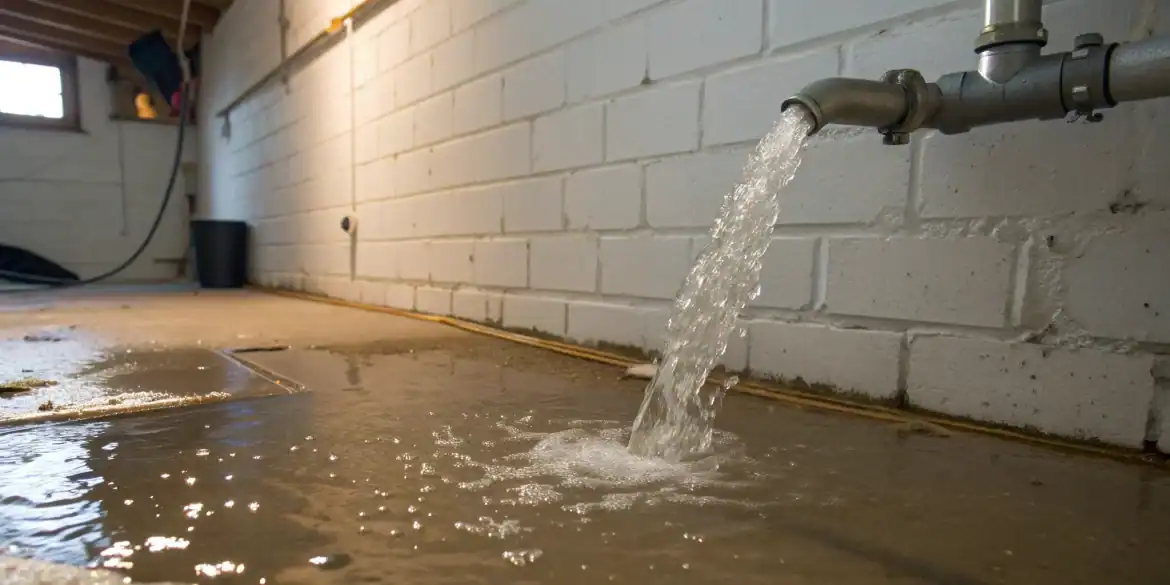
Even in a warmer climate like Florida, an unexpected cold front can catch homeowners off guard, leading to frozen and burst pipes in homes that aren’t always built for frigid temperatures. Taking a few preventative steps is the best way to avoid this messy and expensive disaster. But preparation also means understanding your insurance policy before you ever need it. Knowing the answer to does homeowners insurance cover busted pipes due to freezing is a crucial part of being a responsible property owner. Your insurer will look for evidence that you took proactive measures to protect your home. This article will cover key prevention tips that not only safeguard your property but also strengthen your position if you ever need to file a claim.
Key Takeaways
- Your Actions Can Determine Your Coverage: Insurance policies are designed to cover sudden and accidental pipe bursts, but your claim’s success often depends on proving you took reasonable care of your property. An insurer could deny your claim if the damage appears to result from neglect, like failing to keep the heat on.
- Prevention Is Your Strongest Evidence: Simple steps like insulating pipes and maintaining a consistent indoor temperature can help you avoid a disaster. Keeping records of these efforts, such as receipts and photos, serves as powerful proof that you’re a responsible homeowner if you ever need to file a claim.
- Document First, Then Seek Help if Needed: If a pipe bursts, your first priority after stopping the water is to thoroughly document all damage with photos and videos. If you face delays, a low settlement offer, or a complex process, a public adjuster can manage your claim and advocate for a fair outcome.
Does Homeowners Insurance Cover Frozen Pipe Damage?
Waking up to a burst pipe and the resulting water damage is a nightmare for any property owner. The first question that often comes to mind is, “Am I covered for this?” The answer is usually yes, but it’s not always straightforward. Most homeowners insurance policies do cover damage from a burst pipe, but that coverage often depends on the circumstances and whether you took steps to prevent the pipe from freezing in the first place. Let’s break down when your policy is likely to help and when you might run into trouble.
When Your Policy Likely Covers the Damage
In most cases, a standard homeowners insurance policy will cover the damage caused by a pipe that suddenly bursts from freezing. This is because insurers typically classify this as “sudden and accidental” water damage. The key here is that the event was unexpected and not the result of a slow, ongoing leak you failed to address. If you’ve been taking reasonable care of your property—like keeping the heat on during a cold snap—your policy will likely cover the cost to repair or replace the damaged property, such as flooring, drywall, and furniture. It’s important to remember that the policy usually covers the resulting damage, but not always the cost to repair the pipe itself.
Common Reasons a Claim Might Be Denied
An insurance company could deny your claim if they determine the damage resulted from negligence. For example, if you went on vacation and turned the heat completely off during a known cold front, they might argue you didn’t take “reasonable care” to prevent your pipes from freezing. Similarly, if there was a known, pre-existing leak that you ignored, and that leak worsened due to freezing, your claim could be denied. Insurers expect you to perform regular maintenance and take preventative measures. A denial often hinges on whether the damage could have been avoided with proper upkeep and care on your part.
Myths About Frozen Pipe Coverage
One common myth is that coverage for a burst pipe is automatic. While it’s a frequent type of claim, it’s never a guarantee. The outcome always comes down to the specific language in your policy and the details of your situation. Every insurance policy is different, with its own set of exclusions and conditions. That’s why it’s so important to actually read your policy documents before you ever need to file a claim. Understanding what your insurer considers “reasonable care” and what your responsibilities are as a homeowner can make all the difference. Don’t assume you’re covered; know your policy inside and out.
What Does Your Policy Require for Coverage?
When you file a claim for a burst pipe, your insurance company will look closely at the specific language in your policy to determine if the damage is covered. It’s not always a simple yes or no answer. Coverage often depends on the cause of the damage and whether you took reasonable steps to prevent it. Understanding these requirements ahead of time can make a significant difference in how smoothly your claim process goes.
Think of your policy as a rulebook. To get your claim approved, you need to show you were playing by the rules. This means demonstrating that the damage was unexpected and that you were acting as a responsible property owner. Insurers refer to this as your ‘duty to mitigate’ or ‘duty to protect’ your property from further damage. They want to see that you’ve been proactive, not just reactive. For example, did you know about a potential issue and ignore it, or did a sudden event catch you by surprise? The answer to that question is often the deciding factor.
This is where many claims run into trouble. An adjuster might interpret your actions—or lack thereof—as negligence, giving them a reason to reduce your settlement or deny the claim entirely. They will investigate the circumstances leading up to the event, looking for evidence that you upheld your end of the policy agreement. Let’s walk through the key conditions your insurer will be looking for, because knowing what they expect can help you prepare your claim for a much better outcome.
The “Sudden and Accidental” Rule
Most insurance policies are designed to cover events that are both “sudden and accidental.” When a pipe freezes and bursts, the resulting gush of water is a perfect example of this. It’s an abrupt, unexpected event that causes immediate harm. This is the kind of water damage that policies are generally intended to cover. Where homeowners run into trouble is with slow, gradual damage. If a pipe has been leaking for weeks, causing mold and rot, an insurer might argue that the damage wasn’t sudden. They could see it as a maintenance issue you should have addressed sooner. That’s why the “sudden and accidental” clause is so important—it separates unexpected disasters from problems that could have been prevented with routine upkeep.
Proving You Took Reasonable Care of Your Property
Your insurance provider expects you to take reasonable measures to protect your property from harm. When it comes to frozen pipes, this means showing you made an effort to prevent them from freezing in the first place. If an insurer believes the damage resulted from neglect, they may have grounds to deny your claim. What does “reasonable care” look like? It could mean insulating pipes in vulnerable areas like attics or crawl spaces, sealing air leaks, and, most importantly, maintaining an adequate temperature inside. If a sudden cold snap hits and a pipe bursts despite your best efforts, you’re in a strong position. However, if you can’t show you took basic preventative steps, the insurer might question whether the damage could have been avoided.
Keeping Your Home Heated and Occupied
One of the most common reasons for a denied frozen pipe claim is failing to maintain heat in the property. Your insurer operates on the assumption that you will keep your home heated to a reasonable temperature during cold weather. Turning the heat completely off to save money while you’re away for a weekend, for example, could be seen as an act of negligence. If your pipes freeze and burst because the heat was off, the insurance company may argue that you didn’t fulfill your responsibility to protect the property. An occupied and heated home is far less likely to suffer from frozen pipes. This is why insurers look at the circumstances leading up to the burst, not just the damage itself.
Special Rules for Vacant Homes
If you own a second home, a vacation rental, or a property that will be empty for an extended period, your policy might have specific requirements. Insurers view vacant homes as higher risk, so they often expect you to take extra precautions. For instance, your policy may require you to shut off the main water supply and drain the plumbing system if the property is going to be unoccupied during cold weather. Failing to follow these specific clauses for a vacant property could jeopardize your coverage. It’s a good idea to review your policy or speak with your agent to understand what’s required before leaving a home empty for the winter. Taking these extra steps shows the insurer you’re a proactive property owner, which is something we at PA Joe know can make a big impact on your claim’s outcome.
What Isn’t Covered in a Frozen Pipe Claim?
While homeowners insurance is designed to protect you from unexpected disasters, it doesn’t cover everything. When it comes to frozen pipes, coverage often hinges on whether the damage was truly “sudden and accidental” versus a problem that could have been prevented. Insurance companies have specific exclusions written into their policies that can catch homeowners by surprise.
Understanding these common exclusions is one of the best things you can do to protect yourself. Knowing what isn’t covered helps you identify potential issues in your home before they become major, uninsured problems. It also prepares you for the claims process, so you know what to expect from your insurer. From slow, ignored leaks to general wear and tear, certain types of damage are typically considered the homeowner’s financial responsibility. Let’s walk through the most common reasons your frozen pipe claim might not be fully covered.
Why Slow Leaks and Gradual Damage Are Excluded
Insurance policies are meant to cover sudden and unforeseen events, not issues that develop over time. This is why damages from slow leaks or gradual water intrusion are almost always excluded. If a pipe has been dripping for months, causing wood to rot and mold to grow, your insurer will likely argue that the damage resulted from a lack of maintenance, not a sudden accident.
The key is whether you could have reasonably addressed the problem earlier. As noted by insurance providers, if you were aware of a leak and didn’t take steps to fix it, your policy might not cover the resulting damage. A slow drip is seen as a maintenance issue, whereas a pipe that freezes and violently bursts is viewed as an accident.
When Lack of Maintenance Can Void Your Coverage
Your insurance company expects you to take reasonable care of your property. This includes performing routine maintenance to prevent damage. If your pipes freeze and burst, your insurer will want to know what you did to prevent it from happening. For example, did you leave the heat on during a cold snap? Were your pipes properly insulated?
If the investigation shows that the damage occurred because of neglect, your claim could be denied. According to the District of Columbia’s Department of Insurance, Securities and Banking, your policy might not pay for damages if you failed to take “proper steps to protect your property from freezing.” This is why it’s so important to winterize your home and keep records of your efforts.
Know Your Deductible and Policy Limits
Even when your claim is approved, the payout might be less than you expect due to your deductible and policy limits. Your deductible is the amount you have to pay out of pocket before your insurance coverage begins. If you have a $2,000 deductible and $10,000 in damages, your insurer will pay a maximum of $8,000.
Additionally, your policy has limits on how much it will pay for certain types of damage. You may have a general limit for property damage but a lower sub-limit specifically for water damage. It’s essential to read your policy documents carefully to understand these figures. Knowing your financial responsibility ahead of time can prevent sticker shock after a disaster.
How to Prevent Frozen Pipes (and Protect Your Coverage)
While it’s good to know your insurance policy may cover a burst pipe, avoiding the disaster in the first place is always the better option. Taking a few proactive steps not only protects your property from significant water damage but also strengthens your case with the insurance company if you ever need to file a claim. Insurers want to see that you’ve taken “reasonable care” to maintain your home, and these preventative measures are exactly what they look for. Think of it as building a defense for a potential claim while also protecting your peace of mind. A little preparation can save you from a massive headache involving cleanup, repairs, and a complicated claims process. Even in a warmer climate like Florida, an unexpected cold snap can catch homeowners by surprise, leading to frozen and burst pipes in homes that aren’t built for frigid temperatures. By showing you were diligent, you make it much harder for an insurance company to argue that the damage resulted from your own neglect. Here are a few key actions you can take before the temperature drops to safeguard your home and your coverage.
Insulate and Protect Your Pipes
One of the most effective ways to prevent freezing is to insulate any pipes exposed to cold air. This includes pipes in your attic, crawl space, basement, or running along exterior walls. You can find simple foam sleeves or special insulating tape at any hardware store. Just wrap them around the pipes to create a thermal barrier. This small step acts like a winter coat for your plumbing, keeping the water inside from reaching freezing temperatures during a cold snap. It’s a low-cost, high-impact project that can make all the difference when the weather turns unexpectedly cold.
Maintain a Consistent Temperature
Your home’s overall temperature plays a huge role in protecting your pipes. Even when you’re away from home or sleeping, it’s a good idea to keep your thermostat set to at least 55°F. While you might be tempted to lower the heat to save on energy costs, a sudden cold front could put your pipes at risk. Maintaining a consistent, stable temperature ensures that even the pipes hidden in walls or cabinets stay warm enough to prevent freezing. During particularly cold weather, you can also open cabinet doors under sinks to allow warmer air to circulate around the plumbing.
Winterize Your Home if You’re Away
If you plan to be away for an extended period, taking extra precautions is essential. For a vacant property, the safest approach is often to shut off the main water supply and drain the entire system. This removes the risk of a burst pipe altogether. If you plan to keep the heat on, make sure your thermostat is set no lower than 55°F. It’s also wise to ask a trusted friend or neighbor to check on your house periodically. They can ensure the heat is working and catch any potential issues before they turn into a catastrophe.
Keep Records of Your Prevention Efforts
Should you ever need to file a claim for a burst pipe, being able to prove you took certain preventative measures can be incredibly helpful. Keep receipts for any insulation materials you purchase and take photos after you’ve installed them. If you have your HVAC system serviced before winter, hold onto that invoice. This documentation serves as evidence that you fulfilled your responsibility as a homeowner to protect your property. Having these records on hand can streamline the claims process and counter any suggestions from the insurer that the damage was due to negligence.
What to Do Immediately After a Pipe Bursts
Discovering a burst pipe can feel overwhelming, but taking quick, decisive action can significantly reduce the amount of damage to your home. The moments that follow are critical for both safety and for setting up a successful insurance claim. Here’s a step-by-step guide to help you through it.
Your First Steps in an Emergency
The second you realize a pipe has burst, your priority is to stop the flow of water. First, locate and turn off your home’s main water shut-off valve. If you’re not sure where it is, it’s often found in the basement, a crawl space, or near the water heater. Once the water is off, open the faucets connected to the burst pipe to relieve any remaining pressure. If the pipe burst because it was frozen, you can try to gently warm the area with a hairdryer, but never use an open flame like a torch, as it’s a serious fire hazard. Finally, call a water restoration company to begin the drying process and prevent mold growth.
How to Document the Damage for Your Claim
Before you move anything or start cleaning up, document everything. This evidence is crucial for your insurance claim. Use your phone to take plenty of photos and videos of the damage. Capture the source of the leak, the standing water, and any affected belongings like furniture, electronics, and flooring. Get wide shots to show the overall scope and close-ups to detail specific items. Make a list of everything that was damaged. It’s also a good idea to keep a home inventory on hand for situations like this. Be sure to save all receipts for any emergency repairs, professional services, or temporary lodging if your home is uninhabitable.
How to File Your Insurance Claim
Once you’ve taken steps to mitigate the damage, it’s time to contact your insurance agent or company to start the claims process. Have your policy number ready and be prepared to provide a detailed account of what happened. Share the photos, videos, and list of damaged items you created. Keep a log of every conversation you have with the insurance company, noting the date, time, and the name of the person you spoke with. If the process feels confusing or you believe the settlement offer is too low, remember you don’t have to handle it alone. A public adjuster can help manage your water damage claim and advocate on your behalf to secure a fair settlement.
When to Call a Public Adjuster for Your Frozen Pipe Claim
Even if you’ve done everything right, you might find yourself in a difficult situation with your insurance company. The claims process can be complex, and it’s easy to feel overwhelmed, especially when you’re already dealing with the stress of property damage. If you feel like you’re not getting a fair shake or the process is dragging on, it might be time to call in a professional who works for you, not the insurance company. A public adjuster can advocate on your behalf, ensuring your claim is handled properly and you receive the compensation you’re entitled to. They manage the entire process, from documenting the damage to negotiating the final settlement.
Red Flags That Your Claim Is in Trouble
It can be hard to know when your claim is heading in the wrong direction. One of the most obvious signs is receiving a low settlement offer that doesn’t come close to covering your repair costs. This could indicate that your insurer has overlooked or undervalued the extent of the damage. Another red flag is a lack of communication or long delays from your insurance company’s adjuster. You should also be cautious if an adjuster makes promises or guarantees about your claim’s outcome before thoroughly reviewing your policy and the damage. A professional will always conduct a detailed investigation before discussing potential settlement figures. If something feels off, it probably is, and getting a second opinion from a public adjuster can provide clarity.
How a Public Adjuster Can Help Your Claim
When you’re dealing with significant damage from a burst pipe, a public adjuster becomes your dedicated expert. They start by conducting their own thorough inspection of your property, often using specialized tools to uncover hidden issues. For example, they can create a moisture map to document the full extent of the water damage, which is crucial for proving your case to the insurer. They will meticulously document every detail, from damaged drywall and flooring to ruined personal belongings, and prepare a comprehensive estimate of the repair costs. A public adjuster handles all communication and negotiation with the insurance company, using their expertise to counter low offers and ensure every covered loss is accounted for in the final settlement.
Know Your Rights During the Claims Process
As a policyholder, you have the right to a fair and prompt settlement. You also have the right to hire your own representation to help you with your claim. When a burst pipe causes widespread damage to your home and possessions, it’s easy to feel pressured into accepting the first offer you receive. Remember that the adjuster sent by your insurance company works for them. A public adjuster, on the other hand, works for you. Their job is to protect your interests and make sure you understand your policy and what you are entitled to recover. They level the playing field, giving you the same expert knowledge that the insurance company has on its side.
Related Articles
- How to Handle a Pipe Burst Insurance Claim – Public Adjuster
- Your Burst Pipe Insurance Claim Settlement Amount Explained – Public Adjuster
- Homeowners Insurance Claim Burst Pipe: A Simple Guide – Public Adjuster
Frequently Asked Questions
What if I was on vacation when the pipe burst? Will my claim automatically be denied? It’s not an automatic denial, but it is a situation your insurer will look at closely. They will want to know what steps you took to protect your home before you left. For instance, did you leave the heat set to a reasonable temperature, like 55°F or higher? If you can show you took responsible precautions, your claim has a much stronger foundation. A denial is more likely if you turned the heat completely off during a known cold spell, as that could be viewed as neglect.
Does my insurance policy cover the cost of repairing the actual pipe that broke? This is a common point of confusion. Typically, a standard homeowners policy covers the resulting damage from the burst pipe—things like ruined drywall, flooring, and furniture. The cost to repair or replace the section of pipe that actually failed is often considered a maintenance expense and may not be covered. It’s always a good idea to check the specific language in your policy to be sure.
How can I prove to my insurance company that I took “reasonable care” of my home? Documentation is your best friend here. Keep records of any preventative work you’ve done. This could include receipts for pipe insulation, invoices from an HVAC technician who serviced your furnace, or even photos you took after winterizing your home. Having this evidence makes it much easier to demonstrate that you were a responsible homeowner and that the burst pipe was an unfortunate accident, not a result of neglect.
My insurance company’s offer seems too low. What should I do? You don’t have to accept the first offer, especially if you feel it won’t cover the full cost of your repairs. You can start by requesting a detailed breakdown of the estimate to understand how they arrived at that number. If you still disagree or find the process difficult, you may want to get a second opinion. This is often when homeowners consult with a public adjuster, who can provide an independent assessment of the damage and negotiate with the insurer on your behalf.
Is damage from a burst pipe different from other types of water damage in my policy? Yes, it can be very different. Insurance policies often distinguish between types of water damage. A burst pipe is usually covered because it’s considered a “sudden and accidental” event. This is not the same as damage from a flood, which typically requires a separate flood insurance policy. It’s also different from damage caused by a slow, ongoing leak or a sewer backup, which may be excluded or require a special add-on to your policy.