 Proudly Serving the Entire State of Florida

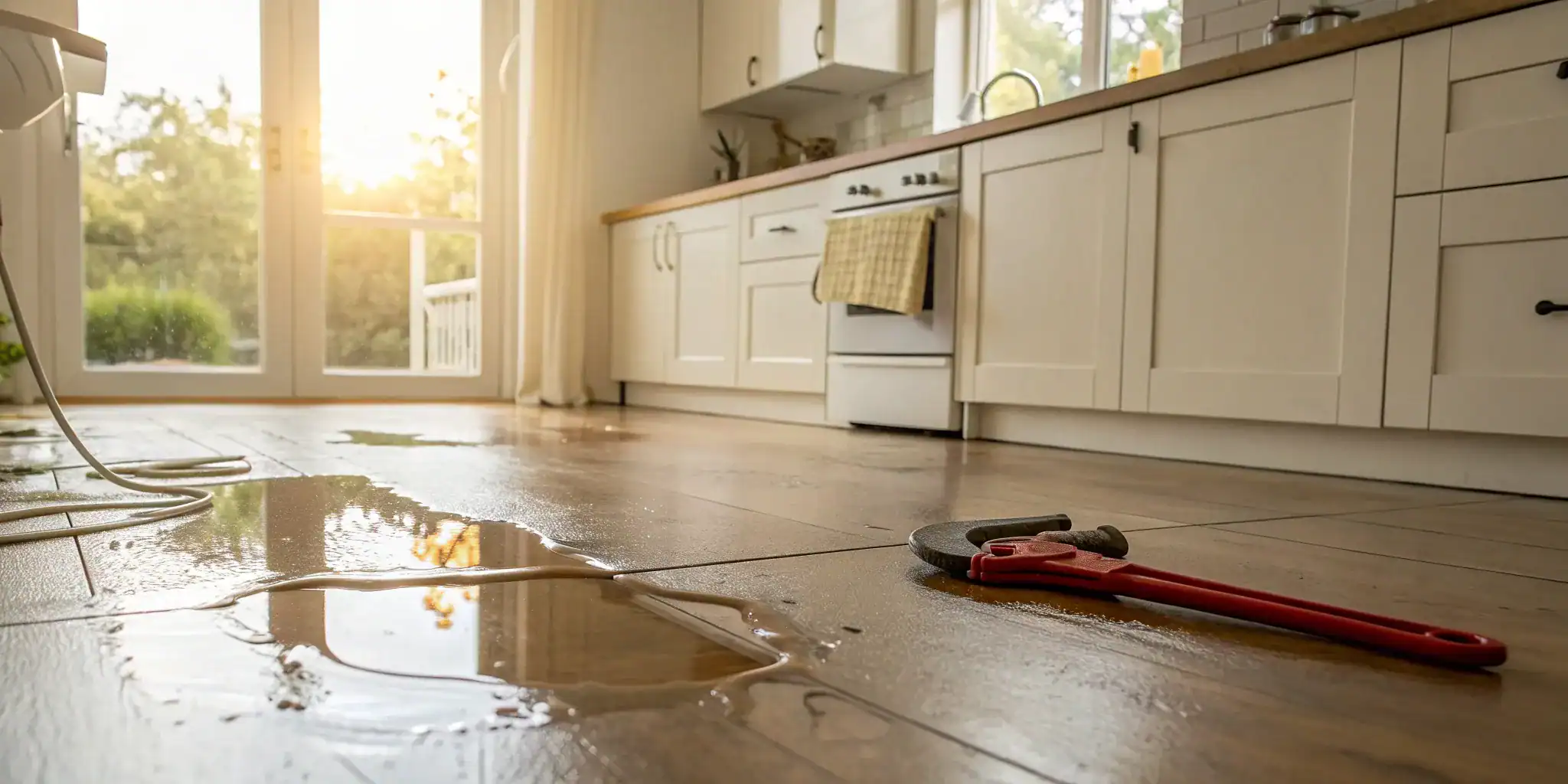
Filing an insurance claim for a burst pipe can feel a bit like trying to assemble complicated furniture without the instructions. You have all the pieces—the damage, the policy, the phone calls—but you’re not sure how they fit together. One wrong move, and the whole thing could feel unstable. The insurance company has its own set of blueprints, and they aren’t always easy to follow. This guide acts as your instruction manual. We’ll show you how to put all the pieces of your homeowners insurance claim burst pipe together correctly, ensuring you build a strong, stable case for the full and fair settlement you deserve.
Key Takeaways
- Focus on the Aftermath, Not the Source: Homeowners insurance typically covers the resulting damage from a sudden pipe burst, such as ruined floors and furniture. However, the cost to repair the actual broken pipe and damage from slow, ongoing leaks are often excluded from standard policies.
- Act Fast and Document Everything: Your first priorities should be to shut off the main water valve to stop the flow and then take extensive photos and videos of the damage. This immediate evidence is crucial for building a strong and successful insurance claim.
- Be an Informed and Prepared Policyholder: A smooth claims process requires organization, from keeping detailed records of communication to understanding your policy. If the process feels overwhelming or the settlement seems unfair, a public adjuster can step in to manage the claim and negotiate on your behalf.
What Does Insurance Cover When a Pipe Bursts?
When you’re standing in a puddle in your living room, the last thing you want to do is decipher a dense insurance policy. The good news is that most homeowners insurance policies have some standard guidelines for what they cover when a pipe bursts. Generally, the key factor is whether the cause was sudden and accidental. If a pipe unexpectedly fails and floods your home, your policy will likely step in to help with the aftermath.
However, insurance policies are filled with specific terms and exclusions that can make or break your claim. Understanding these details ahead of time can help you know what to expect and how to prepare your claim for the best possible outcome. Let’s walk through what’s typically covered, what’s not, and some of the extra protections you might have in your policy.
What’s Usually Covered
Most standard homeowners insurance policies are designed to protect you from unexpected disasters, and a burst pipe often falls into that category. The coverage typically applies to the resulting damage from the water. Think of it this way: if a pipe in your wall suddenly splits, your insurance is there to help pay for drying out the area and repairing the saturated drywall, ruined flooring, and damaged furniture. This type of sudden and accidental water damage is precisely what your policy is for. The event must be unforeseen; you couldn’t have reasonably predicted it was going to happen.
Common Policy Exclusions
While your policy may cover the mess, it usually won’t cover the source of the problem if it’s due to neglect. Insurance companies consider plumbing maintenance your responsibility as a homeowner. For this reason, they often exclude damage from slow, ongoing leaks that you could have fixed sooner. They also typically won’t pay to repair or replace the actual pipe that burst, especially if it failed because of age, rust, or general wear and tear. The insurer’s view is that the pipe itself is a maintenance item, but the sudden damage it caused is an insurable accident.
Types of Covered Water Damage
When we talk about “resulting damage,” it can cover a wide range of repairs and replacements needed to get your home back to its original condition. This could include the cost of tearing out and replacing soaked carpets, warped hardwood floors, and crumbling drywall. It may also cover the cost of professional water extraction and drying services to prevent mold growth. If the water damaged your personal belongings, like electronics, clothes, or couches, your personal property coverage would likely apply here as well. The goal of the coverage is to address all the secondary damage that occurred because the pipe burst.
Understanding Living Expense Coverage
If the water damage is so severe that your home becomes unlivable during repairs, your policy may have a provision called Additional Living Expenses (ALE) or Loss of Use coverage. This is a huge help that many homeowners don’t realize they have. ALE coverage can help pay for the extra costs you incur while you’re displaced from your home. This could include expenses for a hotel or rental property, restaurant meals if you can’t access your kitchen, and even pet boarding fees. It’s designed to help you maintain your normal standard of living while your home is being restored.
What to Do Immediately After a Pipe Burst
Discovering a burst pipe can feel overwhelming, but your immediate actions can significantly impact the extent of the damage and the success of your insurance claim. When water is spreading, every second counts. Taking a deep breath and following a clear plan can help you protect your property and your finances. The key is to stop the source of the water, manage the immediate aftermath, and document everything for your records.
Think of these next few steps as your emergency checklist. By systematically working through them, you can gain control of a chaotic situation. This isn’t just about cleanup; it’s about setting the stage for a smoother claims process. Your insurance company will want to see that you took reasonable steps to mitigate the damage as soon as you discovered the problem. Let’s walk through exactly what you should do the moment you realize a pipe has burst in your home or business.
Shut Off the Water
Before you do anything else, you need to stop the flow of water. Your home’s main water shut-off valve is your first line of defense. If you know where it is, turn it off immediately. This single action prevents more water from entering your property and causing further destruction. If you’re unsure where your main shut-off valve is located, now is a good time to find it for future reference—it’s often in a basement, crawl space, or utility closet. Stopping the water source is the most critical first step you can take.
Control the Damage
Once the water is off, your focus should shift to damage control. The goal is to remove as much water as possible, as quickly as possible, to prevent secondary issues like mold. Standing water can cause serious water damage to floors, drywall, and furniture. If it’s safe to do so, turn off the electricity in the affected areas to avoid electrical hazards. Then, start removing water with mops, buckets, and towels. Acting fast is crucial because some insurance policies may not cover mold growth if it’s determined you waited too long to address the initial water problem.
Document Everything
Before you move anything or begin major cleanup, pull out your phone and start documenting. Take clear photos and videos of everything. Capture the source of the leak, the standing water, and all the damaged items and structural materials. Get wide shots of the entire affected area and close-ups of specific damage. This visual evidence is incredibly valuable for your insurance claim. It creates a clear record of the property’s condition immediately after the incident, which can be essential for proving the full extent of your losses to the insurance company.
Call for a Professional Assessment
With the immediate crisis under control, it’s time to call for help. You may want to contact a plumber to address the broken pipe and a water mitigation company to handle professional drying and cleanup. You should also notify your insurance company as soon as possible to get the claims process started. They might have preferred vendors they want you to use. Remember, the initial assessment from the insurance company’s adjuster represents their interests. For an expert opinion that represents yours, consider contacting a public adjuster who can help you understand your policy and advocate for a fair settlement.
How to File Your Burst Pipe Claim
Filing an insurance claim can feel like a huge task, especially when you’re already dealing with the stress of a burst pipe. But breaking it down into manageable steps can make the process much clearer. The key is to be organized, thorough, and proactive from the very beginning. Your goal is to provide your insurance company with everything they need to process your claim fairly and efficiently. Remember, you have rights as a policyholder, and taking the right steps now can make a significant difference in the outcome of your claim. Let’s walk through how to handle the filing process one step at a time.
Start the Claims Process
Once you’ve managed the immediate crisis of stopping the water and moving your belongings, your next call should be to your insurance company. Let them know what happened as soon as possible to get the official process started. They will assign you a claim number and likely an adjuster. Some insurance providers may even send out a preferred contractor to help with the initial water cleanup and drying process. Getting the ball rolling quickly is important, but don’t feel rushed into making any permanent repair decisions. This initial call is about notifying the insurer and understanding the immediate next steps they require from you.
Gather the Right Documents
This is where your documentation from the moment you discovered the leak becomes critical. Before you make any repairs or throw anything away, you should take photos and videos of the damage, including the source of the leak if you can safely access it. Create an inventory of all damaged items, noting their age, condition, and estimated replacement cost. Keep a detailed log of every conversation you have with your insurance company, including the date, time, and who you spoke with. Also, hold onto all receipts for any immediate expenses you incur, like plumbing repairs or temporary housing. This evidence is essential for substantiating your water damage claim.
Work with the Insurance Adjuster
Your insurance company will assign its own adjuster to inspect the damage and evaluate your claim. It’s important to remember that this adjuster works for the insurance company, and their job is to assess the loss from the company’s perspective. Be cooperative and provide them with all the documentation you’ve gathered. Walk them through the property and point out all the damage you’ve identified. While most comprehensive home insurance policies should cover sudden and accidental water damage from a burst pipe, the adjuster’s interpretation of your policy and the damage will heavily influence the settlement offer.
Why Claims Are Often Denied
It can be incredibly frustrating to have a claim denied, but understanding the common reasons can help you prepare. Insurers often deny claims if they determine the damage was gradual, such as from a slow, long-term leak, rather than a sudden burst. A lack of routine maintenance can also be a reason for denial. It’s also crucial to know that standard policies typically exclude damage from floods, sump pump failures, or groundwater seepage. If your claim is denied, it doesn’t have to be the final word. Our team has extensive experience helping homeowners re-open denied claims to secure the compensation they deserve.
Tips for a Smoother Claim
To help your claim move along more smoothly, start by reading your insurance policy. Taking the time to understand your policy helps you know what is and isn’t covered before you even file. Don’t be afraid to ask your insurance agent questions if any of the language is unclear. Keep your communication with the insurance company professional and in writing whenever possible. Follow up phone calls with an email summarizing what was discussed. Being organized, informed, and persistent is your best strategy. If the process becomes overwhelming or you feel the settlement offer is unfair, consider getting a professional second opinion.
When to Call for Professional Help
Dealing with the aftermath of a burst pipe is stressful enough without adding a complicated insurance claim to the mix. While you can handle minor claims on your own, there are times when the damage is so extensive or the process becomes so overwhelming that calling in a professional is the best move. If you’re facing significant property loss, a difficult insurance company, or just feel in over your head, a public adjuster can step in to manage the claim on your behalf. Their job is to advocate for you, the policyholder, to ensure you receive a fair and just settlement.
A public adjuster works for you, not the insurance company. They bring expertise in policy language, damage assessment, and negotiation to the table, leveling the playing field. This can be particularly helpful when the damage from a burst pipe has spread to your floors, walls, ceilings, and personal belongings. Instead of you trying to become an insurance expert overnight, they handle the details so you can focus on getting your home and life back in order. Think of them as a partner who has your back throughout the entire process.
How a Public Adjuster Can Help
When you’re dealing with a major water damage event, a public adjuster becomes your dedicated advocate. They start by conducting a thorough review of your insurance policy to understand the full extent of your coverage. From there, they meticulously document all the damage—not just the obvious issues, but also the hidden problems that could lead to mold or structural issues down the road. They know what insurance companies look for and how to present the evidence in the most effective way. This detailed documentation is crucial for building a strong claim and is a key part of how public adjusters support homeowners.
Manage Insurance Communications
One of the most draining parts of a claim is the constant back-and-forth with your insurance provider. A public adjuster takes this burden off your shoulders by handling all communications. If your insurance company is delaying payment, not investigating your damages properly, or making a lowball offer, your adjuster will step in to press for a fair and timely resolution. They speak the language of insurance and aren’t intimidated by the tactics some companies may use. This allows you to step back from the stressful negotiations and focus on your family and your property’s recovery.
Negotiate a Fair Settlement
Negotiating a settlement is where a public adjuster’s skills truly shine. They are expert negotiators who understand the true cost of repairs and replacement. They’ll prepare a detailed estimate of damages and use it to negotiate with the insurance company for the best possible settlement. Because they handle claims every day, they have a deep understanding of what it takes to restore a property after significant water damage. Their goal is to ensure the final settlement is enough to cover all your losses, so you aren’t left paying out-of-pocket for repairs that should have been covered by your policy.
What Does a Fair Settlement Look Like?
A fair settlement should provide enough funds to return your home to its pre-loss condition. This isn’t just about patching a wall; it’s about comprehensively addressing all the damage. A proper settlement typically covers structural repairs, such as replacing drywall, flooring, and insulation, as well as the cost of replacing damaged personal belongings like furniture, electronics, and clothing. In many cases, you may receive separate payments for damage to the structure of your home and for your personal property. The ultimate goal is to ensure you have the financial resources to fully recover without cutting corners.
How to Prevent Future Pipe Damage
After dealing with the stress of a burst pipe and an insurance claim, the last thing you want is a repeat performance. Taking a few proactive steps can significantly reduce the risk of future water damage and give you peace of mind. Think of it as an investment in your property’s health and your own sanity. By staying on top of your home’s plumbing system, you not only prevent potential disasters but also show your insurance provider that you’re a responsible property owner, which can be helpful if you ever need to file another claim. These simple habits and checks can save you a lot of time, money, and frustration down the road.
Perform Regular Maintenance
Your insurance company expects you to keep your property in good shape, and that includes the plumbing. Regular maintenance is your first line of defense. This doesn’t have to be complicated—it’s about paying attention to the little things before they become big problems. Make it a habit to periodically check under sinks for small drips, listen for running toilets, and address slow drains promptly. Clearing clogs and fixing minor leaks as soon as you spot them are essential parts of a good home maintenance routine. Keeping your plumbing in good working order is one of the most effective ways to prevent sudden and catastrophic failures.
Watch for Warning Signs
Pipes often give subtle hints before they fail. If you notice any warning signs of a leak and don’t address them, your insurance company could argue the damage resulted from negligence, potentially leading to a denied claim. Be on the lookout for things like damp spots on walls or ceilings, a musty smell that you can’t trace, peeling paint or wallpaper, or a sudden, unexplained spike in your water bill. These are all red flags that could point to a hidden leak. Investigating these signs immediately can help you catch a small issue before it turns into a full-blown flood.
Protect Pipes from the Cold
While Florida isn’t known for its harsh winters, a sudden cold snap can still put your pipes at risk, especially in unheated areas like a garage, attic, or crawl space. When the temperature is expected to dip, it’s a good idea to let faucets drip slowly to keep water moving. You can also insulate any exposed pipes to give them an extra layer of protection. If you plan to be away from home for an extended period during cooler months, keep your thermostat set to at least 55 degrees. These simple precautions against freezing can prevent water from freezing, expanding, and bursting your pipes.
Install Smart Leak Detectors
Technology can be a fantastic ally in protecting your home. Smart water leak detectors are small devices you can place near water heaters, washing machines, sinks, and toilets. If one of these sensors detects moisture, it will send an alert directly to your smartphone. This early warning allows you to act fast, often before significant damage occurs. Some advanced systems can even shut off your home’s main water supply automatically when a leak is detected. Investing in a water leak detection system is a modern, effective way to monitor your plumbing around the clock.
Get Professional Inspections
Sometimes, you need an expert’s eye to spot potential trouble. Having a licensed plumber inspect your home’s plumbing system every couple of years can help identify corrosion, stress fractures, and other age-related issues that aren’t visible to the untrained eye. A professional can assess the health of your pipes and recommend repairs or replacements before a failure occurs. If you do have work done, be sure to keep detailed records of all inspections and repairs. This documentation can be incredibly valuable as proof of maintenance if you ever need to file an insurance claim in the future.
Maximize Your Insurance Coverage
Dealing with a burst pipe is stressful enough without discovering you don’t have the right insurance coverage. While you can’t predict when a disaster will happen, you can take steps to ensure you’re in the best possible position if it does. Think of your insurance policy not as a static document, but as a flexible safety net that needs regular attention to work effectively. Being proactive is your best strategy for a smoother claims process and a fair outcome.
A little preparation can make a world of difference. It helps you understand what your policy actually says, identify potential gaps before they become problems, and build a strong case for your claim from day one. By taking a few simple steps throughout the year, you can feel more confident that your coverage truly protects your home and your finances. Let’s walk through four key strategies to help you get the most out of your homeowners insurance policy.
Review Your Policy Annually
Your life changes, and your insurance policy should change with it. It’s a good practice to review your policy documents at least once a year. When you do, check that water damage is specifically included in the dwelling, personal property, and loss of use sections. Dwelling coverage protects the structure of your home, personal property covers your belongings, and loss of use helps with living expenses if you have to move out during repairs. An annual review ensures your coverage limits still make sense, especially if you’ve made home improvements or purchased valuable new items.
Consider Additional Coverage
A standard homeowners policy is a great start, but it doesn’t always cover everything. For example, insurance usually pays for the damage caused by a burst pipe, like soaked drywall and ruined floors, but it often excludes the cost of repairing the pipe itself. This can be a frustrating surprise for many homeowners. Talk to your insurance agent about endorsements or riders, which are optional add-ons that can fill these gaps. You might find value in adding coverage for things like service line repairs or gradual water damage, giving you more comprehensive protection.
Master Your Documentation
When you file a claim, solid documentation is your most powerful tool. After a pipe bursts, your first instinct might be to clean up, but it’s crucial to take photos and videos of the damage and its source before making any repairs. Even better, create a home inventory well before you ever need one. Simply walk through your home with your smartphone, recording a video of your belongings and narrating details about valuable items. This simple step can make it much easier to prove the value of your possessions and streamline your personal property claim.
Create a Long-Term Protection Plan
The best way to handle a burst pipe claim is to prevent the pipe from bursting in the first place. A long-term protection plan involves simple, proactive maintenance. Consider getting annual pipe inspections from a qualified plumber who can spot and fix small issues before they become major disasters. Know where your main water shut-off valve is so you can act quickly in an emergency. Insulating pipes in unheated areas like basements or attics can also provide an extra layer of defense against freezing, one of the most common causes of burst pipes.
Related Articles
- Your Guide to a Burst Pipe Insurance Claim – Public Adjuster
- Does Homeowners Insurance Cover Water Line Replacement? – Public Adjuster
Frequently Asked Questions
Why would I need a public adjuster if my insurance company already has an adjuster? This is a great question because it gets to the heart of how the claims process works. The adjuster sent by your insurance company works for them, and their primary role is to assess the damage from the company’s financial perspective. A public adjuster, on the other hand, works directly for you. We represent your interests, handling everything from documenting the full scope of the damage to negotiating with the insurer to ensure you receive a fair and complete settlement based on the terms of your policy.
Does my insurance policy cover the cost of the broken pipe itself? Typically, a standard homeowners policy does not cover the cost to repair or replace the actual pipe that burst. Insurance is designed to cover the sudden and accidental resulting damage—like the ruined drywall, warped flooring, and soaked furniture. The pipe itself is often considered a maintenance item that is the homeowner’s responsibility to keep in good repair. It’s a common point of confusion, so it’s always a good idea to check your specific policy for any add-on coverage you might have for service lines.
My insurance company wants to send their own contractor. Do I have to use them? You generally have the right to choose your own contractor for repairs. While the insurance company’s preferred vendor might be convenient, they work for the insurer. Getting your own estimates from trusted, licensed contractors can give you a more accurate picture of the repair costs. This also ensures the work is done to your standards. You can then submit these estimates to your insurance company as part of your claim documentation.
What are my options if my burst pipe claim is denied for being a ‘slow leak’? A denial can feel final, but it doesn’t always have to be. Insurers often deny claims by classifying the cause as a gradual leak rather than a sudden burst, arguing it’s a maintenance issue. If this happens, you can challenge the decision. This often involves gathering evidence, such as a report from an independent plumber, to prove the failure was indeed sudden. This is a situation where a public adjuster can be particularly helpful, as we specialize in re-opening denied claims and presenting a stronger case on your behalf.
How can I prove the value of my damaged personal belongings? Proving the value of your personal property is a critical part of your claim. The best strategy is to be proactive by creating a home inventory before you ever need it. You can do this by simply walking through your home and taking a video of your belongings. For a current claim, gather any receipts, credit card statements, or original photos you have of the damaged items. Create a detailed list of everything that was ruined, including its age, original cost, and estimated replacement cost. This thorough documentation makes it much harder for an insurer to undervalue your loss.