 Proudly Serving the Entire State of Florida

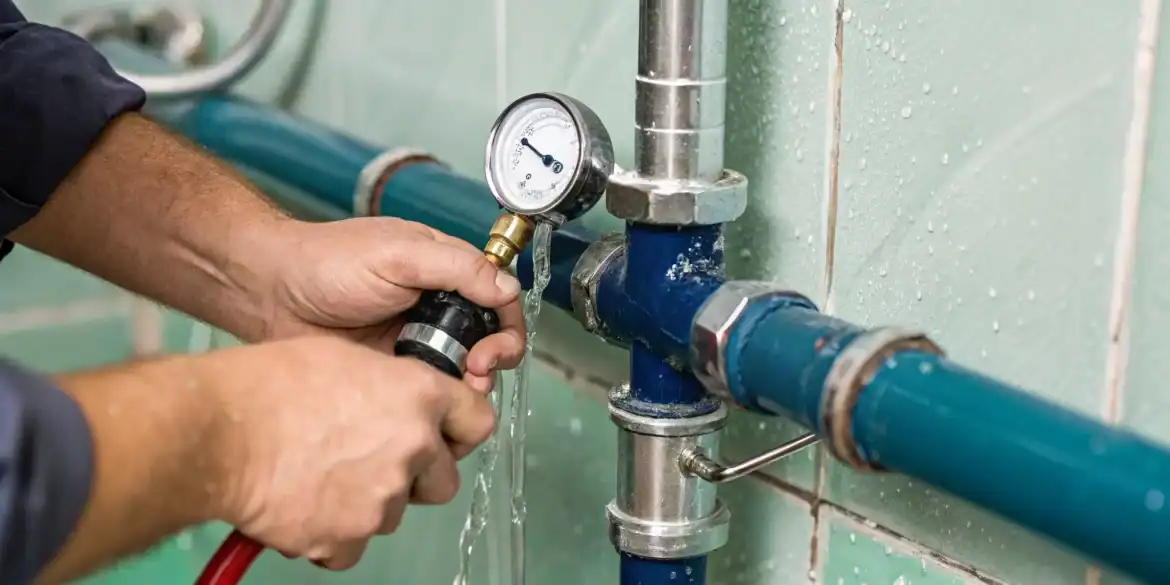
When you’re filing a water damage claim, your insurance company will want proof. A hydrostatic test provides exactly that. It’s a definitive, non-destructive method for confirming the source of a hidden leak in your plumbing system. This test offers concrete evidence that can be critical when negotiating a fair settlement. Instead of relying on guesswork, it uses controlled water pressure to pinpoint weaknesses or breaks in your pipes. Having a professional report from a hydrostatic test can strengthen your claim significantly, showing that the damage is the result of a specific system failure. It removes ambiguity and gives you the documentation needed to support your case for repairs.
Key Takeaways
- Identify hidden leaks before they escalate: A hydrostatic test is like a stress test for your plumbing, using pressurized water to reveal vulnerabilities that aren’t visible. This proactive step can help you catch small issues before they turn into major water damage events.
- Get definitive proof of your plumbing’s condition: The test provides a clear pass-or-fail result, offering documented evidence of leaks or weaknesses. This information is incredibly useful for planning targeted repairs and can be essential when filing a property damage insurance claim.
- Understand it’s a snapshot, not a guarantee: While effective, this test shows your system’s health at a single point in time and doesn’t predict future problems like corrosion. It’s best used as a key diagnostic tool within a broader property maintenance strategy, especially for older homes.
What Is a Hydrostatic Test?
If you’re dealing with a suspected plumbing leak, you may have heard a professional mention a “hydrostatic test.” It sounds technical, but the concept is quite simple. Think of it as a way to check your home’s plumbing system for leaks without having to tear open walls or dig up your foundation just to find the source of the problem. It’s a non-destructive method used to test the strength and integrity of pressurized systems like pipes, tanks, and boilers.
This test is a crucial step in diagnosing hidden leaks that could be causing serious water damage to your property. By filling the plumbing system with water and pressurizing it, a professional can see if the pressure holds steady. If it drops, it’s a clear sign that there’s a leak somewhere in the line. This allows for a much more targeted and less invasive repair, saving you time, money, and a lot of headaches. It’s an essential tool for ensuring the safety and reliability of your property’s plumbing infrastructure.
A Quick Look at the Process
The hydrostatic testing process is methodical and precise. First, a plumber will isolate the section of the plumbing system they need to test. They’ll then fill it completely with water, making sure to get rid of any air pockets, as trapped air can compress and give inaccurate results. Once the system is full, they use a pump to increase the pressure inside the pipes to a level that’s typically higher than its normal operating pressure. This is done to simulate a high-stress scenario and expose any potential weak points. The system is then left under pressure for a specific amount of time while the plumber carefully monitors a pressure gauge for any drops.
Key Equipment Involved
Performing a hydrostatic test requires a few key pieces of specialized equipment. The most important tool is a set of calibrated pressure gauges, which accurately measure the pressure inside the pipes throughout the test. A dedicated water supply and a powerful pump are needed to fill the system and bring it up to the required pressure. Professionals will also use a series of hoses and fittings to connect their equipment to your plumbing system securely. In some cases, they might use tools to measure any expansion of the pipes under pressure. While water is almost always the liquid of choice because it’s safe and readily available, other fluids like oil might be used in specific industrial situations where water could cause damage.
Why Is Hydrostatic Testing So Important?
Think of hydrostatic testing as a health check-up for your property’s plumbing system. It’s a proactive step that can save you from major headaches, unexpected costs, and dangerous situations down the road. By identifying potential issues before they escalate, you’re not just performing routine maintenance; you’re actively protecting your investment. For property owners, understanding the value of this test is key to preventing disasters that could lead to complex insurance claims and lengthy repairs. It’s about gaining peace of mind and ensuring the long-term integrity of your building’s most critical systems.
Prevent Catastrophic Failures
The most significant benefit of hydrostatic testing is its ability to prevent system failures before they happen. A hidden leak or a weak point in a pipe might not be noticeable during daily use, but it can lead to a sudden and catastrophic burst. This kind of failure can cause extensive water damage, ruin flooring, drywall, and personal belongings, and create the perfect environment for mold growth. By pressurizing your plumbing system in a controlled way, a hydrostatic test can reveal these vulnerabilities. It’s a reliable method for confirming the structural integrity of your pipes, ensuring they can handle the pressure of everyday operation without risking a disastrous failure.
Detect Structural Weaknesses Early
Hydrostatic testing is designed to find the weak spots in your plumbing that could cause problems later. The test works by filling the system with water and increasing the pressure to a level higher than its normal operating limit. This “stress test” effectively exposes any hidden flaws, such as hairline cracks, faulty joints, or areas weakened by corrosion. Identifying these issues early allows you to make targeted repairs before a small problem turns into a major leak. This proactive approach is far more cost-effective than dealing with the aftermath of a full-blown plumbing emergency and helps ensure your equipment works correctly and safely.
Ensure Compliance with Safety Regulations
For many commercial properties and even some residential complexes, regular hydrostatic testing isn’t just a good idea—it’s a requirement. Various organizations and local codes mandate these tests to ensure public safety. Adhering to these safety standards is crucial for legal compliance and can help you avoid potential fines or liability issues. More importantly, it demonstrates a commitment to maintaining a safe environment for tenants, employees, or customers. Regular testing, especially after any repairs or modifications to the plumbing system, confirms that everything is up to code and functioning as it should, protecting both people and property.
Where Is Hydrostatic Testing Used?
While the term “hydrostatic testing” might sound like something reserved for industrial sites, its applications are surprisingly common and play a crucial role in keeping properties and equipment safe. This method is the go-to for verifying the integrity of any system designed to hold pressure. From the pipes running beneath your home to critical safety equipment, hydrostatic testing is a trusted process for ensuring everything is sealed tight and structurally sound. It’s a versatile test used across various sectors to prevent leaks, failures, and potential disasters.
Residential and Commercial Plumbing
For property owners, this is where hydrostatic testing hits close to home. It’s a primary method for finding leaks in a building’s plumbing system, especially the sewer and drain lines that run under the foundation. A plumber will fill the pipes with water and pressurize the system. If the pressure drops, it’s a clear sign that there’s a leak somewhere, even if it’s not visible. This is particularly useful for diagnosing hidden slab leaks that could otherwise cause significant foundation issues and extensive water damage. Identifying these problems early can save you from much more costly and disruptive repairs down the road, making it an important diagnostic tool for maintaining your property.
Oil and Gas Pipelines
On a much larger scale, hydrostatic testing is essential for maintaining the safety of oil and gas pipelines. These vast networks transport materials under high pressure over long distances, and a failure could be catastrophic for the environment and nearby communities. Before a new pipeline goes into service, and periodically throughout its life, it undergoes rigorous hydrostatic testing. This process verifies that there are no manufacturing defects in the pipes, that all welds are secure, and that the entire system can safely handle its intended operating pressure. It’s a non-negotiable step in ensuring these critical pieces of infrastructure are built and maintained correctly to prevent environmental hazards.
Pressure Vessels and Fire Equipment
Any container designed to hold contents under pressure relies on hydrostatic testing to confirm its safety. This includes a wide range of items, from industrial boilers and compressed gas cylinders to the fire extinguishers you see in buildings. During a test, these vessels are filled with water and pressurized to a level significantly higher than their normal operating pressure. This helps assess their structural integrity and check for leaks or weaknesses that could lead to a dangerous rupture. Regular testing is often required by law for items like scuba tanks and fire extinguishers to ensure they will function properly and safely when needed most.
How Is a Hydrostatic Test Performed?
A hydrostatic test might sound complicated, but it’s a pretty straightforward process when handled by a professional. Think of it as a stress test for your plumbing system. By carefully pressurizing your pipes with water, a technician can pinpoint leaks that might otherwise go unnoticed, potentially saving you from the headache of extensive water damage down the road. The entire procedure is methodical, designed to safely and accurately assess the integrity of your pipes without causing any harm to your property. It’s a proactive step that provides a clear picture of your plumbing’s health. Understanding how it works can help you feel more confident when you need to schedule one for your home or commercial building. The process generally breaks down into three key phases: preparation, pressurization, and evaluation. Each step is crucial for getting reliable results that you can use for repairs or even an insurance claim.
Step 1: System Prep and Inspection
Before any pressure is applied, the plumbing system needs to be properly prepared. A technician will start by isolating the section of pipe they need to test. Then, they will fill the system completely with water, making sure to bleed out every last bit of air. Trapped air can compress, which could lead to inaccurate pressure readings or even create a safety hazard. Water is almost always used for this test because it’s incompressible and readily available. This initial prep and visual inspection phase is fundamental to ensuring the test is both safe and effective, setting the stage for an accurate assessment of your pipes.
Step 2: Pressurization and Monitoring
Once the system is filled and free of air, the actual test begins. The technician will use a special pump to gradually increase the water pressure inside the pipes. This test pressure is typically raised to about 1.5 times the system’s normal operating pressure. This higher-than-normal pressure helps to expose any hidden weak spots, like hairline cracks or faulty joints, that wouldn’t show up under everyday conditions. The system is then held at this elevated pressure for a specific period, while the technician carefully monitors a pressure gauge to see if it drops, which would indicate a leak somewhere in the line.
Step 3: Evaluation and Documentation
During and after the pressurization phase, the technician conducts a thorough visual inspection of the entire pipe system. They’ll look for any signs of trouble—drips, moisture, or bulging in the pipes. To make even the smallest leaks easier to find, a fluorescent dye is sometimes added to the water, which will glow under a special light. If the pressure holds steady and no leaks are found, your system passes the test. The technician will then provide you with documentation of the results. This report is incredibly valuable, especially if you’re dealing with an insurance claim, as it provides concrete evidence of your plumbing’s condition.
What Are the Different Types of Hydrostatic Tests?
Not all hydrostatic tests are created equal. Think of it like a car inspection—sometimes you’re checking the tire pressure, other times you’re testing the brakes. Hydrostatic testing can be adapted to answer different questions about your plumbing system’s health. The main goals are to check for strength, find leaks, or determine the maximum pressure a component can handle. Understanding the specific type of test gives you a clearer picture of what the results mean for your property.
Proof Pressure Testing (Strength)
This is essentially a strength test for your pipes. A proof pressure test verifies the structural soundness of a system by subjecting it to pressure that’s higher than its normal operating level. The idea is to confirm that the pipes and fittings can handle potential pressure surges without failing. It’s a proactive way to ensure the system’s materials and construction are up to the task, giving you confidence in its long-term durability. This type of hydrostatic pressure testing confirms the system is as strong as it was designed to be.
Leak Detection Testing (Integrity)
When you suspect a hidden leak, this is the test you’ll likely see. Leak detection testing focuses on the integrity of your plumbing system. The process involves filling the pipes with water, pressurizing them, and monitoring for any drop in pressure. If the pressure holds, the system is sealed. If it drops, it’s a clear sign that water is escaping somewhere, which can cause significant water damage. Sometimes, a special dye is added to the water to make finding the exact location of small leaks much easier for the professionals to pinpoint.
Burst Pressure Testing (Capacity)
As the name suggests, this is the most intense type of hydrostatic test. Burst pressure testing is designed to find the breaking point—the exact pressure at which a component will fail. This isn’t a test you’d run on the plumbing inside your home. Instead, it’s used by manufacturers in a controlled setting to verify the safety and maximum capacity of their products, like pipes or tanks. By pushing a component to its limit, they can confirm it meets safety standards and can withstand extreme, worst-case-scenario conditions without failing catastrophically.
Key Safety Measures for Hydrostatic Testing
While hydrostatic testing is a reliable way to check your plumbing system’s integrity, it involves putting pipes and components under significant pressure. Because of this, safety isn’t just a suggestion—it’s a requirement. A professional team will always prioritize safety to protect both the technicians and your property. Understanding these measures can give you peace of mind that the job is being done correctly and responsibly.
The process uses high-pressure water to find leaks, and if a component fails, that pressure can be released suddenly and forcefully. This is why trained professionals follow strict protocols. These safety steps include using the right gear, securing the test area, and having a clear plan for every possible outcome. As a property owner, knowing what these safety standards look like helps you ensure you’ve hired a qualified and careful team for the job. It’s about more than just finding a leak; it’s about preventing a minor plumbing issue from turning into a major safety incident or causing further property damage. A thorough safety protocol is a key indicator of a reputable service provider.
Essential Personal Protective Equipment (PPE)
When dealing with pressurized systems, the right gear is the first line of defense. Anyone directly involved in the hydrostatic test should be wearing appropriate personal protective equipment, or PPE. This isn’t just about looking professional; it’s about preventing serious injury. Key items typically include safety glasses or goggles to protect the eyes from high-pressure spray, durable gloves to protect the hands, and steel-toed boots to guard against falling equipment or a ruptured pipe. Depending on the location and complexity of the system, additional protective clothing may also be necessary. This simple step ensures that the technicians conducting the test are shielded from the most common physical risks associated with the procedure.
Secure Testing Areas and Emergency Plans
Creating a controlled environment is just as important as wearing the right gear. Before any pressure is applied, the testing area should be cleared of anyone not directly involved in the procedure. Professionals will often use caution tape or barriers to establish a safe perimeter. This is because a failure in a hose or fitting can cause it to whip around with incredible force, posing a significant danger. A crucial part of a safe work procedure is also having a well-defined emergency plan. The team should know exactly what to do if a leak is detected or a component fails, including how to safely depressurize the system and where emergency shut-offs are located. This preparation ensures that any unexpected event can be managed quickly and safely.
How Often Is Hydrostatic Testing Needed?
One of the most common questions property owners have is about the timing of a hydrostatic test. The simple answer is: it depends. There isn’t a single, universal schedule for every pipe and pressure vessel. The right frequency is tied to the specific system you’re dealing with, its age, what it’s made of, and the regulations that govern it. For a homeowner, the primary concern is typically the plumbing system, which may not have the same strict, legally mandated testing schedule as industrial equipment.
However, understanding the principles behind testing frequency can help you make informed decisions about your property’s maintenance. Knowing when to proactively test your plumbing can be the difference between catching a small issue and facing a catastrophic failure that leads to a major water damage claim. The goal is always to identify weaknesses before they become disasters. The following guidelines can help you understand the general timelines and specific factors that influence how often a hydrostatic test may be necessary for different types of systems.
Industry-Specific Timelines
For many types of commercial and industrial equipment, testing schedules are not just suggestions—they’re often required by law. The frequency of these tests is directly related to the equipment’s function and the level of risk it carries. For instance, high-pressure gas cylinders may need a full hydrostatic test every two years, with a visual check every year. On the other hand, lower-pressure items, like the fire extinguishers you see in office buildings and stores, might only require testing every five or ten years. While your home’s plumbing system is different, these examples illustrate a key principle: the greater the pressure and potential for failure, the more frequent the need for regular testing becomes.
Factors That Affect Frequency
Beyond broad industry rules, several specific factors help determine an appropriate testing schedule. The age of the system is a major consideration; an older home with its original cast iron pipes presents a different risk profile than a new build with modern PVC plumbing. The materials themselves play a crucial role, as different materials degrade at different rates and are susceptible to different types of wear. What the system contains and its original pressure rating are also important. Because of these variables, many regulations suggest that hydrostatic pressure testing should occur every three to five years for certain types of equipment. A licensed plumber may recommend a similar timeline for your property, especially if you have an older plumbing system or have experienced leaks in the past.
Does Hydrostatic Testing Have Limitations?
Hydrostatic testing is an incredibly useful tool for checking the strength and integrity of your plumbing system, but it’s not a one-size-fits-all solution. Like any diagnostic test, it has specific functions and, consequently, some limitations. Understanding what this test can and can’t do helps you get a complete picture of your property’s plumbing health. It’s a powerful way to identify existing weak spots under controlled conditions, but it’s important to remember that it provides a snapshot in time, not a continuous guarantee. A pipe that passes with flying colors today could still face issues down the road from gradual corrosion or shifting soil.
For property owners, knowing these boundaries is key to making informed decisions about maintenance and navigating potential water damage claims. If a test reveals a problem, you have clear evidence to act on. But if it doesn’t, it doesn’t mean your system is invincible. This knowledge ensures you’re using the right test for the right problem and pairing it with other methods when necessary to keep your property safe and dry. It’s all about building a complete maintenance strategy rather than relying on a single test to tell you everything.
What This Test Can’t Detect
Think of a hydrostatic test as a stress test for your pipes at a single moment. It’s excellent at revealing leaks or weaknesses that exist during the testing period. However, its primary limitation is that it doesn’t provide ongoing monitoring. A pipe system that passes today could still develop a problem tomorrow due to corrosion, ground shifting, or other factors. The test also requires the system to be taken out of service, meaning it can’t detect operational issues that might only appear when water is flowing under normal, daily-use conditions. It’s a diagnostic snapshot, not a crystal ball for predicting future plumbing performance.
Knowing When to Use Other Methods
Because hydrostatic testing isn’t always the perfect fit, it’s good to know when other approaches might be better. For instance, if a plumbing system is older or too fragile to handle the pressure of a water-based test, professionals might suggest a pneumatic test, which uses air or nitrogen instead. It’s also crucial to understand that hydrostatic testing is just one part of a comprehensive maintenance plan. Regular visual inspections, acoustic leak detection, and other leak detection methods are needed to check your system’s integrity while it’s in use. Combining these strategies gives you a much clearer and more accurate understanding of your plumbing’s overall health.
Related Articles
- Water Pipe Burst Outside House: What to Do Now – Public Adjuster
- How to Tell if a Pipe Burst Underground: 5 Signs – Public Adjuster
- What Happens When a Pipe Bursts Under Your House? – Public Adjuster
Frequently Asked Questions
Will a hydrostatic test damage my plumbing? This is a common concern, but when performed by a qualified professional, a hydrostatic test is very safe. The process is designed to find weak points, not create them. The pressure used is carefully controlled and applied gradually, staying within the safety limits of your plumbing system. The goal is to simulate a high-stress scenario in a controlled way to expose existing vulnerabilities that could cause a major failure under normal conditions.
How long does the testing process typically take? The duration of a hydrostatic test can vary depending on the size and complexity of your plumbing system. For a typical residential property, the process might take a few hours from start to finish. This includes the time needed to properly isolate and fill the system, perform the pressurization and monitoring phase, and then conduct a thorough visual inspection to document the results.
What are the next steps if the test finds a leak? If the test reveals a drop in pressure, it confirms there’s a leak. The next step is to pinpoint its exact location. Professionals may use additional tools, like listening devices or cameras, to find the source of the problem without unnecessary demolition. Once the leak is located, you can get a clear plan and estimate for the repair, which is far more efficient than guessing where the issue might be.
Is this something I should have done regularly, or only when I suspect a problem? While there isn’t a strict schedule for every home, a hydrostatic test is most often performed when there are signs of a potential leak, such as unexplained water bills, damp spots, or foundation cracks. However, it can also be a valuable proactive step, especially if you live in an older home with original plumbing. A professional can help you decide if a preventative test is a good idea for your specific property.
Can the results of a hydrostatic test be used for an insurance claim? Yes, the documentation from a hydrostatic test can be very important for a water damage insurance claim. The report provides concrete, professional evidence that a leak exists and can help verify the source of the damage. This formal documentation can strengthen your claim by clearly showing the underlying cause of the water loss, which is often a key piece of information your insurance company will require.