 Proudly Serving the Entire State of Florida

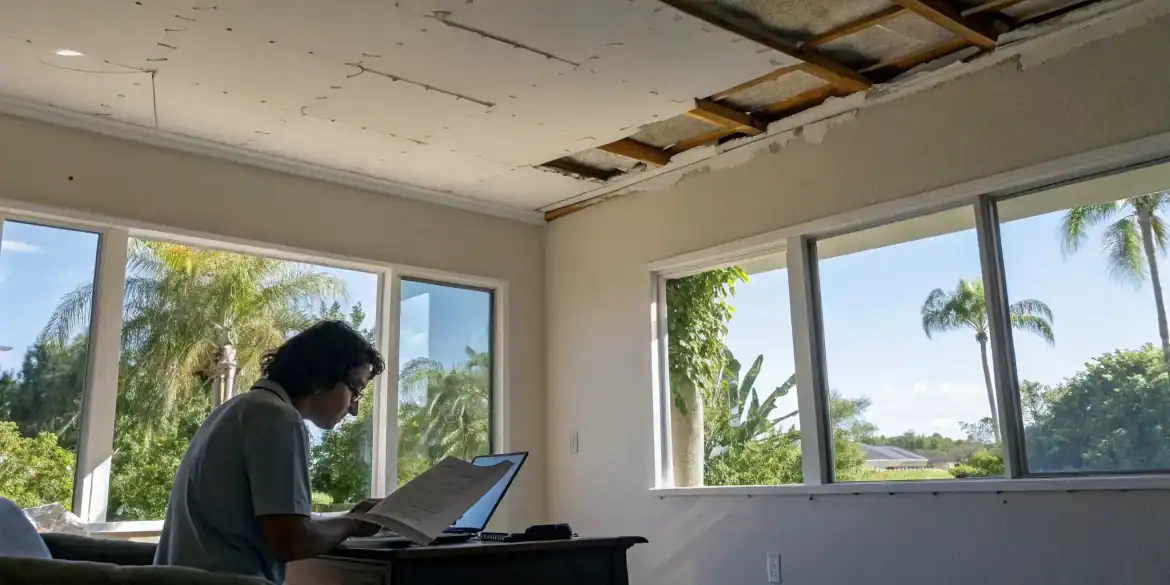
When your insurance company disagrees with your claim, it can feel like you’re gearing up for a fight you never wanted. But what if you viewed it less as a battle and more as a structured conversation with a clear set of rules? That’s exactly what a dispute resolution is—a series of established steps designed to ensure fairness and clarity for both you and your insurer. Knowing this path exists can turn feelings of anxiety into a sense of control. Instead of feeling stuck, you can focus on taking the next logical step. This guide will demystify the insurance claim dispute resolution process, showing you how to state your case clearly, provide the right evidence, and work toward a fair outcome.
Key Takeaways
- Build your case with evidence: Strong documentation is your best tool in a dispute. Systematically collect photos, save all related receipts, and keep a log of every conversation to provide clear, undeniable proof of your losses.
- Know your dispute options: An initial disagreement doesn’t have to be the final word. Learning about the different resolution paths—from direct talks and internal appeals to mediation—can empower you to choose the best strategy for your situation.
- Recognize when you need an expert: You don’t have to face a complex claim dispute alone. If your claim is large, has been denied, or the process feels stalled, bringing in a professional like a public adjuster can provide the expertise needed to move your claim forward.
What Is an Insurance Claim Dispute?
At its core, an insurance claim dispute is a disagreement between you and your insurance company about your claim. It’s that frustrating moment when you realize you and your insurer are not on the same page. This conflict can pop up for a few different reasons. Maybe you feel the settlement offer is far too low to cover your repairs, or perhaps the company has denied your claim outright, leaving you to wonder why.
Sometimes, the dispute centers on the fine print of your policy. You might believe a certain type of damage is covered, while your insurer interprets the language differently. These disagreements can turn a stressful situation, like dealing with property damage, into a complex battle. Understanding what a dispute is and what it looks like is the first step toward figuring out how to handle it effectively and stand up for the compensation you believe you’re entitled to.
What Do Claim Disputes Look Like?
Disputes can take many forms, but they often arise when you’re most vulnerable—after your property has been damaged. You might see them with claims for home damage from a fire, a burst pipe, or a major storm. The most common scenarios involve your insurer denying the claim or offering a settlement that doesn’t come close to covering the actual cost of your losses. For example, your insurance company might agree that your roof is damaged but offer an amount that only covers a patch job instead of a necessary replacement. These situations are the classic signs of a brewing dispute.
When Do Disagreements Usually Happen?
Most disagreements happen because you and your insurer have differing interpretations of the policy. Insurance policies are dense legal documents, and it’s common for a homeowner’s understanding of their coverage to clash with the company’s. A dispute might arise because the insurer questions the proof of damage you’ve provided or argues that you didn’t file your claim in a timely manner. Other times, the conflict is about the scope of the damage itself—you see a widespread problem that needs a major fix, while they see a minor issue that requires a simple repair. These differences in perspective are where most disputes begin.
Why Do Insurance Claim Disputes Occur?
Dealing with property damage is stressful enough without adding a dispute with your insurance company to the mix. Yet, disagreements are surprisingly common. They usually don’t happen because someone is being intentionally difficult; more often, they stem from misunderstandings, different expectations, or complex policy language. Understanding the common reasons for these disputes can help you feel more prepared and in control of the situation. Let’s walk through some of the most frequent reasons a claim might hit a snag.
Your Claim Was Denied or Isn’t Covered
One of the most frustrating moments is receiving a denial letter. Often, this happens because you and your insurance company have different interpretations of your policy’s rules. You might believe a certain type of damage is covered, while your insurer points to a specific exclusion or clause to justify the denial. Insurance policies are complex legal documents, and it’s easy for key details to get lost in the fine print. This difference in understanding is a primary reason claims are denied, leaving you feeling confused and unsure of what to do next. It’s a common hurdle, but it’s one you don’t have to face alone.
The Payout Offer Seems Too Low
Sometimes, the insurance company approves your claim but the settlement offer feels disappointingly low. You’re looking at the damage to your property and the estimates from contractors, and the numbers just don’t add up. This kind of dispute often centers on the cost of repairs. You and your insurer might disagree on the price of materials, the cost of labor, or the scope of work needed to restore your property. For instance, after significant water damage, an insurer might offer to pay for a simple patch job when a more extensive repair is actually required. This gap between their offer and the true cost of recovery is a major point of contention for many property owners.
You and Your Insurer Disagree on the Policy
Beyond a simple denial, you might find yourself in a broader disagreement about what your policy actually covers. This is a fundamental conflict over the terms of your contract. Perhaps you believe your policy includes coverage for a specific event, but your insurer disagrees based on their interpretation of the language. These disputes can feel like you’re speaking two different languages. You’re focused on the promise of protection you paid for, while the insurance company is focused on the specific definitions and limitations within the document. This is where having an expert who understands policy language can make a significant difference in leveling the playing field and advocating for your side.
Your Claim Is Taking Too Long
You’ve filed your claim, submitted your documents, and now… you wait. And wait. Delays are another common source of conflict. While some delays are a normal part of the process, excessive or unexplained waiting periods can be a red flag. Some insurers might slow down the process by sending incorrect forms, requesting duplicate information, or setting tight, unrealistic deadlines for you to respond. These tactics can feel overwhelming and may even cause you to miss important steps. When a claim drags on for too long, it not only adds to your stress but can also prevent you from making timely repairs, which is why professional advocates can be so helpful in keeping the process moving forward.
What Are Your First Steps in a Dispute?
When your insurance company denies your claim or offers a settlement that feels far too low, it’s easy to feel frustrated and powerless. You’ve paid your premiums faithfully, and now, when you need support the most, it feels like you’re being left to fend for yourself. But before you assume it’s a lost cause, know that you have options. A disagreement with your insurer isn’t the end of the road; it’s just a sign that you need to take a more structured approach to get the fair treatment you deserve.
Taking a few initial steps can help clarify the situation, strengthen your position, and often resolve the issue without needing a formal, drawn-out process. Think of it as gathering your tools and creating a game plan before heading into a negotiation. By methodically reviewing your policy, communicating clearly with your insurer, documenting every detail, and seeking expert advice when needed, you can approach the dispute with confidence. These foundational actions are not just busywork; they are the building blocks of a strong case and can make a significant difference in the final outcome of your claim. Let’s walk through what you should do first.
Start by Reviewing Your Policy
Your insurance policy is the contract between you and your insurer, and it’s the single most important document in any dispute. Before you can effectively argue your case, you need to understand exactly what your policy says. Take some time to carefully read through it, paying close attention to what’s covered, your deductibles, and any exclusions that might apply to your situation. For example, if you have water damage, look for specific language about the source of the water and any limitations. Knowing the details of your coverage is the first and most critical step in preparing to challenge your insurer’s decision.
Communicate Directly with Your Insurer
Sometimes, a dispute is just a misunderstanding. Your first move should be to contact your insurance adjuster or a claims manager to discuss their decision. When you speak with them, try to remain calm and polite, and clearly state why you disagree with their assessment. Ask them to provide a specific reason for their decision in writing, referencing the exact part of your policy they are using to justify it. This simple act of effective communication can often clear things up. If the conversation doesn’t lead to a resolution, you’ll at least have a clearer understanding of their position, which is valuable information as you move forward.
Keep Detailed Records of Everything
From the moment you notice property damage, documentation should be your top priority. Keep meticulous records of every single interaction and piece of information related to your claim. This includes taking plenty of photos and videos of the damage from multiple angles, saving all receipts for temporary repairs or related expenses, and logging every phone call with your insurer—note the date, time, person you spoke with, and a summary of the conversation. Maintaining thorough documentation is essential for substantiating your claims and provides the concrete evidence you’ll need if the dispute continues. You can never have too much proof.
Collect Evidence and Get Expert Opinions
Your insurer has its own team of experts, so it can be helpful to get a second opinion from an independent professional. This could mean hiring a trusted contractor to provide a detailed repair estimate or consulting an engineer to assess structural damage. For more complex situations, getting advice from a public adjuster can be a game-changer. Unlike the adjuster sent by your insurance company, a public adjuster works for you, advocating on your behalf to ensure your claim is handled fairly. Their expertise can be especially helpful in guiding you through the intricacies of the claims process and building a strong case supported by solid evidence.
How Does the Formal Dispute Process Work?
If your initial conversations with the insurance company haven’t led to a fair resolution, it may be time to begin the formal dispute process. This is a more structured path with clear steps designed to give your claim a thorough and official review. It’s not about starting a fight; it’s about using the established system to make sure your voice is heard and your claim is handled properly. Think of it as moving from an informal chat to a documented conversation where every step is recorded.
The formal process typically involves a few key stages, each building on the last. It often starts with filing a formal complaint with your insurer, which officially signals your disagreement with their decision. From there, the insurer will likely conduct a more detailed investigation. If you’re still not satisfied, you can move on to an internal appeal, asking the company to reevaluate its decision. And if that doesn’t work, you have the option of bringing in an outside authority, like your state’s insurance department, to provide oversight. Understanding these steps can help you feel more in control as you work toward a fair outcome, ensuring you’ve explored every avenue available to you.
Filing a Formal Complaint
When your claim is denied or you receive a lowball offer, the first official step is to file a formal complaint. Before you do, it’s a good idea to carefully read through your policy documents one more time to confirm you have a valid case. This document is your contract with the insurer, and understanding its terms is the foundation of your argument. Filing a complaint officially notifies the insurance company that you are formally prepared to challenge the denial and triggers a more structured review of your claim. It’s a clear signal that you’re serious about getting the settlement you deserve.
What to Expect During the Investigation
Once you’ve filed a complaint, your insurance company will likely start its own investigation to verify that your claim is legitimate and complies with your policy. This is a standard procedure. You can expect an insurance loss adjuster to examine the circumstances of your claim, assess the property damage in person, and review local laws to determine the validity of everything you’ve submitted. Their goal is to get a complete picture from their perspective. While it might feel intimidating, remember that this is their process for double-checking the facts before making a final decision on your dispute.
Following Internal Appeal Procedures
If the insurance company’s initial decision on your complaint is still not in your favor, your next move is to use their internal appeal process. This means you formally request that your insurance company reevaluate their decision. Most insurers have a specific department or team that handles these appeals, giving your claim a fresh set of eyes. Should the internal appeal not produce a satisfactory outcome, some policies allow for an independent review organization to assess the claims dispute. The insurer is often required to follow the findings of this third-party review, which can add a layer of impartiality to the process.
Involving the State Insurance Department
If you’ve gone through the internal appeals process and still believe your insurer isn’t treating you fairly or following regulations, you can file a complaint with your state’s insurance department. In Florida, this is the Department of Financial Services. This government body is responsible for providing oversight and making sure insurance companies adhere to state laws. Filing a complaint with them can prompt an official review of your case and put pressure on the insurer to resolve the issue correctly. It’s a powerful step to take when you feel you’ve exhausted all other options directly with your provider.
What Are Your Other Resolution Options?
If you’ve tried communicating with your insurer and still feel like you’re at a standstill, don’t lose hope. Several other formal processes exist to help you and your insurance company find a path forward. These methods are often more structured than initial conversations and are designed to resolve specific disagreements without immediately heading to court. Each option has its own approach, from collaborative discussions to binding decisions made by a neutral expert. Understanding how they work can help you decide which route might be the best fit for your situation, giving you more control over the outcome of your claim.
Trying Direct Negotiation
Before bringing in a third party, you can try direct negotiation. This is simply a more focused conversation between you and the insurance company aimed at finding a solution to your dispute. The goal is to openly discuss each side’s perspective and work toward a compromise you can both accept. This can be the fastest and most straightforward way to settle a disagreement, as it avoids the costs and complexities of formal proceedings. For direct negotiation to be effective, it helps to have all your documentation organized and a clear idea of what you believe is a fair settlement for your property damage.
Understanding Mediation
If direct talks aren’t getting you anywhere, mediation could be a good next step. In mediation, a neutral professional called a mediator joins the conversation. Their job isn’t to pick a side or make a decision, but to help you and the insurer communicate more effectively. The mediator facilitates the discussion, clarifies points of disagreement, and helps you both explore potential solutions. It’s a collaborative process that can help you find common ground and reach a voluntary agreement. Because it’s less adversarial than other options, mediation can be a great way to resolve a dispute while keeping the process civil.
Exploring Arbitration
Arbitration is a more formal process where you and your insurer present your cases to a neutral arbitrator or a small panel. After hearing both sides, the arbitrator makes a decision that is typically final and legally binding. This process is often faster and less expensive than a lawsuit. However, it’s important to know that the rules can sometimes feel like they favor the insurance company, and you usually give up your right to a trial by jury. Before agreeing to arbitration, make sure you understand the terms and how the process will work, as the outcome will likely be the final word on your claim dispute.
Using an Appraisal for Damage Disputes
Many insurance policies include an appraisal clause, which is a process designed specifically to resolve disagreements about the amount of your loss. If you and your insurer agree that the damage is covered but can’t agree on the repair costs, you can invoke appraisal. Each side hires an independent appraiser, and those two appraisers then select a neutral umpire. They will then assess the damage and determine the value of the loss. An agreement by any two of the three is binding. This is a common method for settling disagreements over the scope and cost of repairs for things like roof or water damage.
When Should You Call for Professional Help?
If you’re feeling stuck or overwhelmed in a dispute with your insurance company, you don’t have to go it alone. Sometimes, the best move you can make is to call in a professional who can advocate on your behalf. The insurance claims process can be complicated, and insurers have teams of experts working for them. Bringing in your own expert can help level the playing field and ensure your voice is heard.
Whether your claim involves significant damage, a lowball settlement offer, or a flat-out denial, professional help can provide clarity and a path forward. Different experts specialize in different parts of the dispute process, from valuing your damages to handling legal disagreements. Understanding who to call and when can make a major difference in the outcome of your claim. Let’s walk through some of the professionals you can turn to when you need support.
Working with a Public Adjuster
Think of a public adjuster as your personal claims expert. A public adjuster is a state-licensed professional who works exclusively for you, the policyholder, not the insurance company. Their job is to manage every aspect of your claim, from assessing and documenting the full extent of the damage to negotiating directly with your insurer for a fair settlement. They understand the complex language of insurance policies and know how to build a strong, evidence-based case. If you’re dealing with a substantial claim or feel your insurer isn’t taking your damages seriously, a public adjuster can be an invaluable ally.
Hiring an Insurance Attorney
If your dispute goes beyond disagreements over damage costs and enters legal territory, it might be time to consider hiring an insurance attorney. This is often the next step when communication breaks down completely or if you believe your insurer is acting in bad faith. An attorney can represent you in more formal resolution processes like arbitration or, if necessary, litigation. While a public adjuster focuses on the valuation and negotiation of the claim itself, an attorney handles the legal mechanics of a dispute, ensuring your rights as a policyholder are protected throughout the process.
Getting an Independent Appraisal
What if you and your insurer generally agree on what’s covered, but you’re miles apart on the cost of repairs? This is where an appraisal can be useful. Many insurance policies include an appraisal clause, which allows both you and your insurer to hire independent appraisers. These two appraisers then select a neutral third appraiser, called an umpire. Together, they assess the value of the loss, and an agreement by any two of them can resolve the dispute over the claim amount. This option is specifically designed to settle disagreements about the dollar value of your damages, not disputes over whether something is covered.
Key Signs It’s Time for an Expert
It can be tough to know when to wave the white flag and call for backup. A few key signs suggest it’s time to seek professional help. If your claim is particularly large or complex, such as after a fire or significant water damage, an expert can help you manage all the moving parts. Another major red flag is an outright claim denial or a settlement offer that seems far too low to cover your repairs. If you feel the insurance company is delaying the process unnecessarily or you simply don’t have the time or energy to fight, bringing in a professional can lift that burden and move your claim forward.
How Can You Build a Stronger Case?
Facing a dispute with your insurance company can feel like an uphill battle, but you have more power than you might think. Building a strong case isn’t about being confrontational; it’s about being prepared, organized, and clear. When you present a well-documented and logical argument, you shift the dynamic. Instead of just reacting to the insurer’s decisions, you’re proactively managing your claim. This approach helps ensure that your side of the story is heard and, more importantly, supported by solid evidence.
Think of it as creating a comprehensive file that leaves no room for doubt about the extent of your damages and the validity of your claim. Every photo, email, and receipt becomes a piece of a larger puzzle that demonstrates your losses. By taking a few key steps, you can arm yourself with the information and confidence needed to stand your ground. It’s about turning a stressful situation into a structured process where you are in control. Let’s walk through how you can fortify your position and work toward the fair settlement you deserve.
Know Your Rights as a Policyholder
Your insurance policy is more than just a bill you pay each month—it’s a contract that outlines your protections. It’s important to remember that you have rights as a policyholder, and understanding them is your first line of defense. These rights often include the right to a timely response, a clear explanation for any denial, and a fair assessment of your damages. Don’t feel like you have to figure it all out alone. There are professionals and resources available to help you understand the fine print and ensure your insurer holds up their end of the bargain. Knowing what you’re entitled to is the foundation for building a solid case.
Master Your Documentation
When it comes to an insurance claim, the phrase “the more, the better” definitely applies to your records. Your goal is to keep good records of absolutely everything related to the damage and your claim. This includes taking clear photos and videos of the damage from multiple angles before any cleanup begins. You should also save all receipts for temporary repairs, lodging, or any other related expenses. This detailed evidence is especially critical for complex situations like a major water damage event. A strong paper trail creates a factual timeline that is difficult for an insurance company to ignore or dispute.
Communicate with Confidence
It’s completely understandable to feel frustrated during a claims dispute, but how you communicate can make a real difference. Try to stay calm and polite when talking to your insurer’s representatives. A professional and firm tone is often more effective than an emotional one. After every phone call, it’s a good practice to send a follow-up email summarizing the conversation. This creates a written record. Be sure to write down everything: the name of the person you spoke with, the date and time of the call, and exactly what was discussed. This level of organization shows you’re serious and helps prevent any “he said, she said” confusion down the line.
Stay on Top of Deadlines
Insurance policies are full of important dates and deadlines that you can’t afford to miss. From the initial notice of loss to submitting proof of your damages, there are specific timeframes you need to follow. Be sure to act quickly and file your claim as soon as you can. Take some time to read through your policy and identify any key deadlines, then mark them on your calendar. Missing a deadline could give your insurer a reason to deny your claim, regardless of its merit. Staying on top of these timelines is a simple but crucial step in protecting your right to a fair settlement.
What If You Still Can’t Reach an Agreement?
You’ve reviewed your policy, filed your appeals, and tried negotiation, but you and your insurance company are still at a standstill. It’s a frustrating place to be, and it can feel like you’ve run out of options. But even when direct communication and formal dispute processes don’t work, there is still a path forward. This is the point where you may need to consider taking legal action to get the fair treatment you deserve.
Taking your insurer to court is a serious step, and it’s not one to be taken lightly. It involves more time, more resources, and a different kind of strategic thinking. However, it can also be the most effective way to resolve a deeply entrenched dispute, especially if your insurer is unwilling to offer a fair settlement for your property damage. Understanding what this process entails can help you decide if it’s the right move for your situation. We at PA Joe believe in empowering homeowners with knowledge for every stage of the claims process, including the final and most challenging ones.
Considering Legal Action
The idea of suing your insurance company can be intimidating, but sometimes it’s the necessary next step to enforce your rights as a policyholder. This is particularly true if you believe your insurer has acted in “bad faith”—for example, by denying a valid claim without a reasonable explanation or intentionally delaying the process to wear you down.
If your claim has been denied and you’re at an impasse, it’s a good idea to get legal advice early on to understand your policy and how to best challenge the decision. An attorney specializing in insurance claims can review your case, explain your legal options, and help you determine if filing a lawsuit is the most strategic course of action.
What to Expect in Court
If you and your attorney decide to move forward, the legal process begins. This is more formal than any of the previous steps and involves filing a complaint, exchanging evidence with the insurance company (a process called “discovery”), and attending hearings. While the thought of a trial can be daunting, it’s helpful to know that filing a lawsuit can give you more power in negotiations.
In fact, the majority of insurance lawsuits settle before they ever go to trial. The prospect of a costly and public court battle often motivates insurers to come back to the table with a more reasonable offer. If your case does proceed, a judge or jury will hear both sides and make a final, binding decision.
Balancing the Costs and Potential Outcome
Deciding whether to sue involves carefully weighing the potential rewards against the costs. Litigation can be expensive and take a significant amount of time. The best way to approach this decision is to consider how much it will cost, how long it might take, and how much money you could realistically recover.
An experienced attorney can help you make this calculation. While there are no guarantees, having a lawyer on your side may greatly increase your chances of a successful outcome. This is why working with a public adjuster from the start can be so valuable—our goal is to build a rock-solid claim that gets you a fair settlement and helps you avoid the courtroom altogether.
Related Articles
- Denied Fire Damage Claim? Here’s What You Can Do – Public Adjuster
- How to File a Storm Damage Claim: A Homeowner’s Guide – Public Adjuster
- 5 Steps for Disputing Underpaid Insurance Claims – Public Adjuster
Frequently Asked Questions
What’s the real difference between the adjuster my insurance company sends and a public adjuster? This is a great question because the distinction is critical. The adjuster sent by your insurance company works for them. Their job is to assess the damage on behalf of the insurer and determine the company’s financial responsibility according to your policy. A public adjuster, on the other hand, is a state-licensed professional you hire to work exclusively for you. Their loyalty is to you, and their goal is to ensure your claim is accurately documented and you receive a fair settlement.
My claim was already denied. Is it too late to dispute it? A denial letter can feel final, but it often isn’t the end of the story. Many claims are successfully reopened and settled after an initial denial. An expert can review your policy and the insurer’s reason for denial to see if there are grounds to challenge the decision. It’s definitely worth getting a second opinion before assuming you have no other options.
Do I really need to hire a professional, or can I handle a dispute myself? You can certainly handle a dispute on your own, especially if the claim is straightforward and the disagreement is minor. However, if your claim is complex, involves significant damage, or you feel the insurance company is delaying or not taking you seriously, bringing in a professional can be a game-changer. They understand the process and policy language, which can help level the playing field and take a huge amount of stress off your shoulders.
How much will it cost to hire a professional like a public adjuster? Most public adjusters work on a contingency fee basis. This means they don’t charge you an upfront fee for their services. Instead, they receive a small, agreed-upon percentage of the final settlement they help you secure. This structure means they are motivated to get you the best possible outcome, and if you don’t get paid, they don’t either.
What’s the single most important thing I can do to prepare for a potential dispute? Without a doubt, it’s documentation. From the moment you discover damage, your priority should be to create a detailed record of everything. Take more photos and videos than you think you need, save every receipt for related expenses, and keep a log of every conversation you have with your insurer. This body of evidence is the foundation of a strong case and your most powerful tool in any disagreement.