 Proudly Serving the Entire State of Florida

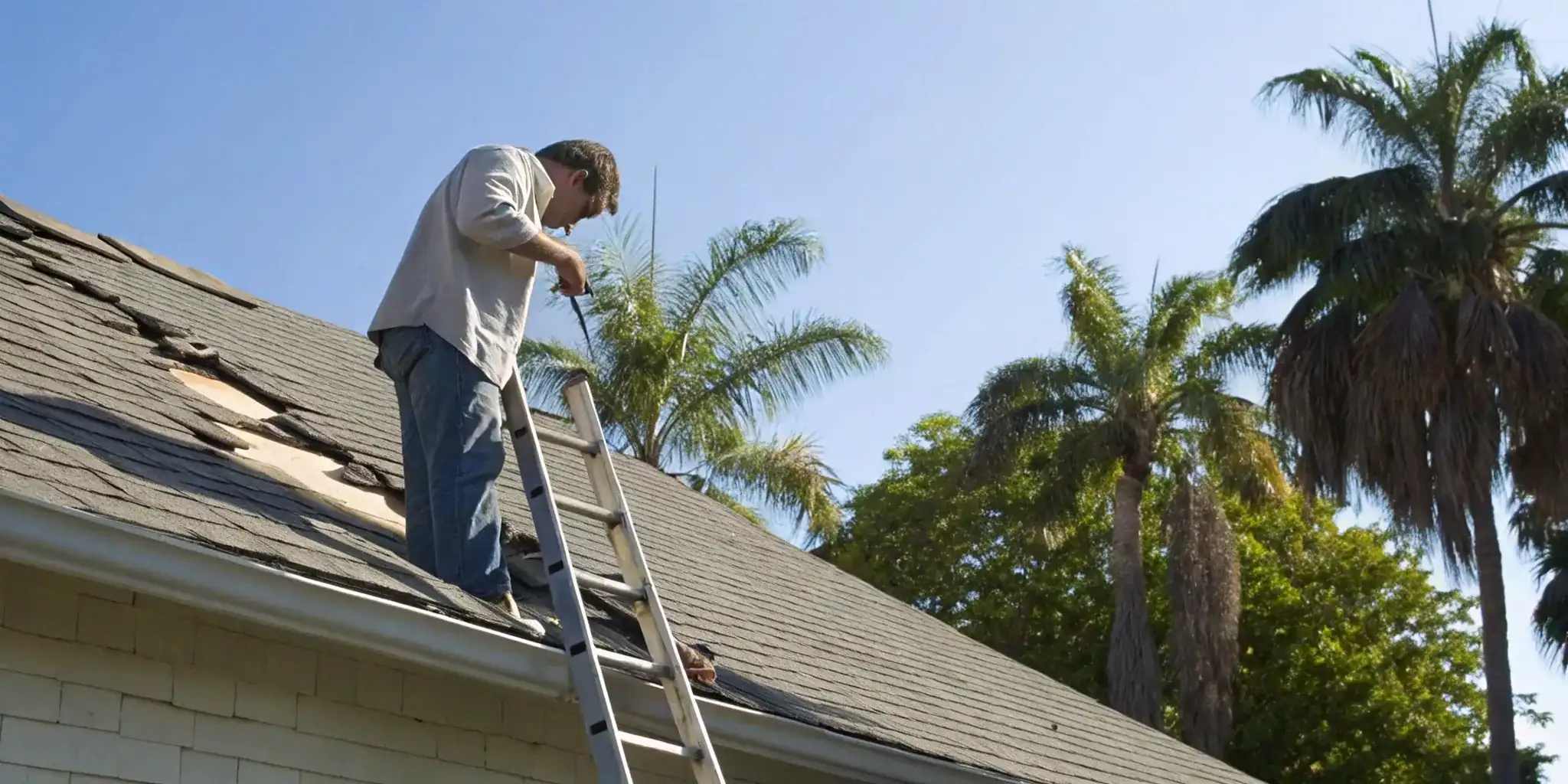
An insurance policy is a promise. You hold up your end by paying your premiums, and you trust your insurer to hold up theirs when disaster strikes. So when a denial letter for your roof damage arrives, it can feel like a breach of that trust. Often, these denials come down to fine print, a quick inspection, or a misinterpretation of your coverage. The good news is that you have rights and options. Before you accept their decision, it’s important to understand what to do if insurance denied roof claim. This article provides a clear roadmap for challenging the denial and making your case.
Key Takeaways
- Build Your Case with Strong Evidence: To effectively challenge a denial, you need solid proof. This could include clear photos of the damage, an independent inspection report from an expert, and records of your property’s maintenance history to counter claims of neglect.
- Respond with a Strategic Appeal: A denial is often the start of a conversation, not the end. Carefully review your denial letter, write a formal appeal that outlines your position, attach all your supporting evidence, and follow up consistently to keep your claim moving forward.
- Don’t Hesitate to Get Professional Help: You don’t have to face the appeals process alone. A public adjuster works on your behalf to document damage, handle communications, and negotiate with the insurance company, which can be invaluable for complex claims or unfair denials.
Why Was Your Roof Claim Denied?
Receiving a denial letter from your insurance company can feel like a major setback. Before you can challenge the decision, it helps to understand why it happened in the first place. Insurance companies have specific criteria for approving claims, and a denial often comes down to a few common issues. Getting to the root of the problem is the first step toward building a stronger case for your appeal. Let’s look at some of the most frequent reasons a roof claim might be rejected.
Common Reasons Insurers Deny Claims
A denial often comes down to a few key factors. One common reason is that the insurance adjuster didn’t see enough damage to approve a claim. Remember, adjusters aren’t always roofing experts and can miss subtle issues. Another possibility is the timing. Insurers use weather maps and might argue your roof damage is from an older storm, not a recent, covered event. Ultimately, your home insurance policy only covers certain types of damage, and not all policies are the same.
Decode Your Policy’s Exclusions
Your insurance policy is a contract, and the fine print matters. A denial can stem from specific exclusions or limitations written into your plan. For example, your policy might cover damage from a hurricane but not from gradual wear and tear, or it may limit how much it pays for repairs. The first step is to pull out your policy and make sure storm damage is covered, along with any conditions that apply. This document is the rulebook for your claim, and knowing its contents is key to understanding the denial.
How Poor Documentation Can Hurt Your Claim
When it comes to insurance claims, proof is everything. A lack of solid documentation can give your insurer an easy reason to deny you. Strong evidence includes clear photos of the damage, repair estimates from qualified contractors, and records of previous roof maintenance. It’s also smart to have your roofer present when the insurance adjuster inspects your property to point out damage they might miss. Without comprehensive documents that support your claim, you’re leaving the interpretation of the damage entirely up to the insurance company.
What to Do After a Denial
Seeing that denial letter can feel like a punch to the gut. You’ve paid your premiums, and now the help you counted on isn’t there. But don’t lose hope—a denial isn’t always the final word. It’s the start of a new process, one where you can challenge the decision and fight for the coverage you deserve. Taking a few calm, strategic steps right now can make all the difference in turning that “no” into a “yes.”
Review Your Denial Letter
Your first move is to carefully read the denial letter. The insurance company is required to give you a specific reason for their decision, so look for phrases explaining why they denied the claim. It might be something like “wear and tear” or a specific policy exclusion. Once you find the reason, pull out your insurance policy and compare the two. Does their explanation actually line up with what your policy says? Sometimes, the reason given is based on a misinterpretation of your coverage. Understanding their argument is the first step to building your counter-argument.
Ask Your Insurer for an Explanation
If the letter is vague or you just don’t understand the reasoning, don’t hesitate to call your insurance company and ask for a clear explanation. Speak with your adjuster or a claims department representative and ask them to walk you through the specific policy language they used to make their decision. This conversation can sometimes clear up a simple misunderstanding. It also signals to them that you are taking the denial seriously and won’t just let it go. Just be sure to stay calm and professional on the call—your goal is to gather information, not to start a fight.
Document Every Conversation
From this point forward, treat every interaction with your insurance company like it could become evidence. Keep a detailed log of every phone call, email, and letter. For phone calls, be sure to write down who you spoke to, the date and time of the call, and a summary of what was discussed. If you send an email, save a copy. If you mail a letter, send it via certified mail to have proof of delivery. This paper trail is incredibly important. It creates a clear record of your efforts to resolve the issue and can be invaluable if you need to escalate your appeal later on.
Get a Second Opinion from an Expert
Your insurer’s adjuster is not the only expert who can assess your roof. If you believe your claim was wrongly denied, getting an independent evaluation is a powerful next step. You could hire a licensed roofing contractor or even a structural engineer to inspect the damage and provide a detailed report. Their findings can serve as compelling proof to counter the insurance company’s assessment. Another option is to work with a public adjuster. These professionals work for you, not the insurance company, and are experts at documenting damage and negotiating claims. An expert opinion can uncover hidden issues and give your appeal the credibility it needs.
Gather Evidence for Your Appeal
Once you understand why your claim was denied, it’s time to build a strong case for your appeal. Think of this as gathering all the proof you need to show the insurance company that your roof damage is covered under your policy. A denial letter isn’t the final word, but a successful appeal relies on solid, organized evidence. The goal is to present a clear, fact-based argument that is difficult to dispute. Taking a methodical approach here can make all the difference in turning a “no” into a “yes.”
Collect These Essential Documents
Start by creating a dedicated file for your claim. The first things you’ll want to add are your complete insurance policy and the denial letter you received. Next, gather every piece of correspondence you’ve had with the insurance company, including emails and notes from phone calls. It’s also helpful to include any repair estimates you’ve received from contractors. Having all this paperwork in one place creates a comprehensive record of your claim from start to finish. This organization will be incredibly valuable whether you handle the appeal yourself or decide to get help from a professional who can advocate on your behalf.
Take Clear Photos and Videos
Visual evidence is powerful. If you haven’t already, take clear, well-lit photos and videos of all the damage. Walk around your property and document everything you see from the ground up—look for missing shingles, dents in your gutters, or damage to your air conditioning unit. Get close-ups of specific problem areas and also take wider shots to show context. It’s a good idea to use your phone to take a video, slowly walking around the property and narrating what you’re seeing. Make sure your photos and videos are dated, as this helps connect the damage to a specific event, like a recent storm.
Secure a Professional Inspection Report
Your insurance company sent their own adjuster, so it may be time to get a second opinion from an independent expert. An unbiased report from a licensed roofing contractor, a structural engineer, or a public adjuster can provide a credible assessment of the damage. This professional can identify issues the initial adjuster may have missed and create a detailed report that outlines the cause of the damage and the necessary repairs. This expert assessment can serve as compelling evidence in your appeal, showing that a qualified professional has verified the extent of your loss.
Compile Maintenance and Weather Records
Insurance companies sometimes deny claims by citing pre-existing damage or lack of maintenance. You can counter this by providing records that show you’ve been a responsible homeowner. Gather receipts or invoices for any roof repairs or inspections you’ve had done in the past. Additionally, find official weather reports for the date the damage occurred. A report from the National Weather Service showing a severe hailstorm or high winds in your area provides objective proof that a covered event took place. This information helps build a timeline and strengthens your argument that the damage was sudden and accidental.
Write and File Your Appeal
Receiving a denial letter can feel like hitting a wall, but it’s often just the start of a conversation. Filing an appeal is your formal way of asking the insurance company to take a second look, and it’s a process you can manage with a clear plan. Think of it as presenting a well-organized case for your roof. Your goal is to make it as easy as possible for the insurer to understand why their initial decision may have been incorrect.
The key is to be methodical. You’ll start by writing a professional letter that clearly states your position. Then, you’ll back up your words with all the compelling evidence you’ve gathered. It’s also important to be mindful of the clock, as insurance policies have strict deadlines for filing appeals. Finally, once you’ve sent everything in, consistent and documented follow-up will show the insurer you’re serious about getting a fair resolution. Approaching the appeal with this structured strategy can significantly improve your chances of turning that denial into an approval.
Write a Clear and Persuasive Appeal Letter
Your appeal letter is the centerpiece of your response. This isn’t the time for an angry email; instead, you need a formal, factual, and persuasive letter that outlines your case. Start by clearly stating your name, policy number, and the claim number you are appealing. Explain that you disagree with the denial and intend to provide new information for their review.
The most effective letters are straightforward. Briefly summarize why you believe the claim should be approved, referencing the key pieces of evidence you’re including. It’s also a good practice to request a written response by a specific date. This sets a clear expectation for communication and establishes a timeline, showing the insurance company that you are organized and serious about pursuing your claim.
Attach Your Supporting Evidence
An appeal letter on its own has little weight. Its power comes from the proof you attach to it. Your goal is to provide a complete package of documentation that leaves no room for doubt about the validity of your claim. Gather every piece of evidence you have that supports your case and organize it neatly. This could include the original repair estimates, your professional inspection report, and any photos or videos that show the damage.
Think of it as building a case file. Include any correspondence you’ve had with the insurer, maintenance records for your roof, and even local weather reports from the date the damage occurred. When you gather all the documents that support your claim, you create a comprehensive picture for the adjuster reviewing your appeal, making your argument much more compelling.
Know and Meet Your Deadlines
Time is of the essence when dealing with an insurance appeal. Your policy documents and the denial letter itself should specify the deadline for filing an appeal. Missing this window could mean forfeiting your right to contest the decision, so it’s one of the first things you should look for. Once you find the date, mark it prominently on your calendar.
Most insurance policies give you a set amount of time to file a claim, and the timeline for an appeal can be even shorter. Don’t wait until the last minute. Give yourself plenty of time to write your letter and gather all your supporting documents without rushing. Being aware of these critical timelines ensures you stay in control of the process and submit your appeal correctly, avoiding any procedural missteps that could hurt your case.
Follow Up Consistently
After you’ve sent your appeal, your work isn’t quite done. Proactive and consistent follow-up is key. A few days after sending your package, call your insurance company to confirm they have received it and that it has been assigned to an adjuster for review. From that point on, maintain a detailed log of every interaction.
Anytime you speak with someone from the insurance company, write down who you spoke to, the date, and what was discussed. This communication log creates a paper trail that can be incredibly useful if disagreements arise later. If you find the process of managing these communications overwhelming, remember that professionals like the team at PA Joe are experienced in handling these negotiations and can manage the entire process for you.
When to Call for Professional Help
If your appeal feels like it’s hitting a wall or the process becomes too overwhelming, it might be time to bring in a professional. Dealing with a denied claim is stressful enough without having to become an insurance expert overnight. An experienced advocate can manage the complex details and negotiations, giving you peace of mind and a better chance at a fair outcome. These professionals work on your behalf, using their expertise to challenge the insurance company’s decision and build a stronger case for your claim. Knowing when to ask for help is a crucial step in turning a denial around.
Why You Might Need a Public Adjuster
Think of a public adjuster as your personal claim expert. Unlike the adjuster sent by your insurance company (who works for them), a public adjuster is a state-licensed professional you hire to represent your interests. They handle everything from documenting the damage to negotiating directly with the insurer. If you’re facing a complex claim, a significant lowball offer, or just don’t have the time to manage the endless paperwork and follow-ups, a public adjuster can be an invaluable ally. Their job is to fight for the maximum settlement you’re entitled to under your policy, ensuring no detail is overlooked.
How an Insurance Attorney Can Help
Sometimes, a denial isn’t just a disagreement over damage—it could be a case of your insurance company not holding up its end of the bargain. This is where an insurance attorney may be necessary. If you suspect your insurer is acting in “bad faith”—by intentionally delaying your claim, misrepresenting your policy, or refusing to pay a valid claim without a good reason—an attorney can help you explore your legal options. While a public adjuster is an expert in claims and damages, an attorney is your go-to for legal disputes and can take your case to court if needed.
Understand How Professionals Get Paid
Worried about the cost of hiring help? Many professionals in this field, including public adjusters, work on a contingency fee basis. This is often called a “no win, no fee” policy, and it means they only get paid if they successfully secure a settlement for you. Their fee is typically a small, agreed-upon percentage of the final claim payment. This structure ensures their goals are aligned with yours: to get you the best possible settlement. Always make sure you have a clear, written agreement outlining the fee structure before hiring anyone to represent you.
Choose the Right Advocate for Your Claim
The right professional can make all the difference. When choosing an advocate, look for someone with a strong track record, deep knowledge of Florida insurance policies, and experience with roof damage claims like yours. A knowledgeable roofing contractor can be a great resource for documenting damage, but for managing the entire claim process, a public adjuster is often the best choice. Do your research, read reviews, and choose a partner you trust to be your champion. Having the right team of experts on your side can help you secure the funds you need to repair your home.
Know Your Rights as a Policyholder
Facing a claim denial can feel like hitting a brick wall, but it’s not the end of the road. As a policyholder in Florida, you have specific rights that protect you from unfair practices. Insurance companies are required to follow certain rules, and when they don’t, you have avenues for recourse. Understanding these rights is the first step toward successfully challenging a denial and getting the compensation you deserve for your property damage.
It’s easy to feel overwhelmed by legal jargon and complex policy language, but don’t let that discourage you. The key is to know that you have options and that resources are available to help you. From filing a formal complaint to identifying when an insurer is acting in bad faith, you have more power than you might think. Let’s walk through the steps you can take to stand up for your rights and move your claim forward.
What Are Florida’s Insurance Regulations?
Florida has a set of laws and regulations designed to ensure insurance companies handle claims fairly and promptly. These rules, often part of the Florida Insurance Code, outline everything from how quickly an insurer must respond to your claim to what constitutes an unfair denial. If your insurance company denies your claim, you have the right to a clear explanation and the option to dispute their decision. Acting quickly is important, as there are often deadlines for filing appeals or taking further action. Knowing that these protections exist can give you the confidence to question the insurance company’s decision instead of simply accepting it.
Identify a Bad Faith Denial
Sometimes, a denial isn’t just a disagreement over policy terms—it’s a case of “bad faith.” This happens when an insurance company acts unfairly or dishonestly. Examples could include failing to conduct a thorough investigation, intentionally misinterpreting your policy, or offering an unreasonably low settlement amount. If you suspect your insurer is not handling your claim ethically, it’s a serious matter. Proving bad faith can be complex, so it often helps to get guidance from experienced advocates who understand how to spot these practices and can advise you on the best course of action.
File an Official Complaint
If you believe your claim was wrongfully denied, you can take your case to a higher authority. The Florida Department of Financial Services serves as a consumer watchdog and accepts complaints against insurance companies. Filing a complaint is a formal step that prompts a state-level review of your situation. The department will investigate your claim and the insurer’s handling of it to determine if any regulations were violated. If they find merit in your complaint, their involvement could pressure the insurance company to reconsider its decision, potentially leading to your claim being overturned.
Explore Your Resolution Options
Beyond filing a complaint, your most direct path forward is to formally appeal the denial with your insurance company. It’s best to submit your appeal in writing, clearly stating why you disagree with their decision and referencing the evidence you’ve gathered. Whether you’re dealing with damage from a leaky pipe or a storm, a well-documented appeal shows you are serious. When you send your letter, be sure to request a timeline for their review process so you know when to expect a response. This creates a paper trail and holds the insurer accountable for giving your appeal the attention it deserves.
Protect Your Property from Future Denials
Dealing with a denied claim is stressful enough without worrying about the next one. While you can’t control the weather or prevent every accident, you can take proactive steps to fortify your position for any future claims. Building a strong case starts long before damage ever occurs. By being diligent with your records and knowledgeable about your coverage, you create a foundation of proof that can be difficult for an insurance company to dispute. Think of it as preventative care for your property and your finances. Focusing on three key areas—documenting maintenance, reviewing your policy, and updating your coverage—can make a significant difference in the outcome of a future claim. These habits help demonstrate responsible ownership and ensure you have the right protection when you need it most.
Document Your Home Maintenance
One of the most common reasons for claim denial is alleged “wear and tear” or lack of maintenance. The best way to counter this is with a detailed record of your home’s upkeep. Start a physical or digital folder where you keep receipts, invoices, and contracts for any work done on your property, especially your roof. Take before-and-after photos of repairs. It’s also a great idea to have a trusted contractor perform annual inspections and document their findings. This creates a clear and dated history of your property’s condition, proving that you’ve been a responsible homeowner. This paper trail can become your most valuable asset, showing that the damage was caused by a specific event, not long-term neglect.
Review Your Insurance Policy Regularly
Your insurance policy is a complex contract, and its terms can change at renewal. Don’t just file it away and assume you’re covered. Make it a habit to review your policy at least once a year. Pay close attention to the declarations page, which summarizes your coverage, and the exclusions section, which details what isn’t covered. For example, not all policies handle water damage the same way; some may exclude damage from gradual leaks or sewer backups unless you have a specific endorsement. Understanding these nuances ahead of time helps you identify potential gaps in your coverage and prevents surprises when you need to file a claim. Knowing your policy is the first step to enforcing your rights.
Update Your Coverage When Necessary
As your life changes, your insurance needs may change, too. Did you recently complete a major renovation, add an extension, or install a new roof? These improvements increase your home’s value, and your coverage should reflect that. When you review your policy, check if your protection is for ‘Actual Cash Value’ (ACV) or ‘Replacement Cost Value‘ (RCV). RCV coverage is generally better, as it pays to replace your property at current prices without deducting for depreciation. If construction costs have risen in your area or you’ve made significant upgrades, contact your agent to discuss adjusting your coverage limits. Ensuring your policy is up-to-date is crucial for a successful recovery after a loss.
Related Articles
- Water Damage Claim Denied? Here’s Your Action Plan – Public Adjuster
- Hail Damage Roof Insurance Claim: A Step-by-Step Guide – Public Adjuster
Frequently Asked Questions
What if my insurer says the damage is just “wear and tear”? This is one of the most common reasons for a denial, and it can be frustrating. “Wear and tear” suggests the damage happened gradually over time, not from a specific event like a storm. Your best response is to provide evidence to the contrary. This could include maintenance records showing you’ve cared for your roof, along with dated photos or official weather reports that prove a covered event, like a hailstorm, occurred. An independent inspection report from a trusted roofer or public adjuster can also provide a professional opinion that counters the insurance company’s assessment.
How much does it cost to hire a public adjuster? Many people worry about the cost of hiring professional help, but most public adjusters work on what’s called a contingency fee. This means you don’t pay anything upfront. Instead, the adjuster’s fee is a pre-agreed-upon percentage of the final settlement they secure for you. If they don’t win your claim, you don’t owe them anything. This “no win, no fee” approach ensures their goal is the same as yours: to get you a fair and successful settlement.
My insurance company’s adjuster already inspected my roof. Why should I get a second opinion? It’s important to remember that the adjuster sent by your insurance company works for them, and their job is to assess the damage from the company’s perspective. An independent expert, like a public adjuster or a trusted roofing contractor, works for you. They may spot subtle damage the initial adjuster missed and can provide an unbiased assessment of what it will truly cost to make proper repairs. A second opinion gives you an expert advocate and can be a powerful piece of evidence in your appeal.
How long does the appeal process usually take? The timeline for an appeal can vary quite a bit. A simple appeal with clear new evidence might be resolved in a few weeks, while a more complex case could take several months. The duration often depends on the insurance company’s internal review process and how responsive they are. The key on your end is to be organized, submit all your evidence at once, and follow up consistently to ensure your appeal doesn’t get lost in the shuffle.
Is it possible to reopen a claim that was denied a while ago? In many cases, yes. If you’ve discovered new evidence of damage that wasn’t found during the initial inspection, you may be able to have your claim reviewed again. Florida law does have time limits for filing property damage claims, but an experienced professional can help you understand if your old claim still falls within the legal window. Don’t assume a past denial is the final word, especially if you feel the initial assessment was incomplete.