 Proudly Serving the Entire State of Florida

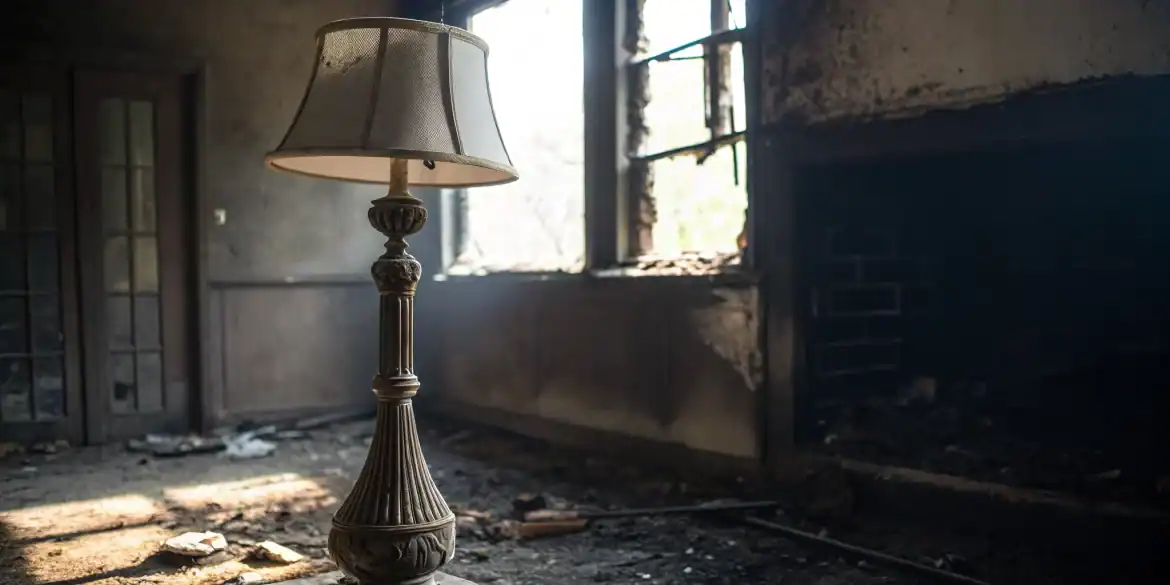
After the firefighters leave, the silence can be deafening. Staring at the damage to your home or business is overwhelming, and it’s hard to know where to even begin. The path forward involves navigating a complex insurance process that you never expected to face. This is especially true when you’re dealing with a large loss fire damage claim, which involves extensive repairs and a mountain of paperwork. This guide is here to help you take that first step, and the next one after that. We’ll walk through the immediate actions you should take, how to document everything, and what to expect from your insurer.
Key Takeaways
- Create a Detailed Record from Day One: Your claim’s strength comes from your proof. Start immediately by taking extensive photos and videos, creating a list of damaged items, and keeping a log of every conversation and expense related to the fire.
- Know Your Policy and Your Rights: Your insurance policy is the rulebook for your recovery. Take time to understand key areas like your coverage limits and Additional Living Expenses (ALE), and remember that the initial settlement offer is often a starting point for negotiation.
- Consider Professional Help for a Complex Claim: You don’t have to manage a large loss fire claim by yourself. A public adjuster works for you, not the insurance company, and can handle the entire process to ensure your claim is documented thoroughly and negotiated fairly.
What Is a Large Loss Fire Claim?
After a major fire, you’ll likely hear the term “large loss” used by insurance professionals. But what does it actually mean? It’s more than just a number. A large loss fire claim involves extensive damage that significantly disrupts your life or business operations. Understanding the scope of your situation is the first step toward recovery. It helps you grasp the complexity of the claim you’re about to file and why having an advocate on your side can be so important. Let’s break down what defines a large loss, the types of damage involved, and how it impacts different kinds of properties.
Defining a “Large Loss”
While there’s no single, official dollar amount, a large loss claim is generally one that involves damages exceeding $200,000. However, the label has less to do with a specific number and more with the overall impact. A large loss involves substantial repairs and can completely alter your daily routine or shut down your business. For a family, it could mean being displaced from your home for months. For a company, it might mean a total halt in operations. The key takeaway is that these claims are complex, involving multiple types of damage and a long, detailed recovery process that requires careful management.
Common Kinds of Fire Damage
When you think of fire damage, you probably picture charred walls and burnt belongings. While that’s certainly part of it, the destruction from a fire is rarely that simple. Fires are often caused by everyday issues like electrical problems or kitchen accidents. The resulting damage goes far beyond what the flames touch. Smoke and soot can travel throughout your property, settling into walls, upholstery, and ventilation systems, causing lingering odors and health hazards. Furthermore, the water used to extinguish the fire can lead to its own set of problems, creating the potential for severe water damage and mold growth if not addressed immediately.
How Fire Affects Homes vs. Businesses
A large loss fire is devastating for anyone, but the path to recovery looks different for homeowners and business owners. If your home is damaged, your primary focus is on your family’s safety and finding a temporary place to live while navigating repairs. Your claim will center on rebuilding your home and replacing personal items. For a business, the stakes are even higher. On top of repairing the physical building, you’re facing a complete operational shutdown. This means lost income, ongoing payroll expenses, and the risk of losing customers to competitors. A commercial claim must account not only for the property damage but also for the financial impact of the business interruption, making it a far more complex process to manage. This is where having an expert team of public adjusters can make a significant difference.
Your First Steps After a Major Fire
Dealing with the aftermath of a major fire is incredibly overwhelming. It’s hard to know where to even begin when you’re looking at the damage to your home or business. While it’s a stressful time, the actions you take in the first 24 to 48 hours can significantly impact your insurance claim. Taking a deep breath and focusing on a few key steps can help you regain a sense of control and set the stage for a smoother recovery process. Your main priorities right now are ensuring everyone’s safety, protecting your property from further harm, and starting the documentation process that will become the foundation of your claim. Think of this as your immediate action plan to get you through the first couple of days.
Prioritize Safety First
Before you do anything else, your number one priority is safety. Do not re-enter your property until the fire department has officially declared it safe. Even after the flames are out, a fire-damaged structure can hide serious dangers, including weakened floors, unstable ceilings, and electrical hazards from exposed wiring. The air quality can also be poor due to soot and other toxic particles. Once you have the all-clear from the authorities, you can move on to the next steps, but never risk your well-being. Your property can be repaired, but your health is irreplaceable.
Start Documenting Everything
As soon as it’s safe to be on the property, begin documenting the damage. This step is crucial for your insurance claim. Use your phone to take as many photos and videos as you can, capturing the damage from different angles and distances. Get wide shots of entire rooms and close-ups of specific items. Make a written list of everything that was damaged or destroyed, noting when the fire occurred and your initial thoughts on the extent of the loss. This initial record is powerful evidence. The team at PA Joe knows that thorough documentation from day one can make all the difference in securing a fair settlement.
Secure Your Property Temporarily
After a fire, your property is vulnerable to weather, theft, and vandalism. Your insurance policy likely requires you to take reasonable steps to prevent further damage, a step often called “mitigating your loss.” This could involve boarding up broken windows, covering a damaged roof with a tarp, or putting up a temporary fence to keep people out. Securing the area also protects you from liability if someone were to enter the unsafe structure and get hurt. Make sure to keep receipts for any materials you buy for these temporary repairs, as these costs may be reimbursable.
Keep Track of Extra Costs
A major fire often forces you out of your home or business, leading to a lot of unexpected expenses. These are known as Additional Living Expenses (ALE) for homeowners or extra expenses for businesses. Start a folder or a digital file immediately and save every single receipt for costs you incur because of the fire. This includes things like hotel stays, meals, clothing, and other emergency purchases. Having a detailed record of this spending is essential when you file your claim for reimbursement. Without receipts, it becomes much harder to prove these losses to your insurance company.
What to Document for Your Claim
After a fire, your mind is likely racing with a million different concerns. While it can feel overwhelming, taking the time to document everything is one of the most important steps you can take. Think of yourself as a detective building a case—the more evidence you gather, the stronger your claim will be. Good documentation provides a clear, factual record of your losses, which can make the entire claims process smoother and help you work toward a fair settlement.
Keeping everything organized from the start will save you headaches down the road. You can use a simple binder, a series of digital folders, or a dedicated app to store your files. The goal is to create a comprehensive package that clearly shows the insurance company the full extent of the damage. This record is your proof, and it empowers you during negotiations. It’s your story, told through photos, reports, and receipts, and it’s crucial for getting the resources you need to rebuild.
Photos and Videos of the Damage
Visual evidence is incredibly powerful. Before you clean up or move anything (unless it’s to prevent further damage), take photos and videos of everything. Capture wide shots of each room from different angles, then zoom in on specific damaged items. The more detail, the better. Don’t forget to document less obvious things like smoke damage on walls or water damage from firefighting efforts. A thorough visual record helps tell the story of your loss in a way that words and lists alone cannot. It provides undeniable proof of your property’s condition immediately after the incident.
Official Reports and Records
Your personal documentation is essential, but official reports add another layer of credibility to your claim. The most important document is the fire report from the local fire department that responded to the call. This report contains key details about the incident, including the date, time, and potential cause. You can typically request a copy directly from the fire department. Having this official record helps validate the circumstances of your claim and is a standard piece of evidence that your insurance company will expect to see as part of your file.
A Detailed List of Damaged Items
Creating a home inventory after a disaster can feel like a monumental task, but it’s absolutely necessary. Go room by room and list every single item that was damaged or destroyed. For each item, include as much detail as you can remember: its name, brand, where you bought it, its age, and its original cost. If you have old photos, receipts, or credit card statements, use them to help jog your memory. Also, be sure to save receipts for any immediate expenses you incur because of the fire, such as temporary lodging, meals, or clothing.
Repair Estimates and Receipts
Your insurance company will need to understand the cost of rebuilding and repairing your property. It’s a good idea to get estimates from several licensed and reputable contractors. These quotes will form the basis for the structural part of your claim. Be sure to keep detailed records of any emergency repairs you had to make, like boarding up windows or tarping the roof. Save every invoice and receipt, as these costs may be reimbursable. This paperwork demonstrates the financial impact of the damage and is a key component of your final claim submission.
Your Communication Log
From your first call to the insurance company, keep a detailed log of every conversation. In a notebook or a digital document, write down the date, time, and name of the person you spoke with, along with a brief summary of what was discussed. Save all emails and written correspondence in a dedicated folder. This log creates a clear timeline of your claim and ensures that important details and promises don’t get lost. If a dispute arises later, your communication log can serve as a valuable record of your interactions and the information you were given.
How to Read Your Insurance Policy
After a fire, your insurance policy can feel like a dense, legal document that’s impossible to get through. But taking the time to understand it is one of the most important things you can do. This document is your contract with the insurance company, and it outlines exactly what is—and isn’t—covered. Knowing your policy inside and out is your best tool for ensuring you get the full and fair settlement you’re entitled to. It’s the rulebook for the entire claims process, and being familiar with the rules gives you a significant advantage when you’re trying to rebuild your life or business.
Don’t worry about memorizing every single word. Instead, focus on finding a few key sections that will guide your claim. Look for your declarations page, which summarizes your coverage, and pay close attention to the sections on what’s covered, what’s excluded, and any extra provisions that could help you during this difficult time. Getting familiar with these parts of your policy will help you communicate more effectively with your insurer and advocate for your needs. Think of it as creating a roadmap for your claim; it helps you know where you’re going and what to expect along the way, which can bring a sense of control to a very chaotic situation.
Find Your Coverage and Limits
The first thing you’ll want to locate in your policy is the declarations page. This is usually at the front and serves as a summary of your coverage. It lists the maximum amounts the insurance company will pay for different types of losses. For instance, you’ll see separate limits for the structure of your home (dwelling coverage), your personal belongings, and other structures on your property.
Thankfully, most standard homeowners insurance policies include coverage for fire and smoke damage. The key is to understand the financial limits for each category. Knowing these numbers from the start gives you a clear picture of the resources available for your recovery and helps you set realistic expectations for the rebuilding process.
What Are Additional Living Expenses (ALE)?
If the fire has made your home uninhabitable, your policy likely includes a provision called Additional Living Expenses, or ALE. This coverage is designed to help you maintain your normal standard of living while your home is being repaired. It can be a true lifesaver, covering costs for things like a temporary rental home, hotel bills, and even the extra expense of eating out if you don’t have a kitchen.
To use this benefit, you’ll need to keep meticulous records of all your spending. Hold on to every receipt for your hotel, meals, and any other costs you incur because you’ve been displaced. This coverage for extra living costs is there to ease the financial burden, so be sure to check your policy for the specific limits and timeframes that apply.
Understanding Business Interruption Coverage
For business owners, a fire causes more than just physical damage; it halts your ability to operate and generate income. This is where Business Interruption Coverage becomes essential. This part of a commercial policy is meant to replace lost income and cover ongoing operating expenses—like rent, utilities, and payroll—while your business is closed for repairs.
A large loss can mean a significant period of downtime, and this coverage is designed to help your business survive it. Review your policy to understand the scope of your business interruption coverage, including the waiting period before it kicks in and the maximum period it will cover. It’s a critical component for recovering from a large loss and getting your operations back on track.
Look for Hidden and Long-Term Damage
The visible destruction from a fire is just the beginning. The claims process is often complicated because it involves addressing damage that isn’t immediately obvious. Smoke and soot can seep into every corner of a property, causing lingering odors and damage to walls, furniture, and ventilation systems. Furthermore, the water used to extinguish the fire can lead to serious issues like mold and structural rot.
Your policy may cover these hidden damages, but they need to be properly identified and documented. This is why a thorough inspection is so important. Be sure to look for language in your policy related to smoke, soot, and water damage to understand how these related issues are handled. Don’t underestimate the long-term impact of a fire; it often requires extensive repairs, not just cosmetic fixes.
Know Your Policy’s Exclusions
Just as important as knowing what’s covered is understanding what isn’t. Every insurance policy has an “Exclusions” section that lists specific perils or circumstances not covered. For fire claims, a common exclusion is arson. If the insurance company suspects the fire was set intentionally, they will likely deny the claim.
Other reasons for denial can include a lack of sufficient proof of your losses or damage that falls outside your policy limits. Take a few minutes to read through the exclusions in your policy. Being aware of these potential roadblocks can help you prepare a stronger, more thorough claim from the start. It highlights the need for detailed documentation to counter any attempts to deny your claim based on technicalities.
What to Expect from the Claims Process
Once you’ve taken the first steps to secure your property and document the damage, you’ll begin the formal insurance claims process. This part can feel like a marathon, not a sprint, with several stages and potential hurdles along the way. Knowing what’s coming can help you feel more in control during a chaotic time. The process generally moves from filing your initial claim to an assessment by the insurance company, followed by a period of negotiation that hopefully ends in a fair settlement. It’s a structured but often slow-moving journey that requires a different kind of energy than the immediate aftermath of the fire.
It’s a path that requires patience, organization, and persistence. Your insurer will have its own procedures, and large loss fire claims are complex by nature, so timelines can vary significantly. You may face disagreements over the scope of the damage or the value of your losses, which is common when so much is at stake. Understanding the key milestones, common reasons for delays or denials, and your rights as a policyholder will equip you to handle the process effectively. Remember, you don’t have to go through this alone; there are professionals who can guide you every step of the way, ensuring your interests are represented when you’re feeling overwhelmed.
How to File Your Initial Claim
The first official step is to notify your insurance company about the fire. It’s best to do this as soon as you can. Most policies have a clause that requires you to report damage promptly. When you call, have your policy number handy, along with the date the fire occurred and a brief description of what happened. During this initial call, you should be assigned a claim number and given the contact information for the insurance adjuster handling your case. Keep this information in a safe, accessible place, as you’ll need it for all future communications. This first report kicks off the entire process, so getting it done quickly and correctly is key.
The Insurance Assessment
After you file your claim, the insurance company will send its own adjuster to inspect the property. This person’s job is to evaluate the extent of the damage and estimate the cost of repairs on behalf of the insurer. You should be present for this inspection if possible. Walk them through the property, point out all the damage you’ve documented, and provide them with copies of your photos, videos, and initial inventory list. While the company adjuster is a necessary part of the process, remember that they work for the insurance company. Their assessment is based on their employer’s guidelines, which may not fully align with your needs for a complete recovery.
A Realistic Timeline
It’s natural to want to know how long the claims process will take, but the answer isn’t always straightforward. While a very simple claim might be resolved in a few weeks, a large loss fire claim is rarely simple. These complex cases often take several months, and sometimes even longer, to settle completely. The timeline can be influenced by many factors, including the severity of the damage, the thoroughness of your documentation, and how responsive your insurance company is. Disagreements over the scope of work or the value of your belongings can also cause delays. It’s a process that demands patience, so try to prepare for a marathon rather than a sprint.
Why Claims Sometimes Get Denied
Receiving a claim denial can be devastating, but it’s important to understand why it might happen. Sometimes, the reason is simple, like a missed premium payment or damage that isn’t covered by your specific policy. Other common reasons for denial include insufficient proof of loss, reporting the claim too late, or policy limits being exceeded. In more serious cases, an insurer might deny a claim if they suspect arson or fraud. A denial doesn’t have to be the final word. If your claim is denied, you have the right to appeal the decision, especially if you believe it was unfair. This is often the point where getting expert help can make a significant difference.
What to Do If You Disagree
If your insurance company denies your claim or makes a settlement offer that feels too low, you don’t have to accept it. You have the right to challenge their decision. Your first step should be to ask for a detailed written explanation of their assessment. From there, you can present additional documentation or get independent repair estimates to support your position. If you’re still at a standstill, it may be time to bring in an advocate. A public adjuster works for you, not the insurance company. The expert team at PA Joe can manage the entire process, from documenting your loss to negotiating with the insurer to secure the fair settlement you deserve.
How to Communicate with Your Insurer
After a major fire, talking with your insurance company can feel like a full-time job. The key is to be organized, clear, and consistent in all your interactions. Think of it as building a case for your recovery—every piece of communication is a building block. From the very first call to report the damage to the final settlement negotiation, how you communicate can have a real impact on your claim’s outcome.
It’s completely normal to feel overwhelmed by the questions, requests for documents, and the sheer volume of information. The best approach is to be methodical. Keep a dedicated notebook or digital file for your claim where you track every conversation and save every email. This record will be your best friend, helping you stay on top of deadlines and recall important details. Remember, you don’t have to accept everything at face value. It’s okay to ask questions, request clarification, and take your time to review documents before signing anything. Your goal is to be a proactive partner in the process, ensuring your voice is heard and your needs are addressed fairly.
Best Practices for Communication
Your first instinct might be to pick up the phone, and that’s a great start. But it’s smart to follow up every phone call with a brief, polite email summarizing what you discussed. This creates a written record that can prevent misunderstandings down the road. When you speak with anyone from the insurance company, jot down their name, title, and the date and time of the call.
Keep all your claim-related documents—your policy, photos, receipts, and communication log—in one organized place. Whether it’s a physical binder or a folder on your computer, having everything together makes it easier to find what you need when you need it. Respond to your insurer’s requests in a timely manner, but don’t be afraid to follow up if you’re waiting on a response from them.
Tips for Negotiation
When a settlement offer arrives, you don’t have to accept it immediately, especially if it seems lower than you expected. The first offer is often just a starting point for discussion. Your strongest negotiation tool is a thoroughly documented claim. Present your detailed inventory of lost items, contractor estimates, and photos of the damage to support your position.
Throughout the negotiation process, try to keep your conversations professional and focused on the facts. While this is an emotional time, sticking to the details of your policy and the evidence you’ve gathered will make your discussions more productive. A clear understanding of your coverage is essential for effective negotiation.
The Settlement Process
The settlement process can feel like a marathon, not a sprint. After you and the insurer agree on a settlement amount, you’ll likely be asked to sign a “proof of loss” statement and a release form. Read these documents carefully before signing, as they finalize the claim. If you have any questions about the language, it’s always a good idea to seek advice.
Payment is often issued in stages. For example, you might receive an initial check for the undisputed portion of your claim, with further payments released as repairs are completed. If you have a mortgage, the check may be made out to both you and your lender. You’ll need to work with your bank to get the funds endorsed and released so you can pay your contractors.
When to Get Professional Help
If your claim is particularly large, complex, or has been denied, it may be time to bring in a professional. Handling a major fire claim on your own can be incredibly stressful, and you shouldn’t have to go through it alone. A public adjuster is a licensed professional who can help you assess and document the damage, manage communications, and negotiate with the insurance company on your behalf.
Unlike the adjuster sent by your insurance company, a public adjuster works for you, the policyholder. Their main goal is to make sure you receive a fair and accurate settlement according to your policy. If you feel like you’re in over your head or that your insurer isn’t treating you fairly, getting an expert advocate in your corner can make all the difference. You can learn more about how public adjusters can support you through this process.
How a Public Adjuster Can Help
Dealing with the aftermath of a major fire is incredibly stressful, and managing a complex insurance claim on top of everything else can feel like a full-time job. While you can handle the claim on your own, you don’t have to. A public adjuster is a licensed professional who can step in to manage the entire process for you. Unlike the adjuster sent by your insurance company, who works to protect the company’s interests, a public adjuster works exclusively for you, the policyholder. Their job is to make sure your claim is handled fairly and that you receive the compensation you’re entitled to under your policy.
The Benefits of Having an Advocate
After a fire, it’s easy to feel overwhelmed and alone. Having an advocate on your side can make a significant difference. A public adjuster levels the playing field, bringing expert knowledge of the insurance industry to your claim. They understand policy language, claims procedures, and negotiation tactics. Their primary goal is to ensure you get a fair and just settlement, allowing you to focus on what matters most—recovering and rebuilding. This support can be invaluable, providing not just professional expertise but also peace of mind during a difficult time.
What a Public Adjuster Does
Think of a public adjuster as your personal project manager for your insurance claim. They take the lead on all the detailed and time-consuming tasks involved. This typically includes conducting a thorough inspection of the damage to document everything, even issues that aren’t immediately obvious. They will then prepare a detailed estimate of repair costs, gather all the necessary evidence to support your claim, and handle all communication with the insurance company. A public adjuster manages the entire claims process, from filing the initial paperwork to negotiating the final settlement on your behalf.
Is It Time to Hire an Adjuster?
You might wonder if your situation calls for professional help. If your fire damage is extensive and the claim is complex, hiring a public adjuster could be a wise move. These large loss claims involve significant sums of money and intricate details that can be difficult for a property owner to handle alone. It may also be time to call an expert if you feel your insurance company is delaying the process, not communicating clearly, or has presented you with a settlement offer that seems too low. A public adjuster can also step in to help re-open a claim that was unfairly denied.
How Public Adjusters Get Paid
Many people hesitate to hire professional help because they worry about the cost, especially when already facing financial strain. Most public adjusters work on a contingency fee basis, which means they don’t charge any upfront fees. Instead, they are paid a small, agreed-upon percentage of the final settlement you receive from the insurance company. This “no win, no fee” approach aligns their goals with yours—they are motivated to secure the highest possible settlement for you. If you don’t get paid by the insurance company, they don’t get paid either.
Helpful Tools and Resources
Going through a large loss fire claim can feel like a full-time job, but you don’t have to manage it all with just a pen and paper. Having a few simple tools and resources in your back pocket can make a world of difference. Staying organized helps you build a stronger claim and gives you a sense of control during a chaotic time. Let’s walk through some practical ways to keep everything on track.
Templates for Documentation
From the moment you can safely access your property, your goal is to document everything. Think of yourself as a detective building a case. A simple spreadsheet or a dedicated notebook can become your claim’s command center. Create sections for a communication log, a list of damaged items, and an expense tracker. For your personal property, a home inventory template can be incredibly helpful for listing everything you lost, from furniture to smaller items. Remember to take more photos and videos than you think you need. You can’t over-document, and this detailed record will be the foundation of your insurance claim.
Checklists for Assessing Damage
When you’re looking at the aftermath of a fire, it’s easy to feel overwhelmed and miss important details. A checklist can help you assess the damage systematically. Start with the basics: note the date of the fire and the extent of the initial damage. Then, go room by room. Take wide shots to show the overall damage and close-ups of specific items. Don’t forget to look for less obvious issues, like smoke and soot residue inside walls, ducts, and appliances. It’s also a good idea to write down everything you remember about the event itself. This detailed evidence is crucial for your claim.
Ways to Track Your Expenses
After a fire, you’ll likely have many out-of-pocket expenses, from temporary housing to buying essentials like clothing and food. Many of these costs may be covered under the Additional Living Expenses (ALE) portion of your policy. To get reimbursed, you need to keep meticulous records. Get a dedicated folder or envelope for all physical receipts. You could also use a simple spreadsheet or a receipt-scanning app on your phone to keep a digital trail. Be sure to track everything, including hotel bills, restaurant meals, laundry costs, and even mileage for claim-related travel. Every little bit adds up.
Finding Professional Support
You don’t have to navigate this process alone. While your insurance company has its own adjuster, their loyalty is to their employer, not to you. For a large loss claim, you might consider getting a professional advocate on your side. A public adjuster works exclusively for you, the policyholder. They can help you assess and document the full scope of the damage, handle communications, and negotiate with your insurer to secure a fair settlement. If you’re feeling overwhelmed or unsure if you’re being treated fairly, learning more about us and what a public adjuster does could be a valuable next step.
How to Get a Fair Settlement
After the immediate shock of a fire, the path to recovery hinges on securing a fair insurance settlement. This process can feel intimidating, but you have more control than you might think. It’s about being prepared, understanding your position, and knowing when to bring in an expert. By focusing on a few key areas, you can confidently work toward the compensation you need to rebuild. Think of it as building a case for your recovery—one that is clear, comprehensive, and difficult for your insurance company to dispute.
Your goal is to ensure the settlement covers the full scope of your loss, not just the most obvious damage. This means accounting for everything from the structural repairs to the smoke-damaged furniture and the extra costs you incur while displaced. With the right approach, you can make sure your final settlement truly reflects what you’ve lost.
The Power of Good Documentation
Your claim is only as strong as the evidence you provide. This is why thorough documentation is your most powerful tool. From the moment it’s safe to do so, you should be taking photos and videos of everything. Capture the damage from multiple angles, both wide shots and close-ups. Don’t just document the big things; photograph damaged personal items, soot on the walls, and anything else that was affected. Keep a detailed log of every conversation with your insurance company, including the date, time, and who you spoke with. This creates a clear record that supports your claim and helps you stay organized throughout the process.
Know Your Rights as a Policyholder
It’s essential to remember that you have rights as a policyholder. One of the most important is the right to your own representation. The adjuster sent by your insurance company works for them, and their job is to protect the company’s financial interests. You are entitled to hire a professional who works exclusively for you. A public adjuster’s primary goal is to advocate on your behalf to secure a fair and complete settlement. Understanding this distinction is key. You don’t have to accept the insurance company’s initial assessment or offer, and you have the right to bring in an expert who will fight for your best interests.
Why a Professional Assessment Matters
An insurance company’s adjuster may conduct a quick inspection, but a large loss fire claim often involves complex and hidden damages that aren’t immediately visible. Smoke and soot can seep into walls, HVAC systems, and personal belongings, causing long-term issues. Water damage from firefighting efforts can lead to mold. A professional public adjuster provides a much more thorough assessment to determine the full cost of recovery. They bring in their own experts, meticulously document all damages, and prepare a detailed estimate that reflects the true scope of your loss. This comprehensive evaluation is the foundation for negotiating a fair settlement.
The Value of Expert Advice
Navigating a large loss fire claim is a complex and emotionally draining process. Having an expert on your side can make a significant difference in the outcome. A public adjuster does more than just assess the damage; they interpret the complex language of your insurance policy, manage all communication with the insurer, and handle the tough negotiations for you. This expert guidance not only frees you up to focus on your family or business but also levels the playing field with the insurance company. As the team at PA Joe knows, having a dedicated advocate can be the deciding factor in receiving the funds you need to properly rebuild and recover.
Related Articles
- The Commercial Fire Damage Claim Process Explained – Public Adjuster
- The House Fire Insurance Claim Process Explained – Public Adjuster
Frequently Asked Questions
What’s the difference between the adjuster my insurance company sends and a public adjuster? This is a great question because the distinction is so important. The adjuster from your insurance company is an employee of that company, and their main responsibility is to protect the company’s financial interests. A public adjuster, on the other hand, is a licensed professional you hire to work exclusively for you. Their job is to advocate on your behalf, ensuring your claim is documented thoroughly and you receive a fair settlement based on the terms of your policy.
My insurance company offered a settlement quickly. Should I just accept it? It can be tempting to accept a fast offer, especially when you want to start rebuilding right away. However, the first offer is often based on a quick, initial inspection and may not account for hidden issues like smoke damage within walls or long-term problems from water used to fight the fire. It’s often a good idea to take your time and ensure the offer truly covers the full cost of your recovery before signing anything.
What if I don’t have receipts for everything that was destroyed in the fire? Almost no one has receipts for every single item they own, so don’t worry. While receipts are helpful, they aren’t the only way to prove what you lost. You can use photos from before the fire, credit card statements, or even video walkthroughs of your home to help create your inventory. The goal is to build a detailed and credible list of your belongings to support your claim.
How much does it cost to hire a public adjuster? I’m already dealing with so many expenses. This is a common concern, and it’s completely understandable. Most public adjusters work on a contingency fee basis. This means you don’t pay anything upfront. Instead, their fee is a small, agreed-upon percentage of the final claim settlement they help you secure. If you don’t get paid by the insurance company, they don’t get paid either, which keeps their goals aligned with yours.
Besides the obvious fire damage, what other kinds of damage should I be looking for? The damage from a fire goes far beyond what was burned. You should also look for signs of smoke and soot, which can travel throughout the property and settle into walls, upholstery, and ventilation systems. Additionally, the water used by the fire department can cause significant water damage and create the potential for mold growth if it isn’t addressed properly and quickly. A thorough inspection should account for all these related issues.