 Proudly Serving the Entire State of Florida

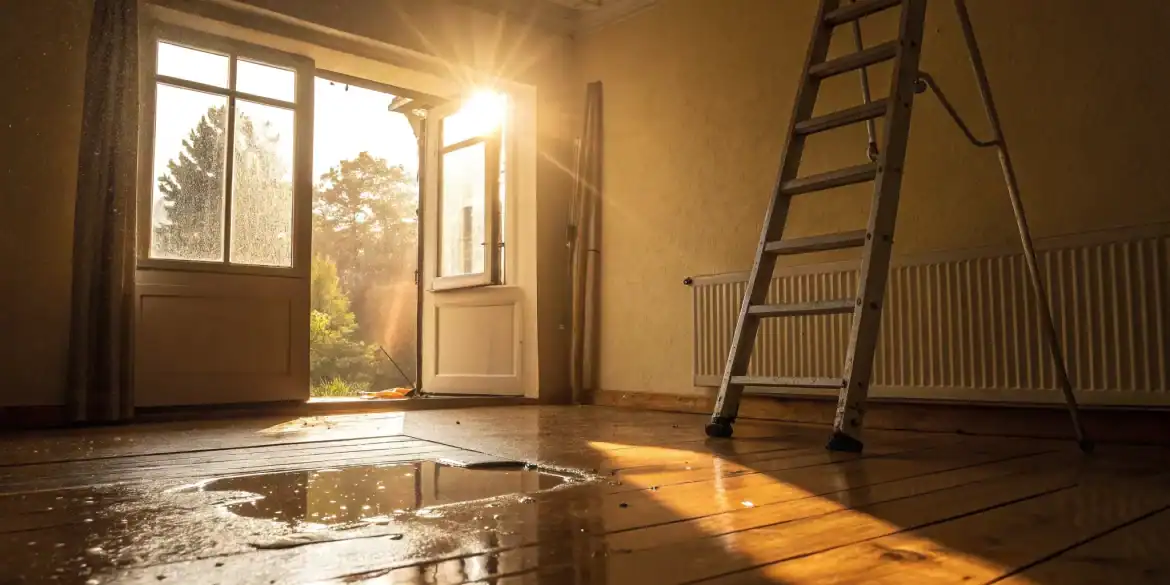
Few things are more frustrating than having your water damage claim denied because the insurance company calls it “gradual damage.” They might argue a leak was a pre-existing issue, leaving you to cover the costly repairs yourself. This is where leak detection becomes more than just a maintenance task—it becomes your best evidence. By identifying a leak as soon as it starts, you create a clear timeline that proves the damage was sudden and recent. This guide will walk you through how effective leak detection can not only prevent damage but also provide the concrete documentation you need to build a strong insurance claim, helping you avoid a denial and secure the fair settlement you deserve.
Key Takeaways
- Use technology to stay ahead of leaks: Simple spot sensors and whole-home monitoring systems can alert you to problems early. Catching a small drip before it becomes a major issue is one of the most effective ways to prevent widespread water damage, mold growth, and expensive repairs.
- Distinguish between a DIY fix and a professional job: While you might be able to handle a visible drip under the sink, suspected leaks behind walls or under floors are best left to professionals. They use non-invasive tools to find the source accurately, saving you from unnecessary damage and guesswork.
- Turn leak detection data into claim evidence: A report from a professional or an alert log from a smart device provides a clear timeline for your insurance claim. This proof can be essential for demonstrating the damage was sudden and accidental, helping you counter common reasons for claim denials.
What Is Leak Detection and Why Does It Matter?
At its core, leak detection is the process of finding leaks in systems that carry liquids and gases, like the plumbing in your home or commercial building. Think of it as a health check-up for your property’s circulatory system. Why is this so crucial? Because leaks are often silent problems that can cause massive damage long before you see a puddle on the floor. A slow drip behind a wall can lead to wood rot, structural issues, and dangerous mold growth, all while you go about your day, completely unaware.
For property owners, being proactive about leak detection is one of the best ways to protect your investment. It’s about maintaining a safe, reliable, and efficient property. When you catch a leak early, you can prevent a small issue from turning into a catastrophic and expensive repair job. It’s a preventative measure that saves you money, time, and a whole lot of stress. Here at PA Joe, we often see the devastating results of undetected leaks, and our goal is to help property owners manage the claims process that follows. But preventing that damage in the first place is always the best-case scenario. Taking leak detection seriously means you’re not just fixing problems as they appear; you’re actively working to keep your property’s essential systems in top condition.
Common Leaks That Can Damage Your Property
Leaks can spring up from a surprising number of places, and they aren’t always obvious. Some of the most common culprits we see include aging water pipes, faulty appliance hoses for your dishwasher or washing machine, and sewer line cracks. In Florida, swimming pool leaks are also a frequent issue. Even a tiny drip from a loose connection under your sink can eventually warp cabinets and ruin flooring. It’s important to remember that any leak, no matter how small it seems, has the potential to cause significant water damage to your walls, floors, and even your property’s foundation over time. Staying aware of these common problem areas is the first step in protecting your property.
The Hidden Costs of an Undetected Leak
The most obvious cost of a leak might be a higher water bill, but that’s just the tip of the iceberg. The real expenses are hidden. Since plumbing is often tucked away inside walls, ceilings, or under your foundation, a leak can go unnoticed for weeks or months, causing progressive damage. This can lead to costly structural repairs and ruined drywall. One of the biggest concerns is mold growth, which can begin in as little as 24 hours and poses serious health risks. In Florida, water-related incidents are incredibly common, accounting for nearly half of all non-catastrophic homeowner’s insurance claims. An undetected leak isn’t just a plumbing problem; it’s a potential financial issue waiting to happen.
What Are the Best Leak Detection Brands and Products?
Choosing the right leak detection tools can feel overwhelming, but it really comes down to your specific needs and comfort level with technology. Whether you’re looking for the same high-powered equipment the professionals use or a simple, set-it-and-forget-it smart device, there’s a solution out there for your property. The key is to find a product that gives you peace of mind and helps you catch potential issues before they turn into major headaches. For property owners, this isn’t just about convenience; it’s about proactive protection. An undetected leak can lead to significant water damage, mold growth, and a complicated insurance claim process.
Think about what level of monitoring makes sense for you. Are you a hands-on person who enjoys DIY projects, or would you prefer a system that integrates seamlessly with your smart home and works in the background? Do you need to protect a single-family home, or are you managing a commercial property with more complex plumbing? Answering these questions will help you narrow down the options. We’ll walk through some of the most trusted brands and products on the market, from professional-grade tools to user-friendly DIY systems, so you can make an informed choice that fits your budget and lifestyle.
Professional-Grade Equipment We Trust
When you hire a professional, like an HVAC technician or a plumber, they often rely on specialized equipment to find the source of a leak with precision. Brands like Fieldpiece and Inficon are well-regarded in the industry for their reliable refrigerant leak detectors. While you probably won’t be buying these tools yourself, it’s helpful to know what the experts use. These devices are designed for accuracy and durability, making them some of the most popular choices for technicians who need to diagnose problems quickly and effectively. Understanding the quality of these tools can give you confidence that a professional inspection is thorough and trustworthy.
Top DIY Leak Detection Systems
If you prefer a more hands-on approach, there are some excellent DIY systems available that don’t require a professional. For an all-around solution, the Frizzlife Smart Water Monitor is a great option that lets you track water usage and detect leaks on your own. For those looking for a more budget-friendly way to get started, the YoLink Water Leak Sensor 4-Pack is a solid choice. These simple sensors can be placed in high-risk areas like under sinks, behind toilets, or near a water heater. According to expert-tested reviews, these products offer an effective and accessible way for homeowners to protect their property without a major investment.
Smart Devices for Leak Detection
Smart home technology has made leak detection easier and more integrated than ever. The Moen Smart Water Detector is a popular choice because it’s so user-friendly and effective at sending alerts straight to your phone the moment it senses water. For even greater protection, you might consider a more comprehensive system like the Moen Flo Smart Water Monitor and Shutoff. This device not only monitors for leaks but can also automatically shut off your main water supply to prevent catastrophic damage. Integrating one of the best water leak detectors into your smart home setup can provide an invaluable layer of security, especially when you’re away from home.
What Types of Leak Detection Systems Are There?
When you think about leak detection, you might picture a simple alarm that beeps when it gets wet. While those are certainly an option, the technology available to property owners has expanded quite a bit. Today, you can find a range of systems designed to fit different needs, properties, and budgets. Some are great for monitoring specific, high-risk spots, while others provide a comprehensive overview of your entire plumbing system.
Choosing the right system comes down to understanding your property’s unique vulnerabilities. Are you worried about an old water heater in the garage? Or do you want to catch a hidden pinhole leak in a pipe behind a wall before it causes major water damage? The good news is there’s a solution for nearly every scenario. From simple, battery-powered sensors to smart systems that analyze your water usage patterns, these tools are all designed with one goal in mind: to give you an early warning so you can act fast and minimize damage. Let’s walk through the main types you’ll encounter.
Spot Sensors: Pinpoint Your Monitoring
Think of spot sensors as your dedicated watchdogs for leak-prone areas. These small, often battery-operated devices are designed to detect moisture at a single, specific point. You simply place them on the floor in locations where a leak is most likely to happen—think under the kitchen sink, behind a toilet, next to the washing machine, or near your water heater.
When the sensor’s probes come into direct contact with water, it triggers an alarm. Some models emit a loud beep, while smarter versions can send a notification straight to your phone. They are typically affordable and incredibly easy to set up, making them an excellent first step for any property owner looking to add a layer of protection without a major investment.
Cable Sensors: Cover a Wider Area
If you need to monitor a larger space than a single spot sensor can handle, a cable sensor is a great solution. Instead of detecting water at one point, these systems use a long, rope-like cable that can sense moisture anywhere along its length. This makes them perfect for areas where a leak could originate from multiple places or spread out over a wide surface.
You can run the cable along the base of a basement wall, loop it around the perimeter of a utility room, or place it under a row of appliances. If any part of the cable gets wet, the alarm is triggered. This broader coverage gives you a better chance of catching a leak early in spaces where the exact source might not be immediately obvious.
Flow-Based Systems: Monitor Your Water Usage
For a more comprehensive approach, flow-based systems monitor your entire property. These devices are installed directly onto your main water line and work by tracking the flow and pressure of water moving through your pipes. The system learns your household’s or business’s typical water consumption patterns over time.
If it detects an abnormality—like water running continuously for an extended period when no one is home—it flags it as a potential leak. Many of these advanced systems can even automatically shut off your main water supply to prevent a small drip from turning into a full-blown flood. While they are a bigger investment and may require professional installation, they offer powerful, property-wide protection against hidden leaks.
Acoustic and Thermal Methods: Hear and See Leaks
Some of the most advanced leak detection methods are the ones professionals use to find leaks hidden behind walls or under floors. Acoustic systems use highly sensitive microphones to listen for the distinct sound frequencies that escaping water creates, allowing technicians to pinpoint a leak without tearing down walls.
Similarly, thermal imaging uses infrared cameras to spot temperature differences. A damp area is often cooler than the surrounding dry materials, creating a cold spot on the camera’s display that can reveal the location of a hidden leak. While you probably won’t have these tools in your own kit, it’s helpful to know they exist for those tricky situations where the source of the water is a complete mystery.
Key Features to Look for in a Leak Detection System
Choosing a leak detection system can feel a bit overwhelming with all the options out there. But thinking through a few key features will help you find the right fit for your property. A great system isn’t just about the technology—it’s about how well it fits into your life and provides reliable protection. You’ll want to consider everything from how accurately it detects moisture to how easy it is to set up and maintain. A little research upfront can make a huge difference in catching a potential disaster before it starts, giving you peace of mind and protecting your investment.
Sensitivity and Accuracy
When it comes to leak detection, you want a system that can find even the smallest leaks as quickly as possible. The sooner a leak is caught, the less water can escape and cause damage. A highly sensitive system can alert you to a slow drip behind a wall or under an appliance long before you’d ever notice it yourself. Accuracy is just as important. A reliable system helps trained technicians pinpoint the exact location of a leak without needless guesswork, which means less invasive and costly repairs. This precision minimizes false alarms and ensures that when you do get an alert, it’s one you need to take seriously.
Ease of Installation and Maintenance
A leak detection system is only effective if it’s set up correctly and working properly. Some systems are designed for easy DIY installation, allowing you to place water sensors near washing machines, water heaters, and sinks in just a few minutes. Others may require professional installation, especially if they integrate with your main water line. Regardless of the type, regular maintenance is key. This could be as simple as testing the sensors or changing batteries. Consistent pipe inspections and system checks are an important part of maintaining your property and making sure your leak detection system is always ready to protect it.
Smart Home Compatibility
Modern leak detection systems often come with smart home capabilities that can be a real game-changer. These systems can connect to your Wi-Fi and send instant alerts directly to your smartphone if a leak is detected, no matter where you are. This immediate notification allows you to act fast, whether that means heading home or calling a plumber right away. Some advanced systems can even integrate with an automatic shut-off valve, which can stop the flow of water entirely the moment a leak is found. This level of automation is what truly protects your infrastructure from significant water damage, turning a potential catastrophe into a manageable issue.
Warranty and Customer Support
Dealing with property damage is stressful enough without having to worry about faulty equipment. A solid warranty is a good indicator that the manufacturer stands by its product. Look for systems that offer a comprehensive warranty covering potential defects. Equally important is accessible and helpful customer support. If you have questions during installation or if a sensor isn’t working correctly, you’ll want a responsive team to help you troubleshoot. This support becomes even more valuable when you’re navigating a leak damage claim, as a reliable system and a supportive manufacturer can add another layer of credibility to your situation.
Professional Services vs. DIY: What’s the Difference?
When you’re faced with a potential leak, one of the first questions you’ll likely ask is whether you can handle it yourself or if you need to call for backup. While the DIY route can seem like a great way to save money, it’s important to know when a hands-on approach is appropriate and when it’s time to bring in a professional. The right choice often depends on the complexity and location of the leak. Making the wrong call could turn a small issue into a much larger, more expensive problem.
When to Call a Pro vs. Doing It Yourself
It’s tempting to try and fix a leak yourself, and for simple issues, that can be a good solution. If you can clearly see a drip under your kitchen sink or a leaky faucet, a DIY fix might be all you need. However, the game changes when you can’t see the source. If you suspect a leak is hidden in a wall, under the floor, or in your ceiling, it’s time to call a professional. Plumbers and leak detection specialists have the training to find these hidden leaks without causing major destruction to your property. Trying to find a hidden leak on your own could lead to unnecessary holes in your drywall and potentially miss the real source, allowing costly water damage and mold to spread.
Advanced Methods the Pros Use
Professional leak detection services have an arsenal of high-tech tools that go far beyond what’s available at your local hardware store. They don’t rely on guesswork. Instead, they use advanced technology for accurate, non-invasive detection. For example, they may use acoustic listening devices that can “hear” water dripping or flowing inside your walls. Another common tool is an infrared camera, which detects temperature differences caused by moisture, allowing them to see potential leaks without tearing anything apart. These specialized tools help them pinpoint the exact location of a leak, saving you time, money, and the headache of extensive repairs.
The Limits of DIY Equipment
While DIY leak detection kits and sensors can be helpful for monitoring specific areas, they have their limitations. These devices are typically designed to alert you to the presence of moisture, but they often can’t identify the precise source or the full extent of the problem. A sensor might go off under your dishwasher, but it won’t tell you if the leak is from a loose hose, a cracked pipe inside the wall, or an issue with the appliance itself. Accurate diagnosis requires more than just a basic tool; it requires the expertise of a trained technician who can interpret the signs and locate the leak’s origin. Relying solely on DIY methods for a hidden leak may give you a false sense of security while the underlying problem continues to worsen.
What Does Leak Detection Cost?
When you’re facing a potential leak, one of the first questions that comes to mind is about the cost. It’s helpful to think of leak detection not as an expense, but as an investment in protecting your property. Spending a little now can save you from major headaches and much larger repair bills later. The price can vary depending on whether you hire a professional or opt for a DIY system, but either path can offer significant long-term savings and peace of mind. Let’s break down what you can expect to pay and the value you get in return.
The Cost of Professional Services
When a leak is playing hide-and-seek behind your walls or under your foundation, it’s time to call in a professional. These experts come equipped with specialized tools and the skills to pinpoint the source without causing unnecessary damage to your property. Based on real-world quotes, the cost for professional leak detection typically ranges from about $175 to $350. While every situation is different, this investment covers the expertise needed to find the problem quickly and accurately. This prevents a small issue from turning into a full-blown water damage disaster, saving you stress and money in the long run.
How Much Do DIY Systems Cost?
If you prefer a more hands-on approach, DIY leak detection systems can be a great first line of defense. The cost for these devices varies widely, from simple, affordable spot sensors you can place near appliances to more advanced smart systems that monitor your entire home’s water flow. It’s interesting to note that the average water damage claim costs significantly more than the average theft claim, yet home security systems are far more common than leak detectors. Investing in a DIY system can give you an early warning, allowing you to act before a minor drip becomes a major flood.
Calculating Your Long-Term Savings
Whether you hire a pro or install a DIY system, the real value lies in the long-term savings. The initial cost is small when you compare it to the expense of repairing extensive water damage, dealing with mold remediation, and replacing ruined belongings. For business owners, catching a leak early can also prevent costly operational shutdowns. By investing in leak detection, you’re not just fixing a drip; you’re protecting your property’s value and avoiding the complicated, stressful process of a major insurance claim. It’s a proactive step that pays for itself by preventing a much larger financial loss down the road.
Common Leak Detection Myths, Busted
When it comes to water leaks, what you don’t know can definitely hurt you. Misconceptions about leak detection are common, and unfortunately, they can lead to delayed repairs, extensive property damage, and complicated insurance claims. Let’s clear up a few of the most persistent myths so you can protect your property with confidence.
Myth: Visible Signs Tell the Whole Story
It’s easy to assume that if you don’t see a puddle or a water stain, everything is fine. The reality is that many of the most destructive leaks happen out of sight—behind walls, under floorboards, or in your attic. While a discolored spot on the ceiling is a clear red flag, relying only on visible signs means you could miss a slow leak that’s been silently causing rot and mold for months. Professionals use specialized tools like infrared cameras and acoustic sensors to pinpoint the source of a leak without needing to cause unnecessary damage to your property. This is why addressing potential water damage early is so important, even if the signs aren’t obvious.
Myth: A Small Leak Isn’t a Big Deal
That tiny drip under the sink might seem harmless, but ignoring it is a costly mistake. A small, persistent leak can waste a surprising amount of water over time, driving up your utility bills. More importantly, constant moisture can compromise your home’s structural integrity, ruin drywall, and create the perfect environment for mold to grow. What starts as a minor issue can easily become a major restoration project. Addressing every leak promptly, no matter its size, is one of the best things you can do to prevent a small problem from turning into a large, expensive insurance claim.
Myth: All Leak Detectors Are Foolproof
With so many DIY gadgets on the market, you might think any leak detector will do the trick. However, not all detection devices are created equal. Different types of leak detection systems have their own strengths and limitations. A simple spot sensor might be great for a high-risk area like a water heater, but it won’t help you find a hidden pipe leak in your wall. Relying on a single, potentially limited device can create a false sense of security. A truly effective strategy often involves a combination of regular visual inspections and the right technology for your property’s specific needs.
How Leak Detection Can Help Your Insurance Claim
Beyond just stopping a drip, leak detection can be one of your most valuable tools when it’s time to file an insurance claim. Think of it as your first line of defense and your best source of evidence. When you’re dealing with property damage, the information you gather from a leak detection system or a professional inspection can significantly influence the outcome of your claim. It helps shift the conversation from “what happened?” to “here is exactly what happened, where it started, and what was affected.”
Having this data on hand can make the entire claims process smoother. Insurance companies require detailed proof, and the more objective evidence you can provide, the better. This is where leak detection moves from a home maintenance task to a critical part of your financial protection strategy. It equips you with the facts you need to build a strong case and stand up for the compensation you deserve. Without clear evidence, you might find yourself in a frustrating back-and-forth with an adjuster who questions the cause or timeline of the damage. A detailed report from a leak detection specialist or data from a smart system can cut through the ambiguity and provide a clear, factual basis for your claim, potentially leading to a faster and fairer resolution.
Create Stronger Documentation for Your Claim
When you file a claim for water damage, your insurance company will ask for proof. Vague statements or blurry photos of a water stain might not be enough. This is where the detailed reports from professional leak detection services or data logs from a smart system become incredibly useful. This documentation provides concrete evidence of the leak’s origin and timeline, which is essential for supporting your claim. This kind of proof helps demonstrate that the damage was sudden and accidental, a key distinction for many insurance policies. Without it, an insurer could argue the leak was a pre-existing issue or a result of poor maintenance. Proper documentation is your best tool for building a compelling case.
Help Prevent Claim Denials with Early Detection
One of the most common reasons for a denied water damage claim is “gradual damage.” Insurance policies are typically designed to cover sudden and accidental events, not problems that have been slowly worsening over months or years. If an adjuster believes a leak has been active for a long time, they might argue that the damage resulted from neglect, leaving you to cover the costs. Early detection is your best counterargument. By identifying a leak as soon as it starts, you create a clear timeline that shows the damage is recent. This timely evidence can be the key to a successful claim, as it helps prevent the insurer from delaying, underpaying, or denying your claim based on a gradual damage exclusion.
Partnering with a Public Adjuster for Leak Claims
Even with solid documentation from your leak detection efforts, handling an insurance claim can feel overwhelming. A public adjuster is a licensed professional who advocates for you, the policyholder, not the insurance company. We work to make sure your claim is handled fairly and that you receive the full settlement you’re entitled to under your policy. An experienced public adjuster can help you present your leak detection findings effectively, document all related damages (including hidden ones), and manage negotiations with your insurer. At PA Joe, our team specializes in managing these complex claims. With our “no win, no fee” policy, you can get expert help without any upfront cost, ensuring you have a professional on your side.
Best Practices for Preventing and Detecting Leaks
Staying ahead of potential water damage is one of the most effective ways to protect your property. A proactive approach can save you from costly repairs and the stress of a complicated insurance claim. By combining routine visual checks with modern technology, you can create a solid defense against leaks. These best practices will help you catch small issues before they turn into major disasters.
Create a Regular Inspection Schedule
Setting aside time for regular maintenance can make all the difference. It’s a good idea to conduct routine inspections of your plumbing systems to spot potential issues before they escalate. At least twice a year, walk through your property and check under sinks, around toilets, and near appliances like your water heater, dishwasher, and washing machine. Look for signs of trouble, such as drips, water stains, musty odors, or warped flooring. Check visible pipes for rust or corrosion, and make sure appliance hoses are secure and free of cracks. A simple, consistent schedule helps you build a habit of preventative care for your home or business.
What Florida Property Owners Should Know
Here in Florida, our humid climate and storm season can put extra stress on our properties, making them more vulnerable to leaks and mold. When damage does occur, navigating the insurance process can be a challenge. Many property owners find that their water damage claims are delayed, underpaid, or even denied. Understanding your policy and the specifics of Florida property insurance law is crucial for protecting your investment. Being aware of these potential hurdles prepares you to document everything thoroughly and advocate for the fair settlement you deserve if you ever need to file a claim.
How to Integrate Leak Detection Tech
Technology offers a powerful layer of protection for your property. You can install smart leak detectors in high-risk spots like near water heaters, under sinks, or in basements to catch problems early. These small sensors can send an alert directly to your phone the moment they detect moisture, giving you a critical head start. For more comprehensive coverage, you might consider a flow-based system that monitors your entire property’s water usage and can automatically shut off the main water supply if it detects an unusual pattern. This technology not only helps prevent extensive damage but also provides valuable data if you need to file an insurance claim.
Find the Right Leak Detection Approach for You
Choosing the right way to find a leak depends on your specific property and situation. A sprawling commercial building has different needs than a single-family home, and your budget will also play a big role in your decision. The good news is that there are effective strategies for every type of property owner. It’s all about understanding your options and picking the one that makes the most sense for you.
Considerations for Homes vs. Businesses
The stakes can feel different when you’re dealing with a leak at home versus at your business. For commercial properties, the primary concern is often avoiding downtime. A disruptive search for a leak can shut down operations, costing you money and frustrating customers. That’s why many business owners opt for professionals who use non-invasive methods, like infrared or acoustic technology, to find leaks without tearing up walls or floors.
For homeowners, the focus is usually on protecting your family’s space and belongings. While you also want to avoid unnecessary damage, the scale is different. In either case, it’s a good idea to work with experts who have experience in both residential and commercial settings. This ensures they have the versatility and knowledge to handle whatever your property throws at them. A seasoned professional can find and fix leaks efficiently, no matter the context.
Effective Options for Any Budget
It’s easy to worry about the cost of leak detection, but ignoring a potential leak is almost always more expensive in the long run. Since most pipes are hidden behind walls, under floors, or even underground, finding the source of a leak isn’t always straightforward. Professionals use specialized tools and skills to pinpoint the problem accurately, which helps prevent widespread water damage and mold growth.
Hiring a pro might be more affordable than you think. The typical cost for leak detection services can range from around $175 to $350, a small price to pay to avoid major repairs. If you’re looking for a more proactive and budget-friendly first step, you could install smart leak detectors. Placing these small sensors near water heaters, washing machines, and under sinks can give you an early warning, helping you catch small issues before they become big, expensive problems.
Related Articles
- How to Handle a Pipe Burst Insurance Claim – Public Adjuster
- Water Pipe Burst Inside House? Here’s What to Do – Public Adjuster
Frequently Asked Questions
How can I tell if I have a hidden leak? A sudden, unexplained spike in your water bill is often the first clue that you have a leak somewhere you can’t see. You might also notice other subtle signs, like a persistent musty smell that suggests mold or mildew growth, or hearing the sound of running water even when all your faucets are turned off. Sometimes, you may feel a warm or damp spot on the floor or see paint or wallpaper beginning to peel for no apparent reason.
Is a simple DIY sensor enough, or should I hire a professional? DIY spot sensors are an excellent and affordable way to monitor specific, high-risk areas like the space behind your toilet or next to your washing machine. They give you an early warning for obvious issues. However, if you suspect a leak is hidden within a wall, ceiling, or under your foundation, it’s best to call a professional. They use advanced tools like acoustic listeners and infrared cameras to pinpoint the source accurately without needing to cause unnecessary damage to your property.
Are smart water monitors that shut off the water really worth it? For many property owners, the peace of mind alone makes them a worthwhile investment. These systems are especially valuable if you travel frequently or manage a property from a distance. While a standard sensor alerts you to a problem, a smart shut-off system takes immediate action to prevent a small leak from turning into a catastrophic flood. This can save you from thousands of dollars in water damage, making the initial cost of the device seem small in comparison.
Will my insurance company pay for leak detection services? Insurance policies can be tricky and vary quite a bit. Generally, the service of finding the leak itself may not be covered. However, if the leak causes water damage that is covered by your policy, the cost to access the leak—for instance, opening up a wall to get to the pipe—is often included in the claim. It’s always a good idea to review your specific policy. The cost of a professional inspection is a small price to pay to prevent the extensive damage that could lead to a denied claim later on.
What’s the first thing I should do if I find a leak? If you discover a leak or one of your sensors goes off, the first step is to shut off the main water supply to your property to stop the flow of water and prevent further damage. Next, if it’s safe to do so, take clear photos and videos of the leak and any affected areas to document the situation for your records. After that, your immediate priority should be to call a professional plumber or a leak detection specialist to address the source of the problem.