 Proudly Serving the Entire State of Florida

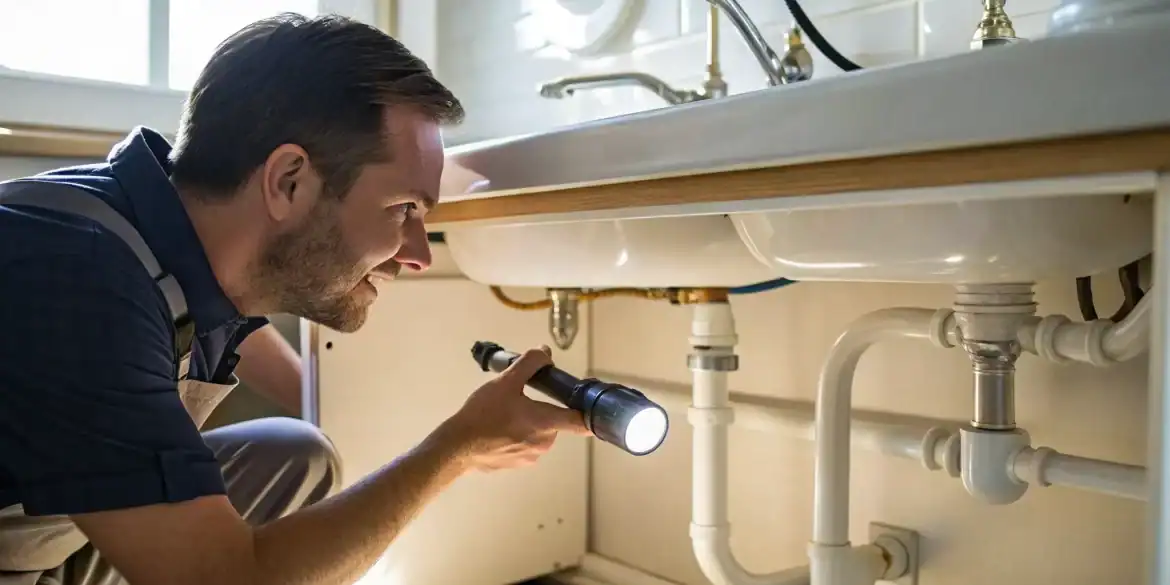
When you’re dealing with a sudden pipe burst or a serious leak, the last thing you want to hear from your insurance company is that your claim is denied due to a pre-existing issue or lack of maintenance. This is where a documented history of care can make all the difference. Scheduling a regular plumbing inspection serves as powerful proof that you’ve been a responsible homeowner. It provides a professional assessment of your system’s condition, which can be invaluable in strengthening your case for a fair settlement. It’s a simple step that not only helps you prevent disasters but also protects you if one occurs.
Key Takeaways
- Catch problems early to protect your wallet: A routine inspection can spot minor issues like slow leaks or pipe corrosion, giving you the chance to make affordable repairs and avoid the high cost of a sudden plumbing emergency.
- Get a complete picture of your system’s health: An inspector evaluates the parts of your plumbing you can’t see, including pipes behind walls and underground lines, to identify potential risks before they cause significant damage.
- Strengthen your position in an insurance claim: A history of regular plumbing inspections provides valuable documentation, showing that you’ve proactively maintained your property and helping to support your case for a fair settlement.
What is a plumbing inspection?
Think of a plumbing inspection as a complete health check-up for your home’s pipes and water systems. It’s a professional evaluation performed by a qualified plumber to assess the condition of your entire plumbing network. The main goal is to catch potential problems—like hidden leaks, corrosion, or faulty installations—before they turn into major disasters that can cause significant damage to your property.
Many of the most critical parts of your plumbing are hidden behind walls or under floors, making it easy to overlook warning signs. An inspection brings an expert eye to these unseen areas, giving you a clear picture of your system’s health. This proactive step can help you address small issues before they lead to costly repairs and complicated insurance claims. It’s all about understanding what’s going on with your pipes so you can keep your home safe and dry.
What an inspection covers
A thorough plumbing inspection is a top-to-bottom review of your property’s water systems. A professional will examine all the key parts of your home’s plumbing system, leaving no stone unturned. This typically includes checking all accessible pipes for signs of leaks or corrosion, from the water supply lines coming into your home to the sewer lines going out.
The inspection also covers fixtures and appliances. Your plumber will look at sinks, showers, tubs, faucets, and toilets to ensure they are functioning correctly and not leaking. They’ll also assess your water heater for proper operation and signs of wear, and even check outdoor hose bibs or spigots. It’s a comprehensive look designed to give you a full report on your system’s condition.
Inspection vs. maintenance: What’s the difference?
It’s easy to confuse a plumbing inspection with routine maintenance or a standard home inspection, but they serve different purposes. A general home inspection, often done when buying a property, usually just confirms that faucets turn on and toilets flush. It’s a surface-level check. A professional plumbing inspection, on the other hand, is a much deeper dive into the system’s overall health and longevity.
Similarly, maintenance involves routine tasks like cleaning drains or flushing a water heater. An inspection is a diagnostic tool used to identify existing or potential problems. For homeowners, it’s a way to protect your investment. For buyers, it helps you uncover issues that could lead to serious water damage and prevent you from inheriting someone else’s problems.
What does a professional plumbing inspection include?
A professional plumbing inspection is much more than a quick look under the sink. It’s a comprehensive evaluation of your entire water system, from where it enters your property to where it drains away. A qualified inspector follows a detailed checklist to spot potential issues that could otherwise go unnoticed. Understanding what this process involves can help you see its value in protecting your home.
Checking your indoor plumbing
The inspection starts with a thorough review of all the plumbing inside your home. This means every pipe, faucet, sink, toilet, shower, and tub gets a close look. Your inspector will check for any visible signs of leaks, corrosion, or water stains on walls and floors. They’ll also examine your water heater for proper operation, signs of rust, or leaks, as a failing unit can be a major source of water damage. The goal is to catch small drips and minor issues before they have a chance to become significant, costly problems.
Inspecting outdoor and underground pipes
Your home’s plumbing doesn’t stop at the exterior walls, and neither does the inspection. The professional will examine all outdoor components, including spigots and hose bibs, to ensure they are not leaking or damaged by the elements. They’ll also check any visible pipes leading into your home. For underground sewer lines, which can be compromised by tree roots or shifting soil, an inspector may recommend a special camera inspection. This allows them to see deep inside the pipes and identify blockages or breaks without having to dig up your yard.
Testing water pressure and flow
How your water behaves is just as important as the condition of the pipes. A key part of the inspection involves testing your home’s water pressure. If the pressure is too high, it can put unnecessary strain on your entire system, leading to leaks and burst pipes. If it’s too low, it could indicate a hidden leak or a blockage somewhere in the line. The inspector will also run hot and cold water at various fixtures to check for a steady, consistent flow and to make sure your water heater is delivering hot water effectively. This simple test can reveal a lot about your system’s overall plumbing health.
Assessing fixtures and appliances
Finally, the inspection zeroes in on the appliances and fixtures you use every day. The inspector will check toilets for leaks, which can often be silent and waste hundreds of gallons of water. They’ll examine the seals around tubs and showers to ensure they are watertight and preventing moisture from seeping into your walls. Faucets are checked for drips, and the plumbing connections for your washing machine, dishwasher, and refrigerator ice maker are all inspected for secure fittings. This detailed assessment ensures that every part of your system is functioning correctly and not posing a risk to your property.
Why get regular plumbing inspections?
Think of a regular plumbing inspection as a check-up for your home’s circulatory system. It’s a proactive step that can feel like just another thing on your to-do list, but it’s one of the smartest moves you can make as a property owner. Instead of waiting for a burst pipe or a backed-up drain to disrupt your life, an inspection allows a professional to spot potential trouble before it escalates. This isn’t just about avoiding a mess; it’s about protecting your investment, your finances, and your family’s well-being.
A thorough inspection gives you a clear picture of your plumbing’s health, from the pipes hidden in your walls to the fixtures you use every day. It can uncover issues you’d never notice on your own, like slow leaks, corrosion, or improper installations. By catching these things early, you can address them on your own terms and budget, rather than being forced into an expensive emergency repair. It’s a simple, preventative measure that offers significant peace of mind and can save you from major headaches down the road.
Catch problems early to save money
It’s easy to ignore what you can’t see, but with plumbing, what’s out of sight can quickly drain your wallet. A professional plumbing inspection helps find small problems before they turn into big, expensive emergencies. That tiny drip under the sink might seem harmless, but over time it can lead to water damage, mold, and a much higher water bill. An inspector can spot the beginnings of corrosion in your pipes or a small clog forming in your main sewer line. Addressing these minor issues with a simple repair is far more affordable than dealing with a full-blown pipe burst or a sewage backup that requires extensive cleanup and restoration. Preventative care is almost always cheaper than emergency repairs.
Protect your family’s health and safety
Beyond the financial costs, plumbing problems can pose real risks to your family’s health. Hidden leaks create the perfect damp environment for mold and mildew to thrive, which can trigger allergies and respiratory issues. A slow leak can also compromise your home’s structural integrity over time, weakening drywall, flooring, and even support beams. Furthermore, issues like a faulty water heater or cross-contamination between sewer and water lines can present serious safety hazards. A regular inspection ensures your system is functioning correctly, helping to keep your home’s air clean and your water safe while preventing serious water damage.
Strengthen your insurance claims
When you do have to file an insurance claim for water damage, having a history of regular plumbing inspections can be a huge advantage. It serves as proof that you’ve been a responsible homeowner, actively maintaining your property. This documentation can help counter any arguments from the insurance company that the damage was due to negligence or a pre-existing, unaddressed issue. A clean bill of health from a recent inspection can make your claim more straightforward and harder to dispute. If you find yourself in a difficult situation with an insurer, having experts like the team at PA Joe on your side can make all the difference in getting a fair settlement.
Maintain your property’s value
Your home is one of your biggest assets, and a well-maintained plumbing system is crucial to protecting its value. For potential buyers, an inspection can help them understand the health of the plumbing system and avoid unexpected hidden costs. If you’re selling, a recent, positive plumbing inspection report can be a great selling point, giving buyers confidence and peace of mind. For current homeowners, regular checks ensure that small issues don’t turn into major problems that could devalue the property. Keeping your plumbing in top shape is a smart investment that pays off, whether you plan to stay in your home for years or sell it in the future.
How often should you schedule a plumbing inspection?
Knowing when to schedule a plumbing inspection can feel like a guessing game, but it’s one of the most important preventative steps you can take as a property owner. Regular check-ups help you stay ahead of minor issues before they turn into major disasters, saving you from the stress and expense of emergency repairs. Think of it as a routine health check for your home’s circulatory system.
The ideal frequency for inspections isn’t one-size-fits-all. It often depends on the age of your property, the materials used in your plumbing system, and even your local environment. A newer home might not need as much attention as a historic property with original pipes. By establishing a regular inspection schedule, you’re not just maintaining your property; you’re also creating a documented history of upkeep. This can be incredibly valuable if you ever need to file an insurance claim for water damage, as it demonstrates you’ve been a responsible property owner.
General guidelines for your home
For most homes, a good rule of thumb is to have a professional plumbing inspection at least once every two years. This timeframe is frequent enough to catch developing problems like small leaks, corrosion, or clogs before they cause significant damage. A biennial inspection gives a plumber the chance to assess your pipes, drains, water heater, and fixtures under normal conditions. It’s a proactive measure that provides peace of mind and helps you budget for any future repairs or replacements, rather than being caught off guard by a sudden plumbing failure.
When you might need more frequent checks
If your home is older, particularly over 40 years old, you may want to schedule an inspection every year. Older homes often have plumbing systems made of materials like cast iron or galvanized steel, which can be more susceptible to corrosion and blockages over time. Annual checks are a smart way to monitor their condition closely. You might also consider more frequent inspections if you’ve noticed recurring issues like slow drains, have large trees on your property with invasive roots, or are planning a major renovation that could impact your plumbing system.
Warning signs you need an inspection now
Sometimes, your house will tell you when it’s time for an inspection. Don’t wait for your scheduled check-up if you notice any red flags. Telltale signs include a sudden drop in water pressure, drains that are slow to clear, or gurgling sounds coming from your pipes. You should also be on the lookout for damp spots or stains on walls and ceilings, musty odors that could indicate hidden mold, or a sudden, unexplained spike in your water bill. These are all urgent signals that something is wrong, and calling a plumber right away could prevent a small leak from becoming a catastrophic flood.
What plumbing problems can an inspection find?
A professional plumbing inspection is like a health check-up for your home’s pipes. It goes far beyond just looking for drips under the sink. An inspector can identify underlying issues that might not be visible to the naked eye, potentially saving you from future headaches and expensive repairs. From hidden leaks to code violations, here are some of the key problems a thorough inspection can uncover.
Hidden leaks and aging pipes
Some of the most destructive plumbing issues are the ones you can’t see. A comprehensive inspection examines the entire plumbing system, including pipes inside walls, under floors, and even outside your home. An inspector can spot signs of corrosion on aging pipes or find small, hidden leaks that have been slowly causing damage over time. Catching these issues early is crucial, as even a minor leak can lead to significant structural problems and costly water damage if left unaddressed. This proactive check helps you understand the true condition of your plumbing before a small problem becomes a catastrophe.
Drainage and pressure problems
Do you have a sink that drains a little too slowly or a shower with weak water pressure? These might seem like minor annoyances, but they can signal bigger problems like clogs forming deep within your pipes or issues with your main water line. During an inspection, a professional will test your home’s water pressure to ensure it’s within a safe range—too high, and it can strain your pipes and appliances; too low, and it could indicate a blockage or leak. They’ll also check drainage throughout the house to identify potential clogs that could lead to backups and water damage.
Water damage and mold risks
Where there’s a hidden plumbing problem, there’s often hidden moisture. An inspector is trained to look for the subtle signs of water damage, such as discoloration on walls, warped flooring, or musty odors. These are red flags for leaks that could be feeding mold growth behind the scenes. Unchecked mold can not only damage your home’s structure but also pose health risks to your family. By identifying the source of moisture, a plumbing inspection can help you address both the leak and any potential mold contamination before the situation gets worse and requires extensive remediation.
Code compliance issues
Building codes are in place to ensure your plumbing system is safe and functions correctly. However, these codes can change over time. If you live in an older home or if previous plumbing work was done without a permit, your system may not be up to current standards. A professional plumbing inspection can identify any code compliance issues, from improper pipe materials to inadequate ventilation. Addressing these problems is not only important for your family’s safety but can also be critical when you’re selling your home or filing an insurance claim after an incident.
How can you prepare for a plumbing inspection?
A little preparation can go a long way in making your plumbing inspection smooth and effective. Taking a few simple steps beforehand helps your inspector do a more thorough job, which gives you a clearer picture of your plumbing system’s health. Think of it as setting the stage for a successful check-up. When the inspector can work efficiently, they can focus on identifying potential issues that could lead to bigger problems down the road. This proactive approach not only saves time but also ensures you get the most value out of the service. By being prepared, you’re not just a passive observer; you’re an active participant in maintaining your property’s integrity and safety.
Clear the way for your inspector
One of the easiest and most helpful things you can do is ensure the inspector has clear access to all plumbing components. This means tidying up areas around your water heater, under sinks in the kitchen and bathrooms, and any access panels for pipes. If your main water shut-off valve is in a cluttered closet or garage, take a few minutes to move things out of the way. This simple step allows the inspector to move freely and safely, ensuring they can get a good look at everything without having to navigate an obstacle course. A clear path helps them perform a comprehensive check and reduces the time they need to spend on-site.
Gather your notes and repair history
Before the inspector arrives, take a moment to jot down any plumbing concerns you’ve noticed. Are there any slow drains, gurgling noises, or faucets that drip? Have your water bills been unusually high? Making a list of these known issues gives your inspector a great starting point. If you have records of past repairs or installations, gather those as well. This history provides valuable context and can help the inspector diagnose recurring problems more accurately. Having this information ready helps ensure all your concerns are addressed and can be crucial if you ever need to file a water damage claim.
Common inspection myths, busted
There are a few common misconceptions about plumbing that can cause unnecessary worry. One myth is that if your drains are working, they must be in good shape. Unfortunately, serious blockages can build up over time without showing obvious signs until it’s too late. Another concern some homeowners have is that a sewer camera inspection might damage their pipes. Rest assured, these cameras are designed to be non-invasive and are a safe, effective way to spot hidden issues. By understanding the facts, you can approach your inspection with confidence and a clear understanding of the process.
What to expect from the process and cost
Knowing what happens during a plumbing inspection—and what it might cost—can help you feel more prepared. The process is straightforward, and the report you receive is a valuable tool for maintaining your home and dealing with potential insurance claims. Let’s walk through what you can anticipate from start to finish.
The inspection process: Step-by-step
A professional plumbing inspection is a thorough check-up of your home’s entire water system. Before the inspector arrives, it’s a good idea to clear the areas around your water heater, under sinks, and any other access points so they can work efficiently. During the visit, the inspector will examine all visible pipes, drains, faucets, toilets, showers, and water-using appliances. They’ll also check things you might not think about, like outdoor spigots and water pressure. The goal is to get a complete picture of your plumbing’s health, from the water supply lines coming in to the sewer lines going out.
What determines the cost?
The cost of a plumbing inspection can vary, typically ranging from about $200 for a standard visual check to over $1,000 for more complex assessments. The final price often depends on the size of your property and the depth of the inspection. For instance, if the inspector needs to use a special camera to look inside your sewer lines for blockages or damage, that will add to the cost. While it’s an upfront expense, think of it as an investment. Catching a small leak early could prevent extensive water damage and save you from much larger repair bills down the road.
How to read your inspection report
After the inspection, you’ll receive a detailed report. This document is your guide to your plumbing system’s condition. It should clearly outline any issues found, often with photos, and provide recommendations for repairs or monitoring. Pay close attention to any problems marked as urgent, like active leaks or major blockages. This report is more than just a to-do list; it’s crucial documentation. If you need to file an insurance claim, a professional inspection report can provide the detailed evidence needed to strengthen your property damage claim and show the extent of the problem.
Related Articles
- What Happens When a Pipe Bursts Under Your House? – Public Adjuster
- How to Tell if a Pipe Burst Underground: 5 Signs – Public Adjuster
- How to Handle a Pipe Burst Insurance Claim – Public Adjuster
Frequently Asked Questions
How is a professional plumbing inspection different from the one done during a general home purchase? A general home inspection provides a broad overview, usually just making sure water runs from the faucets and toilets flush properly. A dedicated plumbing inspection is a much more detailed examination. A qualified plumber assesses the health of your entire system, looking for signs of corrosion, testing water pressure, and identifying potential failures that a generalist might miss. Think of it as the difference between a quick glance and a thorough diagnostic check-up.
Is a plumbing inspection worth it for a newer home? It’s a smart idea, even for newer homes. Construction quality can vary, and sometimes improper installation or faulty materials can create problems that don’t show up for a few years. An inspection can catch these issues early, sometimes while the home is still under a builder’s warranty. It gives you a baseline understanding of your system’s condition and peace of mind that everything was put together correctly from the start.
What should I do if the inspection uncovers a major issue? First, try not to worry. The purpose of an inspection is to find problems so you can address them on your own terms, not during an emergency. Your inspector will provide a detailed report outlining the issue and recommend the next steps. This allows you to get quotes from qualified plumbers and schedule repairs before a pipe bursts or a drain backs up. Finding a problem gives you control over the situation.
Will the inspector need to cut into my walls to check the pipes? In most cases, no. A standard plumbing inspection is a non-invasive, visual process. The inspector will check all accessible pipes under sinks, in the basement, and connected to your appliances. If they suspect a problem hidden behind a wall, they may recommend a special camera inspection. This involves feeding a small camera into the pipes to see inside without any demolition.
How can a plumbing inspection report help me with an insurance claim? A detailed inspection report is a powerful piece of documentation. If you ever have to file a claim for water damage, this report serves as evidence of your plumbing system’s condition before the incident occurred. It can also demonstrate that you’ve been proactive about maintenance, which can be very helpful when dealing with your insurance company. It provides a professional, third-party assessment that supports your claim for fair compensation.