 Proudly Serving the Entire State of Florida

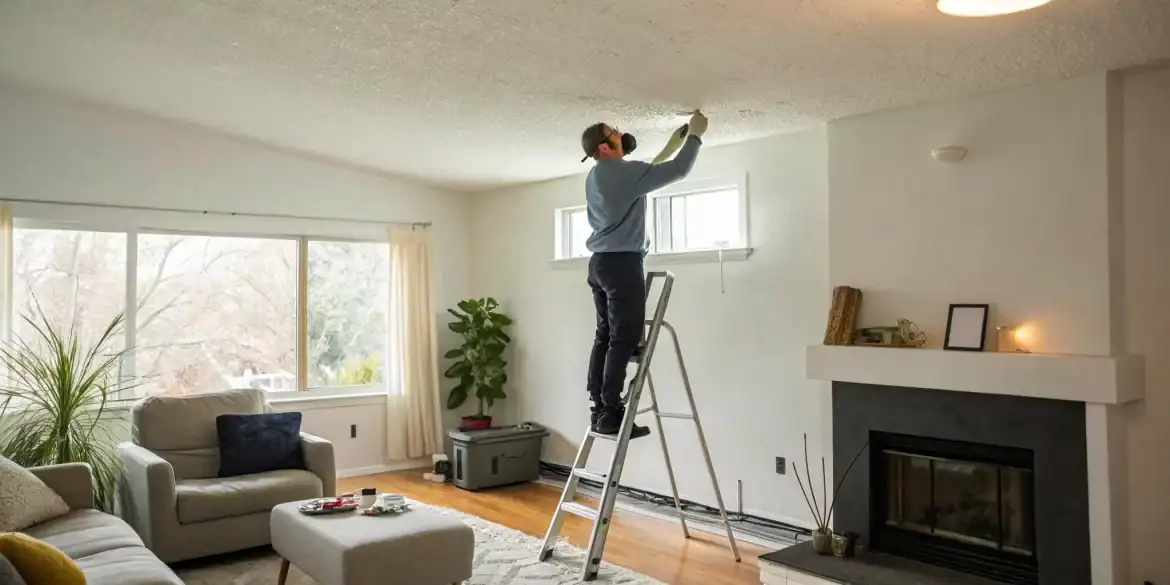
In many homes built before the 1980s, that textured ceiling finish could be hiding a serious health hazard: asbestos. A simple crack or some flaking from a minor water leak might seem like a straightforward fix, but disturbing that material could release harmful fibers into the air you breathe. Safety must be your top priority. Before you even consider a DIY popcorn ceiling repair, it’s essential to understand the risks and know how to identify them. This guide will walk you through the necessary safety precautions, explain how to determine if you should call a professional, and provide the steps for a safe repair if your ceiling is asbestos-free. We’ll cover everything from proper preparation to making the final patch invisible.
Key Takeaways
- Confirm It’s Safe Before You Start: For homes built before the 1980s, a popcorn ceiling may contain asbestos. The only way to know for sure is with a professional test, and if it comes back positive, you’ll need a certified pro to handle the repair safely.
- Good Prep Work Makes the Repair Disappear: A successful patch relies on the steps you take before applying new texture. Protecting your room, scraping a clean border around the damage, fixing the underlying drywall, and using a stain-blocking primer are essential for a seamless finish.
- Insurance May Cover Repairs, but It’s Complicated: While policies typically exclude pollutants like asbestos, coverage could apply if a covered event, such as a water leak, is the direct cause of the damage. Carefully documenting the incident is crucial for a potential claim.
What’s a Popcorn Ceiling (And Why Would You Fix It)?
If you’ve ever looked up at a ceiling and seen a bumpy, textured surface that reminds you of cottage cheese, you’ve probably seen a popcorn ceiling. This distinct style was a go-to finish for decades, but now it can make a home feel dated. More importantly, when that texture starts to show wear and tear, it might be a sign of a bigger issue.
Damage like stains, cracks, or flaking isn’t just a cosmetic problem. It could point to a hidden water leak or structural shifts in your home. Understanding why this ceiling style was used in the first place and what common problems look like is the first step in deciding whether to repair, replace, or just leave it be.
A Quick Look Back: Why Popcorn Ceilings Were So Popular
Popcorn ceilings, also known as acoustic ceilings, had their heyday in homes built from the 1950s through the 1980s. Builders loved this finish for a few practical reasons. First, applying the spray-on texture was a quick and inexpensive way to hide imperfections in the drywall work underneath. It saved a lot of time and money on achieving a perfectly smooth finish. Second, the bumpy texture offered some minor sound-dampening qualities, which was a nice selling point for bedrooms and family rooms. While they’ve fallen out of fashion, knowing their history helps explain why they’re so common in many homes today.
Common Types of Popcorn Ceiling Damage
Over time, popcorn ceilings can develop a few tell-tale signs of trouble. The most common issue is water damage, which often shows up as yellowish or brownish stains. A leaky roof or a plumbing issue in the floor above can cause the texture to soften, bubble, and eventually flake or peel off. You might also see cracks appear, which could be a result of your home settling naturally over the years. Sometimes, the texture just starts to peel or flake away due to age or high humidity. These issues are not only unsightly but could also indicate a need for a more significant water damage repair. In older homes, there’s also a chance the material contains asbestos, which poses health risks if disturbed.
Could Your Popcorn Ceiling Contain Asbestos?
If your home was built before the early 1980s, there’s a chance your popcorn ceiling has a hidden and unwelcome ingredient: asbestos. For decades, asbestos was a go-to material in construction for its fire-retardant and insulating properties, which is why it was so commonly mixed into ceiling textures. The problem, as we now know, is that it’s a hazardous material linked to serious health issues when its fibers are inhaled.
Now, don’t panic just yet. Asbestos-containing materials aren’t necessarily dangerous if they are in good condition and left completely undisturbed. The real risk comes when the material becomes “friable,” meaning it’s easily crumbled or reduced to powder. Any disturbance—whether from a water leak, accidental scraping, or starting a renovation project—can release these microscopic, harmful fibers into the air you breathe. This is particularly relevant for popcorn ceilings, as their bumpy texture is prone to damage and degradation over time.
This is why it’s so critical to pause and consider the possibility of asbestos before you touch that damaged spot on your ceiling. Identifying this risk is the first and most important step in any popcorn ceiling repair project in an older home. It’s not about creating fear, but about taking a smart, safety-first approach to protect yourself and your family from potential exposure. Before you even think about scraping or patching, you need to figure out what you’re working with.
How to Check for Asbestos in Older Homes
Unfortunately, you can’t identify asbestos just by looking at it. While you can visually inspect your ceiling for signs of damage or deterioration, the only way to know for sure if asbestos is present is to have a sample tested by a certified laboratory. Although DIY test kits are available, collecting a sample yourself can be risky, as it can release fibers if not done properly. For peace of mind, it’s best to hire a certified asbestos professional to take the sample. It’s also important to understand how your insurance might respond. Most standard policies don’t cover asbestos removal on its own, but if a covered event like a pipe burst causes water damage and disturbs the material, the related abatement could be part of the claim.
When to Call a Professional Immediately
If you have any reason to suspect your ceiling contains asbestos—especially if it’s flaking, crumbling, or has visible damage—it’s time to call a professional. This is not a situation for a DIY fix. Attempting to scrape or repair it yourself can contaminate your entire home and create a serious health hazard. Professionals have the specialized training, containment procedures, and protective equipment to handle the material safely. You should also call for testing before starting any renovation that might disturb the ceiling. If you’re dealing with property damage that has exposed potential asbestos, getting expert help with your insurance claim is just as crucial. The team at PA Joe can help you navigate your policy and document everything correctly from the start.
Gather Your Tools and Materials for the Repair
Getting organized before you start a project can make all the difference. Taking a few minutes to gather everything you need means you won’t have to make a last-minute run to the hardware store with a half-finished ceiling. Let’s go over the tools, materials, and safety gear you’ll want to have on hand.
Your Materials Checklist
Think of this as your shopping list for a successful repair. Having these items ready will help the process go smoothly from start to finish.
You’ll likely need:
- Plastic sheeting and painter’s tape to protect your walls, floors, and furniture.
- A ceiling repair patch, like self-adhesive mesh tape, to cover any holes or cracks.
- Light spackle or joint compound and a putty knife to create a smooth surface.
- A fine-grit sanding pad or block to feather the edges of your patch.
- Stain-blocking primer to seal the patch and prevent any water stains from bleeding through.
- A paintbrush for applying the primer.
- Popcorn ceiling patch, which you can find in a pre-mixed bucket. This is often easier to work with than aerosol spray versions.
Safety Gear You’ll Absolutely Need
This is the most important step, so please don’t skip it. If your home was built before the 1980s, there’s a chance your popcorn ceiling contains asbestos. Scraping or sanding this material can release harmful fibers into the air.
Before you do anything else, it’s a good idea to have the material tested. You can find home testing kits or hire a professional. If the test comes back positive, this is no longer a DIY project, and you should call an asbestos abatement professional. For any repair, you should always wear:
- Safety glasses or goggles
- A dust mask or respirator to protect your lungs
- Gloves
Taking these precautions is key to keeping you and your family safe during any home repair project.
Spray Gun vs. Spray Can: What’s the Best Choice?
When it comes to applying the new popcorn texture, you have a few options. The method you choose can really impact how well the new patch blends with the old ceiling.
For small patches, many people find success using the pre-mixed popcorn texture from a bucket and applying it with a paintbrush. This gives you a lot of control to dab and stipple the texture until it matches.
For larger repairs, you might consider renting a drywall spray gun and using a bag of popcorn texture mix. This can help you achieve a more uniform finish that blends seamlessly across a wider area.
What about the aerosol spray cans? While they seem convenient, they can be difficult to control and often result in a texture that doesn’t quite match. For the best results, sticking with a brush-on patch or a spray gun is usually the better way to go.
How to Prep Your Room for the Repair
Before you can fix the damage, you need to get your room ready. Proper preparation is the secret to a clean, professional-looking repair and will save you a major cleanup headache later. Taking a little extra time now to protect your space and prepare the ceiling surface will make the entire process go much more smoothly. Think of it as setting the stage for a successful repair.
Protect Your Home from the Mess
Let’s be honest: repairing a popcorn ceiling is messy work. Tiny bits of texture will get everywhere if you let them. Start by moving as much furniture out of the room as you can. For anything that has to stay, cover it completely with plastic sheeting. Next, lay a drop cloth over the entire floor. This will catch the dust and debris, making cleanup as simple as folding the cloth up and taking it outside. For a very small patch, you might get away with holding a bucket or a trash can lid underneath, but for anything larger, a drop cloth is your best friend.
Safely Scrape Away Loose Texture
With your room protected, you can now focus on the ceiling itself. To make the old texture easier to remove, lightly mist the damaged section with water from a spray bottle. You don’t want to soak it, just dampen it enough to soften the material. After letting it sit for a few minutes, take a plastic scraper or a wide putty knife and gently scrape away the loose, crumbling popcorn. It’s a good idea to scrape about an inch beyond the actual damage to create a solid, clean border for your new patch. This helps the new texture blend in seamlessly with the old.
Fix Any Drywall Issues Underneath
Once the loose texture is gone, take a close look at the exposed drywall. Often, the source of the problem—like a slow leak—can cause underlying water damage to the drywall itself. If you see any cracks, holes, or soft spots, you’ll need to address them before moving on. Use a standard drywall patch or joint compound to fill in any imperfections. Apply a thin layer and feather the edges outward with your putty knife. Your goal is to create a smooth, level surface that’s ready for priming and new texture.
Your Step-by-Step Guide to Popcorn Ceiling Repair
Now that your room is prepped and the underlying drywall is sound, you’re ready to tackle the repair itself. Breaking the process down into simple steps can make it feel much less intimidating. With a little patience, you can get a result that blends right in with the rest of your ceiling. Let’s walk through how to do it.
Step 1: Prime the Damaged Area
Before you add any new texture, you need to prime the patched area. This is especially important if the damage came from a leak, as water stains have a nasty habit of bleeding through fresh paint and ruining your finish down the road. A good stain-blocking primer will seal the patch completely, prevent any discoloration, and create a uniform surface for the new texture to stick to properly. Apply a thin, even coat over the entire repair with a brush or small roller. Let it dry completely according to the manufacturer’s instructions before moving on. This simple step is your best defense against future issues and is key to a professional-looking repair.
Step 2: Mix and Apply the Texture
Next, it’s time to prepare your popcorn texture. For very small repairs, a premixed aerosol spray can be a convenient, all-in-one option. For anything larger, you’ll likely use a powder that you mix with water. The goal is to achieve a consistency similar to thick pancake batter or cottage cheese—not too runny, not too clumpy. Follow the package directions closely, as adding too much or too little water will affect how the texture sprays and its final look. Mix it thoroughly in a small bucket until it’s smooth. Once it’s ready, you can begin applying it to the primed patch, building it up slowly to match the thickness of the surrounding ceiling.
Step 3: Match the Existing Texture
This is the part that requires a bit of artistry. The key to a seamless repair is making the new texture blend in with the old. For larger patches, you may need to use a special drywall texture sprayer, which you can often rent from a home improvement store. These sprayers have adjustable nozzles to help you match the specific size of your ceiling’s “popcorn.” For smaller spots, you might get better results dabbing the texture on with a stiff-bristled brush or a small sea sponge. It’s a great idea to practice on a scrap piece of cardboard first. This lets you get a feel for the technique and confirm your texture mix is the right consistency before you touch the ceiling.
Step 4: Let It Dry and Cure Properly
Once you’re happy with the texture match, you have to let it dry. Be patient here—painting too soon is a common mistake that can smear the texture and ruin all your hard work. The drying time can vary quite a bit depending on the product you used, the thickness of the application, and the humidity in the room. It could take anywhere from 24 to 48 hours, or sometimes longer. Always check the product’s instructions for specific guidance on curing times. The texture should be completely dry and hard to the touch before you even think about reaching for a paintbrush. A fully cured patch is essential for a durable, long-lasting repair.
What Does Your Insurance Cover?
When you’re dealing with a damaged popcorn ceiling, especially one that might contain asbestos, one of your first questions is probably, “Will my insurance pay for this?” The answer isn’t always straightforward and often depends on the fine print in your policy and the specific cause of the damage. Insurance policies are complex contracts, and what seems like a clear-cut case of damage can quickly get tangled in exclusions and specific conditions.
The key thing to understand is that most insurance policies draw a hard line between damage caused by a sudden, accidental event and issues that arise from general wear and tear or a homeowner’s choice to renovate. If a pipe bursts and soaks your ceiling, that’s very different from deciding you want to remove an old popcorn ceiling because it’s outdated. This distinction is especially important when a potential hazard like asbestos is involved, as insurers have specific rules about how they handle pollutants. Before you start any repairs or even file a claim, it’s helpful to get a handle on what your policy likely says about this kind of damage.
Understanding Pollutant Exclusions in Your Policy
Most standard homeowners insurance policies have something called a “pollutant exclusion,” and this is where things can get tricky. Insurers often classify asbestos as a pollutant. Because of this, policies generally do not cover the cost of asbestos removal or abatement on its own. If your goal is simply to get rid of an old popcorn ceiling because you’re worried it might contain asbestos, your insurance carrier will almost certainly not cover the expense. This exclusion is designed to protect insurance companies from covering costs related to pre-existing environmental hazards or elective home improvements. It’s a critical piece of your policy to be aware of before you make any calls.
How to Document Everything for a Potential Claim
So, when might your insurance cover asbestos removal? Coverage typically comes into play only when the asbestos-containing material is damaged by a covered event. Think of a sudden pipe burst, a fire, or a storm that causes a roof leak, leading to significant water damage. In these situations, the policy may cover the necessary repairs, including the safe handling of the disturbed asbestos. This is why documentation is absolutely essential. From the moment you notice the damage, start taking clear photos and videos. Capture the source of the problem (like the leaking pipe) and the full extent of the damage to your ceiling. A detailed record creates a strong foundation for your claim.
Could Your Insurance Cover Asbestos Removal?
Even with a covered event, getting your insurer to pay for asbestos removal can be a challenge. Your policy will likely state that it won’t cover pollutants unless they were exposed or disturbed by a covered peril. This means you have to prove a direct link between the covered event—like the water damage—and the need for asbestos abatement. The process often involves detailed inspections and reports, and insurance companies may dispute the scope of the necessary work. Because these claims are so complex, many homeowners find it helpful to work with a public adjuster who can advocate on their behalf and ensure all damage is properly assessed and documented to secure a fair settlement.
Common Mistakes That Can Ruin Your Repair
Even a seemingly straightforward DIY project can go sideways if you’re not careful. Repairing a popcorn ceiling has a few common pitfalls that can turn a quick fix into a bigger headache. Knowing what to look out for ahead of time can save you from having to do the work all over again. From applying the texture to choosing your materials, a little bit of foresight goes a long way.
The goal is to make the repair look like it never happened, but that’s easier said than done. Many people find it hard to make a popcorn ceiling repair blend perfectly with the old ceiling, leading to a patchy, uneven look. If you’ve ever walked into a room and your eyes were immediately drawn to a sloppy ceiling patch, you know what I mean. Let’s walk through some of the most frequent missteps so you can avoid them and get a result you’re proud of.
Applying the Texture Incorrectly
One of the biggest challenges is getting the new texture to match the old. It’s easy to end up with a spot that’s either too sparse or way too heavy. If the texture is applied too thickly, it will stand out, and as one DIYer noted, it “might flake off later.” The key is to build up the texture in thin layers, giving you more control over the final look. It’s better to add a little more than to have to scrape off a thick, goopy mess. Aim for a feathered edge where the new texture meets the old to create a more seamless transition.
Forgetting Important Safety Steps
It’s tempting to jump right into a project, but with older homes, safety has to come first. If your house was built before the 1980s, your popcorn ceiling could contain asbestos. As one expert advises, you should “always wear a mask when working on them,” because scraping or sanding can release harmful fibers into the air. Before you start, it’s a good idea to have a small sample tested. If you do have asbestos, this is not a DIY job. You’ll need to contact a professional for safe removal and to handle any related property damage claims.
Choosing the Wrong Materials
Not all popcorn ceiling patch products are created equal. You might see aerosol spray cans that promise a quick and easy fix, but they often deliver disappointing results. One homeowner shared their frustration, saying, “The spray stuff is crap!” These sprays can be difficult to control and often don’t provide enough texture to match the original ceiling. A better option is a pre-mixed popcorn ceiling patch that comes in a small bucket. This type of product gives you a thicker, more authentic texture that’s easier to work with and build up for a professional-looking finish.
Not Giving It Enough Time to Dry
Patience is a virtue, especially when it comes to drywall and texture repairs. After you’ve applied your patch, you need to “allow the patch to dry completely” before you even think about priming or painting. Rushing this step can trap moisture, leading to cracks, peeling, or even mold from the underlying water damage. It’s often better to apply “multiple thin coats rather than one thick one,” letting each layer dry fully in between. This approach creates a stronger, more durable bond and ensures your hard work will last for years to come.
How to Get a Seamless Texture Match
Getting the new texture to blend in with the old is arguably the most challenging part of a popcorn ceiling repair. A mismatched patch can stick out more than the original damage, and the goal is to make the repair disappear. This all comes down to matching the texture’s size, density, and pattern. With a bit of patience and the right technique, you can achieve a finish that looks seamless. If the damage is extensive, remember that documenting the repair process can be helpful for a potential water damage claim.
Techniques for a Flawless Blend
You have a few options for creating that classic bumpy look. For larger repairs, many professionals use a special drywall spray gun with a bag of popcorn texture mix to get the most authentic match. If you’re looking for a less messy approach, you could try a “roll-on texture” that you apply with a paint roller. For very small patches, some DIYers even mix spackle with tiny Styrofoam balls to create a similar effect. If you’re using a repair putty, try spreading it with a small roller instead of a putty knife to avoid a flat, unnatural finish that gives away your repair spot.
Roller or Knife? Choosing the Right Tool
When you’re working with a pre-mixed popcorn ceiling patch that comes in a bucket, your application tool makes all the difference. While a putty knife is great for flat surfaces, it can easily flatten the texture you’re trying to create. Instead, try dabbing the patch on with a small, stiff-bristled brush or a small, textured roller. This technique helps you build up the texture and mimic the random pattern of the original ceiling. Many experienced DIYers prefer using a popcorn ceiling patch from a bucket because it offers more control over the application than aerosol spray cans.
Test Your Texture Mix Before You Start
Before you point that sprayer at your ceiling, always do a test run. Grab a large piece of cardboard and practice your spraying technique. This helps you get a feel for the nozzle pressure and the distance you need to maintain for the right coverage. If you’re using a spray can, check the expiration date first—an old can may not spray evenly. For a smoother application, you can also try warming the can in a bucket of warm water for about 15 minutes before you shake it up and start spraying. This simple step can make a huge difference in getting a consistent, even texture pattern.
Painting Your Repaired Popcorn Ceiling
Once your popcorn ceiling patch is completely dry, the final step is painting. This is where your repair really starts to blend in and disappear. Taking a little extra care here can make the difference between a noticeable patch and a seamless finish. The goal is to make it look like the damage never happened. It’s all about choosing the right materials and using a gentle technique to get a uniform look across the entire surface.
How to Choose and Apply the Right Primer
Before you even think about paint, you need to prime the repaired area. Primer is essential because it seals the new texture and creates a uniform base, which helps the paint adhere properly and look even. For a popcorn ceiling, you’ll want to find a quality, stain-blocking primer. When you’re ready to apply it, use a thick-nap roller designed for textured surfaces. Roll the primer on gently in one direction. Try not to press too hard or go over the same spot too many times, as too much moisture and pressure can loosen the delicate popcorn texture you just applied.
Getting a Consistent Color Across the Ceiling
To avoid a patchy finish, the key is consistency. After your primer is dry, it’s time for the topcoat. Use the same thick-nap roller you used for the primer to ensure the paint gets into all the little nooks and crannies of the texture. Apply the paint smoothly and, just like with the primer, try to roll in a single, consistent direction across the ceiling. This technique helps prevent streaks and ensures the color looks uniform from every angle. Rushing this step can lead to an uneven appearance, so take your time and apply the paint with a light, even hand for the best results.
Should You Spot Paint or Repaint the Whole Thing?
This is a common question, and the answer really depends on the size of your repair and the age of your existing ceiling paint. For a very small, minor patch, you might get away with spot painting. However, it can be incredibly difficult to get a perfect color match, as ceiling paint can yellow or fade over time. If you spot paint, the repaired area may still stand out. For a truly seamless, professional-looking finish, your best bet is usually to repaint the entire ceiling. This ensures a consistent color and sheen from wall to wall, making your repair completely invisible.
When Is It Time to Hire a Professional?
While tackling a popcorn ceiling repair yourself can be a rewarding project, it’s important to know when to step back and call in a professional. Some situations involve risks that go beyond a simple DIY fix, from potential health hazards to structural issues that need an expert eye. Pushing through a project that’s over your head can lead to more expensive repairs down the line or, more importantly, compromise your safety. Recognizing the signs that you need help is a key part of being a smart homeowner. Let’s walk through a few scenarios where handing the job over to a pro is the best call you can make.
If You Suspect Asbestos
If your home was built before the 1980s, there’s a chance your popcorn ceiling contains asbestos. Disturbing it without proper precautions can release harmful fibers into the air. If you have any reason to suspect asbestos, the first step is to have the material tested by a certified professional. Do not scrape, sand, or break the ceiling material. A professional abatement company has the specialized equipment and training to handle asbestos safely, protecting you and your family from exposure. This isn’t a corner you want to cut—the potential health risks are far too serious to manage on your own.
When the Damage Is Too Big to DIY
A small crack or a minor stain might be a manageable weekend project, but extensive damage is a different story. If you’re looking at large, spreading water stains, sagging sections of drywall, or long, deep cracks, it’s time to call a contractor. These are often signs of a bigger underlying problem, like a persistent roof leak or hidden water damage. A professional can assess the full extent of the issue, fix the source of the problem, and ensure the structural integrity of your ceiling is sound before making any cosmetic repairs. Attempting a large-scale repair yourself could be less effective and potentially unsafe.
When You Need Help with an Insurance Claim
If the damage to your ceiling was caused by a covered event like a burst pipe, storm, or fire, you’ll likely be filing a homeowners insurance claim. This process can be complicated and overwhelming, especially when you’re already stressed about the damage. Hiring a professional public adjuster can make a significant difference. They can help you thoroughly document the damage, accurately estimate repair costs, and negotiate with your insurance company to ensure you receive a fair settlement. An expert from a firm like PA Joe can manage the entire claims process, allowing you to focus on getting your home back to normal.
Related Articles
- What Happens When a Pipe Bursts Under Your House? – Public Adjuster
- Water Pipe Burst Inside House? Here’s What to Do – Public Adjuster
- When Is a Roof Leak Covered by Homeowners Insurance? – Public Adjuster
Frequently Asked Questions
Is it really necessary to test for asbestos before a small repair? If your home was built before the early 1980s, taking that extra step to test for asbestos is a very good idea. Even a small scrape can release harmful fibers into the air you breathe. While it might seem like a hassle for a tiny patch, getting a definitive test result gives you peace of mind and ensures you’re keeping your home environment safe. It’s the only way to know for sure what you’re working with before you start.
Can I just paint over a water stain on my popcorn ceiling? Simply painting over a water stain is usually just a temporary fix that hides the symptom, not the problem. The stain itself is a sign of a moisture issue, and without addressing the source of the leak, the damage will likely continue. Plus, water stains have a tendency to bleed through new layers of paint over time. Priming and repairing the area properly is the best way to get a lasting result.
Why doesn’t my patch blend in with the rest of the ceiling? Achieving a seamless blend is the trickiest part of this repair. A noticeable patch is often the result of using the wrong materials, like an aerosol spray that doesn’t match, or applying the texture too flatly with a putty knife. The key is to build up the texture in thin layers and use a dabbing motion with a brush or sponge to mimic the original random pattern. Practicing on a piece of cardboard first can make a huge difference.
Will my homeowners insurance pay to fix my damaged popcorn ceiling? Whether your insurance covers the repair often depends on what caused the damage in the first place. Policies typically cover damage from sudden and accidental events, like a burst pipe or a storm. They generally don’t cover issues from old age or lack of maintenance. If a covered event damages a ceiling that contains asbestos, the related abatement costs could be included in the claim, but these situations can be complex.
Should I just remove the entire popcorn ceiling instead of patching it? Deciding between a patch and a full removal depends on the extent of the damage and your long-term plans for the room. For a single small spot, a careful repair is much faster and more cost-effective. However, if you have widespread damage in multiple areas or you were already planning to update the room’s look, removing the texture entirely might be the better investment of your time and effort.