 Proudly Serving the Entire State of Florida

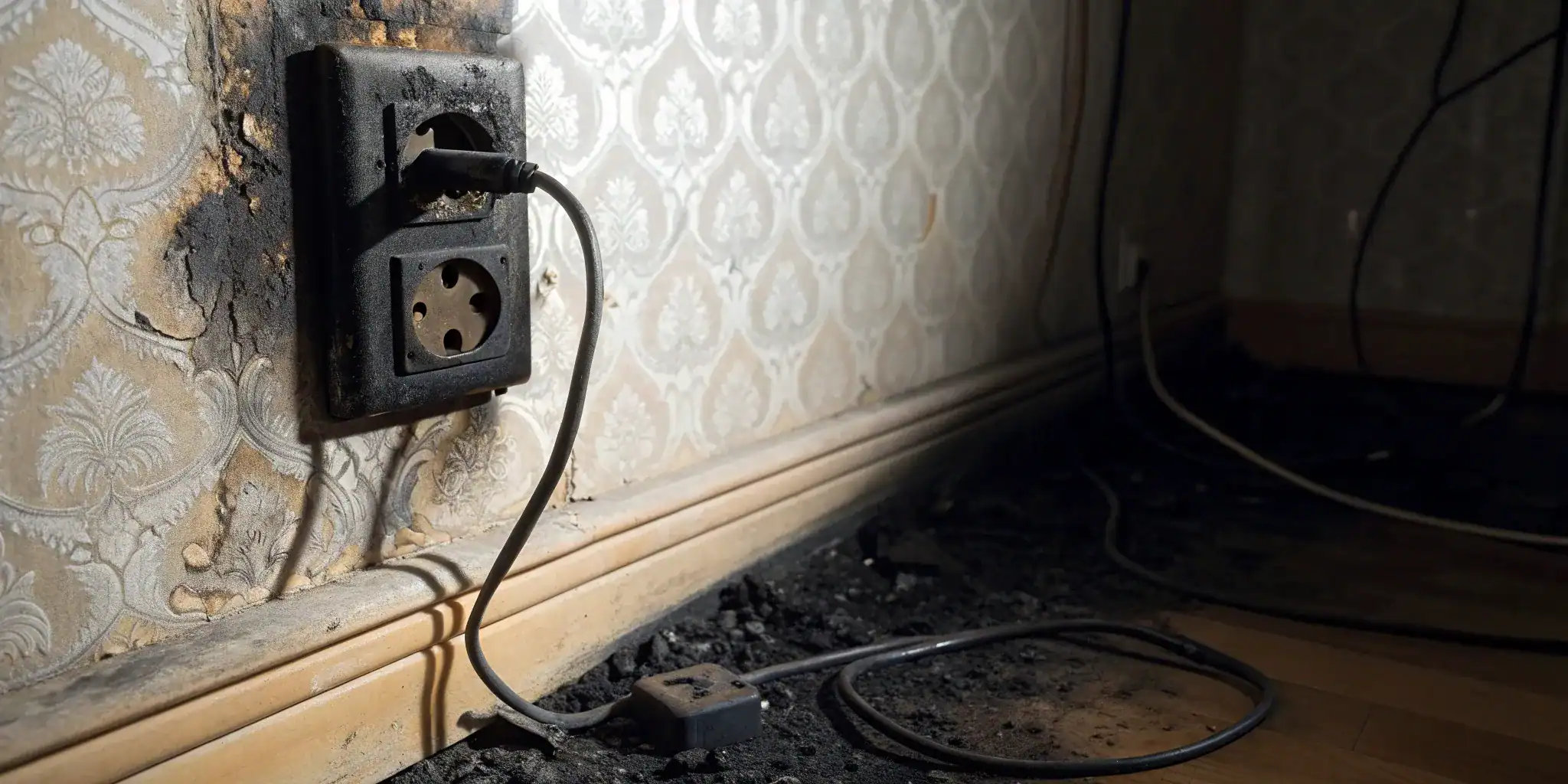
An electrical fire can feel especially unsettling because the cause is often something you couldn’t see, like old wiring or a hidden appliance malfunction. This invisible origin can make the insurance claim process more complicated than you might expect. Your insurance company will want to determine the exact cause, and their findings will directly affect your settlement. You can’t simply state that the fire was electrical; you need to be prepared to show it. Understanding how to prove an electrical fire for insurance with solid evidence is crucial. From gathering official reports to documenting every detail, we’ll explain how to build a claim that leaves little room for dispute and helps you get the compensation you deserve.
Key Takeaways
- Thorough documentation is your most powerful tool: Once the property is safe to enter, photograph and video all damage, create a detailed inventory of lost belongings, and save every related receipt. This evidence forms the backbone of your claim and can help minimize disputes.
- Be your own advocate during the claims process: Your insurer’s damage assessment is just a starting point. Get your own repair estimates from trusted contractors and review your policy’s fine print to understand your coverage. This preparation puts you in a stronger position to negotiate a fair settlement.
- Don’t hesitate to seek professional help: For complex claims, unfair settlement offers, or outright denials, a public adjuster can be a critical ally. They represent your interests exclusively, handling negotiations and managing the process to help you secure the compensation you deserve.
Electrical Fires and Insurance: What You Need to Know
Dealing with the aftermath of a fire is incredibly stressful, and when the cause is electrical, it can feel even more complicated. You’re not just dealing with the damage; you’re also facing a complex insurance process. Understanding the basics of how electrical fires happen and what your insurance policy says about them is the first step toward getting things back on track.
Your insurance company is supposed to help you recover, but the claims process can be full of hurdles. They have their own team of experts working to protect their interests, which may not always align with yours. Knowing the common warning signs of an electrical issue can be helpful not just for prevention, but also for building your case. Similarly, having a grasp of your insurance policy’s language before you even pick up the phone can make a world of difference. This knowledge empowers you to advocate for yourself and ensures you’re prepared for the questions and documentation requests that will come your way.
Common Signs and Causes of Electrical Fires
It’s easy to overlook the subtle signs of an electrical problem until it’s too late. Being aware of these red flags can help you protect your property and your family. Pay close attention if you notice your circuit breakers tripping frequently, as this can indicate a circuit is overloaded or has a serious fault. Other warning signs include a persistent burning smell without an obvious source, sizzling or buzzing sounds coming from behind your walls, or outlets and switches that are discolored, charred, or warm to the touch. These symptoms often point to underlying issues like old, degraded wiring or faulty connections, which are among the leading causes of electrical fires.
What Your Insurance Policy Might Cover
The good news is that most standard homeowner’s insurance policies do provide coverage for damage caused by accidental electrical fires. This coverage typically helps pay for repairing or rebuilding the structure of your home. It also usually extends to your personal belongings that were damaged or destroyed in the fire, from furniture and electronics to clothing. If the damage is severe enough that you can’t live in your home during repairs, your policy’s “additional living expenses” (ALE) coverage may also cover costs like hotel bills and meals. At PA Joe, we specialize in helping property owners navigate their insurance claims to ensure they receive fair compensation for all covered damages.
Understanding Your Policy’s Fine Print
While most policies cover electrical fires, you should never assume you’re fully protected without checking the details. Every policy has its own specific terms, conditions, and exclusions. It’s so important to read your policy’s fine print to understand exactly what is and isn’t covered. An insurer might deny a claim if they determine the fire was caused by negligence or a lack of maintenance. Some policies may also have specific exclusions or lower limits for certain types of related damage, like smoke or water damage from firefighting efforts. Knowing these details ahead of time helps you prepare a stronger claim and understand the potential challenges you might face.
How to Document Everything After an Electrical Fire
After the shock of an electrical fire, the path to recovery can feel overwhelming. Once you know everyone is safe, your focus will likely shift to your home and your insurance claim. This is where documentation becomes your most powerful tool. Taking the time to carefully record every detail might seem like a huge task right now, but it’s one of the most important things you can do to support your claim and ensure you get a fair settlement. Think of it as creating a clear, undeniable story of your loss for the insurance company. A well-documented claim leaves less room for dispute and can make the entire process smoother. We’ll walk through the key steps to take, from getting official reports to capturing the full extent of the damage.
Your First Steps for Safety
Before you even think about insurance or documentation, your absolute first priority is safety. If an electrical fire starts, the most important thing you can do is get everyone—including your pets—out of the house immediately and call 911. Don’t stop to grab personal belongings. Property can be replaced, but your family’s well-being is priceless. Once the fire department has deemed the property safe to re-enter, you can begin to assess the damage. Never re-enter a fire-damaged structure until you have been given the official all-clear from emergency responders. This ensures you avoid potential hazards like structural instability or exposure to harmful chemicals.
Getting the Official Fire Report
One of the most critical pieces of evidence for your claim is the official fire report. After the fire is out, the fire department will create a report detailing their findings. This document typically includes essential information like the date, time, and location of the fire, and often an initial assessment of the cause and origin. These official reports are seen as objective, third-party accounts, which gives them significant weight in an insurance claim. You can request a copy from your local fire department. It’s a foundational document that helps establish the facts of the incident and is one of the first things your insurance company will likely ask for.
Capturing Photo and Video Evidence
Visual evidence is incredibly persuasive. Before anything is moved or cleaned up, take as many photos and videos as you possibly can. Use your smartphone to document the damage from every angle. Capture wide shots of each room to show the overall scope of the damage, then move in for close-ups of specific items, soot-stained walls, and structural damage. A video walkthrough where you narrate what you’re seeing can also be very effective. This visual record helps prove the full extent of the damage and can be invaluable if your insurer questions the severity of your loss. Don’t forget to open cabinets and closets to show what’s inside.
Creating a List of Damaged Items
Next, begin creating a detailed inventory of everything that was damaged or destroyed. Go through your home room by room and list each item, including furniture, electronics, clothing, and personal belongings. For each item, try to include a description, its age, the original cost, and the estimated replacement cost. To prove ownership and value, gather any documentation you can find, such as receipts, credit card statements, warranties, or even photos of your home from before the fire. This detailed list will be essential when you file the contents portion of your claim and helps ensure you don’t forget anything.
Documenting Hidden Damage
Fire damage isn’t always obvious. Beyond the visible charring and smoke, damage can hide within walls, attics, and crawl spaces. Soot and smoke can travel through your HVAC system, and the water used to extinguish the fire can lead to serious issues like mold and structural rot. It’s important to look for damage in hidden spots, as these areas are sometimes overlooked during an initial inspection. Document any signs of smoke, soot, or water damage in these less-visible places. Uncovering this hidden damage is key to ensuring your final settlement covers the true cost of restoration, not just the surface-level repairs.
How to Build a Strong Insurance Claim
After the immediate shock of an electrical fire, your focus will shift to recovery. A huge part of that process is filing an insurance claim, and the strength of your claim depends entirely on the evidence you provide. Think of it as building a case: the more organized and thorough your documentation is, the better your chances are of receiving a fair settlement. Insurance companies are businesses, and they often look for ways to minimize payouts or deny claims altogether. Your job is to present an undeniable, detailed account of your losses that leaves little room for dispute.
This involves more than just filling out forms. It means gathering the right paperwork, getting independent assessments of the damage, proving the value of what you lost, and keeping a meticulous record of every single interaction. Each piece of evidence you collect—from a contractor’s estimate to a photo of a charred appliance—adds another layer of proof to your claim. It can feel overwhelming, especially when you’re already dealing with the emotional and logistical fallout of a fire. However, breaking the process down into manageable steps makes it much clearer. By methodically building your claim, you put yourself in the strongest possible position for a successful outcome and can feel more in control of the situation.
Gathering the Right Paperwork
The foundation of a strong claim is solid paperwork. Your insurance company will require specific documents, and having them ready can help move the process along. Start by getting a copy of the official fire report from your local fire department, as this will be a key piece of evidence. You’ll also need a complete copy of your insurance policy to understand your coverage limits and exclusions. Keep all receipts for any immediate expenses you incur, like temporary housing, clothing, or food. These are often covered under your policy’s Additional Living Expenses (ALE) clause, so tracking them from day one is important.
Getting Professional Assessments
Don’t rely solely on the estimate from the insurance company’s adjuster. Their goal is often to close the claim for the lowest possible amount. It’s a good idea to get independent assessments from at least two or three licensed and reputable contractors. These professionals can provide detailed estimates for repairs and rebuilding, including the costs of labor and materials. They can also identify secondary issues like smoke and soot contamination or water damage from firefighting efforts, which are frequently overlooked but can be costly to fix. These independent quotes give you a realistic baseline for negotiating a fair settlement.
Proving Your Property’s Value
To get compensated for your personal belongings, you need to prove you owned them and what they were worth. This is where a home inventory becomes invaluable. Go room by room and list everything that was damaged or destroyed, noting the brand, model, and approximate age. For high-value items, you’ll need proof of value, which can include receipts, credit card statements, warranties, or original packaging. If you don’t have receipts, photos or videos of your home taken before the fire can also serve as powerful evidence of ownership and condition.
Organizing Your Evidence Package
A well-organized evidence package makes it easy for anyone reviewing your claim to understand the full extent of your loss. Create a central folder—either physical or digital (like a cloud drive)—to store everything. This includes your photos and videos, the fire report, contractor estimates, your home inventory, and all correspondence. When taking pictures, capture everything. Get wide shots of each room from different angles, then take close-ups of specific damaged items. The more visual proof you have, the harder it is for an insurer to dispute the damage.
Creating a Timeline of Events
From your very first call to the insurance company, document every single interaction. Keep a dedicated notebook or a digital log to record the date, time, and name of every person you speak with. Summarize what was discussed during each conversation and note any instructions or promises that were made. Save all emails and letters in your evidence folder. This detailed timeline is crucial, especially if your claim faces delays or disputes. It creates a clear record of communication and shows you’ve been proactive, which can be very helpful if you need professional assistance from a team like PA Joe.
Communicating With Your Insurance Adjuster
After you’ve filed your claim, the next step is speaking with the insurance adjuster. This part of the process can feel a little daunting, but it’s essentially a series of professional conversations about your property damage. Remember, the adjuster is employed by the insurance company, and their job is to evaluate the claim from their perspective. How you communicate with them can have a real impact on the outcome of your claim.
Being prepared, professional, and precise in your conversations is your best strategy. Your goal is to provide them with the clear, factual information they need to understand the full extent of your losses. Think of it less as a casual chat and more as a business discussion where every detail matters. By staying organized and focused on the facts, you can present your case effectively and keep the process moving forward. This is where all the documentation you’ve gathered will become your most valuable tool, helping you answer questions accurately and confidently.
Tips for Clear Communication
When you speak with your adjuster, aim for clarity and consistency. It’s helpful to stick to the facts of the incident and the damage you’ve documented. Before a phone call, you might want to jot down a few bullet points of what you need to discuss so you don’t forget anything important. Try to answer questions directly without offering extra information that isn’t requested. Keeping your communication straightforward and fact-based helps prevent misunderstandings and ensures the focus remains on the specifics of your electrical fire claim.
What to Say (and What Not to Say)
Knowing what to share—and what to hold back—is key. You should describe the events as they happened, but avoid guessing about what caused the fire. Leave that determination to the fire department and other experts. It’s also wise to avoid admitting any fault or placing blame. Simply state the facts. Providing accurate information is essential, as even small inaccuracies can complicate your claim. Understanding what not to say to an adjuster can help you protect your position and keep the conversation productive.
Keeping Records of Every Conversation
Document every single interaction you have with the insurance company. After a phone call, send a follow-up email summarizing what was discussed and any agreements that were made. Keep a dedicated notebook or digital file with notes from every call, including the date, time, the name of the person you spoke with, and a summary of the conversation. This detailed log creates a timeline of your claim and serves as important evidence if there are any disputes, delays, or disagreements about what was said down the line.
Common Communication Mistakes to Avoid
A few common missteps can unfortunately set your claim back. First, don’t bring up any past insurance claims unless you are specifically asked. This information is rarely relevant and could unnecessarily complicate the current situation. Second, never provide information you aren’t sure about. It’s perfectly acceptable to say, “I don’t have that information right now, but I will find out and get back to you.” Providing incomplete or incorrect details can harm your credibility and may lead to a lower settlement or even a denial of your claim. Always double-check your facts before sharing them.
How to Document the Financial Impact
After the immediate shock of a fire, figuring out the financial side of things can feel like a monumental task. This is where you shift from dealing with the event to building the foundation for your recovery. Documenting the financial impact isn’t just about listing what you lost; it’s about creating a clear, comprehensive picture of what it will take to make you whole again. Your insurance company will require detailed proof for every dollar you claim, so being meticulous here is one of the most important things you can do. Think of it as creating a roadmap for your insurance claim—the more detailed it is, the smoother the journey may be.
Assessing the Full Cost of Property Damage
To get a fair settlement, you need to show the full extent of the damage, and that often goes far beyond what’s visibly charred. Insurance companies may try to minimize the scope of the loss, so your documentation is your best tool for demonstrating the true cost. Start by looking at the big picture. The damage isn’t just the burned structure; it includes smoke and soot that has seeped into walls, furniture, and ventilation systems, plus potential water damage from firefighting efforts. You’ll need to document everything to build a strong case that your claim is valid and accurately reflects your losses.
Tracking Additional Living Expenses
If the fire has made your home unsafe or unlivable, you may need to relocate temporarily. These costs, known as Additional Living Expenses (ALE), could be covered by your policy. It’s essential to keep a detailed record of every single expense you incur while displaced. This includes receipts for hotel stays or a short-term rental, meals (especially if you don’t have access to a kitchen), laundry services, and even extra transportation costs. I recommend starting a dedicated folder or spreadsheet right away to track these expenses. Staying organized from the beginning will make it much easier to submit these costs for reimbursement later on.
Estimating Repair and Replacement Costs
Your insurance adjuster will create their own estimate for repairs, but you shouldn’t rely solely on their numbers. It’s a good idea to get at least two or three detailed estimates from your own trusted, licensed contractors. These quotes should be itemized, breaking down the costs of labor, materials, and permits needed to rebuild your property to its pre-fire condition. Make sure the contractors also account for any secondary issues, like mold remediation from water used to extinguish the fire. Having independent estimates gives you a powerful reference point when negotiating with your insurer and helps ensure you’re being offered a fair amount for repairs.
Why Your Maintenance Records Matter
While it might not be the first thing you think of after a fire, your property’s maintenance history can play a significant role in your claim. An insurance company will investigate the cause of the fire, and if they find evidence of negligence—like faulty wiring you knew about but didn’t fix—they could deny your claim. This is why having records of regular maintenance and inspections is so helpful. Receipts from a licensed electrician for recent work or a report from a home inspection can demonstrate that you took responsible steps to maintain your property. These documents help show that the fire was an unforeseen accident, not the result of neglect. The team at PA Joe understands how to present this evidence effectively.
Getting Professional Help for Your Claim
Navigating an insurance claim after an electrical fire can feel like a full-time job. You’re juggling endless documentation, talking to adjusters, and trying to piece your life back together all at once. The good news is, you don’t have to handle it all by yourself. Bringing in professionals can help ensure your claim is handled fairly and thoroughly, taking a significant weight off your shoulders. From specialized inspectors who can pinpoint the cause of the fire to claims experts who understand the ins and outs of insurance policies, having the right team on your side can make all the difference in your recovery process.
Think of it this way: your insurance company has its own team of professionals working to protect its interests. It only makes sense for you to have the same level of expertise in your corner. These professionals work for you, providing the evidence and advocacy needed to build a strong case. Whether your insurer is disputing the cause of the fire, questioning the value of your damaged property, or you simply feel the settlement offer is too low, professional help can level the playing field. It’s about making sure your voice is heard and your losses are accurately accounted for, so you can focus on what truly matters—moving forward with your life.
When to Consider a Public Adjuster
If you feel like you’re in over your head or that your insurance company isn’t treating you fairly, it might be time to call a public adjuster. Unlike the adjuster assigned by your insurance company, a public adjuster can help you secure a fair amount for your damages.
The Role of an Electrical Expert
For a fire claim involving your electrical system, an expert opinion can be incredibly valuable. Hiring a licensed electrician or a forensic electrical engineer to inspect the property can provide crucial evidence. They can pinpoint the exact cause of the fire, such as faulty wiring, a malfunctioning appliance, or a power surge. Their official report serves as powerful documentation to support your claim, making it much harder for an insurance company to argue that the fire was caused by something your policy doesn’t cover. This expert assessment can be a key piece of the puzzle in proving your case and demonstrating the true origin of the fire to your insurer.
Strategies for a Fair Negotiation
Successful negotiation starts with meticulous organization. Keep a dedicated file for everything related to your claim, including a copy of your policy, the fire report, all photos, and your home inventory list. Every time you communicate with your insurance company, document it. Take notes during phone calls, jotting down the date, time, who you spoke with, and what was discussed. Save all emails and letters in your claim file. This detailed record-keeping is vital if you need to challenge a low offer or a denial. When you have clear, organized evidence, you can negotiate from a position of strength, not frustration, and clearly articulate why you deserve a fair settlement.
What to Do If Your Claim Is Denied
Receiving a denial letter can be disheartening, but it isn’t necessarily the end of the road. If your claim is denied, your first step should be to ask the insurance company for a detailed explanation in writing. This document will outline their specific reasons for the denial, which you can then address. You have the right to appeal the decision and provide additional evidence to support your claim. This is another point where a public adjuster can be a huge help, as they are experienced in handling complex situations like re-opening denied claims and can build a compelling case for your appeal, giving your claim a second chance.
Know Your Rights as a Policyholder
Facing the aftermath of a fire is overwhelming enough without having to decipher a complicated insurance policy. But understanding your rights as a policyholder is one of the most powerful tools you have. Your insurance policy is a contract, and both you and your insurance company have obligations to meet. Knowing where you stand can make a significant difference in how your claim is handled and its final outcome. It helps you hold your ground, ask the right questions, and ensure you’re being treated fairly throughout the entire process. This knowledge empowers you to advocate for yourself and the settlement you deserve.
Understanding Policy Exclusions
Every insurance policy has a section that details what it doesn’t cover, known as exclusions. For electrical fires, a standard policy often provides coverage if the fire was sudden and accidental. However, there are situations where your claim could be denied based on these exclusions. For instance, if the fire resulted from unpermitted electrical work you did yourself, the insurer might refuse to pay. Another common exclusion relates to vacancy; if your property was unoccupied for an extended period, like 30 days or more, coverage may not apply. It’s critical to review your specific policy to understand these limitations before you even file a claim.
Key Legal Points to Consider
It’s a difficult truth, but insurance companies can and do deny fire claims. While some denials are valid, not all of them are fair. Common reasons for denial include suspicions of arson, claims that the specific cause of the fire isn’t covered, or assertions that poor property maintenance contributed to the loss. They might also deny a claim due to missing information in your paperwork or a disagreement over the value of the damaged property. Knowing these potential roadblocks ahead of time can help you prepare a more thorough and solid claim from the very beginning, addressing any potential issues before the insurance company can raise them.
How to Appeal a Decision
If your insurance claim is denied, don’t assume that’s the final word. You absolutely have the right to challenge the decision. Your first step should be to formally request a written explanation from your insurance company detailing the exact reason for the denial. They are obligated to provide this to you. This letter is a critical piece of documentation, as it outlines the insurer’s official position and gives you a starting point for your appeal. It allows you to address their specific points with counter-evidence and build a case for why your claim should be approved.
The Paperwork You’ll Need to Protect Yourself
After a fire, the burden of proof is on you to demonstrate the extent of your loss. Strong documentation is your best defense against a lowball offer or an unfair denial. The evidence you need to build a solid claim includes several key items. Be sure to get copies of the official fire department and police reports. Your own photos and videos of the damage, taken as soon as it’s safe, are invaluable. You’ll also need proof of ownership and value for lost items, such as receipts or appraisals, along with detailed repair estimates from trusted contractors. Finally, keep a log of every conversation with your insurance company.
Related Articles
- Electrical Fire Insurance Claim: A Simple Guide – Public Adjuster
- The House Fire Insurance Claim Process Explained – Public Adjuster
Frequently Asked Questions
What if I don’t have receipts for all of my damaged belongings? This is a very common concern, so don’t worry. While receipts are helpful, they aren’t the only way to prove what you owned. You can use other forms of documentation, like credit card or bank statements that show the purchases. Photos and videos of your home taken before the fire are also incredibly powerful, as they can show the items in your possession and their condition. The goal is to create as complete a picture as possible for the insurance company.
My insurance company’s settlement offer seems way too low. What should I do? You are not obligated to accept the first offer your insurance company makes. If the amount seems too low to cover your actual losses, you have the right to negotiate. A great first step is to provide your own independent repair estimates from licensed contractors. This gives you a solid, evidence-based figure to counter their offer. If the gap is significant or the process feels overwhelming, this is often the point where people consider hiring a public adjuster to manage the negotiations for them.
Can I start cleaning up the damage while I wait for the adjuster to visit? It’s completely understandable to want to start cleaning up, but it’s best to wait. Cleaning up or throwing things away before the damage has been fully documented by both you and the insurance adjuster could seriously harm your claim. The adjuster needs to see the full scope of the damage firsthand. Moving things around can be seen as disturbing the evidence, making it harder to prove the extent of your loss.
What if the insurance company suggests the fire was my fault because of poor maintenance? An insurer may try to deny a claim by arguing that negligence or a lack of maintenance caused the fire. This is where your own records can be very important. If you have receipts for electrical work, home inspections, or other routine maintenance, these documents can help show you were a responsible property owner. You could also consider hiring an independent electrical expert to investigate the fire’s origin, as their report can provide an unbiased, professional opinion to counter the insurance company’s findings.
What is the most important thing to do right after the fire is out and everyone is safe? Once you have the official all-clear from the fire department to re-enter your property, your most important task is to document everything before you touch or move a single item. Use your phone to take extensive photos and videos of every room from multiple angles. Capture both wide shots showing the overall damage and close-ups of specific items. This initial visual record is one of the most critical pieces of evidence you will have for your claim.