 Proudly Serving the Entire State of Florida

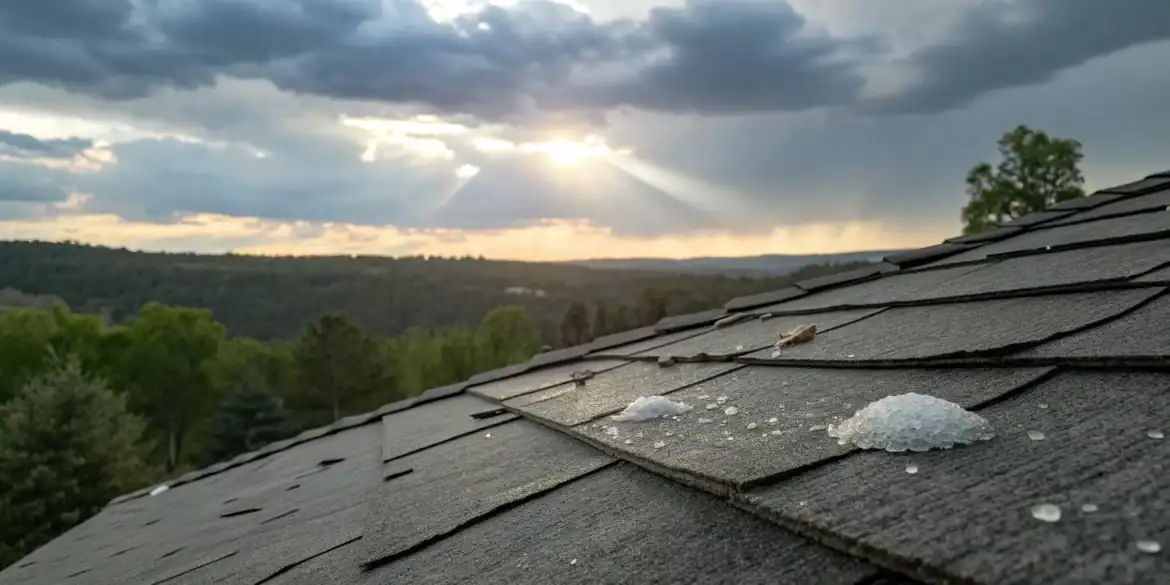
Some types of storm damage are impossible to miss, but hail is different. It’s a subtle force that can weaken your home’s most important line of defense without any dramatic signs. A hailstorm can leave behind hundreds of small bruises and cracks that an untrained eye can easily overlook. Over time, these seemingly minor flaws allow water to seep in, leading to rot, mold, and leaks that can cause thousands in damage. Because this damage is not always obvious, the burden often falls on you, the homeowner, to make a compelling case to your insurer. You need to know how to prove hail damage on your roof in a way that is clear, methodical, and undeniable. This guide will teach you how to spot the hidden signs and document them like a professional.
Key Takeaways
- Inspect Safely and Look for Subtle Clues: Begin your assessment from the ground, checking for dents on gutters and downspouts. Use binoculars to spot less obvious signs like dark patches or “bruises” on shingles, which can indicate underlying damage.
- Document Everything Before You Call: Your camera is your most important tool. Take numerous photos from different angles, use a coin for scale to show the size of hail impacts, and keep a detailed written log of all damage to build a strong, evidence-based claim.
- Understand How Insurers Evaluate Damage: Adjusters look for “functional damage” that compromises your roof’s integrity, not just cosmetic issues. If you face a dispute or an underpaid offer, a public adjuster can provide an independent assessment to help you make your case for a fair settlement.
How to Spot Hail Damage on Your Roof
After a hailstorm passes, it’s easy to feel relieved that it’s over. But the real work often begins with checking for damage, and your roof is the most vulnerable spot. Hail damage can be tricky to identify; it doesn’t always look like obvious holes or missing shingles. Sometimes, the signs are subtle and can be easily missed by an untrained eye, yet they can lead to serious issues like leaks and structural problems down the road. A small, overlooked bruise on a shingle today could become a major leak during the next heavy rain.
Knowing what to look for is the first step in protecting your property. Hail can bruise, crack, and strip away the protective layers of your roofing materials, compromising your home’s first line of defense against the elements. This guide will walk you through the common signs of hail damage, from the more obvious dents in metal to the less apparent bruising on your shingles. By learning to spot these indicators, you can take action quickly and get a better handle on the situation before filing an insurance claim. Remember, safety first—we’ll cover how to inspect your roof safely in the next section, as getting on a roof without the right precautions can be dangerous.
Identifying Granule Loss and Exposed Mat
One of the most common forms of hail damage on asphalt shingles is granule loss. Those tiny, sand-like granules on your shingles aren’t just for color; they are a critical layer of protection against sun and water. When hail hits, it can knock these granules loose, creating bald spots. Look for areas on your shingles that appear black or shiny, where the underlying asphalt mat is now exposed. These spots often have a random pattern and may feel soft or spongy to the touch, almost like a bruised apple. You might also notice an accumulation of these black granules in your gutters or downspouts, which is a tell-tale sign of recent damage. This kind of wear and tear significantly shortens your roof’s lifespan.
Finding Dents on Vents, Gutters, and Flashing
Sometimes the easiest way to confirm hail damage is by looking at the metal components on your roof. Metal is softer than your shingles and shows impacts much more clearly. Take a close look at your roof vents, gutters, downspouts, and any metal flashing around your chimney or skylights. Dents from hailstones on these surfaces are often a dead giveaway that your roof has taken a beating. If you see consistent denting on these “soft metal” pieces, there’s a very high probability that your shingles have sustained damage as well, even if it’s not as immediately visible. These dents serve as strong evidence when you document the damage for your insurance company.
Checking for Cracked or Bruised Shingles
Beyond granule loss, hailstones can physically crack or bruise the shingles themselves. A hail-induced crack will often look like a split in the shingle, sometimes with sharp, clean edges and a brownish or orange tint where the inner material is exposed. These cracks create a direct path for water to seep underneath. Another sign is “bruising,” which is an impact mark that may not have broken the surface but has fractured the fiberglass mat underneath. You can often identify a bruise by gently pressing on a suspicious-looking spot. If it feels soft and gives way easily, the shingle is likely compromised. This kind of damage weakens the shingle’s structural integrity and makes it vulnerable to future leaks and wind damage.
How to Safely Inspect Your Roof After a Storm
After a storm passes, your first instinct is probably to check for damage. That’s a good impulse, but your safety should always come first. A storm-damaged roof can be unstable and slippery, making it a dangerous place for an untrained person. Before you even think about getting out a ladder, there are several safe steps you can take from the ground to assess the situation. This initial inspection can give you a good idea of whether you need to call in a professional and start thinking about an insurance claim.
Start with a Ground-Level Check
Your first and safest step is to walk around the perimeter of your property. Keep your feet firmly on the ground and look for clues the storm left behind. Check the soft metal components of your home, like gutters, downspouts, and siding, for any dents or dings. Hail can also damage things like your mailbox or air conditioning unit. Another key sign to look for is shingle granules—the small, sand-like particles that coat your shingles. You might find them collected in your gutters or scattered on the ground, which indicates your shingles have lost some of their protective layer.
Use Binoculars for a Closer Look
If your ground-level check makes you suspect there’s damage, but you can’t see it clearly, grab a pair of binoculars. This is a great way to get a closer view without taking any risks. From a safe spot on the ground, scan your roof section by section. You’re looking for anything that seems out of place. Hail can create dark spots or dimpled areas on shingles where the impact has knocked off the protective granules. Using binoculars helps you identify potential hail damage with more certainty, giving you better information to decide on your next steps.
Know When to Call a Professional
If you see any signs of damage, or even if you just have a gut feeling something is wrong, it’s time to call in an expert. Climbing onto a roof is dangerous work, especially after a storm when its structural integrity could be compromised. A professional roofer has the training and safety equipment to conduct a thorough inspection. Many reputable roofing companies offer a free inspection and can tell you if the damage is significant enough to warrant an insurance claim. Getting a professional opinion first can save you time and help you build a stronger case when you contact your insurance company.
Prioritize Safety: What You’ll Need
While we strongly advise leaving roof inspections to the professionals, if you feel you absolutely must get a closer look, please prioritize your safety. Never go up on a wet or windy day. Make sure you have the right equipment, including a sturdy, properly-placed ladder and well-fitting, non-slip shoes. It’s also a good idea to have a spotter on the ground who can hold the ladder and call for help if needed. Following proper ladder safety guidelines is critical. Remember, no amount of information is worth a serious injury, so when in doubt, stay on the ground.
How to Document Hail Damage for Your Insurance Claim
After a hailstorm rolls through, your first instinct might be to immediately call your insurance company. Before you pick up the phone, however, taking the time to thoroughly document the damage is one of the most powerful steps you can take. Think of it as building the foundation for your claim. Solid, organized evidence provides clear proof of what your property went through, which can make a significant difference when it’s time to negotiate with your insurer. This preparation helps ensure your story is told accurately and completely, right from the start.
Insurance companies handle thousands of claims, and adjusters often work quickly. Providing them with a clear, detailed, and organized package of evidence makes their job easier and your claim harder to dispute or underpay. It shifts the dynamic from you simply telling them what happened to you showing them. This initial effort can save you a lot of back-and-forth later and sets a professional tone for the entire claims process. By taking control of the narrative with strong documentation, you position yourself for a much smoother and more successful outcome.
Take Clear, Detailed Photos
Your smartphone is your best friend in this situation. Take more photos than you think you’ll need, capturing every angle of the damage. Start with wide shots of your entire roof to show the overall picture, then move in for close-ups of individual shingle bruises, dents in gutters, and damage to flashing or vents. A great tip is to place a coin or a small ruler next to an impact mark to give it scale. This collection of visual evidence will be invaluable when your adjuster reviews the claim.
Use Chalk to Highlight Damage
Hail impacts on metal surfaces like roof vents, flashing, or gutters can be tricky to see, especially in photos. Here’s a simple but effective trick: use a piece of sidewalk chalk. Gently rub the side of the chalk across the metal surface. The chalk will settle into the low spots of the dents, making them stand out clearly. This practical technique helps ensure that even subtle damage is visible and properly accounted for, leaving no room for doubt.
Create a Detailed Damage Log
While photos are powerful, a written log provides crucial context. Start a new note on your phone or grab a notebook and begin creating a detailed record of your findings. Note the date and approximate time of the hailstorm. Then, as you inspect your property, list every single item of damage you find, being as specific as possible about the location (e.g., “dented downspout on the northwest corner,” or “cracked shingles on the south-facing roof slope”). This comprehensive record helps keep your claim organized and ensures no detail gets overlooked.
Measure and Record Each Impact
If you want to present your evidence like a pro, you can document damage the way an adjuster often does. Insurance adjusters frequently use what they call “test squares“—typically a 10×10 foot area—to count the number of hail strikes and determine the severity of the damage. If you can do so safely from the ground or a secure ladder, you can outline a similar area on different parts of your roof and count the impacts within it. Recording the quantity and size of hits provides objective data that is difficult for an insurance company to dispute.
Found Hail Damage? Here’s What to Do Next
Discovering hail damage on your roof can feel overwhelming, but taking the right steps immediately after can make a huge difference in your insurance claim process. It’s about being proactive and methodical. Once you’ve identified potential issues, your focus should shift to protecting your property, notifying the right people, and building a strong case for your claim. This isn’t just about getting a repair; it’s about ensuring your home is restored correctly and that you receive the full compensation you’re entitled to. Let’s walk through exactly what you need to do next.
Take Steps to Prevent Further Damage
Your first priority is to stop the problem from getting worse. Even minor-looking hail damage can compromise your roof’s integrity, potentially leading to serious issues down the line. If left unaddressed, those small impacts can allow water to seep in, causing leaks, wood rot, and even mold growth inside your home. You have a responsibility to mitigate further damage, which insurance companies expect. This could mean placing a tarp over a heavily damaged area or covering a broken skylight. Remember, these are temporary fixes. Document any steps you take with photos and keep receipts for any materials you buy, as these costs may be reimbursable under your policy.
Contact Your Insurance Provider
As soon as you suspect hail damage, it’s time to call your insurance agent or company representative. This initial phone call officially starts the claims process. Have your policy number handy and be ready to provide the date the storm occurred. Describe the damage you’ve seen from the ground and mention any temporary repairs you’ve made. During the call, take detailed notes. Write down your claim number, the name of the person you’re speaking with, and any instructions they give you. This first conversation sets the tone for your entire claim, so being organized and clear from the start is incredibly helpful.
Get a Professional Assessment
Before the insurance company sends their adjuster, consider getting an independent evaluation of the damage. Having a reputable, licensed professional inspect your roof can give you a clearer picture of the situation. They can often spot damage that an untrained eye might miss and provide a detailed report and repair estimate. This expert assessment serves as a valuable baseline when you begin discussions with your insurer. An experienced public adjuster can also provide this comprehensive inspection, working on your behalf to ensure all damage is identified and properly documented from the very beginning, which can strengthen your position during negotiations.
File Your Insurance Claim Correctly
When you formally file your claim, your documentation is your most powerful tool. This is where all the photos, videos, and notes you’ve taken come into play. A well-organized claim submission should include clear evidence of the damage to your shingles, gutters, vents, and any other affected property. Be sure to include the date of the hailstorm and a copy of the report from the professional who assessed the damage. The more thorough and detailed your submission is, the easier it may be for the insurance company to understand the full scope of your loss. A strong, evidence-backed claim can streamline the process and reduce the chances of disputes.
Be Aware of Filing Deadlines
Time is a critical factor when dealing with an insurance claim. Most insurance policies include a provision that requires you to report damage and file a claim within a specific timeframe after the event occurs. These deadlines can vary significantly depending on your policy and state regulations. In Florida, for example, homeowners generally have a limited time to file a claim after a storm. Waiting too long could result in your claim being denied, regardless of the severity of the damage. Review your policy documents to understand your specific obligations, and don’t delay in starting the process. Acting promptly ensures you protect your right to coverage.
How Insurance Adjusters Evaluate Hail Damage
When an insurance adjuster visits your property, they aren’t just taking a quick look around. They follow a specific process to assess the extent of the damage and determine if it warrants a claim payout. Understanding their methods can help you prepare for their visit and know what to expect. It’s all about seeing your roof through their eyes and speaking their language. Knowing what they look for and how they measure damage can make a significant difference in the outcome of your claim. Let’s walk through the key steps and concepts adjusters use when evaluating a hail-damaged roof.
What is the “Test Square” Method?
One of the first things an adjuster will likely do is establish a “test square.” This is a standard method used across the industry to create a sample area for inspection. The adjuster will mark off a 10-by-10-foot section on different slopes of your roof, creating a 100-square-foot space to analyze. Within this square, they meticulously count every single hail impact that meets their criteria for damage. This methodical approach helps them create a consistent and documentable report. By using the same inspection methods as adjusters, you can better anticipate how they will view your roof’s condition and build a stronger case for your claim.
Functional vs. Cosmetic Damage: What’s the Difference?
Not all dings and dents are created equal in the eyes of an insurer. Adjusters are trained to distinguish between “cosmetic” and “functional” damage. Cosmetic damage might be a small scuff or dent that doesn’t impact the roof’s ability to protect your home. Functional damage, on the other hand, is an impact that compromises the shingle’s integrity and shortens its lifespan, affecting how the roof works. This is the type of damage that leads to a paid claim. The tricky part is that the number of functional hits required to approve a roof replacement can vary from one insurance company to another, making the definition a common point of contention.
What an Adjuster Looks For
Adjusters need to see clear, undeniable evidence of hail damage to approve a claim. They often start by looking at the soft metal components on your roof, like vents, flashing, and gutters. Since these materials dent easily, they serve as a great indicator of the storm’s intensity. On the shingles themselves, they’re looking for specific signs of impact. This includes spots where the protective granules have been knocked off, exposing the underlying mat, or bruising that feels soft to the touch, like a bruised apple. Over time, these seemingly small impacts can lead to bigger problems like stress cracks and curling, which is why proper documentation is so important.
Understand Why Claims Are Often Denied
It’s not uncommon for a homeowner and an insurance adjuster to disagree on the severity of hail damage. Many claims are initially denied or underpaid because the adjuster determines the damage is purely cosmetic or doesn’t meet the specific threshold for “functional damage” set by the insurance policy. This is where things can get complicated. If you find yourself in a dispute, your policy likely outlines a process for resolution, such as appraisal or arbitration. Understanding that these disagreements happen is the first step in preparing to advocate for yourself and ensure you receive a fair assessment for the damage your property sustained.
Review Your Policy’s Coverage
Before you even file a claim, one of the most important steps you can take is to pull out your insurance policy and read it carefully. Pay close attention to your coverage for hail damage and, most importantly, find out what your deductible is. Your deductible is the amount you have to pay out of pocket before your insurance coverage kicks in. If the cost of repairs is only slightly more than your deductible, filing a claim might not be your best financial move. Knowing your policy inside and out gives you the power to make an informed decision that’s right for your situation.
How PA Joe Can Help with Your Hail Damage Claim
Navigating a hail damage claim can feel overwhelming, especially when you’re already dealing with the stress of property damage. This is where having a professional advocate on your side can make all the difference. A public adjuster works for you, not the insurance company, to ensure your claim is handled fairly and you receive the settlement you’re entitled to. We manage the entire process, from the initial inspection to the final negotiation, so you can focus on getting your property—and your life—back to normal.
Expert Documentation and Evidence Gathering
One of the most critical parts of any insurance claim is the evidence. Our team knows exactly what insurance companies look for when assessing hail damage. We meticulously document every detail, using the same methods as insurance adjusters to ensure the damage is properly identified and recorded. This includes taking high-resolution photos, writing detailed notes, and compiling a comprehensive report that leaves no room for doubt. We understand that thorough documentation is the foundation of a strong claim. By presenting a professional and undeniable evidence package, we build a much stronger case for your claim from the very beginning, minimizing the chances of disputes over the extent of the damage.
Help with Underpaid or Denied Claims
It’s not uncommon for an insurance company’s initial offer to be less than what you need for proper repairs. Sometimes, claims are even denied altogether based on a technicality or an adjuster’s assessment. If you receive a lowball offer or a denial, don’t lose hope. We specialize in re-evaluating these situations. Our team will review your insurer’s assessment, bring in our own trusted experts if needed, and negotiate directly with the insurance company on your behalf. Our goal is to challenge an insufficient offer and fight for the full compensation required to restore your property to its pre-loss condition.
Our “No Win, No Fee” Promise
We believe you shouldn’t have to take a financial risk to get the expert help you need, especially when you’re already facing unexpected repair costs. That’s why we operate on a “no win, no fee” basis. This means you pay us nothing upfront for our services. We invest our time and resources into your claim, and we only get paid if we successfully secure a settlement for you. This approach allows you to access professional claims assistance without any out-of-pocket expenses. Our fee is a small, agreed-upon percentage of the final settlement, ensuring our goals are perfectly aligned with yours: getting you the best possible outcome. You can learn more about our commitment to clients on our About Us page.
Experience Handling Claims with Florida Insurers
Dealing with insurance claims in Florida comes with its own unique set of challenges. The weather patterns are distinct, and so are the state-specific insurance policies and regulations. Our team has extensive experience working with all major Florida insurance providers. We understand their internal tactics, their complex policy language, and how they operate on a day-to-day basis. This local expertise gives our clients a significant advantage in the claims process. We know precisely how to present your hail damage claim in a way that Florida-based adjusters recognize and respect, which can help streamline the process and lead to a more favorable and timely resolution for you and your family.
Related Articles
- The Essential Hail Damage Insurance Claim Checklist – Public Adjuster
- Can You Claim Hail Damage Twice on Roof? An Expert Guide – Public Adjuster
- How Long to Claim Hail Damage on Roof: A Guide – Public Adjuster
Frequently Asked Questions
What if the hail damage seems minor? Should I still file a claim? This is a common question, and it’s smart to be cautious. Damage that looks small to an untrained eye, like a few missing granules or minor dents, can still compromise your roof’s ability to protect your home. These seemingly small issues can lead to leaks and bigger problems over time. Before deciding whether to file, it’s often a good idea to get a professional opinion to understand the full extent of the damage and the potential long-term costs.
My insurance company says the damage is only “cosmetic.” What can I do? The distinction between “cosmetic” and “functional” damage is a frequent point of disagreement in hail claims. Cosmetic damage is something your insurer believes doesn’t affect your roof’s performance, while functional damage does. If you believe the damage is more than just superficial and could shorten your roof’s lifespan, you have the right to challenge that assessment. This often involves getting a second opinion from an independent expert, like a public adjuster, who can provide a detailed report to support your case.
Can’t my roofer just handle the insurance claim for me? While a roofer is an expert at assessing damage and making repairs, they are not licensed to negotiate insurance claims on your behalf. A public adjuster is a licensed professional who represents you and advocates for your best interests throughout the entire claims process. We handle the documentation, communication, and negotiation with the insurance company to ensure all damage is accounted for and you receive a fair settlement.
Is it too late to get help if my hail damage claim was already denied? A denial doesn’t always have to be the final word. If your claim was denied, you may still have options. We specialize in reviewing denied and underpaid claims to see if there is a basis to reopen the case. We can conduct our own thorough inspection and present new evidence to the insurance company to challenge their initial decision and negotiate for the settlement you deserve.
How much does it cost to hire a public adjuster? We work on a contingency basis, which is our “no win, no fee” promise. This means you don’t pay anything upfront for our services. We invest our own time and resources into managing your claim, and we only receive a fee if we successfully secure a settlement for you. Our payment is a small, pre-agreed percentage of the final claim settlement, so our goal is directly aligned with yours: to get you the best possible outcome.