 Proudly Serving the Entire State of Florida

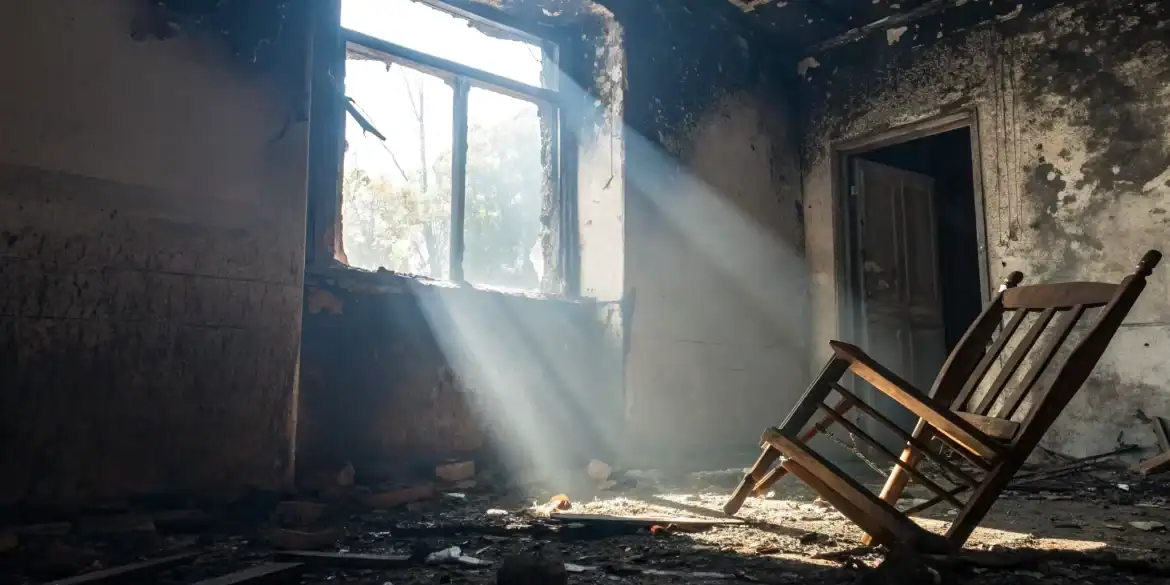
Your insurance policy is essentially a rulebook for a very high-stakes game. You follow the rules by paying your premiums, and in return, the insurance company agrees to cover you if a disaster like a fire occurs. The problem is that this rulebook is hundreds of pages long and written in dense legal language. It’s easy to accidentally break a rule you didn’t even know existed, like missing a reporting deadline or not providing a specific type of documentation. This is where many claims go wrong. We’re here to give you a look at the other team’s playbook by explaining the most common reasons for fire insurance claim denial, so you can navigate the rules and fight for a fair outcome.
Key Takeaways
- Know What Your Policy Covers (and What It Doesn’t): Avoid surprises by familiarizing yourself with your policy’s coverage limits, exclusions, and filing deadlines now. Understanding the fine print is one of the best ways to prepare for a smoother claims process should you ever need it.
- Build Your Case with Meticulous Proof: Your claim is only as strong as the evidence supporting it. Systematically document all damage with photos and videos, create a detailed inventory of lost property, and get independent repair estimates to justify your settlement.
- Recognize That a Denial Isn’t the Final Decision: You have the right to challenge an insurer’s decision. If your claim is denied, carefully review the reason, gather counter-evidence, and consider working with a public adjuster to manage the appeal and advocate for a fair outcome.
Why Was Your Fire Insurance Claim Denied?
Dealing with the aftermath of a fire is incredibly stressful, and receiving a claim denial letter from your insurance company can feel like a devastating blow. It’s easy to feel overwhelmed and unsure of what to do next. But it’s important to remember that a denial is not always the final word. The first step toward challenging the decision is understanding exactly why your claim was rejected. Insurance companies have specific reasons for their decisions, and they are often buried in complex policy language or procedural requirements.
Insurers might point to fine print in your policy, missed deadlines, or insufficient documentation as grounds for denial. Sometimes, the reason is a simple misunderstanding that can be cleared up with more information. In other cases, it could be a more serious issue, like a suspicion of fraud or a dispute over the cause of the fire. By breaking down the most common reasons for denial, you can get a clearer picture of your situation and figure out the best path forward. Knowing the “why” behind the denial empowers you to gather the right evidence and build a stronger case for the compensation you deserve.
Your Policy Didn’t Cover the Full Damage
One of the most common reasons for a claim denial is that the specific type of damage isn’t covered by your policy. Every insurance policy has coverage limits—the maximum amount the insurer will pay for a loss—and a list of exclusions. For example, your policy might cover the structure of your home but have lower limits for personal belongings. If the cost to replace everything exceeds those limits, you won’t receive the full amount. Additionally, some policies may not cover fires caused by specific events, such as wildfires or arson. It’s essential to read your policy carefully to understand what is and isn’t included.
You Waited Too Long to File
After a fire, you’re dealing with a lot, but time is of the essence when it comes to your insurance claim. Every policy includes a section, often called “duties after a loss,” that outlines strict deadlines for reporting the incident and submitting your claim paperwork. If you miss these deadlines, the insurance company can deny your claim on procedural grounds, arguing that the delay hindered their ability to investigate properly. Even if you have a perfectly valid claim, waiting too long to act can unfortunately jeopardize your chances of getting it approved. Always check your policy for specific timelines and notify your insurer as soon as possible.
The Damage Isn’t Covered by Your Policy
Beyond general coverage limits, your policy contains a list of specific exclusions. These are events or circumstances that the insurance company will not pay for. Standard fire policies, for instance, typically exclude damage from intentional acts, such as a fire you set yourself. They may also exclude fires resulting from acts of war or certain natural disasters, which might require separate coverage. Understanding these policy exclusions is key, as an insurer will quickly deny a claim if the cause of the fire falls under one of these listed items. Reviewing this section of your policy helps you know where you stand from the beginning.
You Didn’t Provide Enough Proof of Loss
When you file a claim, the responsibility is on you to prove the extent of your damages. This requires detailed and organized documentation. If you don’t provide enough evidence—such as clear photos and videos of the damage, a comprehensive inventory of lost items, and repair estimates from licensed contractors—your insurer may deny the claim. A “Proof of Loss” form is a formal statement detailing the value of your damaged property, and it needs to be backed by solid proof. Without sufficient records, the insurance company can argue that the claimed losses are unsubstantiated, giving them a reason to reject it.
The Insurer Suspects Fraud
Insurance companies are always on the lookout for fraudulent claims, and a fire can sometimes raise red flags. If there are any circumstances they find suspicious, they will launch an investigation. This could be triggered by things like a fire occurring shortly after you took out a large policy, financial troubles, or conflicting statements about how the fire started. Because insurance doesn’t cover illegal acts, if the company concludes that the fire was intentionally set (arson), your claim will be denied. An accusation of fraud is serious and can make the claims process much more complicated.
Your Premium Payments Lapsed
Your insurance policy is a contract that requires you to pay your premiums on time to keep it active. If you miss payments, your insurer can cancel your policy, causing it to lapse. If a fire occurs while your policy is lapsed, any damage will not be covered, leading to an automatic denial. This is one of the most straightforward reasons for a rejection, but it can be devastating for a homeowner who simply forgot to make a payment. It’s a good idea to set up automatic payments or calendar reminders to ensure your coverage never accidentally expires.
The Damage Was There Before the Fire
Insurance is designed to cover sudden and accidental events, not pre-existing issues or problems caused by a lack of maintenance. During their investigation, the insurance adjuster will look for signs of old, unrepaired damage or neglect. For example, if they determine that faulty wiring you knew about but never fixed was the cause of the fire, they could argue that your negligence contributed to the loss. They may deny the claim on the grounds that the damage resulted from a failure to maintain the property, not a covered event.
The Fire Is Under Suspicion
Even without concrete proof of fraud, an insurance company can deny a claim if the circumstances surrounding the fire are suspicious. The insurer’s investigation will look into the fire’s origin and cause. If the official fire report lists the cause as “undetermined,” or if there are inconsistencies in your account of what happened, the insurer may become suspicious. They might put your claim on hold or deny it pending a more in-depth investigation. This doesn’t necessarily mean they think you committed arson, but it does mean they aren’t convinced the fire was accidental and covered by the policy.
How Policy Exclusions Can Affect Your Claim
When you buy an insurance policy, you’re essentially signing a contract. And like any contract, it has specific terms, conditions, and—most importantly—exclusions. These are the specific situations or types of damage your policy won’t cover. It’s easy to assume that a “fire insurance” policy covers any and all fire-related damage, but the reality is often hidden in the fine print. Insurers include exclusions to manage their risk and define the scope of their coverage.
Understanding these exclusions before you ever need to file a claim is one of the best things you can do to protect your property. A denial often comes down to a single clause that you may not have been aware of. For instance, some policies have different rules for the main dwelling versus other structures on your property, like a shed or a detached garage. Knowing what’s in your policy can help you prepare for a potential claim and avoid common pitfalls that lead to a denial. If you find yourself facing a denial based on an exclusion, a public adjuster can help you review the policy language and determine if the insurer’s interpretation is fair.
What Standard Fire Policies Don’t Cover
It might come as a surprise, but a standard fire policy doesn’t cover every fire. Your policy likely has a list of specific scenarios that are not covered. For example, fires caused by intentional acts, like arson, are almost always excluded. Your policy might also not cover fires resulting from events like war or certain natural disasters, which may require separate coverage. It’s crucial to read through your policy documents to see what’s listed. Understanding these limitations ahead of time helps you know where your coverage stands and what to expect if you ever need to file a claim.
Rules for Vacant or Unoccupied Homes
Insurance companies often have specific rules for properties that are left empty for an extended period. A home is typically considered “unoccupied” if your belongings are still inside but you haven’t been there for a while, usually 30 to 60 days. A “vacant” home is one that is empty of both people and possessions. Insurers view these properties as higher risk for issues like vandalism or undiscovered water damage. Because of this increased risk, many policies have exclusions that could lead to a claim denial if a fire occurs while the property is vacant or has been unoccupied for too long.
Denials Due to Poor Maintenance
As a property owner, you have a responsibility to keep your home or business in reasonably good condition. If an insurance company can prove that a fire was caused or made worse by a lack of maintenance, they may have grounds to deny your claim. This could include issues like faulty or outdated wiring, a poorly maintained HVAC system, or a lack of basic fire safety equipment like smoke detectors. The insurer might argue that the fire was a result of negligence, not an accident. Keeping up with regular maintenance isn’t just good for your property—it’s also key to ensuring your insurance coverage remains valid.
Issues Caused by Faulty Contractor Work
If you’ve recently had work done on your property, and that work leads to a fire, you could find yourself in a complicated situation. If a fire was caused by poor construction or shoddy repairs from a contractor, your insurance company might deny the claim. They may argue that the contractor’s liability insurance should cover the damages, not your homeowner’s policy. This can leave you stuck in the middle of a dispute between two insurance companies. This is why it’s so important to hire licensed, insured, and reputable contractors for any repairs or renovations.
What You Need to File a Successful Fire Claim
After a fire, the path to recovery can feel overwhelming, but gathering the right documentation is a critical first step toward a fair settlement. Think of it as building a case for your claim; the more organized and thorough your evidence, the stronger your position will be when negotiating with your insurance company. Your insurer will require proof of the damage and the value of your losses, and it’s your responsibility to provide it. A well-documented claim leaves less room for dispute and can help streamline the entire process.
Putting together a successful claim involves more than just filling out a form. It requires a systematic collection of evidence, from visual proof of the destruction to official reports and detailed financial records. Each piece of documentation serves a specific purpose, whether it’s proving the extent of the structural damage, verifying the value of your lost belongings, or justifying the costs of repairs. Taking the time to compile this information carefully can make a significant difference in the outcome of your claim. If you feel overwhelmed, remember that a public adjuster can manage this entire process for you, ensuring nothing gets missed.
Take Detailed Photos and Videos
Once it’s safe to enter your property, your first task should be to document everything. Use your smartphone to take extensive photos and videos of all the damage. Capture wide shots of each room to show the overall impact, then move in for close-ups of specific areas and damaged items. Don’t forget to document less obvious damage, like smoke and soot on walls, ceilings, and inside cabinets. This visual evidence is one of the most powerful tools you have, as it provides undeniable proof of your loss that can be difficult for an insurance company to dispute.
Get Repair Estimates from Licensed Contractors
Your insurance company will send its own adjuster to assess the damage, but their estimate may not reflect the true cost of rebuilding. To protect yourself, you should get detailed repair estimates from at least two or three independent, licensed contractors in your area. These quotes should be itemized, breaking down the costs of labor and materials for every aspect of the repair job. This documentation provides a realistic benchmark for what it will cost to restore your property and serves as crucial leverage during negotiations for a fair settlement.
Obtain the Official Fire Department Report
The official report from the fire department is a key piece of evidence for your claim. This document provides a credible, third-party account of the incident, including the date, time, and location of the fire. It may also contain the responding firefighters’ initial observations about the cause and origin of the blaze. You can typically request a copy of this report from the local fire department that responded to the call. Having this official record helps validate your claim and can be essential if the cause of the fire is under investigation.
Create an Inventory of Damaged Property
One of the most time-consuming but necessary steps is creating a detailed inventory of every personal item that was damaged or destroyed. Go room by room and list everything you can remember, from large furniture and electronics to clothing, kitchenware, and decor. For each item, include a description, its approximate age, where you bought it, and what it would cost to replace it today. This “proof of loss” list is fundamental for your personal property claim. Using a home inventory app can help organize this process and ensure you don’t forget anything important.
Gather All Your Receipts and Financial Records
Your financial records are vital for proving the value of your lost items and any extra expenses you’ve incurred because of the fire. Dig up any receipts, credit card statements, or bank records that show the original purchase price of damaged belongings. It’s also important to keep meticulous records of all your post-fire expenses. This includes costs for temporary housing, meals, clothing, and any other essentials you had to buy because you were displaced from your home. These costs may be covered under your policy’s Additional Living Expenses (ALE) provision.
Common Mistakes That Jeopardize Fire Claims
After a fire, your mind is racing. Between ensuring your family is safe and figuring out your next steps, insurance paperwork is the last thing you want to think about. However, the actions you take in the days following a fire can significantly impact your claim’s outcome. A few common missteps, often made with the best intentions during a stressful time, can unfortunately give your insurance company a reason to delay, underpay, or even deny your claim. Understanding these potential pitfalls ahead of time can help you protect your interests and work toward a fair settlement. By being aware of these common errors, you can approach the claims process with more confidence and clarity.
Missing Important Filing Deadlines
Your insurance policy is a contract, and it includes specific timelines you need to follow. Most policies require you to notify the insurance company “promptly” after a loss and submit a formal “proof of loss” claim within a set period, which can be as little as 60 days. If you miss these deadlines, the insurer could deny your claim on a technicality, regardless of its merit. It’s crucial to contact your insurance agent as soon as possible after the fire to report the damage and ask about the specific deadlines you need to meet. Keep a record of who you spoke to and when to protect yourself.
Giving Incomplete or Inaccurate Information
When you’re trying to recall every item you owned from memory, it’s easy to make a mistake. However, providing information that your insurer later finds to be inaccurate can cause major problems. This applies to both your initial insurance application and the details you provide for your claim. An insurer might view significant discrepancies as misrepresentation or even insurance fraud, which is a clear reason for denial. Take your time creating your inventory list, be as accurate as possible, and if you’re unsure about something, it’s better to say so than to guess. Honesty and thoroughness are your best allies here.
Not Following Required Safety Measures
Insurance companies expect property owners to take reasonable steps to maintain a safe environment. During their investigation, they will look for evidence of negligence. For example, if the fire was caused by faulty wiring you knew about but didn’t fix, or if your smoke detectors weren’t working, the insurer might argue that your lack of maintenance contributed to the loss. This doesn’t mean you have to be perfect, but it does mean that failing to address known hazards or comply with local safety codes could put your claim at risk. Regular maintenance and functioning safety equipment are key to a secure home and a smoother claims process.
Failing to Secure the Property After the Fire
Your responsibilities don’t end once the fire is out. Your policy requires you to “mitigate damages,” which means you must take reasonable steps to prevent the property from suffering further harm. This could involve boarding up broken windows, placing a tarp over a damaged roof to prevent water damage from rain, or shutting off utilities to prevent further issues. Failing to secure your property could lead to your insurer refusing to pay for any subsequent damage that they feel could have been prevented. Document every step you take to protect your home, including taking photos and keeping receipts for any materials you buy.
Inflating the Value of Your Losses
It can be tempting to overstate the value of your lost items to try and get a larger settlement, but this is one of the most serious mistakes you can make. Intentionally inflating your losses is considered fraud. Insurers have teams of investigators and adjusters who are trained to spot inconsistencies and exaggerated claims. If they catch you, your entire claim will likely be denied, your policy could be canceled, and you could even face legal charges. It’s far better to be meticulous and honest. A detailed, truthful inventory of your damaged property, supported by photos and receipts, is the strongest foundation for a successful claim.
How to Document Fire Damage Effectively
After a fire, the last thing you probably want to do is paperwork. But creating a thorough record of the damage is one of the most important steps you can take to support your insurance claim. Solid documentation is your proof. It shows the insurance company exactly what was lost and what it will take to make things right again. Without it, you risk having your claim undervalued or even denied. Think of yourself as a detective building a case—the more clear and organized your evidence, the stronger your position will be.
Putting together this information can feel overwhelming, but you don’t have to do it all at once. Breaking it down into manageable steps can make the process much easier. We’ll walk through four key actions you can take to document the damage to your property effectively. From taking clear photos to creating a detailed inventory of your belongings, each step helps build a comprehensive picture of your losses for the insurance company. This careful work now can make a significant difference in the fairness and timeliness of your settlement.
Capture Clear Visual Evidence
Your smartphone is one of the most powerful tools you have right now. Before anything is moved or cleaned up, walk through your property and take extensive photos and videos of all the damage. Don’t just focus on the most heavily burned areas. Capture everything, including smoke, soot, and water damage from firefighting efforts. Get wide shots of each room to show the overall scope, then move in for close-ups of specific damaged items. The more visual proof you have, the better. This creates a clear and undeniable record of your property’s condition immediately after the fire, which is essential for a successful insurance claim.
Work with a Professional Damage Assessor
The adjuster sent by your insurance company works for them, not for you. Their goal is to assess the damage from their company’s perspective. You may want to consider working with a professional who has your best interests at heart. An independent public adjuster can conduct a detailed inspection, uncover hidden damage, and provide an accurate estimate of what it will cost to rebuild and replace everything. With construction costs always changing, having an expert who understands the local market can be invaluable. The team at PA Joe has experience managing these assessments to ensure every detail is accounted for, helping you build a much stronger case for a fair settlement.
Keep a Detailed List of Everything Lost
Alongside your photos and videos, you’ll need to create a detailed inventory of all damaged personal property. Go room by room and list every single item that was affected, from furniture and electronics to clothing and kitchenware. For each item, try to include a description, its age, where you bought it, and what you originally paid. If you can find receipts or credit card statements, even better. This list, often called a “proof of loss,” is a critical part of your claim. It can be a long process, but being thorough here helps ensure you are properly compensated for everything you’ve lost.
Preserve Damaged Items as Proof
It might be tempting to start cleaning up and throwing away ruined items, but it’s important to wait. Don’t dispose of any damaged belongings until your insurance adjuster has had a chance to inspect them. These items serve as physical evidence of your losses. While you should take steps to secure your property from further damage—like boarding up windows or covering a damaged roof—leave the fire-damaged contents as they are. Preserving the scene allows the adjuster to see the full extent of the destruction for themselves, which helps validate the claims you made in your inventory list and visual documentation.
Your Fire Claim Was Denied. What’s Next?
Receiving a denial letter for your fire claim can feel like a final blow, especially when you’re already dealing with the aftermath of a fire. But it’s important to know that a denial is not always the end of the road. You have options and the right to challenge the insurance company’s decision. Taking a deep breath and creating a clear plan of action is the best way to move forward. By approaching the situation methodically, you can build a stronger case and work toward the settlement you deserve. Let’s walk through the steps you can take right now.
Review Your Denial Letter Carefully
The first thing you need to do is sit down with your denial letter and read it from start to finish—no skimming. This document is your roadmap for what to do next. The insurance company is required to provide the specific reasons for their decision, and they will often cite exact language from your policy. Understanding these details is crucial because it tells you precisely which points you need to argue against. Is it an issue with your coverage, a lack of proof, or something else? Pinpointing the exact grounds for the denial will help you form a targeted and effective response.
Gather More Evidence to Support Your Claim
Once you understand why your claim was denied, your next job is to gather evidence that directly counters the insurer’s reasoning. Collecting additional documentation can significantly strengthen your case for an appeal. Go back to the property and take more photos and videos, capturing the damage from every possible angle. Get detailed repair estimates from at least two licensed and reputable contractors. Did the insurer claim certain items weren’t damaged? Find original receipts or credit card statements to prove their value. The more detailed and organized your evidence is, the harder it will be for the insurance company to stand by its initial decision.
File a Formal Appeal with Your Insurer
You have the right to formally appeal the denial. This isn’t just a phone call; it’s a formal process that involves submitting a written appeal to your insurance company. In your letter, you should clearly and calmly state why you believe their decision was incorrect. Reference the specific points from their denial letter and present the new evidence you’ve collected to refute them. Be professional and stick to the facts. It’s a good idea to send your appeal via certified mail so you have proof that they received it. This creates a paper trail and shows the insurer you are serious about pursuing your claim.
Consider Getting Help from a Public Adjuster
If the process feels overwhelming or you’re not confident in handling the appeal on your own, it may be time to bring in a professional. A public adjuster is an insurance expert who works for you, not the insurance company. Engaging a public adjuster can be incredibly helpful, as they manage the entire claims process and know how to present your case effectively. At PA Joe, we specialize in re-opening denied claims and fighting for a fair settlement. With our “no win, no fee” policy, you don’t pay us unless we successfully settle your claim, giving you expert support without the upfront financial risk.
How to Prevent a Fire Claim Denial
Dealing with the aftermath of a fire is incredibly stressful, and the last thing you need is for your insurance claim to be denied. While you can’t control every aspect of the claims process, you can take proactive steps to build a strong case from the very beginning. A little preparation can make a significant difference, helping you present a clear, well-documented claim that is much harder for an insurer to dispute.
Think of it as setting yourself up for success. By understanding your policy, acting quickly, documenting everything, and keeping your coverage current, you create a solid foundation for your claim. These actions show the insurance company that you are organized, serious, and prepared. It helps streamline the process and reduces the chances of hitting frustrating roadblocks or receiving a denial letter. Taking these measures doesn’t just help after a fire; it gives you confidence knowing you’re well-prepared for the unexpected. It’s about shifting from a reactive position to a proactive one, which can be empowering during a challenging time. Let’s walk through the key steps you can take to protect your investment and your peace of mind.
Know Your Policy’s Limits and Exclusions
The best time to understand your insurance policy is long before you ever need to file a claim. Your policy is a contract, and it outlines exactly what is and isn’t covered. Fire damage is typically included in standard homeowners insurance, but there are always specific limits and exclusions. Take some time to read through your documents, paying close attention to the fine print. Look for coverage caps on certain items, like jewelry or electronics, and understand what situations might not be covered at all, such as damage in a home that has been vacant for too long. Knowing these details helps you manage expectations and identify any potential gaps in your coverage before a disaster strikes.
Follow the Proper Steps for Reporting a Claim
When it comes to filing a claim, time is of the essence. Insurance policies have strict deadlines for reporting damage, and if you wait too long, your insurer could have grounds to deny your claim. As soon as it is safe to do so after a fire, your first call should be to your insurance company to notify them of the loss. This officially starts the claims process. Be sure to write down your claim number and the name of the adjuster assigned to your case. Acting quickly not only meets your policy’s requirements but also allows the investigation and damage assessment to begin without unnecessary delays.
Keep Detailed Records of Your Property
One of the most powerful tools you have in the claims process is a detailed home inventory. It’s difficult to remember everything you own after a traumatic event, so creating a record beforehand is a game-changer. Walk through your home and take photos or videos of each room, making sure to capture valuable items. Keep receipts for major purchases, like appliances and furniture, and get appraisals for high-value possessions. This documentation serves as crucial evidence of your personal property. Without enough proof of what you lost, an insurer may question the value of your claim, so having these records ready will strengthen your position significantly.
Review and Update Your Policy Regularly
Your life isn’t static, and your insurance policy shouldn’t be either. Major life events, home renovations, or significant purchases can change the value of your property and your coverage needs. It’s a good practice to review your insurance policy at least once a year or after any major changes. A quick conversation with your insurance agent can confirm that your coverage limits are still adequate for your home’s current value. This simple check-in helps ensure you aren’t underinsured and that your policy accurately reflects the property you need to protect.
Is Your Insurer Acting in Bad Faith?
After a fire, you trust your insurance company to be there for you. You’ve paid your premiums, and now you need them to hold up their end of the deal. Your policy is a contract, and both sides have obligations. While many claims are handled properly, sometimes an insurer might not handle your claim fairly or honestly. This is often referred to as “acting in bad faith.” It can be tough to tell if your insurer is just being thorough or if they’re intentionally creating roadblocks that prevent you from getting the settlement you need to recover. The line between a difficult claims process and a bad faith action isn’t always clear, but there are specific behaviors that should raise concerns. Knowing these warning signs can help you understand when it might be time to get a second opinion on your claim. If any of the following situations feel familiar, it could be a red flag that your insurance company isn’t treating you with the fairness you deserve.
Unreasonable Delays in the Investigation
A proper fire claim investigation takes time, but there’s a difference between being diligent and dragging things out for no good reason. If your insurer is taking an exceptionally long time to process your claim, it could be a strategy. Some legal professionals suggest that insurance companies might delay the process, hoping you’ll become frustrated and accept a lower settlement than you deserve. If weeks turn into months with no clear updates or progress, and your adjuster can’t give you a reasonable timeline or explanation for the hold-up, it’s fair to question their motives. You have a right to a timely investigation and resolution.
A Rushed or Inadequate Damage Assessment
On the flip side of a long delay is an inspection that feels rushed and incomplete. Did the insurance adjuster spend only a few minutes at your property? Did they fail to inspect the attic, roof, or other hard-to-reach areas where fire, smoke, or water damage could be hiding? A quick or superficial investigation can easily lead to a wrongful denial or a lowball offer because it doesn’t capture the true extent of your losses. A thorough damage assessment is the foundation of a fair claim, and a rushed one may be a sign that the insurer isn’t taking your claim seriously.
A Lowball Offer with No Real Justification
Receiving a settlement offer can feel like a relief, but don’t rush to accept it—especially if it seems surprisingly low. Insurers are aware that you need funds to start rebuilding your life, and they might present a low offer hoping you’ll take it without asking questions. A key sign of a bad faith offer is a lack of clear justification. Your insurer should be able to provide a detailed breakdown explaining how they arrived at their settlement amount. If they can’t or won’t explain their math, or if the offer doesn’t come close to covering your documented losses and repair estimates, it may be a lowball tactic.
Poor Communication and a Lack of Answers
Dealing with a fire is stressful enough without being ignored by the one company that’s supposed to help. If your adjuster is dodging your calls, not responding to emails, or giving you vague, unhelpful answers to direct questions, it’s a major problem. Clear and consistent communication is a basic part of the service you pay for with your premiums. When an insurer fails to communicate, it can be a sign of a bad faith denial. You deserve to be kept in the loop about the status of your claim and to have your questions answered honestly and promptly.
When Should You Hire a Public Adjuster?
After a fire, you’re facing a mountain of tasks, and managing an insurance claim is a big one. While you can certainly handle the claim on your own, there are times when bringing in a professional is the best move you can make. A public adjuster works for you, not the insurance company, to manage your claim and negotiate a fair settlement. If you’re feeling overwhelmed, confused by your policy, or worried you won’t get what you’re owed, it might be time to call for backup.
Your Claim is Complex or Disputed
If your fire claim is anything but straightforward, a public adjuster can be an invaluable ally. Claims can get complicated fast. Perhaps the fire also led to significant water damage from firefighting efforts, or maybe your insurance company is questioning the cause of the fire. Insurance policies are dense legal documents, and insurers can deny claims for many reasons, from policy exclusions to missing details in your paperwork. When a claim is complex or already disputed, a public adjuster can step in to manage the challenges and advocate on your behalf. They speak the insurance company’s language and know how to present your case in the strongest possible light.
You Want to Ensure You Get a Fair Settlement
One of the biggest worries for any homeowner after a disaster is getting a fair settlement. The adjuster sent by your insurance company works to protect their employer’s bottom line. A public adjuster, on the other hand, works for you with the sole purpose of making sure you receive the full compensation you’re entitled to. They are experts at finding and documenting all covered damages—even the hidden ones you might miss. They can help challenge low offers or denials by providing the detailed evidence needed to support your claim, taking the stress of negotiation off your shoulders so you can focus on recovery.
How PA Joe Fights for Homeowners Like You
Public adjusters like the team at PA Joe are your dedicated advocates. We start by conducting a deep dive into your insurance policy to understand every detail of your coverage. From there, we meticulously document all your property damage and prepare a comprehensive claim that leaves no stone unturned. Our team handles all the communication and negotiation with the insurance company, fighting to secure the maximum compensation possible for your recovery. We believe you shouldn’t have to face this battle alone, which is why we offer our expertise to guide you through the process. You can learn more about our commitment to homeowners and how we can help you rebuild.
Related Articles
- Denied Fire Damage Claim? Here’s What You Can Do – Public Adjuster
- The House Fire Insurance Claim Process Explained – Public Adjuster
Frequently Asked Questions
Is a claim denial really the final word, or can I challenge it? A denial letter is rarely the end of the story. Think of it as the insurance company’s opening position in a negotiation. You have the right to appeal their decision. The first step is to carefully read the denial letter to understand their specific reasons. From there, you can gather your own evidence, such as independent repair estimates and more detailed documentation, to build a case that counters their points and supports the true value of your claim.
I don’t have receipts for everything that was destroyed. Will that automatically get my claim denied? Not having every single receipt is a common situation, so don’t panic. While receipts are helpful, they aren’t the only way to prove what you owned. You can recreate your inventory using photos from your phone, videos of your home before the fire, and even credit card or bank statements that show major purchases. The goal is to create as detailed and accurate a list as possible to substantiate your losses.
My insurance company’s settlement offer seems way too low. What should I do? You are not obligated to accept the first offer, especially if it doesn’t feel right. A low offer is often just a starting point. A good next step is to get your own detailed, itemized repair estimates from trusted local contractors. This gives you a realistic benchmark for rebuilding costs that you can present to the insurance company as a basis for negotiating a fairer settlement.
How is a public adjuster different from the adjuster my insurance company sent? This is a great question because the distinction is critical. The adjuster sent by your insurance company is an employee who works to protect their company’s financial interests. A public adjuster, on the other hand, is an independent professional you hire to work exclusively for you. Their job is to advocate on your behalf, manage your claim, and negotiate with the insurance company to secure the best possible settlement for you.
I’m worried about the cost of hiring help. How does a public adjuster get paid? Most public adjusters, including our team at PA Joe, work on a contingency fee basis. This means you don’t pay anything upfront. The adjuster’s fee is a pre-agreed-upon percentage of the final settlement they secure for you. If you don’t get paid by the insurance company, the public adjuster doesn’t get paid either, which ensures your goals are perfectly aligned.