 Proudly Serving the Entire State of Florida

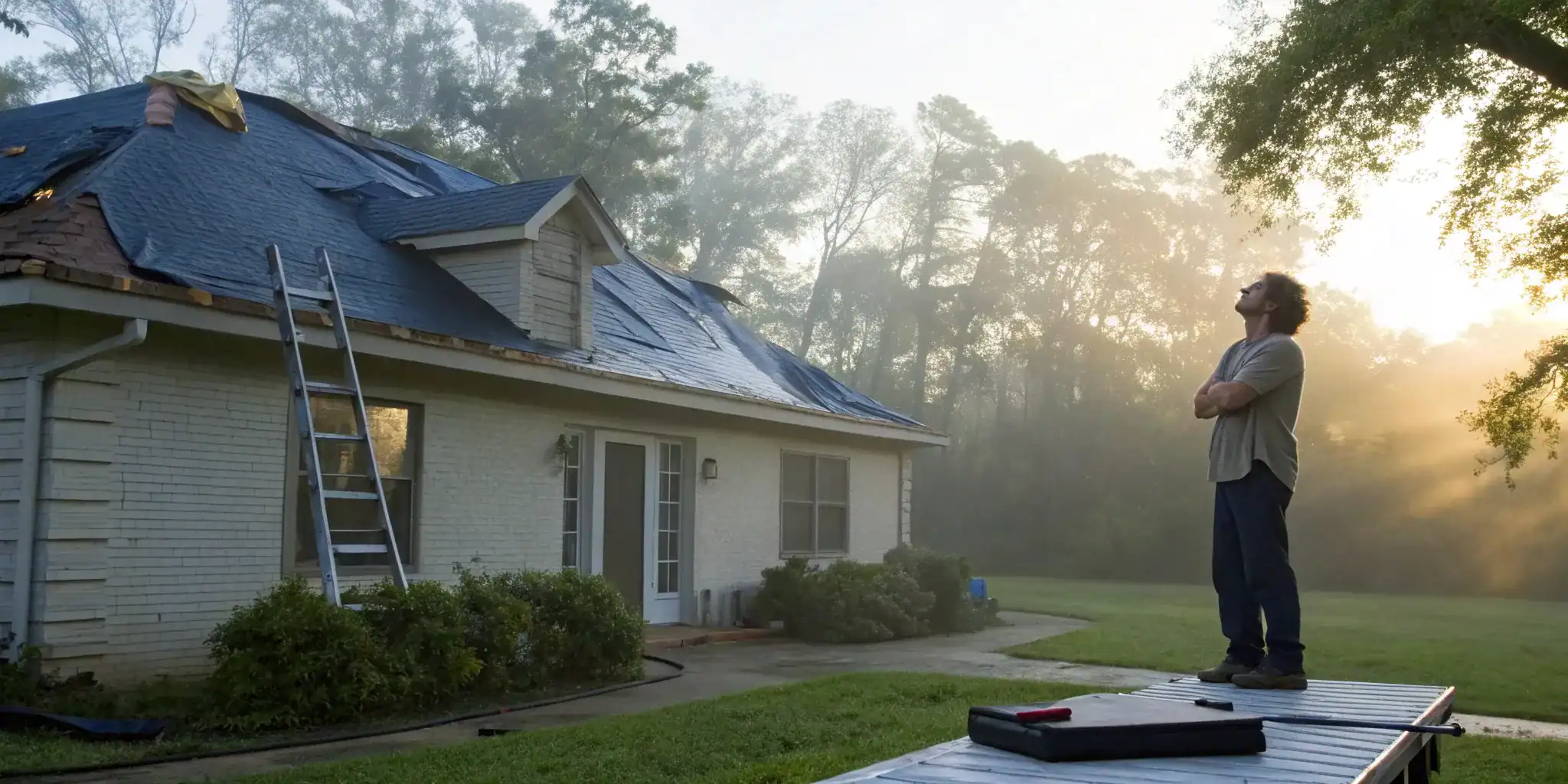
You’ve settled your insurance claim and started the repairs, ready to put the property damage behind you. Then, your contractor pulls back a section of drywall and finds extensive water damage the first adjuster completely missed. It’s a frustrating discovery that can leave you wondering if you’re now responsible for these new, unexpected costs. Fortunately, you may have options. This guide is designed for homeowners in exactly this situation. We will walk you through how to reopen a homeowners insurance claim when you find new evidence. We’ll cover the critical first steps for documenting the new damage, gathering professional assessments, and presenting a compelling case to your insurer for the additional funds you need.
Key Takeaways
- Reopening a claim is an option: If you discover new damage or information after your claim is closed, you may have the right to reopen it. Acting quickly is key, as state laws and policy terms set firm deadlines.
- Build your case with fresh proof: Your success depends on presenting new, compelling evidence. Organize everything meticulously, including new photos, detailed contractor estimates, and expert reports, to clearly justify your request for more funds.
- Consider professional support for better results: If the process feels complex or your insurer is uncooperative, a public adjuster can be a powerful ally. They manage the entire process, from documenting damage to negotiating on your behalf, often leading to a more favorable settlement.
When Can You Reopen an Insurance Claim?
When your insurance company closes your claim, it can feel like the final word. You might feel pressured to accept the settlement and just move on, even if it doesn’t fully cover your losses. But what if you discover more damage later? The good news is that a closed claim isn’t always the end of the story. In many situations, you have the right to reopen your claim and fight for the compensation you truly deserve. Understanding when and why you can do this is the first step. It often comes down to having a valid reason, acting within a certain timeframe, and recognizing the signs that your initial settlement wasn’t enough.
Good Reasons to Reopen a Claim
Finding new damage after your claim is settled is one of the most common reasons to reopen it. For instance, a contractor might start repairing a wall and uncover extensive mold that wasn’t visible during the initial inspection. Other valid reasons include finding significant errors in the original claim paperwork or realizing you were pressured into accepting a lowball offer. You may also have grounds to reopen a claim if the initial repairs caused additional problems or if you discover another party was responsible for the damage. These aren’t just minor complaints; they are legitimate issues that could mean you are owed more.
Know the Deadlines and Policy Rules
Time is a critical factor when you’re considering reopening a claim. While there’s often a general window of about a year, this isn’t a universal rule. The exact deadline depends on your state’s laws and the specific terms written into your insurance policy. The longer you wait, the more difficult it can be to connect new issues directly to the original event. That’s why it’s so important to pull out your policy documents and read the fine print. If the language is confusing, having an expert review it can make all the difference. An experienced public adjuster can help you understand your rights and the timelines you need to meet.
Signs It’s Time to Reopen Your Claim
So, how do you know it’s time to take action? A major sign is discovering damage that wasn’t included in your original settlement, like finding hidden water damage after repairs have already started. Another clear indicator is if you find new information or proof that strengthens your case but wasn’t available when you first filed. Maybe the repair estimates you’re getting are significantly higher than what your insurer paid out. If you present this new information to your insurance company and they refuse to cooperate or seem dismissive, that’s your cue. It may be time to get professional help to ensure your voice is heard and your claim is re-evaluated fairly.
Gather the Right Paperwork for Your Case
When you decide to reopen a homeowners insurance claim, your success often hinges on the quality of your documentation. Think of it as building a strong, clear case that leaves no room for doubt. Your insurance company made its initial decision based on one set of information; your goal now is to present new, compelling evidence that justifies a second look. Having every piece of paper organized and ready can make the process smoother and show your insurer that you are serious and prepared. Let’s walk through exactly what you need to pull together.
Key Documents and Records to Collect
First, you’ll want to create a master file for your claim. Start by gathering every document related to the original claim. This includes your full insurance policy, the initial claim report, all photos and videos you submitted, and any correspondence you had with the insurer, including emails and letters. Most importantly, find the settlement or denial letter they sent you. This document outlines their reasoning and is what you’ll be directly challenging. Also, collect any receipts for temporary repairs or expenses you’ve paid out-of-pocket. The more thorough your file is, the easier it will be to spot gaps in the original assessment.
How to Find New Evidence
The core of a reopened claim is new evidence. This isn’t just about finding something that was missed; it’s about discovering significant information that wasn’t available during the initial adjustment. For example, a contractor might uncover hidden structural damage or extensive mold growth behind a wall during repairs for a water damage claim. Or, damage that seemed minor at first may have worsened over time, causing new problems. As soon as you suspect new damage, document it immediately. Take clear photos and videos from multiple angles, and write down the date and a description of what you found. This fresh evidence is your most powerful tool.
Get Professional Assessments and Reports
An opinion from a neutral, qualified expert can be incredibly persuasive. The insurance company had its own adjuster assess the damage, so bringing in your own professional provides a critical counter-narrative. Depending on your claim, this could be a licensed contractor, a structural engineer, a roofer, or a plumber. Ask them for a formal, written report that details their findings, the scope of necessary repairs, and a breakdown of the costs. This independent assessment can highlight what the insurance company’s adjuster may have overlooked or undervalued. A public adjuster specializes in this kind of evaluation and can manage the entire process for you.
Secure Updated Repair Estimates
The repair estimate your insurer provided might now be insufficient. Material costs can change, and the discovery of new damage means the original scope of work is no longer accurate. It’s a good idea to get at least two or three new, detailed estimates from reputable and licensed local contractors. Make sure these estimates are itemized, meaning they list the costs for materials and labor separately. This provides a clear, current market value for the repairs you need. Remember, cashing the initial check from the insurance company doesn’t legally mean you agree that the amount is enough to cover all the damages. These new estimates will support your request for additional funds.
How to Reopen Your Claim, Step-by-Step
Once you’ve gathered your new evidence and confirmed you’re within the legal time frame, it’s time to officially request that your insurance company re-evaluate your claim. This process requires clear communication and organized documentation. Approaching it with a step-by-step plan can help you stay focused and present your case in the strongest way possible. Think of it as building a logical argument, where each piece of evidence and every conversation adds another layer of support for your position. Staying organized and persistent is key, as you’ll be guiding the insurance company through the new information you’ve uncovered.
Write a Clear Request Letter
Your first formal step is to write a letter to your insurance company. This isn’t the time for a casual email; a formal letter sent via certified mail creates a paper trail and shows you’re serious. In the letter, clearly state your name, policy number, and the original claim number. Explain that you are requesting to reopen the claim and briefly outline your reasons why. For example, you might mention the discovery of new damage or that you have received a contractor’s report that contradicts the initial assessment. Keep it concise and professional. The goal of this letter is to officially get the ball rolling and have a documented record of your request.
Present Your Evidence Effectively
With your request submitted, the next step is to present the new evidence you’ve collected. Don’t just send a pile of papers; organize everything logically. Create a package that includes your request letter and all supporting documents. This could include new, dated photos of the damage, detailed repair estimates from licensed contractors, reports from specialists (like mold inspectors or structural engineers), and any receipts for temporary repairs. Label everything clearly so the adjuster can easily understand what they are looking at. A well-organized submission makes it easier for the adjuster to see the validity of your request and can speed up the review process.
Communicate with the Insurance Adjuster
After you’ve sent your documentation, you’ll need to communicate with the insurance adjuster assigned to your reopened claim. When you speak with them, aim to be polite but firm. Stick to the facts and refer back to the evidence you provided. It’s helpful to keep a communication log where you note the date, time, and a summary of every conversation, as well as the name of the person you spoke with. This record can be invaluable if there are any disagreements or confusion later on. Having everything in writing, such as through follow-up emails confirming your phone calls, also helps ensure everyone is on the same page.
Follow Up Consistently
Insurance companies handle a high volume of claims, so persistence is important. Don’t be afraid to follow up if you haven’t heard back within a reasonable timeframe. A polite phone call or email every week or two can keep your claim on the adjuster’s radar. However, if you feel your claim is being ignored or you’re not getting fair treatment, it may be time to seek professional help. An experienced public adjuster can take over communications and negotiations on your behalf, using their expertise to advocate for the settlement you deserve. They understand the process and can often get results when homeowners hit a roadblock.
Common Mistakes to Avoid
Reopening an insurance claim gives you another opportunity to get the settlement you deserve, but the process requires careful attention to detail. A few common missteps can unfortunately complicate your efforts or even lead to a second denial. Understanding these potential pitfalls ahead of time can help you build a much stronger case and handle the process with more confidence. From disorganized paperwork to missed deadlines, these errors are often avoidable with a bit of preparation. By being mindful of how you document damage, communicate with your insurer, and present your new evidence, you can sidestep the issues that frequently trip up property owners. Think of this as your roadmap for what not to do, ensuring your reopened claim gets the serious consideration it warrants.
Avoid Documentation Errors
When you decide to reopen a claim, your original claim agreement and all associated paperwork become critical pieces of your foundation. Before you move forward, take the time to review every document for accuracy. If the initial settlement contained significant errors, such as failing to list damaged items or underestimating the scope of repairs, these discrepancies can complicate your case. An insurer might question why these issues weren’t addressed sooner. Make sure the information you signed off on was correct, and be prepared to explain any inaccuracies with new, supporting evidence. A clear understanding of your original file is the first step to correcting it.
Prevent Communication Missteps
During a claims process, what you say is just as important as what you can prove. Misunderstandings can easily arise from phone conversations that aren’t documented. To prevent this, it’s a good practice to communicate in writing whenever possible. Using email for your correspondence with the insurance adjuster creates a clear, time-stamped record of all discussions, requests, and agreements. If a phone call is necessary, follow it up with a brief email summarizing the key points of the conversation. This simple habit ensures everyone is on the same page and provides you with a paper trail you can reference later if needed.
Don’t Miss Important Deadlines
Time is a critical factor when reopening an insurance claim. Most policies and state laws impose a time limit, which is often around one year from the date of the original loss. Waiting too long can be a significant barrier. The more time that passes, the more difficult it becomes to definitively link new or hidden damage back to the original incident. An insurer could argue that the new issue resulted from a separate event or lack of maintenance. Acting promptly as soon as you discover additional damage is crucial for a successful outcome.
Address Gaps in Your Evidence
Before you even think about contacting your insurance company, make sure you have all your new evidence organized and ready to go. Walking into the conversation unprepared can weaken your position. Instead, take the time to gather everything that supports your case for reopening the claim. This could include detailed photos of the newly discovered damage, updated estimates from contractors, receipts for temporary repairs, and reports from specialists like mold inspectors or structural engineers. Presenting a complete and compelling file from the very beginning shows the insurer that your request is serious, valid, and well-documented.
Know Your Rights and Options
When your insurance company closes your claim, it can feel like the final word. But it’s important to remember that you have rights as a policyholder. Understanding these rights and the options available to you is the first step toward challenging an unfair decision. Insurers are regulated, and there are established processes for disputes. You don’t have to simply accept a low settlement or an outright denial, especially when you have new evidence that strengthens your case. Exploring your options can help you build a strategy to get the fair settlement you deserve for your property damage. Before you move forward, take a moment to learn about the rules that protect you, the details of your own policy, and the formal steps you can take to appeal a decision. Knowing what you’re entitled to can make all the difference and gives you the confidence to pursue the compensation you need to make repairs and move on.
Check Your State’s Insurance Laws
Every state has its own set of rules that govern insurance companies, and Florida is no exception. These laws often include provisions that allow you to reopen a claim, even after it’s been settled, particularly if the initial payment was not enough to cover your damages. It’s worth looking into your state’s specific insurance regulations to understand the timelines and conditions for reopening a claim. Knowing these rules gives you a solid foundation for your request and shows the insurance company that you’ve done your homework. This knowledge can be a powerful tool in your negotiations.
Review Your Policy’s Fine Print
Your homeowners insurance policy is a contract, and its language is very specific. Take the time to read through it again, paying close attention to the clauses related to your type of damage. Sometimes, an insurance company may misinterpret or overlook a specific part of your coverage. It can be helpful to have a professional review the policy with you. An expert can spot details you might miss and identify areas where the insurer’s decision contradicts the policy terms. Understanding the fine print is crucial for building a strong argument for reopening your claim.
Follow the Appeals Process
If your initial request to reopen the claim is met with resistance, your insurance company should have a formal appeals process you can follow. This usually involves submitting a written appeal with your new evidence for review by a different department or a manager. If that doesn’t work, you have another option: filing a complaint with your state’s insurance commissioner. In Florida, the Department of Financial Services oversees insurance companies and can investigate your complaint. This formal step can prompt the insurer to take a more serious look at your case.
When to Get Professional Help
If you feel like you’re hitting a wall or suspect your insurance company is acting in bad faith, it may be time to bring in a professional. A public adjuster works for you, not the insurance company, and can manage the entire process on your behalf. People who work with a public adjuster often secure a much higher settlement than they could on their own. If your insurer is refusing to cooperate or you’re feeling overwhelmed by the process, don’t hesitate to get an expert opinion. An adjuster can assess your situation and handle the difficult negotiations for you.
How a Public Adjuster Can Help
If you’re feeling overwhelmed by the thought of reopening a claim, you don’t have to go through it alone. Bringing in a public adjuster can completely change the dynamic. Unlike the adjuster sent by your insurance company, a public adjuster works directly for you, the policyholder. Their entire job is to advocate for your best interests and ensure you receive a fair settlement for your property damage. They can step in at any point in the process, but their expertise is especially valuable when a claim has been underpaid or denied.
What a Public Adjuster Does
Think of a public adjuster as your personal claims expert. They are licensed professionals who dive deep into the details of your policy and the damage to your property. Their first step is to conduct a thorough inspection, often uncovering issues that were missed in the initial assessment. They meticulously document everything with photos, notes, and reports to build a comprehensive evidence file. From there, they calculate the true cost of repairs, making sure nothing is left out. A public adjuster essentially translates your property damage into the language of insurance, presenting a detailed, evidence-backed claim that is much harder for an insurer to dispute.
Smart Negotiation Strategies
Dealing with an insurance company can feel like an uphill battle, especially when it comes to money. Public adjusters are skilled negotiators who understand the ins and outs of the insurance industry. They know how to interpret complex policy language and identify areas where you are entitled to more coverage. When you reopen a claim for something like hidden water damage, they handle all the back-and-forth with the insurance company. They present your new evidence, argue on your behalf, and counter any lowball offers with facts and professional estimates, working to secure the maximum settlement you deserve.
Let a Pro Handle Insurer Communications
The constant phone calls, emails, and requests for documentation from your insurance company can be exhausting. A public adjuster takes that entire burden off your shoulders. They become the single point of contact for your insurer, managing all communications professionally and efficiently. This not only saves you time and reduces stress but also prevents you from saying something that could unintentionally harm your claim. With an expert from a firm like PA Joe handling the process, you can focus on getting your home or business back in order while they work to get your claim paid fairly.
Set Your Reopened Claim Up for Success
Reopening an insurance claim can feel like you’re gearing up for round two of a tough match. But this time, you have the advantage of hindsight. Success hinges on being more prepared, more organized, and more strategic than you were the first time around. It’s not just about pointing out what was missed; it’s about building an undeniable case that leaves no room for ambiguity. Your goal is to present new information so clearly that the insurance company has to re-evaluate its initial decision.
Think of this as an opportunity to correct the record. Maybe hidden damage has surfaced, or you’ve received new estimates that paint a very different picture of your repair costs. Whatever the reason, a methodical approach is your best friend. By focusing on strengthening your evidence, organizing your documents, and communicating effectively, you can set the stage for a more favorable outcome. It takes diligence, but getting the fair settlement you deserve is worth the effort. Let’s walk through the steps to make your reopened claim as strong as possible.
Build a Stronger Case This Time
Your first step is to pinpoint exactly why the original settlement was insufficient. You may be able to reopen a claim if you discover significant new details you weren’t aware of initially. For instance, after a water damage event, mold could appear weeks later, or a contractor might uncover structural issues that weren’t visible during the first inspection.
This new information is the foundation of your reopened claim. Your case is stronger if you can demonstrate that the original agreement had major errors or overlooked damage that should have been covered. Focus on gathering concrete proof that the initial assessment was incomplete. This isn’t about disagreeing with the adjuster’s opinion; it’s about presenting new facts that change the entire scope of the claim.
Organize Your Documents for Clarity
Once you have new evidence, your next job is to organize everything meticulously. A messy file can create confusion and delays. Create a central place for all your paperwork, whether it’s a physical binder or a digital folder. Start by gathering all the documents from your original claim, including the policy itself, photos, and all correspondence with your insurer.
Then, add your new evidence. This includes fresh photos or videos of the newly discovered damage, updated and detailed repair estimates from contractors, and any expert reports. Every piece of paper, every email, and every photo helps tell the story. Having everything in one place makes it easy to present your case clearly and ensures you can quickly find what you need when speaking with the insurance company.
Communicate Clearly and Effectively
How you communicate is just as important as what you communicate. When you contact your insurance company, aim for a tone that is polite but firm. You’re not asking for a favor; you’re presenting new facts that affect your claim. It’s always a good idea to keep your communications in writing. An email creates a clear record of your discussions, which can be incredibly helpful if there are any disputes later on.
In your letter or email, state your intention to reopen the claim and briefly explain why. Attach your organized documents and new evidence to support your position. Stick to the facts and avoid letting emotion take over. The clearer and more professional you are, the more seriously your request will likely be taken. The team at PA Joe knows that professional communication is key to moving a claim forward.
See Your Claim Through to the End
Reopening a claim can sometimes be a slow process, and it requires persistence. Don’t be discouraged if you don’t get an immediate resolution. Follow up consistently and continue to keep detailed records of every interaction. If your insurance company seems unwilling to cooperate or you feel they are not treating your reopened claim fairly, remember you have options.
If you suspect your insurer is acting in bad faith or simply refusing to engage despite your legitimate reasons, it may be time to get some help. You don’t have to accept their decision without exploring other avenues. A public adjuster can step in to manage the process for you, handling negotiations and ensuring your case is presented in the strongest way possible.
Related Articles
- Can You Reopen a Closed Insurance Claim? A Guide – Public Adjuster
- The House Fire Insurance Claim Process Explained – Public Adjuster
Frequently Asked Questions
I already cashed the insurance check. Does that mean I can’t reopen my claim? Cashing the check doesn’t always close the door for good. In many situations, accepting the payment is simply an agreement on the costs that were known at that time. If you later discover new, related damage that wasn’t included in the original assessment, you may still have the right to request additional funds. The key is to present compelling new evidence that proves the initial settlement was not enough to cover the full extent of the loss.
How long do I have to reopen an insurance claim? The timeframe for reopening a claim isn’t the same for everyone. It generally depends on your state’s laws and the specific language written into your insurance policy. While a year is a common window, you shouldn’t assume that’s your deadline. It’s best to review your policy documents as soon as you suspect you need to reopen the claim. Acting quickly is important because the longer you wait, the harder it can be to prove the new damage is connected to the original event.
What kind of new evidence is strong enough to get a claim reopened? The strongest evidence is new, specific, and directly related to the original incident. This could be a formal report from a licensed contractor or engineer who uncovers hidden structural problems during repairs. It might also be clear photos of mold that has grown inside a wall that was previously closed up. Detailed, itemized repair estimates that are significantly higher than what your insurer paid can also be very persuasive, as they provide a current, real-world cost for the work that needs to be done.
What should I do if my insurance company ignores my request or denies it again? If your insurer is unresponsive or denies your request to reopen the claim, don’t feel like you’ve hit a dead end. Your next step could be to follow the company’s formal appeals process, which usually involves a review by a manager. You can also file a complaint with your state’s department of insurance. If you feel the company is not treating you fairly, this may be the point where getting professional help from a public adjuster can make a significant difference.
When is the right time to hire a public adjuster for a reopened claim? You can bring in a public adjuster at any stage, but they can be particularly helpful when you’re facing a complex situation. Consider getting help if you’ve discovered extensive new damage, if the claim is large, or if your insurance company is already pushing back or being uncooperative. A public adjuster can also be a great asset right from the start of the reopening process to ensure your case is built correctly and presented in the strongest possible way, saving you time and stress.