 Proudly Serving the Entire State of Florida

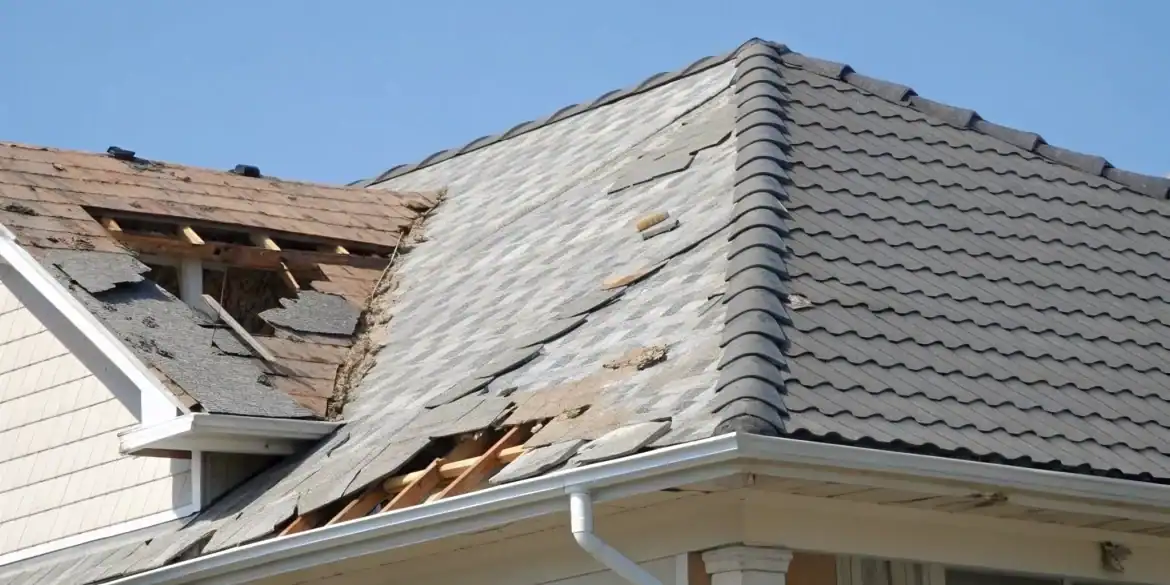
It’s a common belief that your home’s market value is the same as what it would cost to rebuild it. This is one of the most financially dangerous myths in property insurance. The price a buyer would pay for your house has little to do with the actual cost of materials and labor needed to reconstruct it after a disaster. This is where understanding replacement cost becomes so important. It’s a construction estimate, not a real estate valuation. Believing the wrong thing could leave you underinsured and facing massive bills. Let’s clear up the confusion and debunk the common myths so you know exactly what your policy covers.
Key Takeaways
- RCV Pays for New, But Often in Two Steps: Replacement Cost Value (RCV) is meant to cover the price of new, similar materials to repair your property, unlike Actual Cash Value (ACV), which subtracts for depreciation. Be prepared for an initial payment for the depreciated value, with the remaining funds released after you complete the work and submit invoices.
- Your Policy Limit Is a Hard Cap on Your Payout: Standard RCV coverage will only pay up to the dollar amount listed on your policy, which may not be enough if construction costs spike after a storm. You can add an Extended or Guaranteed Replacement Cost endorsement to create a financial buffer and better protect yourself.
- Replacement Cost Is Not the Same as Market Value: The cost to rebuild your home is based on current labor and material prices, not what you could sell it for. Review your coverage limits annually to make sure they are high enough to account for inflation and potential “demand surge” after a major event.
What is Replacement Cost Value (RCV)?
When you file a property damage claim, one of the most important terms you’ll come across in your policy is “Replacement Cost Value,” or RCV. Think of it this way: if a storm damages your 10-year-old roof, an RCV policy is designed to cover the cost of a brand new roof at today’s prices, not the value of your old, worn-out one. In simple terms, RCV is the amount of money it would take to repair or replace your damaged property with materials of a similar kind and quality, without any deduction for depreciation.
This is a critical distinction because it directly impacts how much money you receive from the insurance company to make repairs. The goal of Replacement Cost Value is to restore your property to the condition it was in right before the damage occurred, using new materials. It doesn’t account for the fact that your old siding or flooring had years of wear and tear. Instead, it focuses on the current cost to make you whole again. Understanding this concept is the first step in making sure you get the fair settlement you need to rebuild properly.
How Insurers Calculate Replacement Cost
Insurance companies don’t just pull a number out of thin air. They typically use specialized software and local market data to calculate the replacement cost for your property. This calculation is based on the cost of materials and labor required to restore your property to its pre-loss condition. The key phrase here, often found in the policy itself, is “like kind and quality.” This means if you have custom-built kitchen cabinets that were damaged by a water leak, the calculation should reflect the cost of new custom cabinets, not standard ones from a big-box store. The same goes for labor—the estimate should include the current rates for qualified, professional contractors in your area.
When RCV Applies to Your Claim
Here’s a detail that can surprise many homeowners: you may not get the full Replacement Cost Value in one check. Insurers often pay out RCV claims in two parts. First, they will likely send you a check for the Actual Cash Value (ACV) of your damaged property. ACV is the replacement cost minus depreciation for age and wear. To receive the remaining amount, you typically have to complete the repairs first. Once the work is done, you submit the final invoices from your contractor to the insurance company. The insurer then releases the withheld depreciation amount, which is often called “recoverable depreciation.” This two-step process is designed to ensure the money is used for its intended purpose—actually repairing the property.
Replacement Cost vs. Actual Cash Value (ACV): What’s the Difference?
When you file a property damage claim, you’ll quickly come across two important terms: Replacement Cost Value (RCV) and Actual Cash Value (ACV). Understanding the difference between them is key because it directly impacts how much money your insurance company will pay you. Think of it this way: Replacement Cost covers the price to replace your damaged property with brand-new items of similar quality. It doesn’t factor in how old or worn out your things were.
On the other hand, Actual Cash Value pays you for what your property was worth at the moment it was damaged. To get this number, the insurer calculates the replacement cost and then subtracts a certain amount for depreciation—which is the value your property lost over time due to age and general wear and tear. Because of this deduction, an ACV payout is almost always less than an RCV payout. Your policy documents will specify which valuation method applies to your property, and knowing this ahead of time can help you set realistic expectations for your claim settlement.
The Role of Depreciation in Your Payout
Depreciation is the main reason for the gap between an RCV and an ACV settlement. It’s the natural decrease in an item’s value as it gets older. A five-year-old roof, for example, isn’t worth the same as a brand-new one, and depreciation accounts for that difference. With an Actual Cash Value (ACV) policy, the insurer subtracts this depreciation from your total payout. This means the check you receive might not be enough to cover the full cost of buying a new replacement, leaving you to pay the difference yourself. This can be a tough surprise if you were expecting enough money to make your property whole again.
Payout Scenarios: Seeing the Real-World Impact
Let’s look at a real-world example to see how this plays out. Imagine a fire damages your two-year-old laptop, which you originally bought for $2,000. To buy a similar new model today would cost $2,200.
With an ACV policy, the insurer would determine the laptop’s depreciated value is now $1,400. After your deductible, that’s the amount you’d receive.
With replacement cost coverage, you could receive the full $2,200 to buy a new one (minus your deductible). Often, this happens in two stages: you’ll get an initial check for the actual cash value ($1,400), and a second check for the remaining amount after you purchase the new laptop and show the receipt to your insurer.
What Does Replacement Cost Coverage Typically Include?
When you hear “replacement cost coverage,” think of it as your policy’s promise to help restore your property to the way it was just before the damage occurred. It’s not about the market value of your home or what you could sell it for; it’s about the actual, on-the-ground cost to rebuild or repair. This type of coverage is designed to cover the price of materials and labor needed to make you whole again, using items of similar kind and quality.
For example, if a storm damages your roof, replacement cost coverage aims to provide the funds for a brand new roof. The same principle may apply to your personal belongings if they are covered under your policy. If your high-end laptop is destroyed in a fire, this coverage could help you buy a new, comparable model, not just give you what the old one was worth. The team at PA Joe often works with homeowners to ensure insurers honor this part of the policy. Understanding what it includes—and what it doesn’t—is the first step toward making sure you’re truly protected when you need it most.
The Cost to Rebuild or Repair Your Property
At its core, replacement cost value (RCV) is about one thing: covering the full expense to bring your property back to its pre-loss condition. This is a key concept in property insurance that helps determine how much your insurance company may pay you if your property gets damaged. It’s not a guess or an estimate of your home’s sale price. Instead, it’s a detailed calculation of what it would cost to hire contractors, buy materials, and complete the repairs. Think of it this way: if a kitchen fire ruins your custom cabinets, RCV is meant to cover the cost of new custom cabinets of similar quality, not cheaper, off-the-shelf alternatives.
Factoring in Current Material and Labor Rates
One of the most important aspects of replacement cost is that it’s based on today’s prices. The insurance industry defines replacement cost as the actual money needed to replace a damaged item or building with a new one that is similar. This means if your 15-year-old roof is destroyed, your coverage should pay for a new roof based on current labor and material costs, which have likely increased over the years. This is especially vital in Florida, where construction costs can spike after a major hurricane. Your policy is meant to account for these present-day expenses, ensuring you have enough funds to complete the repairs without dipping into your own savings.
Reading the Fine Print: Common Exclusions
While replacement cost coverage is comprehensive, it’s not a blank check. Every policy has limitations and exclusions you need to be aware of. For instance, damage from flooding often requires a separate policy, and issues like water damage can have specific limits. It’s also important to understand how you get paid. You typically won’t receive the full replacement cost in one lump sum. Insurers often first pay the actual cash value (the depreciated amount), and you’ll receive the remaining funds only after you’ve completed the repairs and submitted receipts. This is a detail that can catch homeowners by surprise. Because these policies offer better coverage, they tend to be more expensive, but knowing the rules is key to getting the full benefit.
What Are the Different Types of Replacement Cost Coverage?
When you see “Replacement Cost Value” on your policy, it’s easy to assume it means your insurer will cover the full cost to rebuild your home, no matter what. But it’s not always that simple. RCV coverage comes in a few different flavors, and the type you have can dramatically affect your financial recovery after a disaster. Think of it as different levels of protection.
Understanding which type of coverage is listed on your policy declarations page is one of the most important things you can do as a homeowner. It determines the ultimate cap on what your insurance company will pay. Let’s break down the three main types you’re likely to encounter so you can see exactly what your policy promises and where its limits are. Knowing this ahead of time can help you avoid stressful surprises during the claims process.
Standard Replacement Cost
Standard Replacement Cost is the most common type of coverage. It agrees to pay for the cost to repair or rebuild your home, but only up to the specific dollar limit listed in your policy. For example, if your dwelling coverage is set at $400,000, that’s the absolute maximum you’ll receive for the structure, even if the actual cost to rebuild comes in at $450,000. You would be responsible for covering that $50,000 shortfall out of pocket. While it provides solid protection, it doesn’t account for sudden spikes in construction costs that can happen after a widespread disaster.
Extended Replacement Cost
This is where you get some extra breathing room. Extended Replacement Cost coverage is an endorsement you can add to your policy that provides an additional percentage of coverage on top of your dwelling limit. This buffer is typically between 20% and 25%. So, if your home is insured for $400,000, this extension could provide an extra $80,000 to $100,000. This is incredibly valuable in Florida, where a major hurricane can cause a demand surge that drives up the price of materials and labor, making it more expensive to rebuild than originally estimated.
Guaranteed Replacement Cost
Guaranteed Replacement Cost offers the highest level of security. With this coverage, the insurance company agrees to pay the full cost to rebuild your home to its former state, even if that amount exceeds your policy limits. If your home is insured for $400,000 but it costs $500,000 to rebuild, the policy will cover the entire amount. You are only responsible for your deductible. This type of coverage provides complete peace of mind, but it’s also the most expensive option and is not offered by all insurance carriers. It’s the ultimate safeguard against being underinsured in a worst-case scenario.
Why is it Important to Keep Your Coverage Up-to-Date?
Think of your homeowner’s insurance policy as a living document. It’s not something you can file away and forget about after you sign it. The world changes, and so do the costs associated with repairing or rebuilding your home. Your property’s value, local construction prices, and even the materials in your home can shift over time. Regularly reviewing your policy ensures that your coverage keeps up with these changes, so you’re not left with a financial shortfall when you need support the most. An outdated policy can mean the difference between a smooth recovery and a stressful, expensive ordeal.
Keeping Pace with Rising Construction Costs
The cost to rebuild your home today is almost certainly different than it was five, or even one, year ago. Building costs, which include both labor and materials, are constantly in flux. From lumber to roofing shingles, prices can change due to inflation, supply chain issues, and demand in the housing market. If your policy limits haven’t been adjusted to reflect these current construction costs, you could find yourself underinsured. It’s wise to regularly review your policy limits with your agent to make sure your coverage is enough to rebuild your property from the ground up at today’s prices, not the prices from when you first bought the policy.
The Financial Risks of Being Underinsured
Being underinsured can have serious financial consequences. Imagine facing a total loss and discovering your insurance payout won’t cover the full cost of rebuilding. This is a reality for many homeowners. In fact, some studies have found that a majority of homes are underinsured, sometimes by a significant margin. This gap means you would have to pay out-of-pocket to make up the difference, which could amount to tens or even hundreds of thousands of dollars. At PA Joe, we often see the difficult situations this creates for families, which is why we are so passionate about helping property owners understand their policies and get the fair settlement they are entitled to.
Preparing for “Demand Surge” After a Major Event
In Florida, we know that a major storm can impact an entire community. When a widespread disaster occurs, the demand for building materials, contractors, and labor skyrockets. This phenomenon is known as “demand surge,” and it can cause rebuilding costs to climb sharply and quickly. A policy that seems adequate under normal circumstances might fall short in the aftermath of a hurricane. Your coverage needs to be robust enough to handle these inflated costs. This is why it’s so important to not only have sufficient coverage for a typical claim but also to prepare for the financial impact of a catastrophe by ensuring your policy limits provide a realistic safety net.
Common Myths About Replacement Cost, Debunked
Insurance policies can feel like they’re written in another language, and it’s easy to make assumptions about what your coverage actually means. When it comes to replacement cost, these misunderstandings can be particularly costly. Believing a common myth could leave you with a significant gap between what your insurance pays and what you need to rebuild your life after a loss. Let’s clear up some of the confusion by tackling a few of the most common myths head-on. Understanding the truth can help you make sure you’re properly protected before you ever need to file a claim.
Myth: My Home’s Market Value is the Same as its Replacement Cost
This is one of the most frequent and financially dangerous misconceptions. The price someone would pay for your house on the real estate market has very little to do with what it would cost to rebuild it from the ground up. Market value is influenced by things like the value of your land, the quality of the local school district, and current housing trends. In contrast, replacement cost is a construction estimate. It focuses strictly on the price of materials and labor needed to reconstruct your home to the state it was in before the damage occurred.
Myth: I’ll Get the Full Payout in One Check
Many homeowners with Replacement Cost Value (RCV) policies are surprised to learn that the payout often comes in two parts. Typically, the insurance company will first send a check for the Actual Cash Value (ACV) of your damaged property, which is the replacement cost minus depreciation. You use this initial payment to begin repairs. Only after you’ve completed the work and submitted receipts as proof will the insurer release the remaining funds (the recoverable depreciation). This two-step process is standard practice to ensure the money is used to actually repair the property, which is a key part of managing a water damage or fire claim.
Myth: My Policy Automatically Covers Everything
It’s tempting to assume your insurance agent set you up with the perfect amount of coverage, but the responsibility for having adequate insurance ultimately rests with you, the policyholder. Research suggests that about half of all customers believe it’s the insurer’s job to calculate the correct coverage amount. Unfortunately, if your policy limits are too low to cover a total loss, you will be the one paying the difference out of pocket. That’s why it’s so important to review your coverage annually and understand what’s included—and what isn’t. Working with a public adjuster can help you get a clear picture of your needs.
How Can You Make Sure Your Coverage is Adequate?
Feeling confident in your insurance coverage comes down to being proactive. Instead of waiting for a disaster to find out you’re underinsured, you can take a few simple steps to ensure your policy truly protects your property. Staying on top of your coverage means you’ll be in a much better position to recover financially if you ever need to file a claim. Here’s how you can make sure your policy is ready for whatever comes your way.
Review Your Policy and Property Value Annually
Think of your insurance policy as a living document—it needs to be updated as your life and property change. Building costs, including both labor and materials, are constantly shifting. A policy that fully covered your home three years ago might fall short today. That’s why it’s a great idea to schedule an annual review with your insurance agent. This is the perfect time to discuss any renovations you’ve completed, check if your policy limits still align with current construction costs, and make sure you’re not paying for coverage you no longer need. A quick conversation once a year can save you from a major financial headache down the road.
Create and Maintain a Detailed Home Inventory
If you had to list every single item in your home from memory, could you do it? Probably not. A detailed home inventory is your proof of ownership when you file a claim for your personal belongings. It can be as simple as walking through your home with your smartphone and recording a video of everything you own. For larger purchases, keep digital copies of receipts. This documentation is especially important for replacement cost policies, as you often need to show proof of what you owned to get the full value. Storing this inventory in the cloud ensures you can access it from anywhere, even if your home and computer are damaged.
Work with a Professional to Understand Your Needs
Insurance policies can be filled with complex terms and fine print. When you first purchase your policy, it’s important to understand exactly how it will pay out a claim. But your agent works for the insurance company. For a perspective that puts your interests first, consider consulting with a public adjuster. Professionals like the team at PA Joe can help you understand the nuances of your coverage long before you ever need to file a claim. Having an expert on your side can help you feel confident that your property has the protection it needs, giving you peace of mind.
Related Articles
- How to Negotiate an Underpaid Insurance Claim in 7 Steps – Public Adjuster
- What Affects Roof Collapse Insurance Coverage? – Public Adjuster
- How Roof Insurance Claims Work: A Step-by-Step Guide
Frequently Asked Questions
Why did my insurance company only send me part of the money for my replacement cost claim? This is a very common point of confusion. Insurers often pay replacement cost claims in two stages. The first check you receive is typically for the Actual Cash Value (ACV), which is the value of your damaged property after factoring in depreciation for its age and condition. You can use this initial payment to start your repairs. Once the work is finished and you provide the final invoices to your insurer, they will then release the remaining amount, known as the recoverable depreciation. This process helps ensure the funds are used to actually complete the repairs.
My policy says ‘Replacement Cost,’ but what happens if rebuilding costs more than my coverage limit? This is where the specific type of replacement cost coverage you have becomes very important. If you have standard coverage, your policy will only pay up to the dollar limit listed, and you would be responsible for any amount over that. However, if you have Extended Replacement Cost, your policy may provide an additional percentage—often 20% or more—above your limit to help cover unexpected cost increases. The most comprehensive option, Guaranteed Replacement Cost, agrees to cover the full cost to rebuild, even if it exceeds your policy limit.
Is the replacement cost of my home the same as its real estate market value? No, and it’s so important to understand the difference. Market value is what a buyer might pay for your home and the land it sits on, which is influenced by factors like location and school districts. Replacement cost is purely a construction estimate. It calculates the specific amount of money needed for materials and labor to rebuild your home to the condition it was in right before the damage occurred, based on today’s prices. Your home’s replacement cost could be higher or lower than its market value.
How do insurers figure out the replacement cost for my property? Insurance companies don’t just guess; they use specialized software and data to calculate this figure. The calculation is based on the specific details of your home, such as its square footage, construction materials, and unique features. It then combines this information with current local costs for labor and materials to determine what it would take to repair or rebuild your property with items of “like kind and quality.” This means if you had custom tile, the estimate should reflect the cost of new custom tile, not basic ceramic.
I just renovated my kitchen. Do I need to do anything with my insurance policy? Yes, this is a perfect time to check in on your coverage. Significant upgrades can increase your home’s replacement cost, and if you don’t update your policy, you could be underinsured. It’s a good practice to contact your insurance agent after any major renovation to discuss adjusting your coverage limits. This ensures that your new, higher-value property is fully protected and that your policy accurately reflects the current cost to rebuild it.