 Proudly Serving the Entire State of Florida

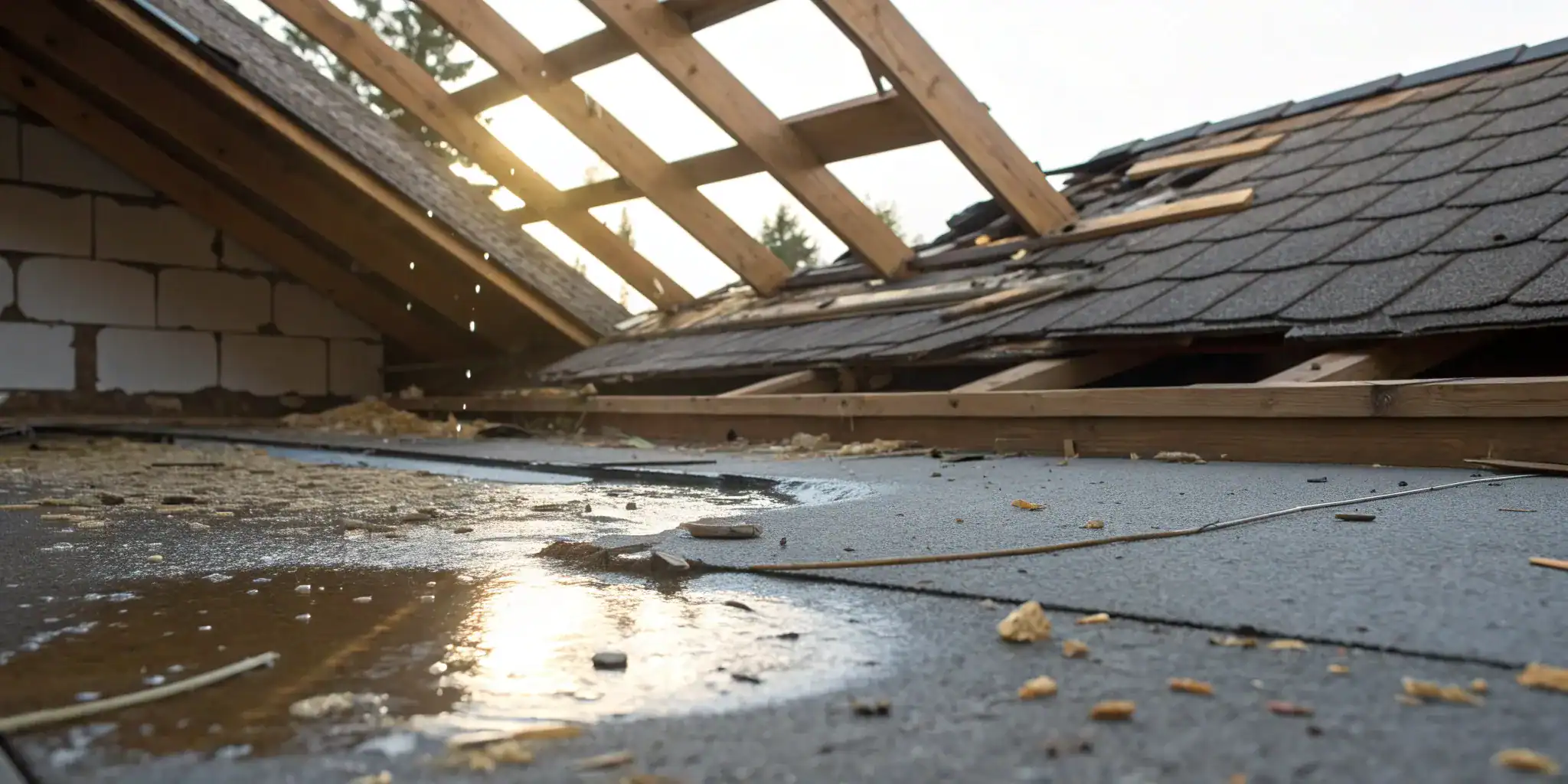
Many property owners believe that if their roof caves in, their insurance will automatically step in to cover the costs. This is one of the most common and costly misconceptions about property insurance. In reality, your insurer will launch an investigation to determine the cause, and if they find evidence of long-term neglect, wear and tear, or poor maintenance, your claim could be denied. Insurance is designed to protect you from sudden and accidental events, not problems that could have been prevented. Understanding this is the key to protecting your investment. This article will explain the realities of roof collapse insurance coverage and show you how proactive maintenance can be your strongest tool in ensuring your policy is there for you when you need it most.
Key Takeaways
- Focus on the ‘why’ behind the damage: Insurance policies are designed to cover sudden and accidental events, like a storm, not gradual issues caused by neglect. This distinction is why keeping up with maintenance is so important for protecting your coverage.
- Understand your policy’s financial terms now: Before you ever need to file a claim, get familiar with your deductible and whether your policy offers Replacement Cost Value (RCV) or Actual Cash Value (ACV). This knowledge helps set realistic expectations about how much your insurer will pay.
- Your maintenance log is your best evidence: Keeping a simple file with receipts and photos from inspections and repairs creates a powerful record. This documentation can be your strongest tool for demonstrating that you’ve cared for your property and that a collapse was truly unexpected.
What Is Roof Collapse Coverage?
When you think about major property damage, a roof collapse is probably high on the list of worst-case scenarios. The good news is that a standard homeowners insurance policy often includes coverage for a roof collapse. For a collapse to be covered, it generally needs to be caused by a specific event or “peril” listed in your policy. In Florida, this could mean damage from a hurricane’s high winds, the weight of heavy rain, a fallen tree, or even hidden decay that you couldn’t have reasonably known about.
The key thing your insurance company will look for is whether the cause was sudden and accidental. They draw a firm line between an unexpected event and a problem that developed over time due to neglect. For instance, if a severe storm damages your roof and causes it to give way, your policy will likely respond. However, if the collapse happens because the roof was old and slowly deteriorating without proper maintenance, you could face a denied claim. Understanding this distinction is the first step in figuring out where your policy stands and what you can expect during the claims process. It’s all about connecting the damage to a covered event, not a pre-existing issue.
What Qualifies as a Collapse
The word “collapse” might seem straightforward, but in the world of insurance, it has a very specific meaning. It isn’t just about a few shingles coming loose or a bit of sagging. Most insurance policies and courts define a collapse as an abrupt event where the structure falls down or caves in. Think of it as a sudden and complete failure, not a gradual process of weakening.
For a claim to be successful, there usually needs to be evidence that the building, or a part of it, has been flattened or reduced to rubble. A roof that is bowing under pressure or showing signs of stress might not meet the technical definition of a collapse, even if it’s unsafe. This is one of those fine-print details where having an expert on your side can make a significant difference in how your claim is interpreted.
What Damages Are Covered?
If your roof collapse is covered, the policy typically pays for more than just fixing the roof itself. The coverage should extend to other parts of your home that were damaged as a direct result of the collapse. This could include repairs to ceilings, walls, and flooring that were impacted when the roof gave way. It’s also common for policies to cover damage to your personal belongings, like furniture, electronics, and other items that were inside the affected area.
For example, a collapse often leads to significant water damage from rain entering your home, and the costs to repair that secondary damage should also be included in your claim. The goal of the coverage is to restore your home and property to the condition they were in before the incident occurred.
Common Myths About Coverage
One of the biggest misconceptions is that any roof collapse is automatically covered by insurance. Unfortunately, that’s not the case. The most common reason for a denied claim is a lack of maintenance. Insurance policies are designed to protect you from unforeseen accidents, not to pay for issues that could have been prevented with regular upkeep.
If an investigation shows your roof was old, already damaged, or poorly maintained before the collapse, your insurer may argue that the failure was due to wear and tear, which is almost always excluded from coverage. This is why it’s so important to keep records of any roof repairs or inspections. Believing your policy is a catch-all for any disaster can lead to a difficult and disappointing claims process, especially when facing denied claims that could have been handled differently.
What Factors Affect Your Coverage?
When your roof gives way, you naturally expect your insurance policy to cover the damage. But getting a claim approved isn’t always straightforward. Insurance companies review several key factors to decide if they will cover the damages and, if so, for how much. Understanding these elements before you file can make a huge difference in your claim’s outcome. Everything from your roof’s age to its maintenance history can be examined closely. Knowing what your insurer is looking for helps you build a stronger case and ensures you have the right information ready when it matters most. Let’s walk through the main factors that can influence your roof collapse coverage.
Your Roof’s Age and Pre-existing Conditions
One of the first things an insurance company will look at is the age and condition of your roof before the collapse. Many insurers have specific age limits on what they’ll cover, particularly for common materials like asphalt shingles. For example, a standard shingle roof that is over 20 years old may have limited or no coverage at all. This age limit can significantly impact your eligibility for coverage when you file a claim. If your roof already had problems like missing shingles, soft spots, or slow leaks, the insurer could argue that these pre-existing conditions contributed to the failure, potentially leading to a denial.
The Impact of Weather Events
The specific cause of the collapse is a critical piece of the puzzle. Most home insurance policies cover damage from certain weather events, often referred to as “named perils.” A standard homeowners insurance policy will often pay for repairs if your roof caves in from the weight of snow or ice. Here in Florida, this same principle applies to damage from hurricanes, tropical storms, and other severe weather. However, the exact wording in your policy is what counts. It will specify which events are covered, so it’s always a good idea to review your documents to understand what protections you have against local weather threats.
Why Your Maintenance History Matters
Your insurer will also want to see that you’ve been taking care of your property. Insurance is meant to cover sudden and accidental damage, not issues that develop over time due to neglect. Damage resulting from normal wear and tear or a lack of proper maintenance is typically excluded from standard policies. If a claim is denied, the insurance company might argue that the roof was already in poor shape before the event occurred. This is why keeping records of inspections, repairs, and general upkeep can be so valuable in demonstrating that you’ve done your part to maintain the roof’s integrity.
Documents You’ll Need to Provide
The moment you notice damage, your first step should be to document everything. Strong evidence is your best asset when building a claim. Before you move anything or begin cleaning up, take plenty of clear photos and videos of the collapsed area from different angles. Be sure to capture the damage to your roof, ceilings, walls, and any personal belongings that were affected. This visual proof gives the insurance adjuster a clear picture of the full extent of the loss. It also creates a detailed record that can be essential for proving the scope of the damage and connecting it directly to a covered event.
Decoding Your Policy’s Fine Print
Your insurance policy can feel like a novel written in another language, but taking the time to understand a few key sections can make all the difference after a roof collapse. This is where the real details of your coverage live—the specifics that determine what gets paid for and how much you’ll receive. Getting familiar with these terms before you need to file a claim can help you set realistic expectations and prepare for the process ahead. It’s easy to file the document away and forget about it until disaster strikes, but that fine print contains the rulebook for your claim. Understanding it helps you advocate for yourself effectively. When you know what your policy says about deductibles, replacement costs, and exclusions, you’re better equipped to have productive conversations with your insurance adjuster and ensure you’re getting a fair assessment. Let’s break down some of the most important parts of your policy’s fine print.
Understanding Limits and Deductibles
Think of your policy limit as the maximum amount your insurance company will pay for a covered loss. Your deductible is the amount you have to pay out of pocket before your insurance coverage kicks in. For example, if you have a $2,000 deductible and $20,000 in damages, you’ll pay the first $2,000, and your insurer will cover the remaining $18,000 (up to your policy limit). It’s important to remember that coverage isn’t guaranteed. Home insurance may cover ceiling damage from a collapse, but it always depends on what caused the damage and what your specific policy says about that cause. A sudden storm is treated differently than gradual water damage from a slow leak.
Replacement Cost vs. Actual Cash Value
This is a big one. Replacement Cost Value (RCV) pays to replace your damaged roof with brand-new, similar materials. Actual Cash Value (ACV), on the other hand, pays for the replacement cost minus depreciation—the decrease in value due to age and wear. An older roof might only be covered for its ACV, which could leave you with a much smaller check than you need for a full replacement. Some policies even state that they won’t cover standard asphalt shingle roofs that are more than 20 years old. Knowing which valuation method your policy uses is critical for understanding how much financial help you can truly expect.
Coverage for Additional Living Expenses
What happens if the roof collapse makes your home unlivable? This is where Additional Living Expenses (ALE) coverage, sometimes called “Loss of Use,” can help. If the damage is so severe you can’t live in your home, your policy might pay for you to stay somewhere else, like a hotel or rental, while repairs are being made. This coverage is designed to handle the increase over your normal living expenses. For example, it could cover the cost of a hotel and restaurant meals, but it won’t pay your mortgage. Check your policy for ALE limits, as they are often capped at a certain percentage of your total dwelling coverage.
Finding Potential Gaps in Your Policy
Not everything is covered, and policies have specific exclusions you need to know about. Generally, your insurance won’t cover damage from issues you could have prevented or that happen slowly over time. This is why your maintenance history is so important. For instance, if you were aware of hidden decay or termite damage before a collapse, the resulting damage might not be covered. Neglecting a known issue can give the insurance company a reason to deny your claim. Understanding these potential gaps helps you see why documenting repairs and performing regular inspections is one of the best ways to protect your investment and your coverage.
How to Maintain Your Roof to Protect Your Coverage
When you file a roof damage claim, one of the first things your insurance company will look for is whether the damage was caused by a covered event or by neglect. Proactive maintenance is your best defense against a potential claim denial. By keeping your roof in good condition, you not only extend its life but also build a strong case that any future damage is not your fault. Think of it as protecting your investment and your insurance coverage at the same time. A well-maintained roof shows you’ve done your part, making it harder for an insurer to argue that pre-existing issues or poor upkeep are to blame for the failure.
A Guide to Regular Inspections
Keeping your roof in good shape throughout the year is one of the most important things you can do as a property owner. A regular inspection schedule can help you catch small issues before they turn into major problems. Plan to inspect your roof at least twice a year—once in the spring and again in the fall—and always after a major storm.
You can start with a simple visual check from the ground. Look for missing, cracked, or curling shingles. Pay attention to the areas around chimneys, vents, and skylights, as these are common spots for leaks. If you feel safe doing so, a closer look can reveal more subtle signs of wear and tear. Documenting your inspections with photos and notes creates a valuable record of your roof’s condition over time.
Key Maintenance Tasks to Perform
A little upkeep goes a long way in preventing serious roof damage. Adding a few key tasks to your home maintenance routine can make a significant difference. First, keep your gutters clean. Clogged gutters can cause heavy rainwater to back up and seep under your roofing materials, potentially leading to rot and water damage.
Next, trim any tree branches hanging over your roof. This prevents leaves and other debris from accumulating and reduces the risk of damage from falling limbs during a storm. It also helps keep pests away. Finally, ensure your attic is properly ventilated. Good airflow helps regulate temperature and moisture levels, which can prevent the premature aging of your shingles and protect the underlying roof structure, a crucial step in Florida’s humid climate.
How to Spot Early Warning Signs
Knowing what to look for can help you identify potential problems early. Inside your home, keep an eye out for water stains or discoloration on your ceilings, as these are classic signs of a roof leak. You might also notice cracks appearing in your ceiling or interior walls, which could indicate structural stress.
From the outside, look for a sagging roofline, which suggests a serious structural issue that needs immediate attention. Other warning signs include finding shingle granules in your gutters or noticing that your pipes or vents look bent or damaged. Catching these red flags early gives you the chance to make repairs before a small issue leads to a catastrophic failure, like a collapse.
When to Call a Professional
While some maintenance tasks are simple enough to DIY, it’s important to know when to call for professional help. If you have a steep roof, aren’t comfortable with heights, or spot a problem that looks bigger than a minor fix, it’s best to contact a licensed roofing contractor. Professionals have the right equipment and expertise to perform a thorough inspection and make repairs safely.
And if you do experience significant roof damage, your next call should be to a public adjuster. While a roofer fixes the physical damage, a team like PA Joe can manage your insurance claim from start to finish, ensuring you have an expert on your side to document the loss and negotiate with the insurance company for a fair settlement.
What Your Policy Covers (and What It Doesn’t)
Understanding your insurance policy is the first step toward a successful claim. While it might seem complicated, knowing the basics of what’s covered, what’s excluded, and what to do when damage occurs can make all the difference. Your policy is a contract, and its specific terms will ultimately determine whether your roof collapse claim is approved. Let’s walk through the key things you need to look for.
What Are “Named Perils”?
Your insurance policy doesn’t cover every possible thing that could go wrong. Instead, it typically covers damage from specific events, which the industry calls “named perils.” Think of it as a pre-approved list of causes. For a roof collapse, covered perils often include things like fire, windstorms, hail, or the weight of fallen trees. The key is that the event must be sudden and accidental. If one of these listed events causes your roof to fail, you likely have a strong foundation for a claim. It’s always a good idea to familiarize yourself with the specific perils your policy covers so you know where you stand before disaster strikes.
Common Exclusions to Look For
Just as important as what’s covered is what’s not covered. Insurance policies have a list of exclusions, and this is where many claims run into trouble. Generally, insurers won’t pay for damage that results from gradual issues or a lack of upkeep. Common exclusions include wear and tear, rust, mold, pest infestations, and damage from faulty construction or poor materials. If your roof was already in bad shape or past its expected lifespan before an event, your insurer might argue that neglect was the real cause of the collapse, not the storm. This is why keeping up with maintenance is so critical for protecting your property and your coverage.
How to Find Policy-Specific Limitations
Every policy is different, so the only way to know your specific limitations is to read the document itself. I know, it’s not exactly light reading, but it’s incredibly important. Look for sections titled “Exclusions” or “Limitations.” This part of your policy will detail exactly what circumstances and types of damage are not covered. Pay close attention to any language about age, maintenance requirements, or specific types of water damage. If you find the wording confusing—and let’s be honest, it often is—don’t just guess. It might be time to get a professional opinion to make sure you fully understand your coverage.
Steps to Verify Your Coverage
When you discover damage, your first moves can make a big difference. First, take immediate action to prevent the situation from getting worse. This could mean putting a tarp over a hole or moving valuables out of the way. Next, document everything. Take clear photos and videos of the damage from every angle before you move or clean up anything. Keep a record of any temporary repairs you make, including receipts for materials. Finally, report the damage to your insurance company as soon as possible. Following these steps helps create a clear record, but if the process feels overwhelming, remember that there are professionals who can help you manage your claim from start to finish.
How to File and Manage Your Claim
When your roof collapses, filing an insurance claim can feel daunting. The process involves several key steps, and handling them correctly can make a significant difference in your outcome. Here’s a straightforward guide to managing it.
Gather the Right Documentation
First, make sure the area is safe and take steps to prevent more damage. Once secure, your next job is to document everything. Take plenty of photos and videos from different angles, getting both close-ups and wider shots. If you make temporary repairs, like covering a hole with a tarp, keep every receipt. This documentation is your primary evidence for building a strong claim, especially when dealing with issues like water damage that often accompany a roof collapse.
Work with the Insurance Adjuster
Contact your insurance company as soon as possible to report the damage. They will assign their own adjuster to inspect your property, but remember this person works for the insurance company, not for you. Their role is to assess the damage from the insurer’s perspective. Be prepared to provide them with all your documentation and answer their questions honestly. Sticking to the facts and having your records organized will help this process go much more smoothly and support your position.
How a Public Adjuster Can Help
If the claims process feels overwhelming or you’re concerned about a fair settlement, you don’t have to go it alone. You can hire a public adjuster to represent your interests. Unlike the insurer’s adjuster, a public adjuster works for you, handling complex paperwork, documenting your losses, and negotiating on your behalf. For complicated claims, having an expert advocate in your corner can be invaluable in securing the best possible outcome. It’s about leveling the playing field and ensuring your side is fully represented.
Steps Toward a Stronger Claim
While you can’t predict a disaster, you can take steps to strengthen your position beforehand. Regular home maintenance is key. Keeping detailed records of roof inspections and repairs shows your insurer that you’re a responsible homeowner. This can be helpful if they question whether pre-existing issues contributed to the collapse. Think of it as building a history of care for your property. A simple folder with receipts and dates of service can make a big difference when it’s time to prove your case.
Protect Your Coverage for the Future
After you’ve dealt with a property damage claim, the last thing you want is to go through it again. But being a property owner means staying prepared. Taking a few proactive steps now can make a huge difference in protecting your home and ensuring your insurance has your back if you need it in the future. Think of it as setting yourself up for success. By maintaining your property and understanding your policy, you build a stronger foundation for any potential claims down the road, which could help streamline the process and prevent unnecessary denials.
Keep a Record of Maintenance
One of the best things you can do for your future self is to keep a detailed log of all maintenance and repairs. Insurance companies often look at the condition of your property before an incident occurred. If they can argue that damage was due to neglect or pre-existing issues, they may deny your claim. Your records are your proof of responsible ownership.
Create a simple file (digital or physical) where you save receipts for roof repairs, invoices from plumbers, photos of your clean gutters, and notes on when you had your HVAC serviced. This paper trail demonstrates that you’ve been diligent in caring for your property. Should you ever need to file a claim, this documentation can counter any claims of neglect and show that the damage was indeed sudden and accidental.
Review Your Policy Regularly
Your insurance policy isn’t a “set it and forget it” document. Insurers can change terms, and your own needs might shift over time. It’s a good practice to review your policy at least once a year, especially when it’s up for renewal. Look specifically for any changes to your coverage limits, deductibles, and the list of exclusions. What was covered last year might not be covered this year.
Understanding the fine print helps you identify potential gaps before you have a problem. If you find something confusing, don’t hesitate to ask questions. Knowing exactly what your policy says empowers you to make informed decisions and ensures there are no surprises when you need to rely on your coverage. The team at PA Joe spends every day interpreting these documents for homeowners.
Simple Ways to Prevent Risk
Preventative maintenance is your first line of defense against property damage. Many of the biggest risks can be managed with a few simple, regular tasks. Start by keeping your gutters clear of leaves and debris. Clogged gutters can cause water to back up and seep under your roof, leading to rot and leaks. This is a common cause of water damage that is often preventable.
Also, take a look at the trees on your property. Trimming back branches that hang over your roof can prevent damage from falling limbs during a storm. Finally, get in the habit of visually inspecting your roof and ceilings for any early warning signs, like cracked shingles or water stains. Catching these small issues early can stop them from turning into major, costly problems.
Tips for Communicating with Your Insurer
When you have questions about your policy, clear communication is key. Before you call your insurance agent, take some time to read through the relevant sections of your policy. This allows you to ask specific, informed questions. Write down what you want to ask ahead of time and take notes during the call, including the date, time, and the name of the person you spoke with.
Remember, while your insurance agent can be a helpful resource, their ultimate responsibility is to the insurance company. If you’re filing a claim or feel like you’re not getting a straight answer, it may be helpful to have an advocate on your side. A public adjuster works for you, the policyholder, to ensure your voice is heard and your claim is handled fairly.
Related Articles
- Roof Damage – Public Adjuster
- Homeowner coverage – Public Adjuster
- Is My Roof Covered When It Leaks? – Public Adjuster
- Does Homeowners Insurance Cover Water Line Replacement? – Public Adjuster
Frequently Asked Questions
My roof is sagging but hasn’t completely fallen in. Does that count as a collapse? In the eyes of an insurance company, probably not. While a sagging roof is definitely a serious structural problem that needs immediate attention, most policies have a very strict definition of “collapse.” They are typically looking for a sudden and complete structural failure—think caving in or falling down. A roof that is bowing or showing signs of stress might not meet that technical requirement, which can make the claim more complicated.
If my roof is old, will my insurance automatically deny my claim? Not necessarily. While an older roof can complicate a claim, the age alone isn’t usually grounds for an automatic denial. The more important factor is the direct cause of the damage. If a covered event, like a severe windstorm, caused the collapse, you could still have a valid claim. However, the insurance company will likely investigate to see if the roof’s age and condition made it more vulnerable. Your final settlement might also be affected if your policy pays for the roof’s depreciated value rather than its full replacement cost.
What if my insurance company’s offer isn’t enough to cover the full cost of a new roof? This is a very common situation. The gap in funds could happen for a few reasons. Your policy might only cover the Actual Cash Value (ACV) of your roof, which subtracts depreciation for age and wear, leaving you with less than you need for a full replacement. It’s also possible that the insurance adjuster’s estimate of the damages is simply too low. In either case, you don’t have to accept the initial offer if you believe it’s unfair.
Will my policy cover water damage to my furniture and walls from the collapse? If the roof collapse is determined to be a covered loss, then the resulting damage to the interior of your home and your personal belongings should also be covered. This typically includes things like drywall, flooring, furniture, and electronics that were damaged when the roof gave way or from water that entered the home. This is why it’s so important to take detailed photos and create an inventory of everything that was affected.
What’s the first thing I should do if I think my roof is about to collapse? Your immediate priority is safety. If you notice significant sagging, hear cracking or popping sounds, or see other severe warning signs, get everyone out of the house right away. Once you are in a safe location, call a professional, like a licensed roofer or structural engineer, to assess the immediate danger. After the property is secured, you can then focus on documenting the damage and contacting your insurance company to start the claims process.