 Proudly Serving the Entire State of Florida

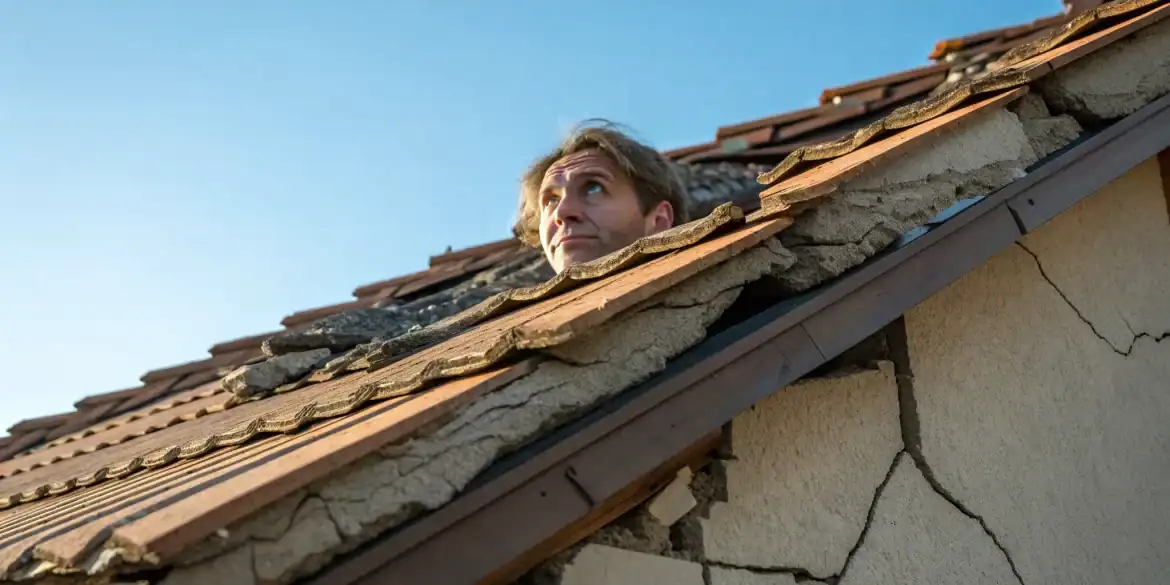
Have you ever wondered why your roofer’s estimate and your insurance company’s offer are worlds apart? It’s rarely a simple mistake. Insurance companies are businesses, and their adjusters may overlook hidden damage or use standardized pricing software that doesn’t reflect local costs. These factors, combined with complex policy language, often lead to an underpaid roof damage claim. Understanding why your claim was undervalued is the first step toward successfully disputing it. In this article, we’ll pull back the curtain on the common reasons for low settlements and give you the tools you need to counter them, ensuring you can build a solid, evidence-based case for the full value of your repairs.
Key Takeaways
- Proactive documentation is your best defense: Keep a detailed record of your property’s condition, including “before” photos, and document all damage and communication after an event. This organized evidence creates a clear, factual basis for your claim that is difficult for an insurer to dispute.
- Use professional estimates to validate your claim: A significant difference between your roofer’s quote and the insurer’s offer may be a sign of an underpaid claim. Gathering multiple detailed estimates from reputable contractors provides the proof you may need to challenge a low settlement and show the true cost of repairs.
- An expert advocate can level the playing field: If your claim is complex, denied, or significantly underpaid, a public adjuster can manage the entire process on your behalf. They work for you—not the insurance company—to document damage, negotiate, and pursue a fair outcome, often with no upfront cost.
Why Roof Damage Claims Are Often Underpaid
Receiving a settlement check that barely covers a fraction of your repair costs can be incredibly frustrating. You’ve paid your premiums faithfully, and now, when you need support, the offer falls short. Unfortunately, this is a common experience for many property owners. Understanding why claims are often underpaid is the first step toward building a stronger case for the full amount you’re entitled to. Several factors can contribute to a low settlement, from the insurance company’s internal practices to the specifics of the damage assessment itself. Knowing what you’re up against can help you prepare to dispute an unfair offer effectively.
Insurance Company Cost-Cutting
At the end of the day, insurance companies are businesses with a bottom line to protect. While they provide a crucial service, their financial health often depends on paying out less in claims than they collect in premiums. This business model can sometimes create a conflict of interest. Some internal policies may encourage adjusters to minimize payouts, which can leave property owners with a significant gap between their settlement and the actual cost of repairs. When insurers underpay commercial roof damage claims, it forces property owners to either pay out-of-pocket for work that should have been covered or settle for incomplete repairs.
Inexperienced or Biased Adjusters
The adjuster sent by your insurance company works for them, not for you. Their assessment is meant to serve their employer’s interests. After a major storm hits Florida, insurers often bring in adjusters from other states who may not be familiar with local building codes or the specific challenges of our climate. These adjusters might miss key signs of damage or rely on standardized software that produces lowball estimates without accounting for unique material or labor costs in your area. An inexperienced or rushed adjuster can easily overlook critical details, leading to an inaccurate and insufficient damage report that forms the basis of your low settlement offer.
Hidden and Overlooked Damage
Not all roof damage is visible to the naked eye. High winds and storm pressure can cause issues that aren’t immediately obvious, like lifted shingles, damaged underlayment, or compromised flashing around vents and chimneys. An insurer’s adjuster might perform a quick, superficial inspection from the ground or a ladder and miss these critical problems. This hidden damage can lead to slow leaks, mold growth, and structural issues down the road. Because these problems aren’t included in the initial report, the settlement offer won’t include the funds needed to fix them, leaving you vulnerable to more extensive and expensive problems later on.
Misunderstood Policy Exclusions
Insurance policies are complex legal documents filled with technical jargon and specific exclusions. Insurers may use this complexity to their advantage. A common tactic is to attribute damage to “pre-existing wear and tear” rather than a covered event like a storm. They might also misinterpret policy language or state regulations to limit your payout. For example, there can be confusion around Florida’s 25% Roof Replacement Rule, which dictates when a portion of a damaged roof requires a full replacement. When these rules and exclusions are applied incorrectly, it can drastically reduce the value of your claim.
Signs Your Roof Claim Was Underpaid
After you file a roof damage claim, receiving a settlement offer can feel like a huge relief. But before you accept, it’s important to review the offer carefully. Insurance companies sometimes undervalue claims, leaving you with a payout that doesn’t fully cover the cost of getting your home back to its pre-damage condition. If something about your settlement feels off, it probably is. Recognizing the signs of an underpaid claim is the first step toward getting the fair compensation you deserve. Here are a few red flags to watch for.
The Payout Doesn’t Cover Repair Costs
One of the most straightforward signs of an underpaid claim is when the settlement simply isn’t enough to fix the problem. A proper roof replacement isn’t just about laying down new shingles; the money offered should be sufficient for tearing off the old roof and installing a completely new one. Your insurer’s offer might only cover a patch job or repairs to a small section, which may not be a sustainable solution. This approach can leave your home vulnerable to future leaks and more extensive damage down the road, ultimately costing you more in the long run.
Your Estimate Excludes Essential Repairs
A low settlement offer often comes with an estimate that conveniently leaves out critical parts of the repair process. A complete roof system includes more than just what you see on the surface. If the offer doesn’t include costs for important components like underlayment, decking, flashing, or roof vents, that’s a major warning sign. These elements are vital for your roof’s longevity and ability to protect your home. An incomplete estimate is a common way for insurers to lower their payout, so be sure to review the scope of work line by line.
A Big Gap Between Your Quote and the Insurer’s Offer
If you’ve already consulted with a local roofing contractor, you have a valuable benchmark. A significant difference between your contractor’s estimate and the insurance company’s offer is a clear indicator that your claim may be underpaid. When the payout is much lower than what a professional roofer estimates, it suggests the insurer’s assessment may not accurately reflect local labor and material costs. Getting detailed quotes from a few reputable contractors can provide the evidence you need to challenge a lowball offer and show what a fair settlement should look like.
Related Interior Damage Was Denied
A leaking roof rarely causes damage in isolation. Water can seep into your attic, soak insulation, stain ceilings and walls, and create the perfect environment for mold. Despite this, an insurer might try to argue that interior water damage isn’t related to the roof leak. If your claim for stained drywall, ruined insulation, or warped floorboards is denied, it’s a strong sign that your insurer is attempting to unfairly limit the scope of your claim. All resulting damage should be part of the conversation and included in your settlement.
What Documents You Need to Strengthen Your Claim
When you’re disputing an underpaid claim, solid documentation is your most powerful tool. Think of it as building a case—the more organized and detailed your evidence is, the harder it is for an insurance company to justify a low offer. Keeping meticulous records from the very beginning can make a significant difference in the outcome. It helps create a clear, undeniable picture of the damage and the true cost of making things right.
Comprehensive Photos and Videos
Your phone is one of the most important tools you have after discovering roof damage. Before any cleanup or temporary repairs begin, take extensive photos and videos of everything. Capture the damage from multiple angles, both up close to show detail and from farther away to provide context. Don’t just focus on the roof itself; document any resulting interior issues, like water stains on the ceiling or walls. It’s also a good idea to keep receipts for any temporary fixes you make, such as buying a tarp to prevent further leaks.
Independent Inspection Reports
While your insurance company will send its own adjuster, getting a second opinion from an independent professional can be incredibly valuable. A licensed roofer or a public adjuster can often spot hidden damage that an insurer’s adjuster might overlook. This independent inspection and documentation provides a detailed, expert assessment of the damage and a realistic estimate for repairs. This report serves as a critical piece of evidence to counter a lowball offer from your insurance provider, showing that a qualified professional has assessed the damage differently.
Multiple Contractor Estimates
One of the clearest signs of an underpaid claim is an offer that won’t cover the cost of repairs. To prove this, gather at least two or three detailed estimates from reputable, licensed roofing contractors in your area. When you compare these professional quotes to the insurance company’s estimate, a significant shortfall becomes obvious. Presenting multiple estimates demonstrates that you’ve done your homework and that the market rate for the necessary repairs is higher than what the insurer has offered.
Weather Reports and a Damage Timeline
Connecting the roof damage to a specific event, like a hurricane or a severe hailstorm, is essential for your claim. You can strengthen your case by creating a simple timeline that notes the date of the storm and when you first noticed the damage. You can also pull official weather reports from that date to confirm high winds or hail. This information helps validate that the damage was caused by a covered peril under your policy, leaving less room for the insurer to argue otherwise.
Your Communication Log with the Insurer
From your very first call to the insurance company, keep a detailed log of every interaction. Write down the date, time, and name of every person you speak with, along with a summary of the conversation. Save all emails and letters in a dedicated folder. This communication log creates a complete record of your claim’s history. If there are any discrepancies or broken promises later on, you’ll have a paper trail to back you up and hold the insurance company accountable for the information they’ve provided.
How to Communicate Effectively with Your Insurance Adjuster
The way you communicate with your insurance adjuster can significantly influence the outcome of your claim. Think of it less as a confrontation and more as a business negotiation where you are your own best advocate. Being prepared, professional, and persistent is key. Your goal is to present a clear, well-documented case for why you deserve a fair settlement that covers all the damage. Effective communication helps build a record of your claim’s progression and ensures that nothing gets lost in translation. By managing these interactions thoughtfully, you can keep the process moving forward and make it harder for the insurance company to justify an underpaid offer. It’s about being organized and assertive, ensuring your voice is heard and your evidence is seen.
Prepare for Your Adjuster Meeting
Walking into a meeting with your insurance adjuster unprepared can leave you at a disadvantage. Before they arrive, gather all your documentation, including photos, videos, and any initial repair estimates you’ve collected. It’s also a great idea to have your roofing contractor with you when the insurance adjuster comes to inspect the damage. Your contractor is an expert who can point out specific issues the adjuster might overlook, from subtle hail impacts to compromised flashing. They speak the same technical language and can help make sure all damage is seen and noted in the initial report. This simple step ensures a more thorough inspection and sets a professional tone for the entire process.
Provide Complete and Accurate Information
When discussing your claim, always provide complete and correct information. Giving wrong or incomplete details can slow things down or even cause your claim to be denied. Stick to the facts of what happened and the damage you’ve observed. If you’re unsure about a detail, it’s better to say you don’t know than to guess. Misinformation, even if unintentional, can damage your credibility. Be honest about the pre-existing condition of your roof, but don’t feel pressured to accept blame for damage caused by a covered event. Your focus should be on presenting a truthful, consistent account backed by your documentation. This approach helps build trust and keeps the claims process on solid ground.
Ask the Right Questions About Your Coverage
Don’t be afraid to ask questions. Understanding your policy is crucial, so take the time to review it and know what’s covered before you speak with the adjuster. If the adjuster makes a statement about your coverage that seems incorrect, politely ask them to show you the specific language in your policy that supports their position. You can also ask about the timeline for the claim, what the next steps are, and how depreciation is calculated. Asking informed questions shows you’re engaged in the process and expect transparency. This is especially important if your roof damage has led to other issues, like water damage, which may have its own coverage limits and stipulations.
Document Every Interaction
From your very first call to the insurance company, keep good records of everything. Create a dedicated log to track every phone call, email, and in-person meeting. For each entry, note the date, time, the name of the person you spoke with, and a brief summary of the conversation. Follow up important phone calls with an email confirming what was discussed. This creates a written record and prevents misunderstandings. This communication log, combined with your photos, receipts, and contractor estimates, becomes an invaluable part of your claim file. Having all the facts ready in an organized manner makes it much easier to build your case if you need to dispute an offer. It shows you’re a serious and diligent homeowner, which is a core part of our philosophy at PA Joe.
Steps to Dispute an Underpaid Claim
Receiving a settlement check that barely covers your repair costs can feel defeating, but it’s not the final word. You have the right to challenge your insurance company’s decision. Following a structured process can make your dispute more effective and may increase your chances of getting the fair settlement you need to fix your roof properly. Here are the key steps you can take to formally dispute an underpaid claim.
File a Formal Written Appeal
Your first move should be to put your disagreement in writing. While a phone call is easy, a formal dispute needs a paper trail. Draft a clear, professional letter to your insurance company stating that you are appealing their settlement offer. Be sure to include your name, address, and claim number. Explain why you believe the settlement is insufficient, referencing specific parts of the contractor estimates you’ve gathered. Mention the evidence you’re including, like photos and inspection reports. This letter officially documents your dispute and requires the insurer to formally review their decision.
Request an Independent Appraisal
The adjuster your insurance company sent works for them, so their estimate might reflect the company’s interests. To counter this, you can get an unbiased assessment from a neutral third party. This could be a trusted roofing contractor, an engineer, or a public adjuster who works for you, not the insurance company. An independent appraisal provides a detailed report on the full extent of the damage and an accurate estimate for repairs. This report is powerful evidence to submit with your appeal, as it directly challenges the insurer’s low valuation with a credible, expert opinion.
Consider Mediation or Arbitration
If your formal appeal doesn’t lead to a fair resolution, you don’t have to jump straight to a lawsuit. Mediation and arbitration are two common alternatives. In mediation, a neutral third party helps you and your insurer talk through the disagreement to find a solution. The mediator doesn’t make a decision but facilitates a conversation. Arbitration is more formal; a neutral arbitrator hears from both sides and then makes a decision, which may be legally binding. Both options can be quicker and less costly than court, but they have their own complexities. Getting expert assistance can help you prepare and present your case effectively.
When to Hire a Public Adjuster for Your Roof Claim
Disputing an underpaid claim can feel like a full-time job. You’re already dealing with the stress of property damage, and now you’re juggling contractors, endless paperwork, and phone calls with your insurance company. While you can certainly manage this process on your own, some situations are simply too complex or high-stakes to handle alone. This is where a public adjuster can become your most valuable asset.
Think of a public adjuster as a professional advocate who works exclusively for you, not the insurance company. Their entire job is to manage your claim from start to finish, document the damage with expert precision, and negotiate with the insurer to secure the fair and just settlement you’re entitled to. They level the playing field, bringing the same level of expertise to your side of the table that the insurance company has on theirs. Knowing when to bring in this kind of expert can make a significant difference in the outcome of your claim and, just as importantly, your peace of mind.
The Damage is Complex or Extensive
A few missing shingles might seem straightforward, but what about the damage you can’t see? Extensive roof damage from a hurricane or major storm can easily compromise the underlying structure or lead to slow leaks that cause serious water damage and mold growth over time. An insurance company’s adjuster may only document the most obvious issues, potentially overlooking critical problems that will surface later. A public adjuster works to uncover the full scope of the problem. They often collaborate with trusted engineers and specialized roofers to identify hidden issues and create a detailed estimate that accounts for every single necessary repair, ensuring your claim reflects the true cost of making your property whole again.
Your Claim is Severely Underpaid or Denied
Receiving a settlement offer that barely covers half of your lowest contractor quote—or an outright denial—can be incredibly disheartening. But it doesn’t have to be the final word. Insurance companies may deny claims for various reasons, and their initial offers are often far lower than what you rightfully deserve based on your policy. If you find yourself in this position, it’s a strong signal to seek professional help. A public adjuster has the expertise to re-open a denied claim and effectively challenge an unfair settlement. They are fluent in complex policy language and are skilled negotiators, prepared to build a strong, evidence-based case on your behalf to fight for a fair outcome.
Understanding the “No Win, No Fee” Promise
The thought of paying another professional when you’re already facing expensive repairs can be a major concern. That’s why reputable public adjusters, including our team at PA Joe, work on a contingency basis. This is often called a “no win, no fee” promise, and it means you don’t pay anything upfront for our services. The public adjuster’s fee is a small, agreed-upon percentage of the final settlement they secure for you. If they don’t succeed in getting you a settlement, you owe them nothing. This approach gives you access to expert help without any financial risk and ensures your adjuster is fully motivated to achieve the best possible result for your claim.
How to Prevent Future Underpaid Claims
While disputing an underpaid claim is sometimes necessary, you can take steps to protect yourself and streamline the process from the very beginning. Being proactive is one of the best ways to ensure you’re in a strong position if you ever need to file a claim. It’s about shifting from a reactive mindset to a prepared one. By understanding your coverage, meticulously documenting your property’s condition, and building relationships with trusted professionals, you create a foundation of evidence and expertise.
This preparation can make a significant difference in how smoothly your claim process goes. When an insurance company sees that you are organized, informed, and have expert opinions to back you up, they may be more likely to offer a fair settlement from the start. Think of these actions as an extension of your home maintenance routine—a little effort now can save you a great deal of stress and money later. Taking control of these key areas helps you advocate for yourself effectively long before you ever have to pick up the phone to file a claim.
Review Your Policy Regularly
Your insurance policy is a contract, and it’s essential to know what it says before you need to use it. A great habit is to review your policy annually or anytime you make significant changes to your property. Read your insurance policy carefully to understand your coverage, including your deductible, what perils are covered, and any specific exclusions that might apply to your roof. Pay close attention to the language around roof age, materials, and the difference between replacement cost value (RCV) and actual cash value (ACV). Understanding these details helps you set realistic expectations and know what you’re entitled to. If you find the language confusing, don’t hesitate to ask your insurance agent for clarification. Being an informed policyholder is your first line of defense.
Document Damage Proactively
In the world of insurance claims, a picture is truly worth a thousand words. That’s why proactive documentation is so powerful. Start by taking photos and videos of your roof and home exterior before any damage occurs. Having a clear “before” record makes it much easier to prove the extent of the “after.” When a storm hits, and it’s safe to do so, take lots of clear photos and videos of all damage, both outside and inside. Capture everything from missing shingles to water damage on your ceilings. Keep a file with all your documentation, including receipts for any temporary repairs you made to prevent further damage, like putting a tarp on the roof. This detailed evidence creates a compelling story that is difficult for an insurer to ignore or downplay.
Connect with Trusted Roofing Professionals
Don’t wait for a disaster to find a good roofer. Building a relationship with a reputable, licensed roofing company ahead of time means you have a trusted expert to call when you need one. After a storm, get a professional roof inspection right away. A qualified roofer can identify damage that isn’t visible from the ground and may be missed by an inexperienced adjuster. They should provide you with a detailed report with photos and cost estimates for the necessary repairs. This independent assessment serves as a crucial piece of evidence to compare against your insurer’s estimate. Having a professional quote in hand gives you a solid benchmark and strengthens your position during negotiations.
Related Articles
- Getting Insurance to Pay for a New Roof: A Simple Guide – Public Adjuster
- How Roof Insurance Claims Work: A Step-by-Step Guide – Public Adjuster
Frequently Asked Questions
My insurance company’s adjuster seemed friendly and thorough. Why would I need a separate inspection? It’s great when the process feels smooth, but it’s important to remember who the adjuster works for. The insurance company’s adjuster has a primary responsibility to their employer. While they may be perfectly professional, their goal is to assess the damage from the insurer’s perspective. An independent inspection from a public adjuster or a trusted roofer ensures you have an expert on your side, focused exclusively on identifying the full scope of your damage and protecting your interests.
What if I’ve already cashed the settlement check? Is it too late to dispute the amount? Cashing the check doesn’t always mean the case is closed. In many situations, that initial payment is considered an undisputed portion of your claim, and you may still have the right to seek additional funds for repairs that were overlooked or undervalued. The key is to act promptly and avoid signing any documents that release the insurance company from future liability until you are certain the settlement is fair.
How is a public adjuster different from the adjuster my insurance company sends? The main difference comes down to who they represent. The adjuster sent by your insurance company is an employee or contractor paid to protect the company’s financial interests. A public adjuster is a state-licensed professional that you hire to work exclusively for you. Their job is to manage your claim, document all your losses, and negotiate with the insurance company on your behalf to achieve a fair settlement.
My claim was denied because the insurer said the damage was just “normal wear and tear.” What can I do? This is a common reason insurers use to deny roof claims, but it isn’t always accurate. Distinguishing between storm damage and age-related wear can be complex. If you believe your claim was unfairly denied, you can challenge the decision. A public adjuster can help by bringing in their own team of experts to conduct a detailed assessment and provide evidence that the damage was caused by a specific, covered event like a windstorm or hail.
I’m already facing expensive repairs. How much does it cost to hire a public adjuster? Most reputable public adjusters work on a contingency fee basis, which is sometimes called a “no win, no fee” arrangement. This means you don’t pay any upfront costs for their services. Instead, their fee is a small, pre-agreed percentage of the settlement money they successfully recover for you. If they don’t win you a settlement, you don’t owe them anything, which removes the financial risk of getting expert help.