 Proudly Serving the Entire State of Florida

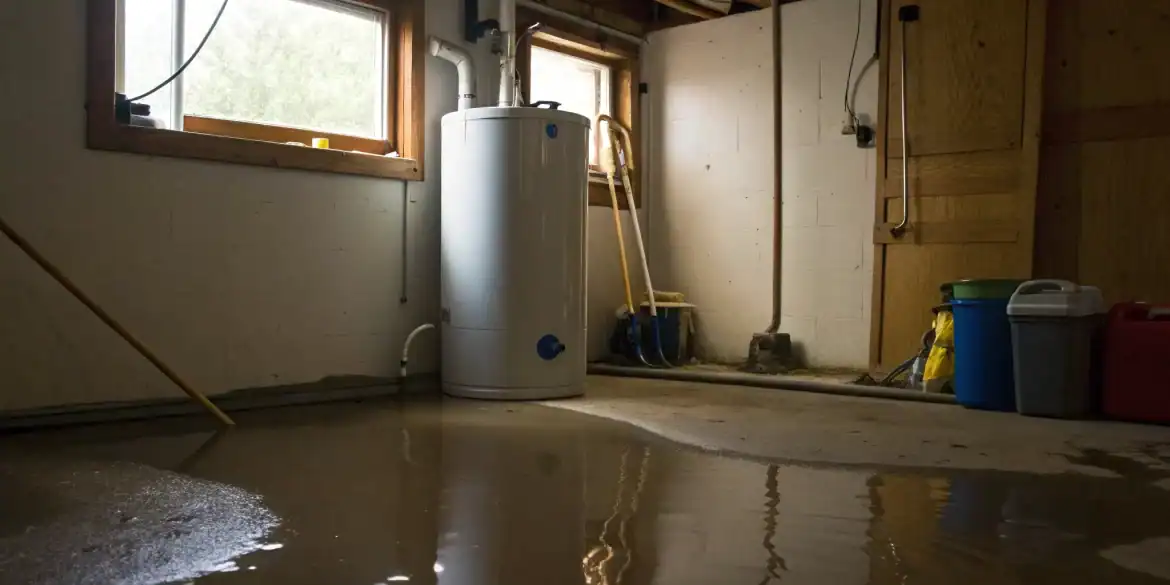
That small pool of water near your water heater raises a lot of questions. Is it just a bit of condensation, a loose fitting you can tighten yourself, or the first sign of a failing tank? Figuring out the severity of a water heater leak is the first step toward finding the right solution. Acting too slowly could lead to significant damage, but calling for emergency help for a minor issue can be costly. This article will help you become a detective, guiding you through a step-by-step inspection to pinpoint the source and assess the situation, so you can make an informed decision.
Key Takeaways
- Act Quickly to Mitigate Damage: If you find a leak, your first steps are to safely shut off the water and power to the unit. Before starting a major cleanup, take detailed photos and videos of the leak and any resulting damage, as this documentation is essential for your insurance claim.
- Perform Regular Maintenance to Prevent Leaks: You can extend the life of your water heater with simple upkeep. Annually flushing the tank to remove sediment and periodically checking the anode rod are small tasks that could help you avoid a major water damage event.
- Know When to Call for Professional Help: Don’t hesitate to call a licensed plumber for complex repairs, especially those involving gas or electrical components. If your insurance claim feels overwhelming, a public adjuster can manage the process on your behalf to ensure your interests are represented.
What Causes a Water Heater to Leak?
Discovering a puddle around your water heater can certainly be alarming. While your first instinct might be to panic, understanding the potential cause is the first step toward a solution. Water heater leaks often stem from a few common issues, ranging from simple fixes to signs that it’s time for a replacement. Pinpointing the reason for the leak helps you determine your next steps, whether it’s a quick DIY adjustment or a call to a professional.
Faulty Pressure Relief Valves
One of the most frequent culprits behind a water heater leak is the temperature and pressure (T&P) relief valve. This important safety device is designed to open and release water if the pressure or temperature inside the tank gets too high. However, these valves can sometimes fail or get stuck, causing a persistent drip or a steady stream of water to flow from the discharge pipe. If you notice water coming specifically from this valve, it’s a clear sign it may need attention from a plumber.
Tank Corrosion and Age
Like any major appliance, your water heater has a limited lifespan, typically around 8 to 12 years. Over time, the inside of the steel tank can begin to rust and corrode. This internal decay can eventually create small cracks or fissures, leading to slow leaks that often appear as puddles at the base of the unit. If you notice your hot water is discolored or see rust on the tank’s exterior, it could be a strong indicator that the tank is failing from the inside out and causing water damage.
Loose Connections and Fittings
Sometimes, the problem isn’t the tank itself but the various pipes and fittings connected to it. The cold water inlet and hot water outlet pipes on top of the heater can loosen over time, causing drips to run down the side of the tank. Similarly, the drain valve near the bottom can also develop a leak. In some cases, these connections may just need to be tightened. It’s always a good idea to diagnose the source of the leak carefully before assuming the entire tank has failed.
Sediment Buildup
Over the years, minerals like calcium and magnesium from your water supply can settle at the bottom of your water heater tank, creating a layer of sediment. This buildup can cause a host of problems. It can force the unit to work harder to heat the water, creating hot spots that stress the tank’s lining and potentially lead to cracks. This sediment can also corrode the tank from within. Regular flushing can help prevent this, but once the damage is done, a leak is often the result.
How to Find the Source of the Leak
Finding a puddle around your water heater can be alarming, but taking a moment to investigate can give you a clear idea of what you’re dealing with. Playing detective before you call for help allows you to provide accurate information to a plumber or your insurance company. A systematic inspection helps you pinpoint the problem, from a simple loose fitting to a more serious tank failure. Before you begin, make sure the area is safe to inspect, and be cautious around the unit, especially if it’s a gas model.
A Step-by-Step Inspection Guide
When you spot water, the first step is to figure out exactly where it’s coming from. A methodical check can save you a lot of guesswork. Start from the top of the water heater and work your way down to the bottom. This approach helps you rule out common, and often simpler, issues first. Look for obvious signs like dripping water, but also pay attention to more subtle clues like mineral deposits, rust stains, or dampness. Having a flashlight handy can help you see into the tight spaces around the tank and its connections.
Check the Top Connections and TPR Valve
Begin your inspection at the top of the tank where the cold water inlet and hot water outlet pipes are connected. Check these fittings for any signs of moisture or slow drips. Another key component here is the temperature and pressure relief (T&P) valve, which is a critical safety feature. A faulty T&P valve can sometimes leak. If you see water coming from the valve or its discharge pipe, it may need to be replaced. You can often diagnose a leaking water heater by carefully examining these top components first.
Examine the Tank’s Sides and Bottom
After checking the top, carefully inspect the sides of the tank for any streaks of water or rust. Then, look at the very bottom of the unit. If you find water pooling around the base and can’t trace it to a connection up top, the leak might be coming from the tank itself. Unfortunately, this often indicates internal corrosion, which is a serious issue. A tank that is leaking from the bottom or has significant rust on its body usually can’t be repaired and will likely need to be replaced entirely.
Is It a Leak or Just Condensation?
Sometimes, what looks like a leak is actually just condensation. This can happen when cold water fills the tank in a warm, humid room—a common scenario here in Florida. The moisture is similar to the “sweat” you see on a cold glass of water. To check, carefully wipe the tank dry with a cloth and observe it for a while. If the moisture slowly reappears all over the surface without a clear drip source, it’s probably condensation. If you see a distinct water trail forming, you’re dealing with a leak that could lead to a water damage claim.
Found a Leak? Here’s What to Do First
Discovering a puddle around your water heater can be alarming, but a calm and methodical approach can prevent a small issue from becoming a major disaster. Taking the right steps immediately will protect your property and set you up for a smoother recovery process. Focus on safety and damage control first.
Safely Turn Off the Water and Power
Your first priority is to stop the flow of water and eliminate any electrical or gas hazards. Start by shutting off the water supply to the tank. You can usually find a valve on the cold water pipe that leads into the top of the water heater; turn it clockwise to close it.
Next, cut the power. For an electric heater, go to your breaker box and flip the corresponding circuit breaker. If you have a gas water heater, you should see a dedicated gas line with a shut-off valve nearby. Turn this valve so it’s perpendicular to the pipe. If you smell gas or are uncomfortable handling these connections, it’s always best to call a professional plumber.
Contain the Spill and Begin Cleanup
Once the water and power are off, your next goal is to manage the water that has already escaped. Use old towels, buckets, or a mop to soak up the spill and prevent it from spreading. If you have a significant amount of water, a wet/dry vacuum can be incredibly helpful. The faster you can remove the standing water, the better your chances are of minimizing long-term water damage to your floors, subfloors, and walls. Move any nearby furniture, rugs, or belongings to a dry area to protect them from harm.
Document the Damage for Your Insurance Claim
Before you clean up completely or start any repairs, take a moment to document everything. Use your phone to take clear photos and videos of the leaking water heater, the source of the leak if you can see it, and all the areas affected by the water. Capture images of soaked carpets, damaged baseboards, and any personal property that got wet. This visual evidence is crucial for your insurance claim. Make notes about when you first noticed the leak and the steps you took to mitigate the damage. This detailed record will be invaluable later.
Assess the Severity and Any Safety Risks
Now, take a step back and assess the situation. Is it a slow drip or a steady stream? A small, contained leak might be manageable, but significant flooding requires immediate professional help. If you see major bulging or cracking on the tank itself, or if the water is near electrical outlets, it’s best to call for emergency service. Don’t attempt a DIY fix if you’re unsure about the cause or if it involves complex electrical or gas components. Your safety is always the most important thing.
When to Call a Professional for Repairs
While tackling a home project yourself can be rewarding, some jobs are best left to the experts, and a leaking water heater often falls into that category. Knowing your limits is key to preventing a small issue from turning into a major, costly disaster. If you’ve done a basic inspection and are still unsure, or if the problem seems bigger than a simple loose connection, it’s time to call a licensed plumber. They have the tools and experience to diagnose the problem correctly and perform a safe, lasting repair.
Making that call can save you from potential safety hazards, further property damage, and the headache of a repair job gone wrong. Think of it as an investment in your home’s safety and your own peace of mind. A professional can not only fix the immediate leak but also spot underlying issues you might have missed, helping you avoid future emergencies. Let’s walk through a few specific scenarios where picking up the phone is the smartest move.
For Gas or Electrical Safety Concerns
This is non-negotiable. If your water heater is gas-powered or you suspect an electrical issue, your safety is the top priority. Working with gas lines or high-voltage electrical components without proper training can lead to dangerous situations, including gas leaks, fires, or electrocution. A professional plumber or electrician is trained to handle these systems safely, following strict codes and procedures. Even if you feel confident, the risk is simply not worth it. A licensed professional can ensure all connections are secure and that your unit is operating safely, giving you confidence that the job was done right.
If You See Severe Leaks or a Cracked Tank
If you notice significant pooling water around the base of your water heater or see visible rust and cracks on the tank itself, this is a sign of a serious problem. A corroded tank cannot be patched up; it means the structural integrity of the unit has failed. In this case, the entire water heater needs to be replaced immediately to prevent a potential burst and major water damage. Shut off the water and power to the unit and call a professional right away. They can manage the replacement and help you choose a new unit that’s right for your home.
When It’s Time to Replace an Older Unit
Most tank water heaters have a lifespan of about 8 to 12 years. If your unit is approaching or has passed the decade mark and is starting to need frequent repairs, it may be more cost-effective to replace it. Pouring money into an aging appliance can become a losing battle. A professional can give you an honest assessment of your water heater’s condition and help you weigh the costs of repair versus replacement. Investing in a new, more efficient model could also save you money on your energy bills in the long run.
For Complex Repairs Beyond a DIY Fix
Sometimes, the source of a leak isn’t obvious. If you’ve checked the common culprits and are still scratching your head, it’s a good idea to call for backup. Leaks can be tricky, sometimes originating from internal components that are difficult to access or diagnose without specialized equipment. A professional plumber has the expertise to diagnose complex plumbing issues quickly and accurately. Calling an expert ensures the root cause is addressed, preventing the problem from recurring and causing more damage down the line.
How to Prevent Future Water Heater Leaks
Dealing with a water heater leak is stressful enough without worrying about it happening again. The good news is that a little preventative maintenance can go a long way in keeping your unit running smoothly and your home dry. Taking these proactive steps can help you avoid the headache and expense of another unexpected leak. Think of it as a small investment of your time that could save you from a major water damage claim down the road. By staying on top of a few key tasks, you can extend the life of your water heater and gain some valuable peace of mind.
Flush the Tank Annually
Over time, sediment like minerals and sand can settle at the bottom of your water heater tank. This buildup can cause the tank to corrode, reduce its efficiency, and eventually lead to leaks. Flushing the tank once a year is a simple but effective way to clear out this gunk. This process involves draining the tank to wash away the sediment. Regular maintenance, like an annual flush, can prevent many leaks and costly repairs. It’s a straightforward DIY task for many homeowners, but you can always call a plumber if you’re not comfortable doing it yourself.
Inspect and Replace the Anode Rod
Inside your water heater tank is a hidden hero called the anode rod. Its job is to attract corrosive elements in the water, essentially sacrificing itself to protect the steel tank from rusting. Once the anode rod is completely worn out, the tank itself starts to corrode, which is a common cause of leaks. You can check the anode rod every couple of years by unscrewing it from the top of the unit. If it looks thin or is coated in calcium, it’s time for a replacement. Replacing the anode rod regularly helps your water heater last longer and is much cheaper than replacing the entire unit.
Adjust the Temperature and Insulate Properly
Excessive pressure is a major enemy of your water heater. When the pressure inside the tank gets too high, it can strain seams, valves, and connections, leading to leaks. You can check your home’s water pressure with a simple gauge from a hardware store. If it’s above 80 pounds per square inch (psi), it’s too high. A plumber can help you adjust your home’s pressure-reducing valve to a safer level, typically between 50 and 60 psi. Also, consider insulating the tank and hot water pipes to improve efficiency and reduce strain on the unit.
Schedule Regular Maintenance Inspections
While DIY checks are great, nothing beats a professional eye. Having a qualified plumber inspect your water heater every year or two can help you catch potential problems before they turn into disasters. A professional can spot subtle signs of wear and tear, test the pressure relief valve, check for corrosion, and ensure everything is working safely and efficiently. They can find and fix small issues before they become big, expensive problems. This small investment in a professional check-up can provide an extra layer of security and help you avoid another unexpected leak.
What to Know About Water Damage Insurance Claims
Dealing with the aftermath of a water heater leak is stressful enough without adding a complicated insurance claim to the mix. The process can feel confusing, and it’s easy to make a misstep that could affect your settlement. But you don’t have to go it alone. Understanding a few key aspects of the claims process can make a significant difference in the outcome. It starts with knowing what your policy actually covers and what it doesn’t. From there, the way you document the damage plays a huge role in how smoothly things go.
Sometimes, the situation might call for professional help. A public adjuster can step in to manage the process for you, ensuring your interests are represented. It’s also helpful to be aware of some common myths about water damage coverage that can trip up homeowners. Getting familiar with these four areas will help you feel more prepared and in control as you work to get your home back to normal.
Understanding Your Policy’s Coverage
One of the first things you’ll want to do is pull out your homeowners insurance policy and read it carefully. A common assumption is that any and all water damage is covered, but that’s rarely the case. Most standard policies cover damage that is “sudden and accidental,” like a burst water heater tank. However, they often exclude damage from gradual leaks, ongoing maintenance issues, or neglect. Knowing the specific terms and exclusions in your policy can save you from unexpected financial strain down the road. If you’re unsure about the language, don’t hesitate to ask for clarification before you need to file any water damage claims.
How to Document Damage for Your Claim
When it comes to your insurance claim, documentation is your best friend. Before you clean up or move anything (unless it’s to prevent further damage), take extensive photos and videos of the affected area and any damaged belongings. Get shots from different angles and distances. Keep a detailed log of every conversation you have with your insurance company, including the date, time, and who you spoke with. Hold on to receipts for any immediate repairs you have to make, like hiring a plumber to stop the leak or a water extraction company. The more detailed your records are, the stronger your claim will be.
Why You Might Need a Public Adjuster
If your claim is complex or you feel like the insurance company isn’t offering a fair assessment, you might consider hiring a public adjuster. Unlike the adjuster sent by your insurance company, a public adjuster works directly for you. Their job is to assess the damage independently, manage the claim documentation, and negotiate with the insurer on your behalf to secure a fair settlement. They have deep expertise in policy language and the claims process, which can be invaluable when you’re trying to recover from property damage. Many homeowners find that working with a public adjuster leads to a more favorable outcome.
Common Misconceptions About Coverage
Many homeowners are surprised to learn their policy won’t cover certain types of water damage. A major misconception is that insurance is a catch-all for any water-related issue. For example, if your water heater leaked because it was old and hadn’t been maintained, your claim could be denied. Insurance is designed to cover unexpected events, not predictable wear and tear. Similarly, damage from sources like sewer backups or floods typically requires separate coverage or a special endorsement. Taking the time to understand these distinctions in your policy can help you manage your expectations and plan accordingly.
Related Articles
- Water Leak Outside? Here’s Who Is Responsible – Public Adjuster
- How to Tell if a Pipe Burst Underground: 5 Signs – Public Adjuster
Frequently Asked Questions
My water heater is just a small drip. Can I wait to fix it? It can be tempting to put a bucket under a slow drip and put it on the back burner, but I’d advise against waiting. Even a minor leak can saturate your flooring, subfloor, and drywall over time, creating the perfect environment for mold to grow. Addressing the issue quickly can be the difference between a simple repair and a much larger, more expensive water damage restoration project.
Will my homeowners insurance pay to replace my broken water heater? This is a common point of confusion. Typically, a standard homeowners insurance policy is designed to cover the sudden and accidental damage caused by the leaking water heater, like the cost to repair your floors or walls. However, the policy may not cover the cost of replacing the appliance itself, especially if it failed due to age or a lack of maintenance. It’s always a good idea to review your specific policy to understand what is and isn’t covered.
How can I tell if the water is from the heater or something else, like my AC unit? In Florida, it’s easy to mistake a puddle from a clogged AC drain line for a water heater leak, especially if the units are close to each other. A good first step is to carefully touch the water. If it’s warm, your water heater is the likely source. You can also check your AC unit’s drain pan to see if it’s overflowing. Tracing the water back to its highest point of moisture can usually give you a clear answer.
I’ve shut everything off and documented the damage. What’s the very next thing I should do? Once you’ve secured the area and taken photos, your next step is to notify your insurance company to begin the claims process. This gets the ball rolling on their end. You should also take immediate steps to dry the area by calling a water mitigation company. They can bring in professional equipment to prevent secondary damage, like mold. This is also the point where you could contact a public adjuster if you want guidance through the claims process from the very beginning.
Is it safe for me to handle the cleanup on my own? For a very small, contained puddle from a clean water source, using towels or a wet/dry vacuum is generally fine. However, if you’re dealing with a large amount of water, or if the water has been sitting for more than a day, it’s safer to call a professional water restoration company. They have the proper equipment to dry the area completely and can handle any potential contamination safely. If water is anywhere near electrical outlets or appliances, avoid the area and call for professional help immediately.