 Proudly Serving the Entire State of Florida

Do you ever hear a loud banging sound in your pipes when the dishwasher stops running? Or maybe you’ve noticed your faucets have started dripping constantly. These common household quirks are often the first red flags of a water pressure problem. While it’s easy to ignore them, they could be signs of excessive strain on your plumbing that may lead to bigger issues. Before you find yourself dealing with a leak, you can get ahead of the problem with a simple diagnostic check. This guide will walk you through how to perform a water pressure test and what the results mean for your home’s long-term health.
Key Takeaways
- A Simple Test is Your First Defense: You can check your home’s water pressure in minutes with an inexpensive gauge. This single step is one of the most effective ways to understand your plumbing’s health and prevent small issues from becoming major headaches.
- Know the Healthy Range: For most homes, water pressure should be between 40 and 80 PSI. A reading that’s too high puts constant stress on your pipes and appliances, while one that’s too low could signal a hidden leak.
- Listen to Your Home’s Clues: Banging pipes, weak showers, and dripping faucets are often early warnings of a pressure problem. Addressing these signs promptly can help you avoid the costly consequences of burst pipes, water damage, and mold growth.
What Is Water Pressure (And Why Should You Care)?
Think of water pressure as the heartbeat of your home’s plumbing. It’s the force that moves water through the pipes, and when it’s steady and in a healthy range, you probably don’t notice it at all. But when it’s too high or too low, it can be the first sign that something isn’t quite right. Understanding your home’s water pressure is a simple but important step in proactive home maintenance, helping you catch small issues before they turn into major headaches. It’s about more than just a good shower—it’s about protecting your property from preventable damage.
What exactly is water pressure?
At its core, water pressure is the force pushing water through your home’s plumbing system. This force is measured in pounds per square inch, or psi. For most homes, a healthy and functional water pressure reading falls somewhere between 40 and 80 psi. Think of this range as the “sweet spot.” If your pressure is consistently outside this range, it could be a red flag. It’s a key vital sign for your home, indicating the overall health of your pipes and fixtures. Knowing your number helps you understand whether your plumbing is working efficiently or if it’s under stress that could lead to future problems.
How water pressure affects your daily life
You feel the effects of water pressure every day, even if you don’t realize it. If your pressure is too low, you’ll notice it in a weak, unsatisfying shower, a washing machine that takes forever to fill, or a trickle of water from the kitchen faucet. These daily annoyances can make simple tasks feel like a chore. On the other hand, water pressure that’s too high might seem like a luxury, but it puts constant strain on your entire plumbing system. This excessive force can wear out your pipes, fixtures, and appliances like your dishwasher and water heater much faster, increasing the risk of leaks and bursts.
Common causes of water pressure changes
Changes in water pressure can happen for many reasons. Low pressure might be caused by clogged pipes, a partially closed water meter valve, or even an issue with the municipal supply line. High pressure is often set by your water provider. Whatever the cause, ignoring the signs can be a costly mistake. A small plumbing issue, like a pipe stressed by high pressure, can eventually lead to significant water damage, mold growth, and expensive repairs. Over time, these problems could even affect your home’s structural integrity and value, turning a seemingly minor issue into a major financial and personal burden.
How to Test Your Home’s Water Pressure
Feeling like your shower is more of a trickle than a torrent? Or maybe you’re worried the pressure is too strong for your pipes. The good news is you don’t have to guess. Checking your home’s water pressure is a simple task you can do yourself in just a few minutes. It’s a great first step to understanding your plumbing’s health and catching potential issues before they turn into major headaches, like leaks or burst pipes. All it takes is one inexpensive tool and a few easy steps to get a clear picture of what’s happening inside your water lines.
The tools you’ll need for the test
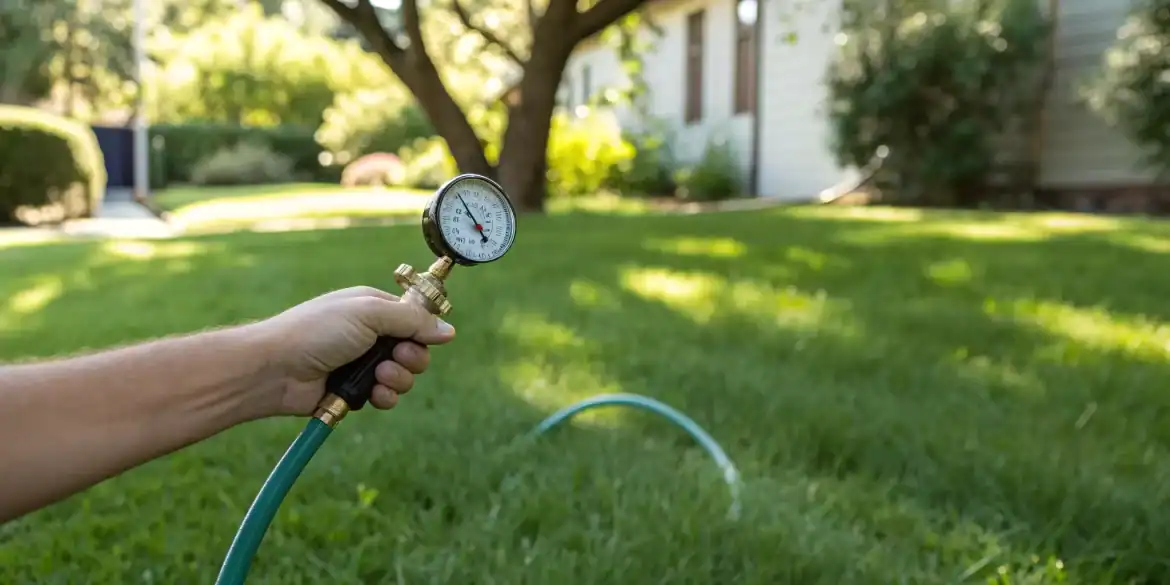
To get started, you’ll need a simple water pressure gauge. You can find one at any local hardware or home improvement store, and they’re usually very affordable, often costing around $10 to $15. This little device is the key to getting an accurate reading of your home’s water pressure, measured in pounds per square inch (PSI). It screws directly onto a faucet, just like a garden hose, making it incredibly easy to use. No need to call in a pro for this part of the investigation—it’s a tool every homeowner can have on hand.
A step-by-step guide to testing your pressure
Once you have your gauge, you’re ready to test. The process is quick and straightforward.
- First, make sure no water is running anywhere in your house. Turn off all faucets, showers, and dishwashers, and ensure the washing machine isn’t in use. This helps you get a static pressure reading, which is the most accurate measure of the baseline pressure in your pipes.
- Next, find an outdoor hose bib (the faucet your garden hose connects to) and screw the pressure gauge on tightly.
- Turn the faucet handle all the way to the “on” position. The needle on the gauge will immediately jump to show your home’s water pressure.
Where to test for the most accurate reading
For the most reliable result, always use an outdoor hose faucet. The best choice is usually the one closest to where the main water line enters your house. Testing here gives you a direct reading of the pressure being supplied to your home before it travels through your internal plumbing system, which can sometimes affect the flow. While you can test indoor faucets, like the one for your washing machine, an outdoor spigot typically provides the truest measurement of your home’s overall water pressure. This reading will be your baseline for figuring out if your pressure is too high, too low, or just right.
What Do Your Water Pressure Readings Mean?
Okay, so you’ve got your reading from the pressure gauge. What does that number actually mean for your home? Your water pressure is measured in PSI, or pounds per square inch, and understanding it is the key to figuring out your next steps. A reading that’s too high or too low isn’t just an inconvenience—it can be a sign of an underlying plumbing issue. Interpreting that number correctly helps you catch small problems before they turn into big, expensive headaches. Let’s break down what to look for.
What’s a normal water pressure reading?
For most homes, a normal water pressure reading falls somewhere between 45 and 80 PSI. This is the sweet spot where your appliances run efficiently and your showers feel just right. If your reading is below 40 PSI, you’ll likely notice the effects—laundry cycles take longer and rinsing shampoo feels like a chore. On the other hand, if your pressure is creeping above 80 PSI, it’s putting constant strain on your entire plumbing system. This excessive force can wear down pipes and fittings, which could lead to leaks over time. Knowing the typical range for most homes helps you identify when your system is operating outside that safe zone.
How to interpret high and low pressure results
A low pressure reading can signal a bigger issue like a partially closed water meter valve, a failing pressure regulator, or even a hidden leak. When the pressure is too low, it can affect all aspects of home life, from washing dishes to flushing the toilet. High water pressure is a more silent problem. You might not notice it until you hear a “water hammer” sound—a loud bang in your pipes when you turn off a faucet. This force can shorten the lifespan of your dishwasher and washing machine and may also lead to surprisingly high utility bills.
When a reading might signal a bigger problem
A sudden drop or spike in your water pressure shouldn’t be ignored. It could be the first warning sign of a more serious issue. For instance, a slow, steady decrease in pressure might indicate a hidden leak that is quietly causing damage behind a wall or under your foundation. If left unaddressed, these small plumbing issues can lead to significant water damage, mold growth, and costly structural repairs. These problems can do more than just drain your wallet; they can also impact your home’s value. Think of your water pressure test as a health check-up for your home’s plumbing. Catching a problem early is the best way to avoid a major disaster.
What Are the Warning Signs of a Pressure Problem?
Sometimes, your home gives you subtle hints that something isn’t quite right long before a major issue occurs. Water pressure problems are a perfect example. You might not think much about a dripping faucet or a slow-filling washing machine, but these can be early warnings from your plumbing system. Paying attention to these signs can help you address a small problem before it leads to a much larger one, like a burst pipe or significant water damage. Learning to recognize the symptoms of both high and low water pressure is a key part of protecting your property.
Telltale signs of low water pressure
Low water pressure is often more of an annoyance than an immediate danger, but it can still signal an underlying issue like a hidden leak or clogged pipes. The signs are usually noticeable in your daily routine. You might find that your shower feels more like a drizzle than a refreshing spray, or your washing machine takes much longer than it used to to fill up. Other common clues include a kitchen sink that produces a weak stream of water, making it difficult to wash dishes, or a toilet that struggles to flush completely. If these experiences sound familiar, it could be a sign that your home’s water pressure has dropped below a healthy level.
Red flags for high water pressure
High water pressure can be more destructive than low pressure because it puts constant strain on your entire plumbing system. One of the most common signs is a “water hammer” effect—a loud banging or knocking sound in your pipes when you turn a faucet on or off quickly. You may also notice constantly dripping faucets or running toilets, as the high pressure can wear out seals and fixtures. If your appliances that use water, like your dishwasher or water heater, seem to fail prematurely, excessive pressure could be the culprit. Keep an eye on your utility bills, too; a sudden or steady increase can sometimes be traced back to the leaks and inefficiencies caused by high pressure.
The impact on your home’s appliances and fixtures
Ignoring water pressure issues can have a real impact on your home and your wallet. Consistently high pressure wears down pipes, joints, and the internal components of your appliances. This ongoing stress can lead to leaks in your walls or ceilings, which can cause serious water damage and create an environment for mold to grow. Over time, these seemingly small plumbing problems can compromise your home’s structural integrity and even affect its value. Addressing pressure irregularities early is one of the best ways to prevent expensive repairs and protect your property from preventable damage.
How to Fix Water Pressure Issues
Once you have your water pressure reading, you can figure out the next steps. The good news is that many pressure problems have straightforward solutions. Whether your pressure is too low for a decent shower or so high it’s putting stress on your pipes, there are ways to get it just right. The key is knowing which fixes you can handle yourself and when it’s time to bring in a professional to protect your home from potential damage.
Solutions for low water pressure
Low water pressure can turn simple tasks like washing dishes or showering into a frustrating chore. Before you assume the worst, many common causes can be addressed with a few simple checks. Start by making sure your home’s main shutoff valve and the valve at the water meter are fully open, as they can sometimes get partially closed by accident. Another easy fix is to check your faucet aerators and showerheads for mineral buildup, which can restrict flow. Unscrewing and cleaning them can often make a surprising difference. If these simple fixes don’t work, the issue could be a hidden leak or a problem with the municipal supply.
How to manage high water pressure
While it might seem like a luxury, water pressure that’s too high (typically over 80 psi) can be a serious problem. It puts constant strain on your entire plumbing system—pipes, fixtures, and appliances like your washing machine and dishwasher—leading to leaks and premature failure. High pressure can also cause noisy pipes and increase your utility bills. The most effective solution is to have a plumber install a pressure regulator on your main water line. This device acts as a control, reducing the pressure from the city’s supply to a safe and consistent level for your home’s plumbing.
When to DIY vs. when to call a professional
Knowing your limits is crucial when dealing with plumbing. Cleaning a clogged showerhead is a great DIY task. However, for more complex issues, calling a professional is the safest bet. If your pressure is consistently high, a licensed plumber should be the one to install a pressure regulator. If you suspect a hidden leak is causing low pressure, a professional has the tools to find it without tearing up your walls. Ignoring persistent plumbing issues can lead to slow leaks, mold growth, and significant water damage over time, which could negatively impact your home’s value and lead to a complicated insurance claim.
What Happens If You Ignore Water Pressure Problems?
It’s easy to write off water pressure issues as a minor annoyance. A weak shower might be frustrating, and a faucet that sprays too hard can be messy, but are they really big deals? The truth is, what seems like a small inconvenience could be a symptom of a much larger problem brewing within your walls. Letting these issues slide can lead to a cascade of problems that are far more serious than a disappointing shower.
Ignoring inconsistent water pressure can put your entire plumbing system at risk. Over time, high pressure can strain your pipes, joints, and appliances, leading to leaks or even catastrophic bursts. On the other hand, low pressure might signal an existing leak you haven’t found yet. These plumbing failures often result in significant water damage to your home’s structure, foundation, and personal belongings. Beyond the costly repairs, you could also face health hazards from mold growth and a decrease in your property’s value. Taking a few minutes to test your water pressure is a proactive step that can save you a lot of money and stress down the road.
The risk of plumbing damage and expensive repairs
Think of your home’s plumbing like its circulatory system. When the pressure is too high, it puts constant stress on every pipe, fixture, and appliance connection. This strain can wear down components prematurely, causing them to fail. A single burst pipe can release gallons of water in minutes, leading to extensive damage. Even small, persistent leaks can be destructive. As one expert notes, ignoring small plumbing issues can cause “water damage, mold, rising utility bills, costly repairs, [and] structural damage.” What starts as a simple pressure problem can quickly escalate into a major renovation project if left unaddressed.
Potential property damage and insurance claims
When a plumbing issue leads to a leak, the damage often extends far beyond the pipes themselves. Water can seep into your drywall, warp your flooring, and ruin your furniture and valuables. This kind of damage isn’t just expensive to fix; it can also impact your home’s long-term value. Potential buyers are often wary of properties with a history of water issues, as signs of past damage can be a major red flag. If you find yourself in this situation, you may need to file an insurance claim to cover the repairs. Navigating the claims process can be complex, especially when trying to get a fair settlement for all the resulting property damage.
Health and safety concerns to consider
The consequences of ignoring water pressure problems aren’t just financial—they can also affect your family’s well-being. The biggest concern is often mold. Wherever there is unchecked moisture from a leak, mold can begin to grow in as little as 24 to 48 hours. Mold spores can compromise your home’s air quality and may lead to respiratory issues, allergies, and other health problems. As plumbing professionals warn, it’s important to act fast to protect your home and health from these hidden dangers. In severe cases, prolonged water exposure can even weaken wooden support beams and other structural elements, creating a serious safety hazard.
Related Articles
- Water Pipe Burst Outside House: What to Do Now – Public Adjuster
- What Happens When a Pipe Bursts Under Your House? – Public Adjuster
- Water Pipe Burst Inside House? Here’s What to Do – Public Adjuster
Frequently Asked Questions
Is high water pressure really a problem? It makes my showers feel great. I get it—a strong shower can feel like a luxury. However, water pressure that’s consistently over 80 psi is putting a lot of stress on your entire plumbing system. Think of it as your pipes and appliances being in a constant state of tension. This ongoing strain can wear out seals, joints, and hoses much faster than normal, which may lead to dripping faucets, running toilets, and even burst pipes. It’s a silent problem that can cause significant damage over time.
How often should I be checking my home’s water pressure? Testing your water pressure is a quick and easy task, so it’s a great habit to add to your annual home maintenance checklist. A yearly check-up is usually enough to catch any slow changes. You might also want to test it any time you notice a change in your water flow, hear new noises in your pipes, or after your utility provider has done work in the neighborhood, as these events can sometimes affect your home’s pressure.
My pressure seems fine in the kitchen but weak in the upstairs shower. What does that mean? This is a common situation, and it usually points to a localized issue rather than a problem with your home’s main water supply. When pressure is low in just one or two spots, the culprit is often a clogged aerator on a faucet or a showerhead blocked with mineral deposits. It could also indicate a clog or a small leak in the specific pipe leading to that fixture. Cleaning the fixture is a great first step, but if that doesn’t solve it, you may need a plumber to investigate that specific water line.
I tried the simple fixes for low pressure and nothing changed. What’s next? If you’ve already checked that your main shutoff valves are fully open and have cleaned your faucet aerators and showerheads, it’s probably time to call in a professional. Persistent low pressure that isn’t fixed by these simple steps could be a sign of a more complex problem, such as a failing pressure regulator, corroded pipes, or even a hidden leak somewhere in your system. A licensed plumber has the right tools to diagnose the root cause safely.
If I do find a leak caused by a pressure issue, what should I do immediately? The first and most important step is to shut off the main water supply to your home to prevent any further damage. Once the water is off, you should safely clean up any standing water and begin documenting the damage by taking photos or videos of the affected area and any damaged belongings. This documentation can be incredibly helpful later on. After you’ve contained the immediate situation, your next call should be to a plumber to fix the source of the leak.