 Proudly Serving the Entire State of Florida

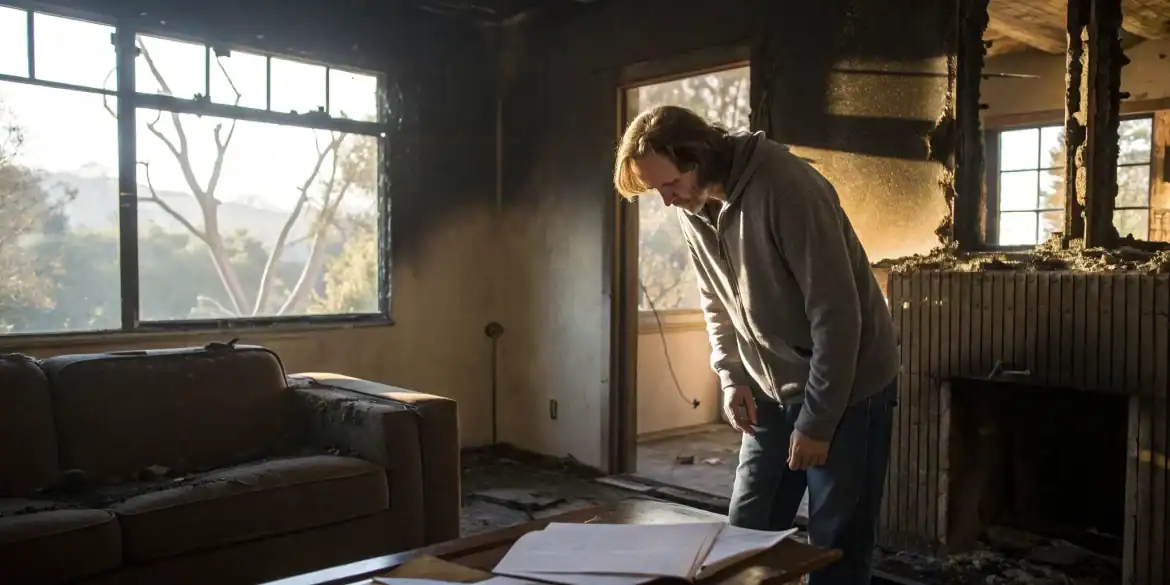
It’s easy to feel powerless when you’re up against a massive insurance company. They have teams of adjusters and lawyers, and you just have the truth of what happened to your property. But a denial letter doesn’t mean they hold all the cards. As a policyholder, you have rights, and there is a formal process for challenging their decision. The key is to shift from feeling like a victim to acting as your own best advocate. This guide is here to help you do just that. We’ll explain what to do if your fire claim is denied, empowering you with the knowledge to build a strong appeal and level the playing field.
Key Takeaways
- Build your case with solid proof: The strength of your appeal lies in your documentation. Methodically collect every relevant piece of information, including your denial letter, policy documents, photos of the damage, and a detailed log of all communications.
- Understand the denial to form your response: A denial letter provides the roadmap for your appeal. Pinpoint the exact reason your claim was rejected and use your evidence to build a calm, factual argument that directly addresses the insurer’s concerns.
- Know when to bring in professional support: You don’t have to face the appeals process by yourself. A public adjuster acts as your advocate, managing the complex negotiations and paperwork to help level the playing field against the insurance company.
Why Was Your Fire Claim Denied?
Getting a denial letter from your insurance company after a fire is a tough blow. You’re already dealing with the emotional and financial stress of the damage, and now you have to fight for the coverage you paid for. It can feel personal, but claim denials often come down to a few common reasons. Understanding why your claim was rejected is the first step toward building a successful appeal. Let’s break down some of the most frequent hurdles property owners face.
Unpacking Policy Exclusions
One of the most common reasons for a denial is that the specific cause of the fire isn’t covered under your policy. Every insurance policy has a section detailing exclusions, which are events or circumstances it won’t pay for. For example, some policies might not cover fires caused by what they term an “act of God” or may have separate stipulations for smoke and water damage that results from firefighting efforts. It’s essential to read through your policy’s fine print to see if an exclusion is the reason for your denial. This language can be dense, but it holds the key to understanding your insurer’s position.
Issues with Maintenance or Policy Rules
An insurance company might also deny your claim if they believe neglect or poor maintenance contributed to the fire. They could argue that the property was not in good condition, pointing to things like old, faulty wiring or unapproved renovations as the underlying cause. In their view, if the fire was preventable through proper upkeep, they may not be obligated to cover the damages. This is why keeping detailed maintenance records can be so important. It helps you show that you’ve been a responsible property owner and that the fire was an unforeseen accident, not the result of negligence.
Problems with Your Paperwork
Sometimes, a denial isn’t about the fire itself but about the claims process. Simple mistakes on your claim forms, missed deadlines, or not providing enough information can be enough for an insurer to reject your claim. Your denial letter should state the specific reason for their decision. If the explanation seems vague, you have the right to ask for clarification. It’s possible the denial is based on a misunderstanding or a lack of sufficient documentation, which you may be able to correct and resubmit as part of your appeal.
Suspicions of Fraud
This is the most serious reason for a denial. If the insurance company suspects the fire was intentionally set—an act of arson—they will deny the claim and may launch a fraud investigation. This is a grave accusation that can arise from inconsistencies in your story, financial difficulties, or other factors that raise red flags for their investigators. If your claim is denied on the grounds of suspected fraud, it’s a clear sign that you need to prepare a strong, evidence-based response. This situation often requires professional help to protect your rights and prove the legitimacy of your claim.
Your Claim Was Denied. What’s Your First Move?
Receiving a denial letter for your fire damage claim can feel like a punch to the gut. After everything you’ve been through, this is the last thing you need. It’s easy to feel overwhelmed or angry, but it’s important to know that a denial is not always the final word. Your first few actions after receiving that letter are critical and can set the stage for a successful appeal. Instead of panicking, take a deep breath. Your best strategy is to be calm, organized, and methodical. Let’s walk through the immediate steps you should take to protect your interests and start building your case.
First, Read Your Denial Letter Carefully
Your first instinct might be to just see the word “denied” and feel defeated, but that letter contains the key to your next move. Read it through, then read it again. The insurance company is required to provide a specific reason for their decision. Is it because they believe the damage isn’t covered under your policy? Or maybe they found an issue with your paperwork?
Grab a highlighter and mark the exact explanation they give. Then, pull out your full insurance policy and compare the two. The insurer’s reasoning should point to a specific clause or exclusion. Understanding their argument is the first step in figuring out how to counter it. This isn’t about looking for a fight; it’s about gathering the facts you need to move forward.
Ask Your Insurer for Details
If the denial letter is vague or you don’t fully understand the reasoning, your next step is to contact your insurance company. Call your claims adjuster or the representative assigned to your case and politely ask for clarification. You have every right to understand exactly why your claim was rejected.
Come prepared with specific questions, such as, “Can you please show me where in my policy this exclusion is listed?” or “What specific information was missing from my claim submission?” A calm and professional conversation can sometimes clear up misunderstandings. This call is also an important part of your documentation process, which brings us to our next point.
Keep a Record of Every Conversation
From this moment on, documentation is your best friend. Create a dedicated notebook or a digital file to track every single interaction you have regarding your claim. For every phone call, write down the date, the time, the name of the person you spoke with, and a summary of what was discussed. If you communicate via email, save every message in a specific folder.
This detailed log creates a clear timeline of your efforts and holds everyone accountable. It can be invaluable if you need to escalate your appeal. Having a public adjuster on your side can also help you manage these communications and ensure every detail is properly recorded, taking some of that pressure off your shoulders.
What Not to Do Right Away
It’s completely understandable to feel frustrated, but acting on that emotion right away can hurt your chances of a successful appeal. Avoid firing off an angry email or making a heated phone call. A confrontational approach can put the insurance company on the defensive and may make them less willing to reconsider your claim.
Instead of reacting, take a moment to organize. Write down the date you received the denial, the official reasons they provided, and any claim or reference numbers. Taking this small step shifts your focus from emotion to action. A measured, strategic response is far more effective than an emotional one.
How to Build a Strong Case for Your Appeal
A denial isn’t the end of the road, but turning it around requires a strong, evidence-based appeal. Think of yourself as building a case. Your goal is to present a clear, compelling story backed by indisputable facts. The more organized and thorough you are, the harder it will be for your insurer to stand by their initial decision. It’s about methodically gathering every piece of proof that supports your claim and presenting it in a way that leaves little room for doubt. This process can feel overwhelming, but breaking it down into manageable steps makes it much more approachable. Let’s walk through exactly what you’ll need to collect to build the strongest case possible.
Gather These Key Documents
This is where your inner organizer gets to shine. Your appeal needs a solid paper trail, so start collecting every relevant document. This includes the original denial letter, your complete insurance policy, and all correspondence you’ve had with your insurer. You’ll also want to find any receipts for immediate repairs you had to make, like boarding up windows, and gather detailed estimates from contractors for the full scope of the work. If a police or fire report was filed, get a copy of that as well. These documents form the foundation of your appeal, so keeping them all together in one place, whether in a physical folder or a digital one, will make the process much smoother.
Get a Professional Assessment
Your insurance company had its adjuster assess the damage, and now it’s your turn to get a second opinion. An independent assessment from a qualified professional—like a contractor, engineer, or public adjuster—can provide a more accurate and unbiased view of your losses. These experts work for you, not the insurance company. A public adjuster, for example, can conduct a detailed inspection, document damages your insurer may have overlooked, and provide an expert estimate for repairs. This independent evaluation can be one of the most powerful tools in your appeal, offering a credible counterpoint to the insurer’s findings and showing you’ve done your due diligence.
Take Photos and Videos
Visual evidence is incredibly persuasive. If you haven’t already, take extensive photos and videos of all the damage. Don’t just focus on the obvious; capture the smaller details, too. Get shots from different angles, distances, and at different times of day if the lighting helps show the damage more clearly. Make sure your photos are time-stamped, or keep a log of when each picture was taken. This creates a visual timeline that can be difficult for an insurance company to dispute. Your phone is a powerful tool here, so use it to create a comprehensive visual record of your property’s condition before any non-emergency cleanup or repairs begin.
Collect Official Reports and Witness Statements
Beyond your own documentation, official reports can add a significant layer of credibility to your case. Make sure you have a copy of the official report from the fire department, as it contains crucial details about the incident. If the police were involved, their report is also essential. Did any neighbors or first responders see what happened? A written statement from a witness can help corroborate your version of events. Having an expert on your side can also help you manage the entire process of gathering these documents and ensuring nothing gets missed. These third-party accounts provide objective evidence that strengthens your position and supports your claim.
What Does the Appeal Process Look Like?
Once you’ve gathered your evidence and have a clear understanding of why the claim was denied, it’s time to formally appeal the decision. This process can feel intimidating, but it’s a structured path you can follow. Think of it as presenting your case in a clear, organized, and professional way. The goal is to make it as easy as possible for the insurance company to see the situation from your perspective and reconsider its initial decision. Staying organized and paying close attention to the details here can make a significant difference in the outcome.
Know Your Appeal Deadlines
Time is of the essence when you’re appealing a denied claim. Most insurance companies have strict deadlines for submitting an appeal, which could be anywhere from 30 to 180 days after you receive the denial letter. This isn’t a date you want to miss, as it could mean losing your right to contest the decision. Check your denial letter and your policy documents carefully to find the exact deadline. Mark it on your calendar and give yourself plenty of time to prepare a thorough appeal package. If you’re unsure about the rules in your area, you can always check with your state’s insurance department for guidance on typical timelines and consumer rights.
How to Write Your Appeal Letter
Your appeal letter is the centerpiece of your response. It should be a formal, factual letter that clearly explains why you believe the denial was incorrect. Start by including your name, address, policy number, and claim number. State that you are appealing the denial of your claim and reference the date of the denial letter. Then, calmly and logically lay out your arguments, point by point. Refer to specific language in your policy and the evidence you’ve collected to support your position. Keep your tone professional and avoid emotional language—the goal is to stick to the facts to build a compelling case for why the decision should be overturned.
What to Include in Your Appeal
Your letter alone isn’t enough; you need to back it up with solid proof. This is where all the documentation you’ve gathered comes into play. Create a comprehensive package that includes your appeal letter along with copies of everything that supports your claim. This could include the original claim documents, the denial letter, photos and videos of the damage, repair estimates from contractors, official fire or police reports, and any correspondence you’ve had with the insurer. Having an experienced team review your documents can help ensure you haven’t missed anything crucial before you submit your appeal.
Submit All Your Paperwork
After you’ve written your letter and compiled all your supporting documents, make copies of the entire package for your own records. It’s a good practice to send the appeal via certified mail with a return receipt requested. This gives you proof that the insurance company received your appeal and on what date. Double-check that you are sending it to the correct department and address listed in your denial letter or policy documents. Submitting a complete and organized package shows the insurer you are serious and helps streamline the review process on their end, potentially leading to a faster and more favorable response.
How to Communicate During Your Appeal
How you communicate with your insurance company during the appeal process can make a significant difference. It’s easy to let frustration take over, but maintaining a clear, professional, and organized approach will serve you best. Think of it as building a case—every piece of communication is a building block. Your goal is to be firm and persistent while keeping the conversation productive. This means being prepared for every phone call and putting everything important in writing. Let’s walk through a few key strategies to help you manage these conversations effectively and keep your appeal on the right track.
Keep Your Communication Professional
I know receiving a denial can be incredibly upsetting, but it’s important to keep your emotions in check when speaking with your insurance company. A calm and professional tone is always more effective. When you first get the denial, take a moment to breathe. Then, grab a notebook and write down the date you received the letter, the specific reasons they gave for the denial, and any claim or reference numbers. Having this information handy will help you stay focused and factual in your conversations. When you call or write, stick to the facts of your claim and avoid placing blame. A business-like approach shows them you’re serious and organized, which can make them more likely to reconsider your case.
Document Every Interaction
Creating a paper trail is one of the most powerful things you can do during an appeal. Keep a detailed log of every single interaction you have with the insurance company. For phone calls, note the date, time, the name and title of the person you spoke with, and a summary of what was discussed. If you send an email, save a copy. If you mail a letter, send it via certified mail to get a receipt. This meticulous record-keeping does two things: it helps you remember important details, and it serves as evidence if there are any disputes later on. The team at PA Joe knows that thorough documentation is a cornerstone of a successful claim appeal.
Know When to Escalate
If you’re not making progress with the claims representative you’ve been assigned, don’t be afraid to escalate the issue. It’s perfectly reasonable to ask to speak with their supervisor or a manager. Sometimes, the person you’re dealing with may not have the authority to approve your appeal, and moving up the chain of command is a necessary step. When you do escalate, calmly explain the situation and why you believe your claim was wrongly denied. Always ask for their decision or response in writing. This ensures there is no miscommunication and that you have a clear record of their position. If you find yourself hitting a wall at every level, it might be a sign that you need professional support.
How to Follow Up on Your Appeal
After you’ve submitted your appeal letter and supporting documents, the waiting game begins. However, you shouldn’t just sit back and hope for the best. It’s important to follow up. Give the insurance company a reasonable amount of time to review your appeal, perhaps a couple of weeks, and then send a polite follow-up email or letter. In your message, reference your claim number and the date you submitted your appeal, and simply ask for an update on its status. Consistent, professional follow-up shows that you are on top of your claim and expect a response. This persistence can be key, whether you’re dealing with a fire claim or another issue like water damage.
When Is It Time to Call for Backup?
If you’ve followed all the steps and still feel like you’re hitting a wall, it might be time to bring in a professional. Going up against a large insurance company on your own can be an exhausting and overwhelming process. They have teams of experts working to protect their interests, and it’s only fair that you have an expert on your side, too. A professional can help you organize your evidence, communicate effectively with the insurer, and handle the complex negotiations. Knowing when to ask for help is a crucial step in turning a denied claim into an approved one. It’s not about giving up; it’s about gearing up with the right support to see your claim through to a fair resolution.
Why Hire a Public Adjuster?
Think of a public adjuster as your personal advocate in the insurance claim process. While the insurance company has its own adjuster working to protect its financial interests, a public adjuster works directly for you, the policyholder. We understand the fine print in your policy, know how to accurately document fire damage, and have years of experience negotiating with insurance carriers. We handle the phone calls, paperwork, and meetings so you can focus on getting your life back to normal. Bringing in a professional early can make a significant difference in the outcome of your appeal by ensuring your case is presented clearly, accurately, and persuasively from the start.
Our No Win, No Fee Promise
One of the biggest worries for homeowners dealing with a denied claim is the cost of hiring professional help. That’s why we operate on a “no win, no fee” basis. This means you pay absolutely nothing upfront. We only receive a fee if we successfully get your claim paid. It’s part of our commitment to putting property owners first. This approach removes the financial risk for you and aligns our goals directly with yours. We are fully invested in securing the fair settlement you deserve because our success is tied to your success. You can get expert representation without worrying about out-of-pocket expenses during an already stressful time.
When to Speak with an Attorney
While a public adjuster is your go-to expert for managing and negotiating your claim, there are situations where you might need a lawyer. If your insurer is suspected of acting in “bad faith”—meaning they are intentionally using deceptive or unfair practices to avoid paying your claim—it may be time to seek legal counsel. An attorney can take legal action on your behalf. Typically, you would work with a public adjuster first to build the strongest possible claim and exhaust the appeals process. If the situation escalates to a legal dispute, the detailed evidence and documentation we’ve compiled will become an invaluable asset for your attorney.
What Are Your Other Options?
If you’ve gone through the appeal process and still feel like you’re hitting a wall, don’t lose hope. There are other paths you can take when you believe your insurance company isn’t treating you fairly. These options involve bringing in outside parties to review your case and help you reach a resolution. It’s about understanding your rights as a policyholder and knowing who to turn to when the conversation with your insurer stalls. Exploring these avenues can provide a fresh perspective on your claim and may help you secure the settlement you deserve for your property’s fire damage. This is especially true when you suspect the denial isn’t just a simple disagreement over the facts, but a sign of a deeper issue with how your claim was handled.
What Is Insurance “Bad Faith”?
Sometimes, a claim denial feels like more than just a disagreement; it can feel fundamentally unfair. This is where the concept of “insurance bad faith” comes in. It happens when an insurance company fails to uphold its end of the bargain by handling your claim dishonestly or unfairly. Signs of bad faith could include dragging out the process without a good reason, offering you a settlement that’s far below what your damages are worth, or denying your claim without a clear, valid explanation. If this sounds familiar, you may be dealing with more than just a simple denial. Understanding your rights under Florida’s bad faith laws is a critical step.
File a Complaint with the State
You don’t have to fight this battle alone. Every state has a department that oversees insurance companies, and in Florida, you can turn to them for help. If you believe your insurer has handled your claim improperly, you have the right to file a formal complaint with the Florida Department of Financial Services. This action escalates your issue beyond the insurance company, bringing in a state-level regulatory body to review your situation. Filing a complaint can put pressure on your insurer to reconsider their decision and handle your claim with the fairness and attention it requires. It’s a powerful step that costs you nothing but your time.
Consider Mediation or Legal Action
When you suspect your claim was denied in bad faith or your appeal has been exhausted without a fair outcome, it might be time to explore more formal resolutions. Mediation is one option, where a neutral third party helps you and your insurer try to reach an agreement. If that doesn’t work, or if the situation is particularly serious, you may need to consider legal action. Consulting with an attorney who specializes in insurance disputes can give you a clear understanding of your legal standing. They can help you with the complexities of suing your insurance provider and fight for the compensation you’re entitled to.
How to Protect Yourself from Future Denials
Going through a denied claim is stressful, and it’s not something you want to repeat. While you can’t control every outcome, you can take proactive steps to put yourself in a much stronger position for any future claims. Think of it as setting yourself up for success. By being prepared and organized, you can make the process smoother and reduce the chances of hitting the same roadblocks again. A little preparation now can save you a lot of headaches later.
Review Your Policy Regularly
Your insurance policy is your rulebook, and it’s a good idea to know what it says before you need it. Take some time each year, maybe when your policy renews, to read through it. Policies can change, so it’s smart to stay updated. Pay close attention to what’s covered, what’s excluded, and the amount of your deductible. Policies often have specific rules about things they won’t cover, and knowing these limitations ahead of time can help you avoid surprises. If anything is unclear, don’t hesitate to ask your insurance agent for a clear explanation. Understanding your coverage is the first step toward a successful claim.
Keep Up with Maintenance and Records
Insurance companies expect you to take reasonable care of your property. Regular maintenance is key. This means keeping things like smoke detectors, fire extinguishers, and sprinkler systems in good working order. Just as important is keeping detailed records. Create an inventory of your belongings with photos or videos, and store receipts for major purchases in a safe place, like a cloud drive. Documenting your property’s condition and your maintenance efforts shows that you’re a responsible property owner, which can be a significant factor during the claims process. Keeping a file of invoices from contractors for any repairs also helps build a strong history of upkeep.
Maintain a Good Relationship with Your Insurer
Clear and timely communication can make a world of difference. Try to stay in touch with your insurance company and respond to their requests as quickly as you can. If you have an insurance broker, they can often help you understand the process and communicate on your behalf. Building a positive communication history can be helpful. Of course, if you feel the conversation is becoming difficult or unproductive, that’s a sign it might be time to bring in an advocate. A public adjuster can step in to manage those conversations and ensure your interests are represented fairly.
Related Articles
- Denied Fire Damage Claim? Here’s What You Can Do – Public Adjuster
- The House Fire Insurance Claim Process Explained – Public Adjuster
Frequently Asked Questions
How long does the appeal process typically take? The timeline for an appeal can vary quite a bit. The length often depends on the complexity of your claim and how quickly the insurance company responds to your submission. It could be resolved in a matter of weeks, or it might take several months to reach a final decision. Staying organized and consistently following up can help keep the process moving forward without unnecessary delays.
Can I start making repairs while my claim is under appeal? This is a great question. You should absolutely make any temporary, emergency repairs needed to prevent further damage, like covering a hole in the roof or boarding up a broken window. However, for larger, non-emergency repairs, it’s often wise to hold off until your appeal is settled. Starting major work could make it difficult for the insurer to assess the original damage, which might complicate your case. Be sure to take photos of everything and keep all your receipts for any immediate fixes you have to make.
What’s the real difference between my insurance company’s adjuster and a public adjuster? The main difference comes down to who they represent. The adjuster sent by your insurance company works for them, and their primary responsibility is to assess the damage according to their company’s guidelines and financial interests. A public adjuster, on the other hand, works directly for you. Our job is to be your advocate, ensuring your damages are thoroughly documented and your claim is presented in the strongest possible way to secure the fair settlement you’re entitled to.
I’m worried about the cost. How does a public adjuster get paid? That’s a completely understandable concern, especially when you’re already dealing with financial stress. We operate on a contingency fee basis, which is sometimes called a “no win, no fee” promise. This means you don’t pay anything upfront for our services. Our fee is a pre-agreed percentage of the insurance settlement we successfully recover for you. If we aren’t able to win your appeal and get you paid, you owe us nothing.
What if I’ve already missed my appeal deadline? Missing a deadline can feel like a major setback, but it might not be the end of the road. Depending on your specific policy and the regulations in your state, there could still be a path forward. The most important thing to do is to seek professional advice immediately. A public adjuster can review your case and policy to determine if there are any other options available to help you contest the denial.