 Proudly Serving the Entire State of Florida

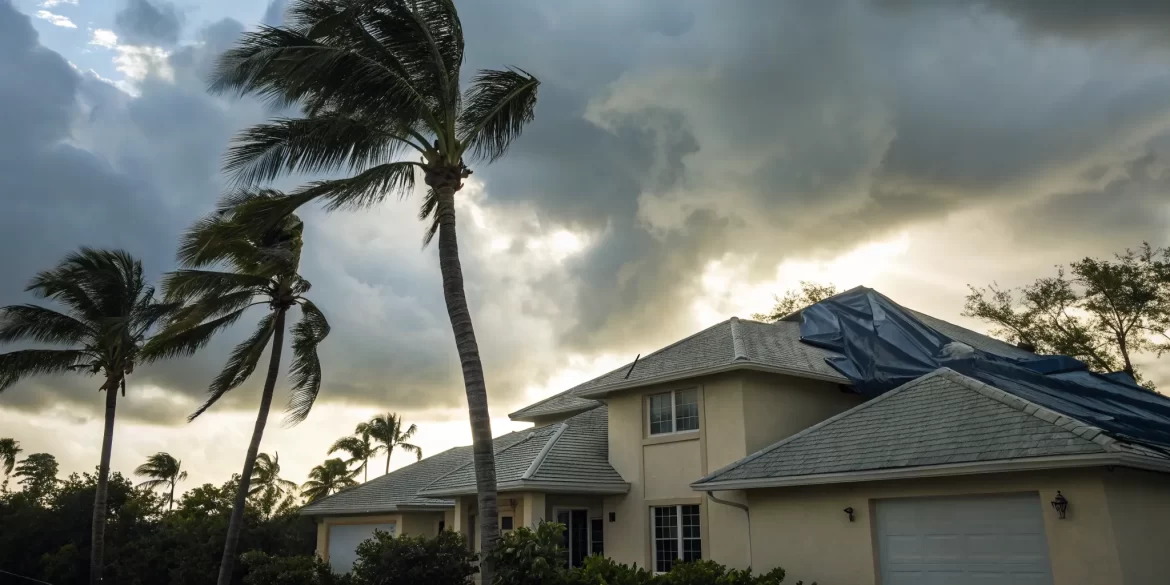
When you’re dealing with the stress of a damaged home, it’s easy to make a small misstep that could have big consequences for your insurance settlement. From cleaning up too quickly before documenting the damage to accepting the first lowball offer from your insurer, many property owners unknowingly weaken their own case. The insurance company handles claims every day; you don’t. This guide is here to level the playing field. We’ll highlight the most common mistakes people make when filing a wind damage claim and provide clear, actionable advice on how to avoid them, ensuring you’re in the strongest possible position to get the funds you need.
Key Takeaways
- Document Everything Before You Clean Anything: The success of your claim often hinges on the proof you gather immediately after a storm. Use your phone to take extensive photos and videos, create a detailed list of all damaged items, and save receipts from any temporary repairs you make.
- Your Wind Deductible Directly Impacts Your Payout: Many Florida policies have a separate, percentage-based deductible for wind damage that can be significantly higher than your standard one. Knowing this amount beforehand helps you understand your potential out-of-pocket costs and what to expect from a settlement.
- An Unfair Offer Isn’t the Final Word: If your claim is denied or the initial settlement offer seems too low, you have options. A public adjuster can review your claim, challenge the insurance company’s assessment, and negotiate on your behalf for the full amount needed to cover your repairs.
What Wind Damage Does Homeowners Insurance Typically Cover?
After a severe storm, looking at the damage to your home can feel overwhelming. The first question that usually comes to mind is, “Will my insurance cover this?” For wind damage, the answer is typically yes. Most standard homeowners insurance policies provide coverage for damage caused directly by wind, whether it’s from a hurricane, a tornado, or a powerful thunderstorm. However, the specifics of what is covered, and how much your policy will pay, can vary quite a bit depending on your individual plan.
Understanding your policy is the first step toward a successful claim. Your coverage is generally broken down into a few key areas, primarily protecting your home’s physical structure and the personal belongings inside. It’s important to remember that policies can have specific exclusions or separate deductibles, especially here in Florida where hurricanes are a major concern. Getting familiar with these details before you need them can make the claims process much smoother. Our team of experts helps homeowners sort through this kind of policy language every single day, ensuring they understand their rights and what they’re entitled to. The process doesn’t have to be confusing, and knowing what to expect can give you peace of mind as you start to recover.
Understanding Covered Wind Events
Your insurance policy likely doesn’t name specific types of storms. Instead, it covers damage from the wind itself, regardless of whether it came from a hurricane, tornado, or a severe thunderstorm. If high winds are the direct cause of the damage, your policy should respond. This could include a tree falling on your house, shingles being torn off the roof, or siding being ripped away. In Florida, it’s common for policies to have a separate, higher deductible for “named storms,” so be sure to check your documents for a hurricane or named storm deductible. This is a critical detail that can significantly impact your out-of-pocket costs.
Protecting Your Home’s Structure
This part of your policy, often called “dwelling coverage,” is designed to repair or rebuild the physical structure of your house. It typically helps pay to fix or replace essential parts of your home that have been damaged by wind. This includes major components like your roof, siding, and windows. It may also cover damage to your gutters, doors, and even attached structures like a garage or a porch. The goal of this coverage is to return your home to the condition it was in before the storm, based on the limits and terms outlined in your policy. It’s the core of your protection against storm damage.
Covering Your Personal Belongings
Wind damage often goes beyond the structure of your home. If a window breaks or part of the roof is torn off, the wind and rain can damage your possessions inside. This is where your “personal property coverage” comes into play. This coverage can help you repair or replace items like furniture, electronics, clothing, and other belongings. It’s a good practice to maintain a detailed home inventory with photos and receipts, as this will make it much easier to file a claim for your damaged items and show proof of their value. Having this ready can really streamline the process when you’re already dealing with so much.
What Are the First Steps to Take After Wind Damage?
Dealing with the aftermath of a storm can feel overwhelming, but taking a few clear, immediate steps can make a huge difference. Before you even think about filing an insurance claim, your focus should be on safety and preventing any further harm to your property. Acting quickly and methodically in these first few hours sets the foundation for a smoother claims process down the road. Think of these actions as your essential first response—they protect you, your family, and your investment. By tackling these priorities one by one, you can bring a sense of order to a chaotic situation and ensure you’re prepared for what comes next.
Put Safety First
Before you start assessing the damage, your absolute first priority is to make sure everyone is safe. Check for immediate hazards like downed power lines, gas leaks, or structural instability. If you have any doubts about the safety of your property, it’s best to stay out until a professional can give you the all-clear. Walk around the exterior of your home carefully, keeping an eye out for fallen branches, broken glass, or other debris. Only after you’ve confirmed that the area is secure should you begin to think about the property itself. Your well-being is far more important than any possession, so don’t take any unnecessary risks.
Make Temporary, Emergency Repairs
Once it’s safe, your next step is to prevent the existing damage from getting worse. This is often called “mitigating your damages,” and it’s something your insurance policy likely requires. This could mean covering a hole in your roof with a tarp to stop rain from getting in or boarding up a broken window to secure your home. These are temporary fixes, not permanent solutions. It’s crucial that you don’t start major repairs before your insurance adjuster has inspected the property. Taking these small, protective steps can help prevent additional issues like water damage and shows the insurance company you’re being responsible. Be sure to keep all receipts for any materials you buy for these repairs.
Start Documenting the Damage Immediately
As soon as you can do so safely, begin documenting everything. This evidence is the cornerstone of your insurance claim. Use your phone to take plenty of photos and videos of all the damage, both inside and outside your property. Capture wide shots to show the overall scene and close-ups to detail specific issues like missing shingles, dented siding, or cracked windows. Don’t forget to document any damage to your personal belongings. In addition to photos, start a running list of everything that was damaged or destroyed. The more detailed your documentation is, the stronger your position will be when you file your claim. Having an expert on your side can make this process much easier, which is why many property owners choose to work with a public adjuster.
How Do You Properly Document Wind Damage for a Claim?
After a storm, your priority is safety. But once the immediate danger has passed, your focus should shift to documenting the damage. Think of this as gathering evidence to build your case. The photos, lists, and receipts you collect are the foundation of your insurance claim, providing clear proof of your losses. A strong, well-documented claim is much harder for an insurance company to dispute or underpay.
This process can feel like a lot to handle, especially when you’re already stressed about the damage to your home or business. But taking a methodical approach right from the start can make a significant difference in the outcome of your claim. Every detail you capture helps tell the complete story of what happened. Wind damage can often lead to hidden problems, like water damage from a compromised roof, so being thorough is key. By carefully recording everything, you create a clear record that supports your right to a fair settlement and helps ensure you have the resources you need to make proper repairs.
Tips for Taking Clear Photos and Videos
Your phone’s camera is one of the most powerful tools you have right now. Start by taking wide shots of your property from the street to show the overall scene. Then, move closer to capture specific points of damage. Get photos of missing shingles, dented siding, broken windows, and fallen trees or branches on your structures. Don’t forget to take pictures from multiple angles—what’s not visible from one side might be clear from another. Videos are also incredibly helpful. A slow video walkthrough of both the exterior and interior of your property can show the full extent of the damage and how one issue leads to another, like a roof leak causing a ceiling stain inside.
Create a Detailed Inventory of Damaged Items
Next, it’s time to make a list of everything that was damaged, both inside and out. Go room by room and be as specific as possible. For each item, write down a description, the brand (if you know it), its approximate age, and what you originally paid for it. For example, instead of just writing “damaged TV,” write “Samsung 55-inch 4K Smart TV, 3 years old, purchased for $700.” If you have original receipts or photos of the items from before the storm, gather those as well. This detailed inventory will be essential for calculating the value of your personal property loss and ensuring nothing gets overlooked when it’s time to file.
Keep All Receipts and Important Paperwork
Your claim documentation goes beyond photos and lists. It’s crucial to keep a paper trail of every expense related to the wind damage. This includes receipts for any temporary repairs you had to make, like buying a tarp to cover your roof or boarding up a broken window to prevent further damage. You should also start a communication log. In a simple notebook or a digital file, jot down the date, time, and notes from every conversation you have with your insurance company. Having a dedicated professional from a firm like PA Joe on your side can help manage this process, but keeping your own organized records from day one will always strengthen your position.
What Common Hurdles Can You Expect with a Wind Claim?
Filing a wind damage claim seems like it should be a straightforward process, but property owners can run into a few common roadblocks. Insurance policies are complex documents, and the claims process has many steps where things can get complicated. Knowing what to watch for can help you feel more prepared to handle these challenges. From initial denials and disputes over the cause of damage to low settlement offers, being aware of these potential hurdles is the first step in successfully managing your claim.
Dealing with Claim Denials or Exclusions
Receiving a denial letter from your insurance company can be disheartening, but it may not be the end of the road. Insurers might deny claims for several reasons, such as feeling there was insufficient evidence of the damage, the claim being filed too late, or specific exclusions written into your policy. For example, your policy might cover damage from a wind-driven tree branch but exclude damage from a flood surge that happened during the same storm. It’s important to read the denial letter carefully to understand the specific reason. If you believe the denial is unfair, you have the right to dispute it with expert assistance.
Handling Wind vs. Water Damage Disputes
In Florida, storms often bring both high winds and heavy rain, leading to one of the most common disputes: was the damage caused by wind or water? Most standard homeowners policies cover wind damage, but they typically exclude flood damage, which requires a separate policy. An insurer might argue that water entered your home from the ground up (flooding) rather than through a roof damaged by wind (windstorm damage). This distinction is critical and can determine whether your claim is covered. The source of the water damage is a key factor that will be investigated, and it can significantly impact your claim’s outcome.
Responding to Low Settlement Offers
After your insurer assesses the damage, they will present a settlement offer. It’s tempting to accept the first offer just to get the process over with, but this initial amount may not be enough to cover all your repair costs. Insurers may underestimate the scope of work or the price of materials and labor. Before you accept, get your own estimates from trusted contractors to compare. If the offer seems too low, you don’t have to take it. This is often the point where a professional can step in to review your claim, assess the true cost of damages, and negotiate on your behalf for a fair settlement.
Why Is It Crucial to Understand Your Wind Deductible?
When you’re looking at your homeowners insurance policy, it’s easy to gloss over the details. But one detail you can’t afford to miss is your wind deductible. Understanding this part of your policy is so important because it directly determines how much you’ll pay out of pocket if your home sustains wind damage. Many insurance policies have a special deductible just for wind-related events, and it’s often different from your standard deductible for things like fire or theft.
The amount you’re responsible for can also change depending on the type of storm. For example, the deductible for damage from a hurricane might be completely different from the one for a standard windstorm. Knowing this distinction ahead of time can save you from major financial surprises when you file a claim. It’s one of the most critical pieces of information you need to be familiar with as a property owner, especially in a place like Florida where high winds are a regular concern. Taking a few minutes to review this now can make a world of difference later.
How Percentage-Based Deductibles Work
Unlike a standard deductible that’s a fixed dollar amount, wind deductibles are often calculated as a percentage of your home’s total insured value. This percentage typically falls somewhere between 1% and 5%. So, instead of being based on the cost of the repairs, your deductible is based on how much your home is insured for. For instance, if your home is insured for $400,000 and you have a 2% wind deductible, you would be responsible for the first $8,000 of the repair costs. This can be a significant out-of-pocket expense to plan for.
A Look at Florida’s Named Storm Deductibles
Living in Florida means dealing with a unique type of coverage: the named storm deductible. Many local insurance policies include separate named storm deductibles that only apply to damage caused by a storm officially named by the U.S. National Weather Service, like a hurricane or tropical storm. This deductible is often higher than your standard hurricane deductible and is a key detail to be aware of during storm season. Understanding when this specific deductible kicks in is crucial for managing your financial expectations and responsibilities when a major storm is on the horizon.
How Your Deductible Affects Your Payout
Ultimately, the structure of your deductible has a major impact on the final payout you receive from your insurance company. In areas prone to severe weather, it’s common for policies to feature a higher windstorm deductible compared to other types of damage. This means that if your property suffers significant wind damage, you may have to cover a larger portion of the repair costs yourself before your insurance coverage begins to pay. Knowing this amount helps you budget for potential repairs and gives you a clearer picture of what to expect from your settlement.
When Should You Call a Public Adjuster for a Wind Damage Claim?
After a storm, your first instinct might be to call your insurance company. While you can handle minor claims on your own, some situations are too complex or high-stakes to manage alone. This is where a public adjuster can be a crucial partner. Unlike the adjuster sent by your insurer, a public adjuster is an independent professional you hire to work exclusively for you. They manage the entire claims process—from inspection to negotiation—to ensure your interests are represented. Knowing when to bring in an expert can be the difference between a stressful, drawn-out process and a fair settlement that allows you to properly repair your home.
If the Damage is Severe or Complex
When you’re facing extensive damage, the claims process can become incredibly intricate. We’re not just talking about a few missing shingles; we’re talking about major roof damage, structural compromises, or widespread water intrusion from wind-driven rain. In these cases, a public adjuster can help you navigate the complexities of your claim. They have the expertise to identify hidden damage that an untrained eye might miss, ensuring every detail is properly documented and valued. An expert on your side can make sure the full scope of your loss is accounted for, preventing future surprises and helping you secure the funds needed for a complete restoration.
When Your Claim is Disputed or Denied
Receiving a denial letter or a settlement offer that feels far too low can be incredibly disheartening. Insurance companies may deny claims for many reasons, from citing policy exclusions to arguing there’s insufficient evidence of the damage. This is not always the end of the road. A public adjuster can be invaluable if your claim is disputed, underpaid, or denied. They have the expertise to thoroughly review your policy, assess the insurer’s reasoning, and challenge their decision with a well-documented counter-argument. They can even help re-open a denied claim to fight for the fair settlement you are entitled to.
How PA Joe’s “No Win, No Fee” Policy Helps
Many property owners hesitate to hire professional help because they’re worried about the cost, especially when they’re already facing expensive repairs. We understand that concern completely, which is why we operate on a “no win, no fee” basis. This policy means you pay absolutely nothing upfront. We only receive a fee if we successfully recover money for you from the insurance company. This approach makes our services accessible and completely risk-free. It also aligns our goals directly with yours—we are motivated to work tirelessly to secure the maximum possible settlement for your wind damage claim.
How Long Will the Wind Damage Claim Process Take?
After you’ve filed a wind damage claim, the waiting game begins. It’s completely understandable to feel anxious and wonder when you’ll get the funds you need to start rebuilding. While there’s no magic number for how long the process will take, understanding the typical timeline and potential roadblocks can help you set realistic expectations. The duration can range from a few weeks to several months, depending on a few key variables.
The complexity of the damage is a major factor. A few missing shingles will likely be a much quicker process than a claim involving major structural damage. The responsiveness of your insurance company also plays a huge role. During busy periods, like after a major hurricane, adjusters are often overwhelmed, which can slow everything down. Your own preparedness—how quickly and thoroughly you provide documentation—can also influence the speed of your settlement.
Setting a Realistic Timeline
One of the most common questions we hear is, “How long will this take?” The honest answer is: it varies. The Florida hurricane insurance claims process isn’t one-size-fits-all. A straightforward claim might be resolved in a matter of weeks, while a more complex one could stretch on for months. The best approach is to be proactive from the very beginning. Responding promptly to requests from your insurance company and providing them with clear, organized documentation can help keep your claim moving forward. Setting a realistic timeline means preparing for potential waiting periods while doing everything in your power to prevent unnecessary delays.
What Factors Can Slow Down Your Claim?
Several issues can pump the brakes on your claim. Extensive documentation requirements, back-and-forth negotiations over the scope of damage, and disputes about your policy’s coverage can all add time. Many wind damage claims get delayed when an insurance company argues that the evidence provided is insufficient, leading to a drawn-out negotiation process. In Florida, another common complication is the named storm deductible. If your damage is from a hurricane or tropical storm, determining how this separate, often higher, deductible applies can add another layer of complexity and slow down your final settlement.
What Common Mistakes Can Weaken Your Wind Damage Claim?
Filing a wind damage claim can feel overwhelming, and it’s easy to make a small mistake that could cost you later. Your insurance company handles claims every day, but this is likely your first time dealing with significant property damage. Understanding a few common pitfalls can make a huge difference in the outcome of your claim, helping you secure the funds you need for a full recovery. Let’s walk through the most frequent missteps homeowners make and how you can steer clear of them. By being proactive and informed, you can present a strong, clear case to your insurer from the very beginning.
Avoid Simple Documentation Errors
Think of yourself as a detective building a case—your evidence is everything. One of the most common mistakes is not documenting the damage thoroughly enough. Before you clean up or move anything, grab your phone. Take clear photos and videos of all the damage from every possible angle, both inside and outside your home. Get wide shots to show the context and close-ups to capture details. Make a detailed list of every single item that was damaged or destroyed, from your roof shingles to your living room furniture. If you make any temporary repairs to prevent further damage, like putting a tarp on your roof, be sure to keep every receipt. This paperwork is crucial for proving your losses.
Don’t Delay Reporting the Damage
When you’re dealing with the aftermath of a storm, calling your insurance company might not be the first thing on your mind. However, waiting too long to report the damage can seriously weaken your claim. Most insurance policies require you to provide “prompt notice” of any loss. If you delay, the insurance company could argue that the damage worsened over time due to your inaction. This could give them grounds to reduce your payout or even deny the claim altogether. As soon as you and your family are safe and you’ve assessed the immediate situation, make the call. Reporting the damage quickly starts the official process and shows you’re taking your responsibilities as a policyholder seriously.
Think Twice Before Accepting a Quick Settlement
It can be tempting to accept the first settlement offer your insurance company presents. You want to get the repairs started and move on with your life. But that initial offer is often much lower than what you’re actually owed. Insurance adjusters are trained to minimize payouts, and their first offer may not account for hidden damage or the true cost of materials and labor in your area. If an offer seems too low or your claim is denied, don’t lose hope. This is often the point where getting a second opinion from a professional who can advocate on your behalf becomes essential. Rushing to accept a quick check could leave you paying for a large portion of the repairs out of your own pocket.
How Can You Best Manage Your Wind Damage Claim?
After the storm passes and you’ve made sure everyone is safe, the claims process begins. Managing your wind damage claim proactively can make a significant difference in your final settlement. It’s about being organized, informed, and persistent. By taking a few key steps, you can stay in control of the process and present a clear, comprehensive case to your insurance company. This approach helps set the stage for a fair outcome and can reduce some of the stress that comes with property damage.
Review Your Policy and Coverage Limits
Before you even pick up the phone, take some time to sit down with your homeowners insurance policy. While most standard policies in Florida do cover wind damage, the details are what matter. Look for your coverage limits to understand the maximum amount your insurer will pay for repairs. Pay close attention to your deductible. Many Florida policies include separate, higher deductibles for named storms, which can greatly affect the amount you receive for your claim. Understanding these specifics upfront helps you set realistic expectations and communicate more effectively with your insurer from the very first conversation.
Keep a Detailed Communication Log
From your very first call to the insurance company, start a communication log. This can be a simple notebook or a digital document. For every interaction, document the date, time, the name of the person you spoke with, and a summary of your conversation. This includes phone calls, emails, and in-person meetings. This simple habit is incredibly valuable. If disagreements or confusion arise later, your detailed log serves as a reliable record of what was said and when. It’s a small step that provides a huge amount of clarity and protection throughout the claims process.
Understand Florida-Specific Claim Rules
Filing a claim in Florida comes with its own set of rules, especially after a hurricane. Insurance companies may deny claims for a number of reasons, such as feeling there is insufficient evidence, damages not being covered by the policy (like flood damage, which requires separate coverage), or filing the claim too late. Knowing these potential pitfalls can help you avoid them. For instance, the common dispute over wind vs. water damage is something every Florida property owner should be aware of. Being informed about these state-specific challenges empowers you to build a stronger, more resilient claim from the start.
Related Articles
- How Home Insurance Covers Wind Damage: A Simple Guide – Public Adjuster
- How to Claim Wind Damage on Insurance: A Simple Guide
Frequently Asked Questions
What’s the difference between a wind deductible and a hurricane deductible? Think of it this way: a hurricane deductible, often called a “named storm” deductible in Florida, typically only applies when the damage is caused by a storm officially named by the National Weather Service. A general wind deductible might apply to damage from any strong wind event, like a severe thunderstorm. The key thing to know is that these deductibles are often a percentage of your home’s insured value, not a flat dollar amount, which can make them significantly higher than your standard policy deductible.
My insurance company is sending their own adjuster. Why would I need to hire my own? This is a great question. The adjuster sent by your insurance company works for them, and their job is to assess the damage from the insurer’s perspective. A public adjuster, on the other hand, is an independent professional you hire to work exclusively for you. Their role is to represent your best interests, ensuring all damage is properly identified and documented, and to negotiate with the insurance company on your behalf to secure a fair and complete settlement.
What if my insurance company says the damage was caused by flooding, not wind? This is a common point of dispute, especially in Florida where storms bring both wind and rain. Standard homeowners policies cover wind-driven rain that gets in through a damaged roof or window, but they exclude damage from rising water or flooding. If your insurer makes this argument, it’s important to show how the wind first created an opening that allowed water to enter. This can get technical, which is why having an expert review the evidence and advocate for you can be so critical.
I’ve already cleaned up some of the mess. Is it too late to document the damage? It’s never too late to start. While it’s ideal to photograph everything before it’s touched, your safety and preventing further damage come first. If you’ve already started cleaning, document what you can now. Take photos of any remaining damage, as well as pictures of debris piles you’ve created. A professional can often still identify the full extent of the damage even after some cleanup has occurred, so don’t feel like you’ve lost your chance to file a strong claim.
Is it really worth the effort to fight a low settlement offer? Absolutely. The first offer from an insurance company is often just that—a first offer. It may not account for hidden damage, the rising cost of materials, or the full scope of work required to properly restore your property. Accepting a lowball offer can leave you paying for a significant portion of the repairs yourself down the line. Challenging an unfair offer isn’t just about getting more money; it’s about ensuring you have the necessary funds to make your home whole again.