 Proudly Serving the Entire State of Florida

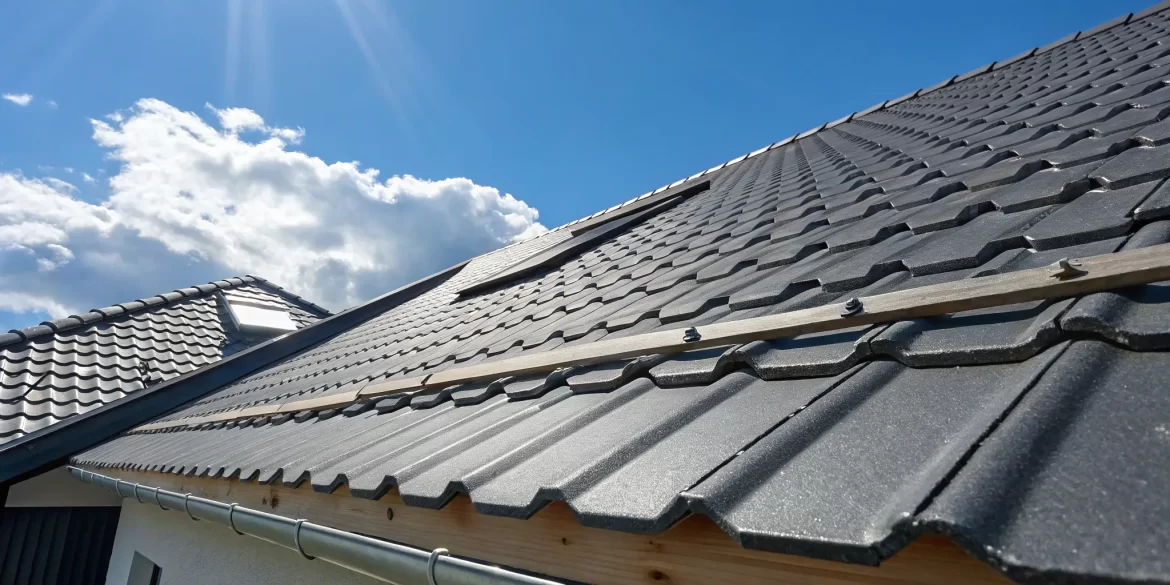
That sinking feeling when a hailstorm starts is something most Florida homeowners know all too well. You listen to the sound of ice hitting your home and can only hope the damage isn’t severe. Dealing with the aftermath—inspections, repairs, and insurance claims—can be a stressful and expensive cycle. But what if you could feel more secure when the weather turns? Investing in a hail resistant roof is one of the most effective steps you can take to protect your property. It’s about shifting from a reactive mindset to a proactive one. This guide will walk you through the materials, benefits, and key considerations for choosing a roof that offers real peace of mind.
Key Takeaways
- Focus on the Class 4 Rating for Proven Protection: Instead of just choosing a material type, look for a UL 2218 Class 4 impact rating. This is the highest industry standard and confirms the material has been tested to withstand significant hail impact, giving you a reliable benchmark for durability.
- View Your Roof as a Financial Investment: A hail-resistant roof may have a higher initial cost, but it can save you money in the long run. These savings often come from fewer storm-related repairs and potential discounts on your homeowner’s insurance premiums.
- Make Post-Storm Inspections a Priority: Hail damage is often subtle and not visible from the ground. A professional inspection after a storm is key to identifying hidden issues like small cracks or bruising before they can lead to more serious problems like leaks and interior water damage.
What Makes a Roof Hail-Resistant?
When you hear the term “hail-resistant,” it simply means a roof is designed and built to withstand the impact of hailstones without cracking, breaking, or sustaining other significant damage. It’s less about a single type of roof and more about the strength of the materials used. You can find hail-resistant options across several categories, including metal, composite, rubber, slate, and specially designed impact-resistant asphalt shingles.
The key to understanding a roof’s durability against hail is its impact resistance rating. This rating system classifies materials based on how well they hold up against force. The scale goes from Class 1 (the lowest) to Class 4 (the highest). For homeowners in areas that see frequent hailstorms, aiming for a Class 4 rating is a smart move. This top-tier classification means the roofing material has passed rigorous testing to prove it can handle severe impact, giving you the best possible defense when the weather takes a turn. Choosing the best roof for hail protection often comes down to selecting a material with this superior rating.
What Are Class 4 Impact Resistance Standards?
So, what does it take for a roofing material to earn that top-level Class 4 rating? It has to pass a very specific and tough test. During this evaluation, a 2-inch steel ball is dropped from a height of 20 feet onto the roofing material—not once, but multiple times. To pass, the material cannot show any signs of splitting, cracking, or breaking. This test is designed to simulate the force of large, dense hailstones hitting your roof during a severe storm. A guide to Class 4 hail resistance shows that materials with this rating offer the highest level of protection available, making them an excellent investment for durability and peace of mind.
How Does UL 2218 Testing Work?
The official test that determines these ratings is known as the UL 2218 impact resistance test. Underwriters Laboratories (UL), a global safety certification company, developed this standard to create a uniform way to measure how well roofing materials can withstand hail. The process involves dropping steel balls of varying sizes (from 1.25 to 2 inches in diameter) from different heights onto the material to simulate different sizes of hail. After the impacts, technicians examine the material for any damage. Based on the results, the material receives its Class 1, 2, 3, or 4 rating. This standardized UL 2218 testing is what gives homeowners a reliable benchmark for comparing the strength of different roofing products.
What Are the Best Materials for a Hail-Resistant Roof?
When it comes to protecting your home from Florida’s unpredictable weather, your roof is the first line of defense. Choosing a material specifically designed to withstand hail can save you from costly repairs and the headache of filing an insurance claim. While no roof is completely indestructible, some materials perform significantly better than others during a hailstorm. The key is finding the right balance of durability, cost, and aesthetics for your property. Let’s look at four of the most popular and effective options for a hail-resistant roof.
Metal Roofing
Metal roofing is a fantastic choice for durability. Many metal systems, like steel or aluminum, carry a UL 2218 Class 4 rating, which is the highest classification for impact resistance. These roofs are built to last for decades, standing strong against severe weather. While the upfront investment is typically higher than for traditional shingles, the long-term resilience can make it worthwhile. It’s good to know that while a metal roof can resist punctures from hail, repeated impacts from large stones may still cause cosmetic dents. Even with some denting, the roof’s structural integrity often remains intact, continuing to protect your home.
Impact-Resistant Shingles
If you like the classic look of asphalt shingles but want more protection, impact-resistant shingles are an excellent upgrade. Often called Class 4 shingles, these are engineered to be tougher than their standard counterparts. They usually feature a reinforced, rubber-like polymer material that allows them to absorb the force of hail better, preventing cracks and breaks. This added durability can extend the life of your roof up to 50 years. As a bonus, many insurance companies offer discounts on premiums for homes with certified impact-resistant roofing, which can help offset the initial cost over time.
Rubber and Synthetic Tiles
For a modern and highly effective solution, consider rubber or synthetic tiles. These materials are some of the most hail-resistant options on the market because their composition allows hail to literally bounce off the surface, minimizing damage. They are also surprisingly affordable and lightweight, which means they can often be installed on homes that can’t support the weight of heavier materials like natural slate. This combination of high performance, lower cost, and versatility makes synthetic roofing materials a popular choice for homeowners looking for reliable protection without breaking the bank.
Natural Slate and Tile
Natural slate and tile roofs are known for their timeless beauty and incredible longevity, with some lasting for a century or more. Their inherent strength gives them a high degree of impact resistance against small to medium-sized hail. However, their rigidity can also be a drawback. Very large, dense hailstones can sometimes cause these materials to crack or shatter upon impact. While a slate roof can be a stunning and durable asset for your home, it’s important to remember that repairing slate is a specialized skill and can be quite costly. This option is best for those who prioritize aesthetics and are prepared for the potential repair expenses.
How Does Hail Actually Damage a Roof?
When a hailstorm rolls through, it’s easy to think your roof is fine if you don’t see any obvious holes. But hail damage is often more subtle than that. The impact from hailstones, even small ones, can bruise, crack, and weaken your roofing materials in ways that aren’t immediately visible from the ground. Think of it like a boxer taking body shots—each impact might not be a knockout blow, but the cumulative effect can cause serious structural problems over time. The force of the impact can create weak spots that the next storm will exploit.
This initial damage can compromise your roof’s ability to protect your home. According to roofing experts at Brava Roof Tile, even minor hail damage can weaken a roof and make it more susceptible to severe damage in future storms. A small crack or a few missing granules might not seem like a big deal, but they create an opening for water to seep in. This can lead to leaks, rot, and mold issues down the line, turning a small roofing issue into a major interior problem. That’s why understanding what to look for after a storm is so important for protecting your property and knowing when to call for a professional assessment.
Spotting Common Types of Damage
After a hailstorm, the first step is to know what you’re looking for. For asphalt shingles, the most common type of roofing, hail can cause cracks, dislodge the protective granules, or even loosen the adhesive that holds them in place. You might notice dark spots or divots on the shingles where the granules have been knocked off, exposing the underlying material to the elements.
According to contractors at Nelson Contracting LLC, key signs of hail damage include granules collecting in your gutters, dents on metal components like vents and flashing, and cracked or broken shingles. In more severe cases, you might find leaks inside your home, which is a clear signal that the roof’s integrity has been compromised.
Finding Hidden Damage After a Storm
Some of the most serious hail damage isn’t visible from your yard. Hail can create small, hairline fractures in shingles or tiles that are nearly impossible to spot without a close-up inspection. These tiny cracks allow water to penetrate your roof, which can lead to significant problems over time. That’s why a thorough check is essential after any hailstorm.
As noted by the team at Simonson Lumber, it’s critical to inspect your roof for damage and address any issues right away to prevent them from escalating. A professional knows how to spot these hidden issues, like weakened seals around vents or subtle bruising on shingles, that can easily be missed by an untrained eye. Catching these problems early can save you from much bigger headaches later.
Key Warning Signs to Look For
It’s a good idea to have a mental checklist of warning signs to look for after a storm. Start by checking your gutters and downspouts for an accumulation of shingle granules—this is often the first and most obvious sign of hail impact. Take a look at any metal on your roof, including vents, flashing, and chimney caps, for dents.
Inside your home, keep an eye out for any new water stains on your ceilings or walls, as this indicates an active leak. Proactive maintenance also plays a huge role. Experts at Cedur suggest that regular inspections can help identify weak spots before a storm hits. If you do find signs of water damage, it’s important to act quickly to prevent further issues.
Why Invest in a Hail-Resistant Roof?
When it’s time for a new roof, the number of options can feel overwhelming, and it’s tempting to just go with the most budget-friendly choice. But thinking about your roof as a long-term investment can change your perspective, especially here in Florida where severe weather is a given. A hail-resistant roof might have a higher upfront cost, but the peace of mind and financial benefits it offers down the road are often well worth it. It’s about more than just shingles and nails; it’s about protecting your home, your biggest asset, from the top down. Let’s break down a few of the key reasons why this upgrade makes so much sense.
Save on Long-Term Repair Costs
One of the most compelling reasons to choose hail-resistant materials is the potential to save on future repairs. After a storm, standard shingles can be left with dents, cracks, and missing granules, which can lead to leaks and more extensive water damage over time. Choosing durable, impact-resistant shingles can help you avoid the cycle of constant patching and repairs. Think of it as a proactive step. By installing a roof designed to withstand harsh weather, you reduce the likelihood of filing a claim and paying a deductible every time a hailstorm rolls through. This durability means fewer surprise expenses and a roof that reliably protects your home for years to come.
Lower Your Insurance Premiums
Your insurance company loves it when you take steps to minimize risk, and installing a hail-resistant roof is a big one. Because these roofs are less likely to sustain damage, insurers often see them as a lower liability. This can translate into a discount on your homeowner’s insurance premiums. When shopping for materials, look for products with a strong warranty that explicitly covers hail damage. This not only gives you confidence in the product but also gives your insurance provider a clear signal that your home is well-protected. It’s a good idea to call your agent and ask about potential discounts for installing a Class 4 rated roof.
Increase Your Home’s Value
A strong, durable roof is a major selling point for any home. When potential buyers are touring your property, a new, hail-resistant roof is one less thing for them to worry about. It signals that the home has been well-maintained and is ready to handle whatever Mother Nature throws its way. An investment in a Class 4 hail-resistant roof provides superior protection against severe weather, which adds tangible value to your property. Buyers are often willing to pay more for a home with modern, resilient features, making this upgrade a smart financial move that you can benefit from whether you plan to sell soon or stay for years.
Debunking Myths About Hail-Resistant Roofs
When it comes to protecting your home, especially in a place like Florida where storms can be unpredictable, making informed decisions is key. Unfortunately, there’s a lot of misinformation floating around about hail-resistant roofing. Believing these myths can leave your property vulnerable and might even lead you to overlook serious damage. Let’s clear up some of the most common misconceptions so you can feel more confident about your roof’s condition and what to do after a storm. Understanding the truth helps you better protect your investment and ensures you’re prepared to take the right steps if you ever need to file a claim. After all, knowing what’s fact and what’s fiction is the first step in effective home maintenance and protection.
Myth: Metal Roofs Attract Lightning
This is one of the most persistent myths out there, but it’s simply not true. The idea that a metal roof will turn your home into a lightning rod is a complete misunderstanding of how lightning works. Lightning is drawn to the highest point in an area, not to a specific material. So, a tall tree next to your house is a much more likely target than your roof, regardless of whether it’s made of metal, shingles, or tile. In fact, a metal roof can be safer during a lightning strike. Because metal is a conductor and non-combustible, it can help disperse the electrical charge safely into the ground, reducing the risk of fire.
Myth: Damage Must Be Visible from the Ground
After a hailstorm passes, it’s tempting to do a quick scan from your driveway and assume everything is fine if you don’t see any obvious problems. This can be a costly mistake. Much of the damage hail causes isn’t visible from the ground. Hail can create small cracks, dents, and “bruises” on shingles that compromise their integrity without being immediately apparent. This hidden damage can allow water to seep in over time, leading to leaks, mold, and structural issues down the road. That’s why having a professional inspection after a significant hailstorm is so important—an expert can spot the subtle signs of damage you might miss.
Myth: A New Roof Is Immune to Hail
Investing in a new roof gives you a great sense of security, but it doesn’t make your home invincible. While a new roof, especially one with a high impact rating, offers superior protection, it is not completely immune to damage from severe hail. Large, dense hailstones can still crack or dent even the most durable materials. Manufacturer warranties often have specific exclusions for storm damage, so it’s a good idea to understand what your coverage includes. Even with a brand-new roof, it’s wise to schedule an inspection after a major storm to ensure its protective barrier hasn’t been compromised. Catching small issues early can prevent them from turning into major repairs.
How to Maintain Your Hail-Resistant Roof
Investing in a hail-resistant roof is a fantastic first step, but even the most durable materials need a little care to perform at their best for years to come. Think of it like regular maintenance on your car—a few simple checks can prevent major headaches down the road. By staying proactive, you can extend your roof’s lifespan and ensure it’s ready to handle whatever the Florida skies throw its way. A solid maintenance routine helps protect your investment and gives you peace of mind, knowing your home is well-defended against the elements.
Schedule Regular and Post-Storm Inspections
Regular inspections are your first line of defense. At least once a year, it’s a good idea to do a visual check for any wear and tear, loose shingles, or weak spots that could compromise your roof’s integrity. After a hailstorm, a prompt inspection is even more critical. Look for any obvious signs of trouble like cracked shingles or noticeable dents. Catching these issues early can prevent minor damage from turning into a major leak. A good roof inspection checklist can guide you on what to look for from the safety of the ground.
Keep Gutters Clean and Free of Debris
It’s easy to forget about your gutters, but they play a huge role in your roof’s health. When gutters get clogged with leaves, branches, and other debris, water can’t drain properly. This backup can force water under your roofing materials, leading to rot, leaks, and other serious issues. You can prevent this by establishing a routine to clear debris from your roof and gutters. By keeping them clean, you help prevent the kind of water accumulation that can cause significant water damage and ensure your hail-resistant roofing can do its job effectively.
When to Call a Professional for Maintenance
While you can spot some issues from the ground, nothing beats a professional assessment. If you notice missing shingles, significant dents, or any other signs of damage after a storm, it’s time to call in an expert for a thorough inspection. A professional can safely get on your roof to assess the full extent of the damage and recommend the right repairs to maintain its integrity. If they find damage that warrants an insurance claim, working with a public adjuster can help you manage the process and ensure you’re treated fairly. An expert from a firm like PA Joe can advocate on your behalf from the very beginning.
How to Choose the Right Hail-Resistant Roof
Picking the right roof involves more than just choosing a color you like. When you live in an area prone to storms, you’re looking for a durable shield for your home. Making an informed choice means looking at official ratings, thinking about the long-term financial picture, and ensuring the installation is done right. These three elements work together to give you a roof that can stand up to the elements and provide peace of mind for years to come.
Check for Impact Ratings and Certifications
When you start comparing roofing materials, you’ll likely see terms like “impact rating.” This isn’t just marketing jargon; it’s a crucial indicator of a roof’s durability. The most important certification to look for is the UL 2218 standard, which tests how well a material can withstand the impact of steel balls meant to simulate hailstones. The ratings range from Class 1 to Class 4. A Class 4 rating is the highest available and signifies that the material resisted cracking when hit by a two-inch steel ball. Always ask your contractor to confirm the impact rating of any material you’re considering to ensure you’re getting proven protection.
Weigh the Cost Against Long-Term Value
It’s true that materials with a Class 4 rating often come with a higher price tag. It can be tempting to go with a less expensive option, but it’s helpful to think of a hail-resistant roof as a long-term investment. While the initial cost may be greater, it can save you significant money over time. You’ll likely spend less on repairs, and the roof itself will have a longer lifespan. Plus, many insurance companies offer discounts on premiums for homes with certified impact-resistant roofs. This upfront investment can protect your home and your wallet from the recurring costs of storm damage.
Prioritize Quality Installation
Even the most advanced roofing material will fail if it isn’t installed correctly. A roof is a complex system, and its performance depends just as much on the quality of the installation as it does on the shingles or tiles. The underlayment, flashing, and ventilation all play a critical role in protecting your home from water intrusion and damage. When you’re ready to hire a professional, take the time to find a reputable roofing contractor with proven experience installing hail-resistant systems. A quality installation ensures your roof performs as expected and that your manufacturer’s warranty remains valid.
Related Articles
- Can You Claim Hail Damage Twice on Roof? An Expert Guide – Public Adjuster
- The Essential Hail Damage Insurance Claim Checklist – Public Adjuster
- Average Insurance Payout for Hail Damage Roof: What to Know – Public Adjuster
Frequently Asked Questions
Is a “hail-resistant” roof the same as a “hail-proof” roof? That’s a great question, and it’s an important distinction to make. While a hail-resistant roof, especially one with a Class 4 rating, is incredibly tough, no roof is completely indestructible. Think of it as being highly resilient rather than invincible. These materials are engineered and tested to withstand significant impact from hail, which dramatically reduces the likelihood of damage. However, a severe storm with unusually large hailstones could still potentially cause some cosmetic or structural issues.
How much can I really save on my insurance with a Class 4 roof? Many insurance providers do offer discounts for homes with certified impact-resistant roofing, but the exact amount can vary quite a bit. The potential savings depend on your specific insurance company, your policy, and where you live. The best way to find out is to call your insurance agent directly and ask about the premium reductions available for installing a UL 2218 Class 4 rated roof.
If I can’t see any damage from my yard, how do I know if my roof is okay after a storm? This is a common concern because much of the damage hail causes is subtle and easy to miss from the ground. Hail can create small, hairline cracks or “bruises” on shingles that compromise their protective layer without being obvious. These hidden weak spots can lead to leaks over time. The most reliable way to know for sure is to have a professional roofing contractor perform a close-up inspection.
My roof has some hail damage. Do I need to replace the whole thing? Whether you need a full replacement depends on the extent and type of damage. In some cases where the damage is isolated to a small area, a simple repair might be enough. However, if the impacts are widespread across the roof, even if they look minor, the overall integrity of the system could be compromised. A qualified roofer can give you an honest assessment of whether repairs or a full replacement would be the better long-term solution.
What’s my first step if my hail-resistant roof does get damaged? If you suspect your roof has been damaged, your first step should be to document what you can see safely from the ground and then call a reputable roofing professional for a thorough inspection. If they confirm significant damage, you will likely need to file an insurance claim. At that point, having an expert like a public adjuster on your side can be incredibly helpful to manage the complex claims process and advocate for a fair settlement.