 Proudly Serving the Entire State of Florida

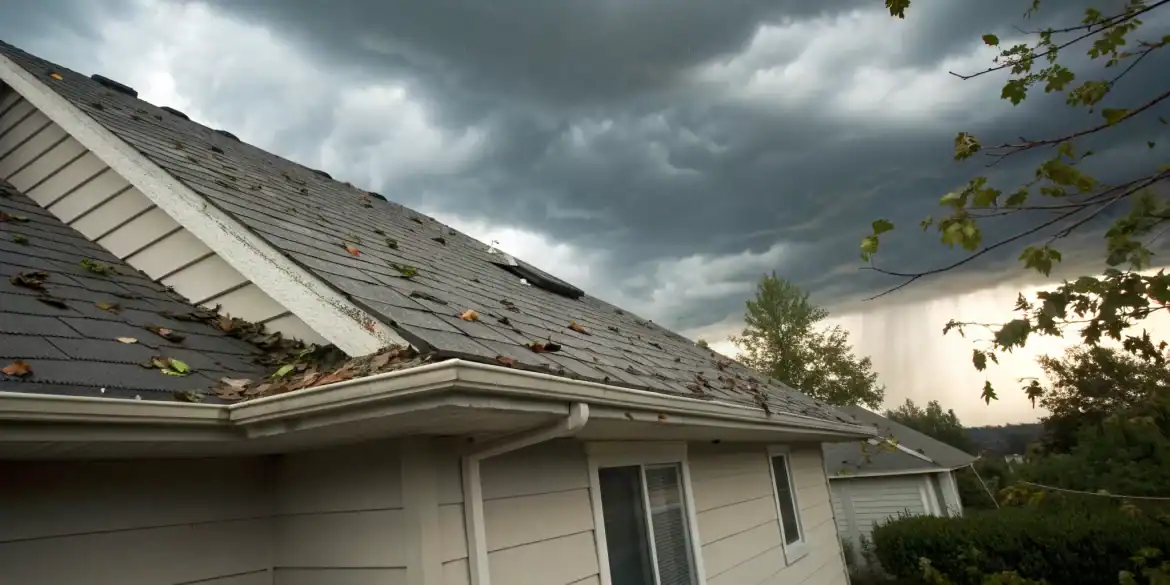
Dealing with hail damage can make you feel powerless against the weather and your insurance company. However, you have more control over your claim’s outcome than you might think. Securing a fair answer to the question of how much does insurance pay for hail damage to roof depends on the proactive steps you take from the moment the storm ends. It’s about building a strong case with solid evidence and clear communication. This article provides an actionable roadmap, giving you the tools and knowledge to manage your claim effectively and advocate for a settlement that fully covers the cost of restoring your property.
Key Takeaways
- Build your case before you call your insurer: Your strongest tool is solid proof. Gather detailed photos of all damage and get multiple written estimates from trusted contractors to establish the true repair costs.
- Know your policy’s key terms: The final check you receive is heavily influenced by your coverage. Find out if you have Replacement Cost Value (RCV) or Actual Cash Value (ACV) and be clear on your deductible to understand what your insurer is obligated to pay.
- Treat the first offer as a starting point: An insurer’s initial offer may not cover the full extent of your damages. You have the right to negotiate using your own evidence, and you can bring in a public adjuster to manage the claim if you need an expert on your side.
What’s the Average Payout for a Hail-Damaged Roof?
When you’re looking at a roof pockmarked by hail, one of the first questions that comes to mind is, “How much will my insurance actually pay for this?” It’s a fair question, but the answer isn’t a simple one-size-fits-all number. The final settlement you receive depends on a mix of factors, from the type of shingles on your roof to the fine print in your policy. While it’s helpful to look at averages to get a general idea, your specific situation will determine the final check from your insurer.
Think of the average payout as a ballpark figure, not a guarantee. It’s a starting point for understanding what might be possible. The real work is in documenting your damage, understanding your policy, and presenting a strong case to your insurance company. The goal is to secure a settlement that fully covers the cost of restoring your roof to its pre-storm condition. Many homeowners are surprised by the complexity of the claims process and the number of details that can affect their payout. Understanding what influences that final number is the first step toward ensuring you get a fair settlement. We can help you make sense of the variables and advocate for the compensation you deserve for your property damage claim.
Is $12,000 the Magic Number?
You might see the figure of $12,000 pop up as the average insurance payout for a hail-damaged roof. While this number is a decent starting point, it’s important to know that it’s just an estimate. This average often includes repairs to other parts of your property that hail might have damaged, like your windows, siding, or even an outdoor shed. For some homeowners with minor damage, the payout could be closer to $5,000. For others who need a complete roof replacement, the settlement could easily exceed $20,000. So, while $12,000 is a commonly cited average, your actual payout could be significantly different.
Why Payouts Vary So Much
The reason there’s such a wide range in settlement amounts is that no two roofs—or insurance claims—are exactly alike. Several key factors come into play. The age and material of your roof are huge considerations; replacing a brand-new slate roof is much more expensive than repairing older asphalt shingles. The size and slope of your roof also matter, as larger or steeper roofs require more materials and labor. Of course, the extent of the damage is critical. Are we talking about a few cosmetic dents or significant functional damage that requires a full replacement? All these details contribute to the final calculation.
How Your Location Affects Your Settlement
Where you live plays a surprisingly large role in your hail damage settlement. The cost of materials and labor can vary quite a bit from one city to another, even within Florida. If you live in an area with a higher cost of living, you can expect repair estimates to be higher, and your insurance payout should reflect that. After a major storm hits a community like Coral Springs or Parkland, the demand for qualified roofers can also drive up prices temporarily. An experienced public adjuster understands these local market conditions and can ensure your insurer’s offer is in line with what it will actually cost to get the work done in your area.
What Factors Influence Your Hail Damage Payout?
When you’re looking at a hail-damaged roof, one of the first questions that comes to mind is, “How much will my insurance actually pay for this?” The answer isn’t a single number. Your final settlement is a puzzle with many pieces, and understanding them can make a huge difference in the amount you receive. It’s not just about the size of the hailstones; it’s a combination of your roof’s condition, the fine print in your policy, and even where you live.
Think of it this way: two neighbors with identical homes could receive very different payouts after the same storm. One might have a brand-new roof and a premium policy, while the other has an older roof and a high-deductible plan. The insurance company considers all these variables when calculating your check. Getting familiar with these factors puts you in a much better position to advocate for a fair settlement that truly covers your repair costs. From the age of your shingles to the specific wording in your policy documents, each detail contributes to the final figure. Let’s break down the key elements that determine what your insurance company will offer.
Your Roof’s Age and Material
The age and material of your roof are two of the biggest factors in your hail damage settlement. An older roof that was already nearing the end of its lifespan will likely receive a smaller payout due to depreciation. On the other hand, a newer roof may qualify for a full replacement cost. The type of material also matters significantly. Replacing high-end slate or metal roofing is far more expensive than standard asphalt shingles, and your settlement should reflect that. The average insurance payout for a hail damage roof can range from $8,000 to $15,000, but this figure shifts based on these specific details.
The Severity of the Damage
It might seem obvious, but the extent of the damage plays a direct role in your payout amount. A roof with a few cosmetic dings will result in a much smaller check than one with cracked shingles, significant granule loss, and active leaks. Insurers assess the functional damage—the kind that compromises your roof’s ability to protect your home. This is why a thorough inspection is so critical. Hidden damage, like bruising under the shingles that isn’t visible from the ground, can lead to major problems later. A detailed assessment ensures that all damage is documented and included in your claim for a fair settlement.
Local Repair and Labor Costs
Where you live has a real impact on your insurance payout. The cost of roof repairs and skilled labor can vary quite a bit from one part of Florida to another. If you live in an area with a higher cost of living, your settlement should be adjusted to match those local rates. Furthermore, after a widespread storm, the demand for qualified roofing contractors can surge, sometimes driving up prices for materials and labor. Your insurance company should account for these market conditions when calculating your payout to ensure you have enough funds to complete the necessary repairs with a reputable professional.
The Fine Print in Your Insurance Policy
Your insurance policy is the rulebook for your claim, and its details are incredibly important. Key terms in the fine print will directly shape your final check. For instance, does your policy cover Replacement Cost Value (RCV), which pays to replace your roof with new materials, or Actual Cash Value (ACV), which only pays for the depreciated value of your old roof? The difference can be thousands of dollars. Understanding your insurance policy details, including your deductible amount and any specific exclusions for cosmetic damage, is essential for knowing what to expect and ensuring you get the full amount you’re entitled to.
Your Area’s Storm Frequency
Many homeowners worry that filing a claim will cause their insurance rates to skyrocket. While this can be a concern, a single claim for weather damage like hail often won’t lead to a rate hike, especially in a place like Florida. Insurance companies that operate in storm-prone regions build the risk of events like hurricanes and hailstorms into their pricing models. They expect these types of claims. An isolated incident caused by an “act of God” is viewed differently than a claim resulting from negligence, so don’t let the fear of a rate increase stop you from filing a legitimate claim and getting the repairs you need.
How Do Deductibles and Policy Types Affect Your Check?
When your insurance company calculates your hail damage settlement, they aren’t just looking at the cost of new shingles. The final amount that lands in your bank account is heavily shaped by the fine print in your policy—specifically, your deductible and the type of coverage you have. Understanding these two elements is key to knowing what to expect and ensuring you get a fair payout. Let’s break down how these factors come into play and what they mean for your bottom line.
What Your Deductible Means for Your Payout
Think of your deductible as your share of the repair cost. It’s the fixed amount you have to pay out of pocket before your insurance coverage begins to pay for the rest of the damage. For example, if your roof repairs cost $15,000 and your policy has a $2,000 deductible, your insurer will pay a maximum of $13,000. You are responsible for that first $2,000. It’s important to check your policy documents carefully, as some Florida homeowners have a separate, often higher, deductible specifically for hurricane or windstorm damage, which can include hail. Knowing this number upfront helps you set realistic expectations for your final settlement check and plan for your out-of-pocket expenses.
Replacement Cost Value (RCV) vs. Actual Cash Value (ACV)
Your insurance policy will typically offer one of two types of coverage for your roof: Replacement Cost Value (RCV) or Actual Cash Value (ACV). The difference between them can mean thousands of dollars. An RCV policy pays to replace your damaged roof at today’s prices, without deducting for its age or previous wear and tear. In contrast, an ACV policy pays less because it subtracts for depreciation—the loss in value due to age and use. So, if your roof is 10 years old, an ACV policy will only pay for its remaining value, not the cost of a brand-new one. Understanding which type of coverage you have is one of the most critical steps in the claims process.
High vs. Low Deductibles: What to Consider
Choosing a deductible often involves a trade-off. A higher deductible usually results in a lower monthly insurance premium, which can be great for your budget. However, when you need to file a claim, you’ll face a larger out-of-pocket expense. A lower deductible means you’ll pay less when damage occurs, but your premiums will be higher. Your payout is directly impacted by this choice, as it’s calculated based on factors like your roof’s age, the extent of the damage, local repair costs, and, of course, your deductible. It’s a good idea to review your deductible annually to make sure it still aligns with your financial situation and what you could comfortably pay if a storm hits.
When Repair Costs Are Less Than Your Deductible
Sometimes, the cost to fix the damage is less than your deductible. If a contractor quotes you $1,500 for repairs but your deductible is $2,000, it might be better to pay for the repairs yourself without filing a claim. Why? Because filing a claim, even one that doesn’t result in a payout, can sometimes lead to an increase in your future premiums. Getting a thorough and professional damage inspection first can give you a clear picture of the repair costs. This allows you to make an informed decision about whether involving your insurance company is the right financial move for your situation. It helps you weigh the immediate out-of-pocket cost against potential long-term premium hikes.
Are You Making These Common Settlement Mistakes?
Filing a hail damage claim can feel like a maze. It’s easy to make a misstep that could cost you thousands in repair costs. When you’re dealing with the stress of property damage, the last thing you want is a settlement that doesn’t fully cover your losses. Understanding the claims process and being aware of potential pitfalls can make a significant difference in the outcome. Let’s walk through some of the most common mistakes homeowners make so you can feel more prepared to handle your claim and get the settlement you deserve.
Accepting the First Offer Too Quickly
It can be tempting to take the first check the insurance company offers and move on. But remember, insurance companies often start with a low initial offer. This first number may not be enough to cover all your repair costs, especially if you haven’t gotten your own quotes yet. Don’t feel pressured to accept it right away. Take the time to get detailed estimates from trusted local contractors. If the insurer’s offer falls short, you can present your own quotes to the adjuster as a basis for negotiation. Rushing this step could leave you paying for repairs out of your own pocket.
Overlooking Hidden or Subtle Damage
After a hailstorm, you might glance at your roof and see no obvious problems. But hail damage isn’t always easy to spot from the ground. It can show up as small dents, tiny cracks, or missing granules that are hard to see. While these issues might seem minor, they can shorten your roof’s life and lead to serious leaks down the road. It’s a good idea to have a professional inspect your roof thoroughly after a storm. An expert can identify subtle damage that an untrained eye might miss, ensuring your claim accounts for all necessary repairs, not just the visible ones.
Waiting Too Long to File Your Claim
Life gets busy, and it’s easy to put things off. But when it comes to a hail damage claim, time is not on your side. Most insurance policies have strict deadlines for filing, often within a year of the damage occurring. If you wait too long to file a claim, you risk having it denied altogether, regardless of the severity of the damage. The best approach is to inspect your property and contact your insurance company as soon as it’s safe to do so after a storm. Acting promptly shows the insurer you’re serious and helps get the process started on the right foot.
Not Understanding Your Coverage Limits
Your insurance policy is a contract, and the details matter. Before you even file a claim, it’s wise to review your specific homeowners insurance policy to understand what’s covered. Pay close attention to your deductible amount, any exclusions, and specific rules related to your roof’s age or pre-existing conditions. Some policies have different deductibles for hail or wind damage. Knowing these details upfront helps you set realistic expectations and have more informed conversations with your adjuster. If the language is confusing, don’t hesitate to ask your agent or a public adjuster for clarification.
Confusing Cosmetic vs. Functional Damage
This is a detail that trips up many homeowners. Functional damage is harm that affects your roof’s ability to protect your home, like a crack that could cause a leak. Cosmetic damage, on the other hand, only affects the roof’s appearance, like a small dent in a metal vent. Some insurance policies have clauses that exclude coverage for purely cosmetic damage. It’s important to check your policy for this specific language. An insurer might argue that dents on your shingles are just cosmetic, while a professional roofer or public adjuster could argue they compromise the shingle’s integrity and lead to functional problems later.
Your Step-by-Step Guide to Filing a Hail Damage Claim
Navigating the claims process after a hailstorm can feel daunting, but breaking it down into manageable steps makes it much clearer. Following a structured approach not only keeps you organized but also strengthens your position when dealing with your insurance company. Here’s a straightforward guide to get you started on the right foot.
Step 1: Document Everything (Safely)
Before you do anything else, document the damage—but always put your safety first. Avoid climbing on a potentially unstable or wet roof. Instead, take clear, detailed photos and videos from the ground or a secure window, capturing any visible dents, cracks, or missing shingles. Don’t forget to check for damage to gutters, siding, windows, and air conditioning units. Make a written list of everything you find and note the date of the storm. This collection of evidence is the foundation of your claim and will be invaluable during the claims process.
Step 2: Contact Your Insurer Promptly
With your initial documentation in hand, it’s time to notify your insurance company. Most policies require you to report damage within a specific timeframe, so don’t delay. When you call, be prepared to ask a few key questions. Find out about any deadlines for filing your claim and what your policy specifically covers for hail damage. It’s also the perfect time to clarify your deductible and whether your policy is for Replacement Cost Value (RCV) or Actual Cash Value (ACV). This first conversation is a critical step in understanding the road ahead.
Step 3: Get Multiple Contractor Estimates
Your insurance company will send its own adjuster to assess the damage, but you should get independent estimates as well. Contact at least two or three licensed and insured local roofing contractors to provide detailed, written quotes for the repair work. Having multiple estimates helps establish a fair market price for the job and gives you a solid benchmark for your insurance settlement. A thorough estimate from a reputable contractor should clearly itemize the costs for both labor and materials, leaving no room for ambiguity when you present it to your insurer.
Step 4: Understand the Settlement Timeline
Patience is key when it comes to insurance claims. The process involves inspections, paperwork, and negotiation, so it won’t be resolved overnight. It’s also a good time to evaluate if filing a claim makes financial sense. If the estimated repairs cost less than your deductible, you might choose to pay out of pocket. For more substantial damage, pursuing the claim is essential. If the process becomes overwhelming or the insurer’s offer seems too low, remember you have options. An experienced public adjuster can manage the entire process for you, ensuring you’re treated fairly.
How to Get the Best Possible Hail Damage Settlement
Navigating a hail damage claim can feel like a full-time job, but a few strategic steps can make a world of difference in your final settlement. It’s about being prepared, persistent, and knowing when to ask for help. By taking a proactive approach, you put yourself in the best position to receive fair compensation for your repairs. Let’s walk through the key actions you can take to manage your claim effectively and work toward the best possible outcome.
Document Your Damage Like a Pro
After a storm, your first instinct might be to call your insurance company, but before you pick up the phone, grab your camera. Thorough documentation is your most powerful tool. Take clear, detailed photos and videos of all the damage, not just the obvious spots on your roof. Get close-ups of dents in shingles, gutters, and siding, then take wider shots to show the full scope. Don’t forget to check air conditioning units, window screens, and fences. Note the date and time of the storm and save a local weather report as proof. Think of yourself as a detective building a case—the more evidence you have, the stronger your claim will be.
Know When to Call for Backup (Like PA Joe)
You don’t have to go through the claims process alone. If the damage is extensive, your claim is complex, or the insurance company’s initial offer seems too low, it may be time to bring in a professional. A public adjuster works for you, not the insurance company, to manage your claim and negotiate for a fair settlement. They understand the fine print in insurance policies and know how to accurately value the damage to your property. Having an expert on your side can level the playing field and take a significant amount of stress off your shoulders, allowing you to focus on getting your property back to normal.
Communicate Clearly with Your Insurance Company
Once you have your documentation ready, contact your insurer promptly to file your claim. Many policies have deadlines for reporting damage, so it’s best not to wait. From that first call onward, keep a detailed log of every interaction. Write down the date, time, and name of every person you speak with, along with a summary of the conversation. Keep all emails and letters in a dedicated folder. This record creates a clear timeline and helps prevent miscommunication. When you speak with adjusters, use your photos and contractor estimates to support your case clearly and confidently.
Understand Your Rights as a Policyholder
Your insurance policy is a contract, and it’s important to know what it says. Take some time to review your coverage for hail damage, paying close attention to your deductible and whether you have a Replacement Cost Value (RCV) or Actual Cash Value (ACV) policy. Remember, you have the right to a fair and timely process. You are not required to accept the first offer from your insurer, especially if it doesn’t cover the full cost of repairs from a reputable contractor. You have the right to appeal a low settlement or a denied claim and to seek a second opinion to ensure you’re being treated fairly.
Related Articles
- Average Insurance Payout for Hail Damage Roof: What to Know – Public Adjuster
- How Roof Insurance Claims Work: A Step-by-Step Guide – Public Adjuster
Frequently Asked Questions
What should I do if my insurer’s settlement offer seems too low? Receiving an offer that doesn’t cover your contractor’s estimate can be disheartening, but it’s not the end of the road. The first offer is often just a starting point for negotiation. You have the right to present your own detailed estimates from reputable local contractors to your adjuster. If the numbers are still far apart, or if the process feels overwhelming, you may consider getting help from a public adjuster who can manage the negotiations on your behalf to work toward a fair settlement.
Will my insurance rates increase if I file a hail damage claim? This is a common concern, and it’s a valid question. Generally, insurance companies view claims from natural events like hailstorms differently than claims caused by negligence. Because hail is considered an “act of God,” a single claim is less likely to be the direct cause of a significant rate hike. Insurers in states like Florida often build the risk of storm damage into their overall pricing structure, so they expect these types of claims.
Can you explain the difference between RCV and ACV coverage in a simple way? Think of it like this: Replacement Cost Value (RCV) coverage is designed to pay for the full cost of replacing your damaged roof with a brand-new one, using similar materials at today’s prices. Actual Cash Value (ACV) coverage, on the other hand, pays you for what your roof was worth right before the storm hit. It subtracts for depreciation, meaning it accounts for your roof’s age and wear and tear, which often leaves you with a smaller check.
Do I have to accept the first contractor my insurance company suggests? While your insurance company might provide a list of preferred contractors, you are typically not required to use them. You have the right to choose your own licensed, insured, and reputable contractor to perform the repairs. Getting multiple estimates from professionals you trust is a great way to ensure you receive quality work and have a solid basis for what the repairs should actually cost.
How long do I have to file a claim after a hailstorm? Most insurance policies include a specific timeframe for reporting damage, and it’s important not to miss that window. This deadline can vary, but it’s often within one year of the storm. The best approach is to inspect your property for damage and notify your insurance company as soon as it’s safe to do so. Acting promptly helps avoid any risk of having your claim denied simply because you waited too long.