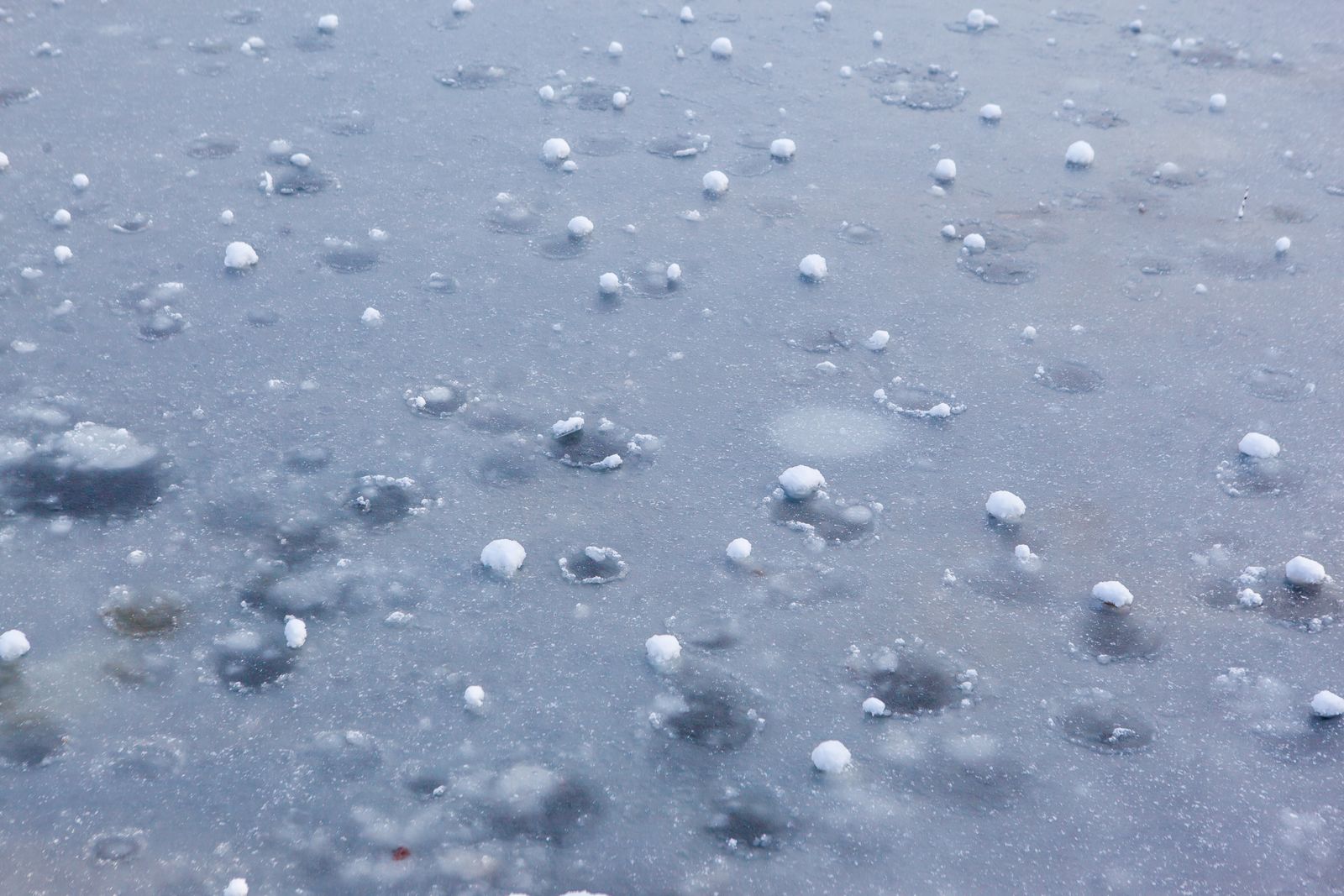
Look for impact evidence across the property, then separate fresh hail effects from wear and older marks.
Hail is localized, and South Florida properties a short distance apart can have very different conditions after the same storm. Pajoe helps property owners inspect roofs, exterior finishes, air-conditioning components and screen enclosures, organize dated evidence and address claim questions about cause, repair scope and cosmetic-damage wording in the actual policy.
Pajoe Public Adjusters · Licensed public adjuster: Joseph Whitefall, Florida License #E166230
· Firm License #W894577
What we handle
Damage we document & claim
Shingle, tile and metal roof impact observations
Gutters, downspouts, vents, flashing and other exposed metals
Air-conditioning fins, condenser housings and exterior mechanical components
Screen mesh, frames, pool enclosures and patio structures
Stucco, paint, windows, doors, fences and outdoor furniture
Interior water entry associated with documented exterior damage
A dimple or mark is an observation, not a coverage conclusion.
Hail size, wind direction, material age, installation and prior condition all matter. Blistering, foot traffic, corrosion and ordinary wear can resemble impact damage. We document the pattern and location of findings and review the policy before discussing whether they support a claim.
How we help
Our approach
01
Map the impacts
We inspect accessible areas by elevation and material, looking for a consistent pattern across roof components, soft metals, screens and outdoor equipment. Close roof or equipment access should be handled safely by qualified people.
02
Compare function and appearance
We record cracks, displaced material, punctures, deformation and water-entry evidence separately from appearance-only marks. That distinction helps frame repair questions and any cosmetic-damage provision in the policy.
03
Support the claim discussion
We organize storm reports, property photographs, prior records and a detailed estimate, then address the insurer's scope and policy analysis. A nearby hail report alone does not establish damage or coverage.
South Florida claim guide
Practical steps for this property insurance claim
Serving property owners from the Florida Keys to Fort Pierce. Use this guide to organize the property evidence, then have your own policy and circumstances reviewed.
Where hail evidence appears on South Florida properties
Start with the property, not the storm photograph. On a shingle roof, trained inspectors may look for localized bruising, displaced granules or fractures with a pattern consistent with impact. Tile can crack or chip, while metal components can dent.
At ground level, gutters, downspouts, mailbox surfaces, window frames and painted finishes may provide useful context. Condenser fins can bend and screens can tear or stretch. Pool enclosure frames and patio furniture may show directional impacts. Inside, new staining below a cracked covering can help establish a separate water-entry issue. Condominium and commercial buildings require the same careful separation between unit, association and mechanical responsibilities.
Photograph soft-metal components with a wide view for location and a close view for detail.
Record each elevation separately because wind-driven hail may affect one side more than another.
Check screens and outdoor equipment from safe ground-level positions.
Do not walk on tile, shingle or metal roofing to collect evidence.
The first 48 hours after a hail report
Remain indoors until conditions are safe and avoid glass, unstable tree limbs and wet electrical equipment. If you find hailstones on the ground, photograph them where practical with a ruler or common object for scale, and note the time and location. Do not handle refrigerated or contaminated material for the sake of a photograph. A weather report can be saved as context, but your own photographs provide the property evidence.
If hail broke a window, skylight or roof covering and allowed water inside, notify the insurer and arrange reasonable emergency protection through qualified contractors. Photograph the opening and interior damage before temporary repairs, keep receipts and prevent further damage. Do not throw away shattered materials or damaged contents before documenting them, but never keep sharp, contaminated or hazardous items merely to support a claim.
Save dated hail, debris and property photographs in their original files when possible.
Write down when hail started, when you inspected and when any leak first appeared.
Keep earlier roof, AC, window and enclosure repair records for condition comparisons.
Use a licensed or otherwise qualified contractor for temporary roof or electrical work.
Cosmetic-damage and functional-damage questions
Some policies contain wording about cosmetic damage, often focusing on appearance that does not impair a component's function. Whether a dent, granule change or coating mark falls within that wording depends on the exact policy and the component. A public adjuster can identify the observations and the provision being applied, but no broad rule decides every metal roof, condenser or exterior finish.
Functional questions should be specific. Is a tile cracked rather than only discolored? Has a seam, fastener or coating been affected? Are condenser fins deformed enough to justify a particular repair method? Is water entering through a new opening? Qualified roofing or mechanical professionals may be needed to answer technical questions. Keep their observations distinct from coverage opinions so the insurer can evaluate both the physical evidence and the policy language.
Ask the insurer to identify the exact component and policy wording involved in a cosmetic-damage decision.
Document functional observations separately from color, texture or appearance differences.
Obtain a written repair method and explanation from a qualified contractor when appropriate.
Avoid assuming every dent requires replacement or that every cosmetic label ends the claim discussion.
Why hail claims are denied or underpaid
A denial may state that no storm-related damage was found, that observed conditions resulted from wear or another cause, or that a cosmetic exclusion or deductible applies. Those decisions can turn on the inspection photographs and the inspector's interpretation. Provide dated evidence, storm information and prior records, and ask for the specific components and reasons at issue rather than relying on a general conclusion.
An estimate may address only one elevation, a small test area or a single roof accessory while overlooking screens, gutters, outdoor equipment or interior water damage. There may also be disagreement about spot repair, a larger slope or panel repair, matching and availability of materials. Comparing photographs and line items can reveal whether the difference concerns damage quantity, repair method, price or coverage. Each requires a different response.
Vehicles, boats and property policies are not interchangeable
Hail can also damage vehicles, boats, lifts and marine equipment, but those losses belong under their own auto or marine policies rather than as building damage. Photograph them separately and contact the appropriate insurer. Their condition may provide context that hail fell at the property, but repair costs and valuation should stay in the proper claim. Pajoe's marine page covers that separate category.
Condominium and business documentation
Condominium owners should report interior effects and common-element damage without deciding policy responsibility themselves. The association may control the roof, exterior or shared AC equipment, while the unit policy addresses finishes and contents. Keep management notices and access logs. Businesses should label photographs by building, rooftop unit and elevation, preserve equipment service records and retain relevant stock or temporary-repair records. Technical repair and legal responsibility questions remain with the appropriate professionals.
Documentation checklist
Keep original files where possible. A clear, chronological record is more useful than a folder of unlabeled photographs or estimates without measurements.
Original hail and property photographs with date, time and location notes
Checked local weather reports used as context rather than proof of property damage
Photographs of each roof slope or accessible roof component obtained safely
Ground-level photographs of gutters, vents, AC equipment, screens and every elevation
Pre-loss roof, exterior and mechanical maintenance or inspection records
Temporary protection and emergency repair invoices with before-and-after photographs
Insurer decision letters, cosmetic-damage references, estimates and inspection notes
Contractor or specialist observations explaining functional versus appearance-only conditions
Continue reading
Related claim guides and South Florida service areas
Explore a different damage type, your county page or source-linked articles. Weather reports are context only; they do not establish damage or coverage at your property.
Does a hail report near my home prove hail damage?
No. It establishes a reported observation at a location and time, not the condition of your building. Hail can be highly localized. Property-specific photographs and an inspection are needed to identify actual damage.
Should I climb onto the roof to photograph hail hits?
No. Wet, steep or brittle roofing is dangerous. Photograph what you can from the ground and leave close roof inspection to trained professionals using appropriate safety practices.
What does cosmetic damage mean?
It generally refers to appearance-only change, but the policy's exact wording and the component's function matter. A dent, crack or coating change should be documented specifically so the physical condition and policy provision can be evaluated together.
Can hail damage an air-conditioning unit?
Hail can dent housings or bend condenser fins. The appropriate repair depends on the extent and mechanical effect. Photograph the unit and obtain qualified service observations rather than assuming replacement is necessary.
Are screen enclosures part of a hail inspection?
Yes. Mesh, frames, fasteners and adjoining patio components can show impact or wind effects. Document them separately by panel and elevation, and check whether the estimate addresses both materials and labor.
Will my homeowners policy cover hail dents in my car?
Automobile damage is generally handled under the vehicle's own policy, such as comprehensive coverage when carried, rather than as building damage. Photograph the vehicle and contact the auto insurer separately.
Can a small hailstone cause damage?
The result depends on size, wind, material, age and installation. Small hail should not automatically be dismissed or treated as proof of damage. The property's actual impact pattern is the key evidence.
What if the insurer attributes marks to wear?
Provide dated photographs, maintenance records and the storm timeline, and compare the specific components. A qualified contractor's observations may help distinguish impact from wear. A review cannot promise a different coverage decision.
Does one damaged tile mean the whole roof will be replaced?
No. Repair scope depends on the damage pattern, roof material, access, availability of materials, policy provisions and other facts. Matching and partial-versus-full replacement questions require property-specific evaluation.
Client review
“Pajoe is straight and to the point. He kept us informed throughout. Worth his weight in gold.”
— Marc Johnson
Past client words, not a promise of a particular outcome. Outcomes depend on the policy and circumstances of each claim.
Discuss your hail damage documentation with Pajoe.
Tell us what happened and what the insurer has said so far. We’ll explain how we may help and the terms before you decide.
Pajoe Public Adjusters · Licensed public adjuster: Joseph Whitefall, Florida License #E166230
· Firm License #W894577 · No particular outcome is promised.