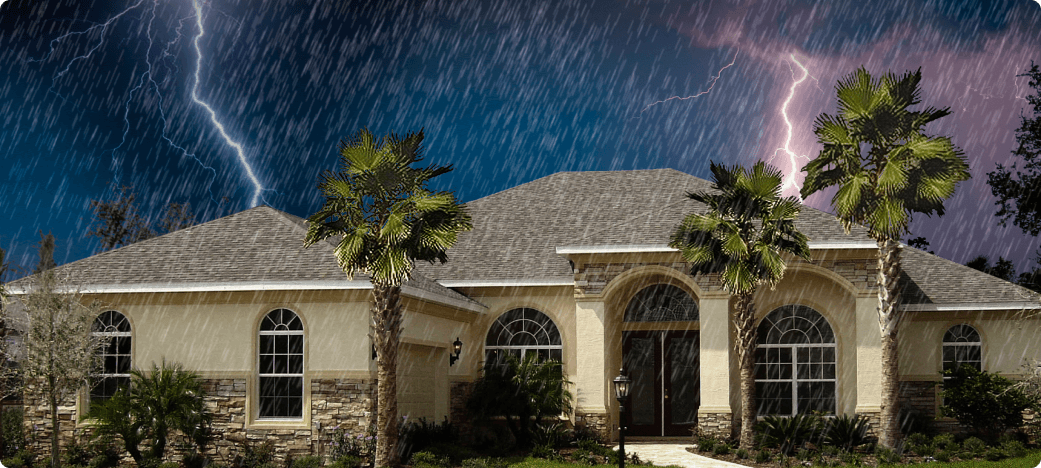
Inspect the whole property after wind, a hurricane or a tropical storm—not just the first missing tile.
South Florida storms can affect a roof, windows, exterior walls, screen enclosures and interior rooms in different ways. Pajoe helps homeowners, condominium owners, associations and businesses from Monroe through St. Lucie County document storm-related conditions, review policy questions and present a complete property claim without assuming that every mark or leak is storm damage.
Pajoe Public Adjusters · Licensed public adjuster: Joseph Whitefall, Florida License #E166230
· Firm License #W894577
What we handle
Damage we document & claim
Roof coverings, flashing, ridges, soffits, fascia and gutters
Windows, doors, garage doors, skylights and exterior wall finishes
Screen enclosures, fences, carports, sheds and detached structures
Ceilings, walls, insulation, floors and contents affected by water entry
Fallen limbs, impact damage and displaced exterior components
Temporary protection, mitigation and displacement records where relevant
A nearby storm report is not proof of damage at your address.
Wind and rain can vary over a short distance. The claim should rest on property-specific observations, dates, photographs and policy language. Age, maintenance, prior repairs and earlier damage may be relevant, and we document those distinctions rather than labeling every condition storm-related.
How we help
Our approach
01
Whole-property inspection
We work from the roofline and exterior through the affected interior, recording conditions on all elevations and in detached areas. Safety comes first; roof access and hidden or energized areas require appropriate professionals.
02
Cause and policy review
We compare the observed conditions with the storm timeline, available pre-loss records and the actual policy. Wind-driven rain, flood, wear and earlier leaks are different questions that should not be blended together.
03
Scope and negotiation
We prepare an organized estimate and supporting file, then discuss differences in damage, quantities, methods or pricing with the insurer. We advocate for the documented claim without promising coverage, payment or timing.
South Florida claim guide
Practical steps for this property insurance claim
Serving property owners from the Florida Keys to Fort Pierce. Use this guide to organize the property evidence, then have your own policy and circumstances reviewed.
What storm damage looks like from the Keys to Fort Pierce
Coastal exposure, driving rain and wind-borne debris can produce different evidence on each side of a building. One elevation may have lifted shingles, displaced tile, damaged soffit or chipped stucco while another appears unchanged. Screen frames can twist, fasteners can pull and gutters can separate. Inland properties can experience the same kinds of damage from falling limbs or localized severe thunderstorms, not only named hurricanes.
Inside, the first sign may be a ceiling ring, wet baseboard, bubbling paint or damp belongings below a roof or window opening. Condominium owners may see water enter around a window or from a shared roof or wall, while the association handles other components. A business may also have damaged signage, rooftop equipment, storefront glazing, stock or interruptions to normal operations.
Photograph all exterior elevations from the ground, including screens, fences and detached structures.
Record interior stains or dampness with a wider room view and a closer detail photograph.
Keep notes about when the storm occurred and when each condition was first noticed.
Do not assume a leak is wind-related without examining the entry path and prior condition.
The first 48 hours after the storm
Wait for officials to say it is safe to return, and stay clear of downed lines, unstable trees, damaged roofs and standing water. Do not climb onto a wet roof or walk through floodwater to take photographs. If electricity, gas or structural stability is in question, use qualified emergency personnel and contractors. Safety is more important than completing an inventory immediately.
Once access is safe, take wide and detailed photographs before moving debris. Notify the insurer and ask about emergency mitigation. Temporary tarps, board-up and water extraction may be reasonable when properly documented; keep contracts, invoices and photographs of the work. Separate floodwater from rain entering through a storm-created opening in your notes, because policies often treat those causes differently.
Photograph debris and fallen limbs before removal, including the point of impact when safe.
Keep a timeline of the storm, discovery, insurer notice, inspections and mitigation visits.
Save damaged material samples only when they are safe, clean and practical to retain; otherwise photograph disposal.
Never delay needed drying or cleanup to preserve a claim, and never retain contaminated items for evidence.
Common reasons storm claims are disputed
Coverage questions frequently concern the cause of an opening, whether water was flood or wind-driven rain, and whether a condition resulted from the reported storm or an older issue. A roof may have both age-related wear and new displacement; a window may have failed sealant as well as fresh impact damage. The claim becomes clearer when each component is described separately rather than given one broad cause.
Underpayment disputes can involve missing elevations, incomplete interior rooms, screen enclosures, insulation, detach-and-reset work, debris removal or mismatched quantities. There can also be disagreement over repair versus replacement, matching, actual cash value and recoverable depreciation, or the application of a hurricane or other deductible. These are policy- and fact-specific issues. A careful comparison should identify the exact omitted or different line items, not simply characterize the insurer's estimate as low.
Compare room counts, measurements and exterior elevations before comparing prices.
Check whether emergency work is separated from permanent repairs.
Review the estimate for access, protection, removal, disposal and code-related items where supported.
Keep earlier photographs and repair invoices available to address questions about pre-existing conditions.
Condominiums, associations and commercial properties
After a condominium storm loss, notify both the unit insurer and association as appropriate. Gather the unit policy, available association documents and management communications. The unit owner's presentation may involve finishes, personal property and additional living expenses, while the association's presentation may involve the roof, exterior and common systems. Avoid duplicating the same component in two estimates without explaining its role.
Associations and businesses benefit from a single organized inspection log covering buildings, units or areas, with consistent photo labels and a record of inaccessible spaces. Tenants, managers and contractors may hold different parts of the timeline. Public adjusters document and negotiate the property claim; governance disputes, liability questions and legal interpretations may require counsel.
How the whole-property scope comes together
A useful storm scope connects each repair to an observed condition. Exterior photographs are labeled by elevation, interior photographs by room, and measurements are tied to the affected surfaces. The estimate distinguishes mitigation from reconstruction and building damage from contents. If specialist input is appropriate—for example, for structural, electrical, mechanical or moisture questions—the report should identify the source rather than rely on an unsupported assumption.
Pajoe then reviews the insurer's inspection and estimate against that record. We request clarification where damage or scope differs, provide additional documentation and communicate about the policy provisions at issue. Our role is representation in the property insurance claim, not construction management, engineering or legal advice.
Documentation checklist
Keep original files where possible. A clear, chronological record is more useful than a folder of unlabeled photographs or estimates without measurements.
Policy booklet, declarations, endorsements and deductible information
Storm date, discovery timeline and pre-loss photographs or inspection records
Ground-level exterior photographs of every elevation and detached structure
Room-by-room interior photographs, moisture notes and contents inventory
Tarp, board-up, tree removal, extraction and other mitigation invoices
Insurer letters, estimate, inspection photographs and claim contact log
Contractor assessments and specialist reports relevant to specific building questions
Temporary housing, storage or business interruption records where coverage is being considered
Continue reading
Related claim guides and South Florida service areas
Explore a different damage type, your county page or source-linked articles. Weather reports are context only; they do not establish damage or coverage at your property.
Not necessarily. First document whether your property actually sustained damage and review your policy and deductible. A nearby report or a named storm does not establish a covered loss at your address. Pajoe can inspect and discuss what is found without pressuring you to file.
What is the difference between wind-driven rain and flood?
Wind-driven rain generally involves rain entering through a roof, window or wall condition, while flood involves rising or flowing surface water. Policies can treat these causes differently. Document the entry path and review all applicable policies rather than assuming one label fits.
Can I tarp the roof before the insurer visits?
Reasonable emergency protection is often appropriate after safe documentation and insurer notice. Do not climb onto the roof yourself. Use a qualified contractor, photograph the work and keep the invoice. Permanent repairs should be coordinated with the claim inspection.
Why did the insurer inspect only the roof?
Scope can vary by what was reported or visible. Provide interior photographs and identify exterior items such as screens, fences and detached structures so they can be considered. A whole-property review helps ensure all reported areas are specifically addressed.
Does a hurricane deductible apply to every storm?
No single answer fits every policy or event. The declarations, endorsements and the circumstances of the loss determine which deductible applies. We review the actual policy language and insurer's calculation with you.
What if my condominium association already filed a claim?
You may still need to notify your own unit insurer about interior finishes, contents or displacement. Gather association communications and avoid assuming its claim addresses your unit policy. We can help separate the documented components.
Can old roof wear and new storm damage exist together?
Yes. A property can show both. Photographs, maintenance history and a component-by-component inspection help distinguish them. Coverage depends on the policy and facts, and not every observed condition will be covered.
Do I need to keep every damaged item?
No. Photograph and inventory items before disposal when safe. Do not retain contaminated or hazardous items, and do not delay cleanup. Safe, clean samples may be kept when practical and requested, but they are not a reason to create a health risk.
What happens if the insurer's estimate misses areas?
We identify the specific omissions with photographs, measurements and scope comparisons, then submit the supporting information for review.
Client review
“Pajoe is straight and to the point. He kept us informed throughout. Worth his weight in gold.”
— Marc Johnson
Past client words, not a promise of a particular outcome. Outcomes depend on the policy and circumstances of each claim.
Discuss your storm damage documentation with Pajoe.
Tell us what happened and what the insurer has said so far. We’ll explain how we may help and the terms before you decide.
Pajoe Public Adjusters · Licensed public adjuster: Joseph Whitefall, Florida License #E166230
· Firm License #W894577 · No particular outcome is promised.