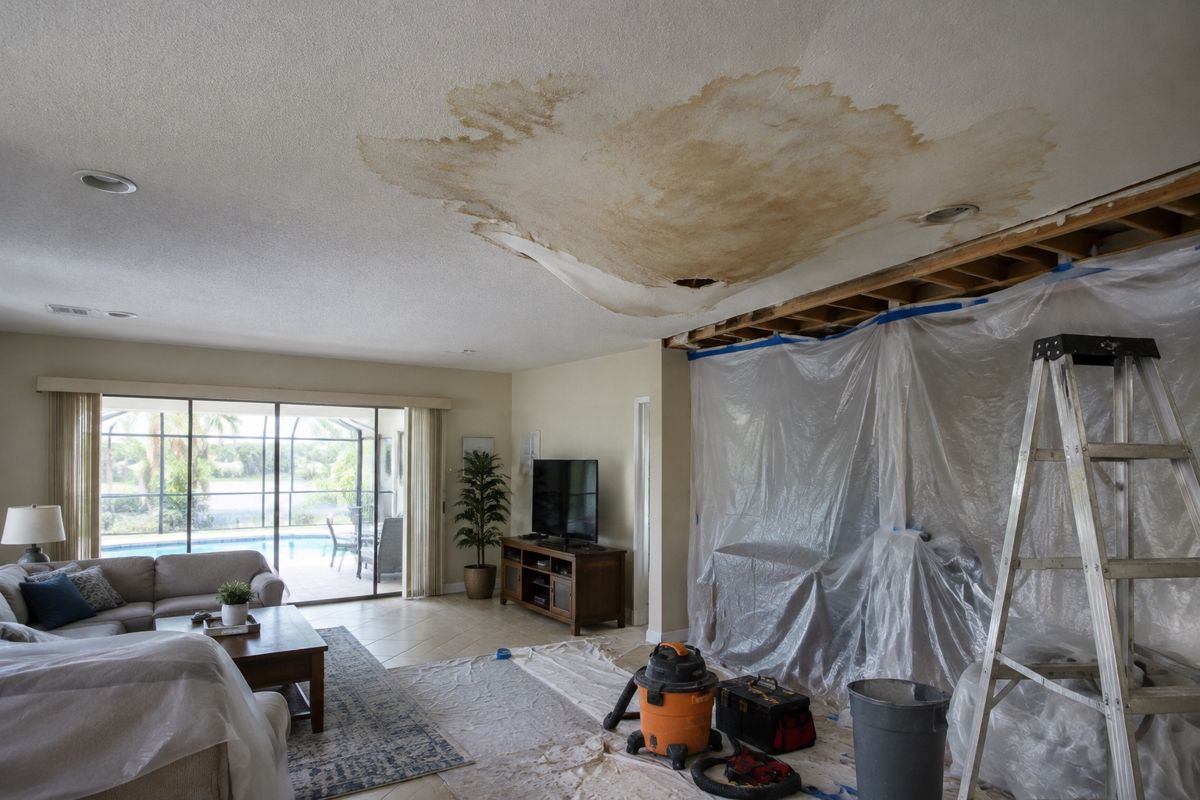
A contractor may have damaged your property. Pajoe may be able to help.
Maybe a roofer left your roof open before a storm, a plumber's work caused a leak, or a renovation crew damaged a wall, floor or ceiling. When someone else may have damaged your property, Pajoe may be able to help with the property damage claim. Every situation is different, so we will review yours and tell you honestly whether we may be able to help. Pajoe serves property owners in South Florida from the Florida Keys to Fort Pierce (Monroe, Miami-Dade, Broward, Palm Beach, Martin and St. Lucie counties).
Pajoe Public Adjusters · Licensed public adjuster: Joseph Whitefall, Florida License #E166230
· Firm License #W894577
What we handle
Damage we document & claim
Damage from a roofer, plumber, electrician or renovation crew
Leaks or openings left during contractor work
Water from a neighbor's or upstairs unit
Damage from work on a neighboring property
Damaged walls, floors, ceilings, roofs and contents
Property damage only — not bodily injury claims
Every situation is different.
Pajoe will review your situation and tell you honestly whether we may be able to help. If we can't, or if your situation needs legal action, we are happy to refer you to an attorney who may be able to help. Pajoe does not receive any fee or payment for attorney referrals. Pajoe does not give legal advice.
How we help
Our approach
01
Inspect and document
If we may be able to help, we inspect the damage to your property and document it with photographs, measurements and notes.
02
Prepare a repair estimate
We prepare a detailed estimate of the repairs your property may need, based on what we observe and the records you have.
03
Help present the claim
We help present the property damage claim. Fees are handled as Florida law provides and explained in a written agreement before anything is signed.
South Florida claim guide
Practical steps for this property insurance claim
Serving property owners from the Florida Keys to Fort Pierce. Use this guide to organize the property evidence, then have your own policy and circumstances reviewed.
When a contractor may have damaged your property
You hired someone to fix or improve your home, and something went wrong. A roofer may have removed shingles and left the roof uncovered when rain came. A plumber may have cut into a line and caused a leak inside a wall. A renovation crew may have cracked tile, damaged cabinets or left water running. Situations like these are often called third-party property damage, because someone other than you or your own insurance company may be involved.
Similar situations can happen without a contractor you hired. Water may come from a neighbor's home or an upstairs condominium unit, or work on a neighboring property may damage your fence, wall, roof or yard. In each case, the first job is the same: stay safe, stop the damage from getting worse and keep a clear record of what happened.
Pajoe may be able to help in situations like these. We do not decide who is at fault, and nothing on this page means a contractor or anyone else did something wrong. We look at the damage to your property and tell you honestly whether we may be able to help.
First steps after contractor damage
Take these steps as soon as you safely can. They help protect your home and keep the facts clear, whatever happens next.
Put safety first. Stay away from wet electrical areas, unstable ceilings or anything that looks dangerous.
Stop further damage when it is safe — shut off water, cover openings or call a qualified emergency service.
Take photos and video of the damage before cleanup or repairs, including wide shots and close-ups.
Keep the contract, estimates, invoices, receipts, text messages and emails with the contractor.
Write down the contractor's name, company name, phone number and license number if you have it.
Notify your own insurance company promptly, even if you think someone else caused the damage.
Write a short timeline: when the work happened, when you noticed the damage and who you contacted.
How to ask for the contractor's insurance information
Many contractors carry liability insurance. Under Florida law, you or your attorney can make a written request asking for information about the liability insurance coverage that may apply, such as the insurance company's name and the policy limits. A short, polite letter or email that describes the date, the address and the work being done is usually a good start. Keep a copy of your request and any answer you receive.
You can also check whether the contractor holds a Florida license through the state's public license lookup. If you are not sure how to make a request, or the contractor does not respond, an attorney can explain your options.
What Pajoe may do if we may be able to help
If, after reviewing your situation, we believe we may be able to help, we will explain what our work would include and what it would not before you decide anything. Our work focuses on the damage to your property.
Fees for representing someone other than the named insured on the policy are handled as Florida law provides. Your fee and the terms of our work are explained in a written agreement before anything is signed. We never promise a particular result, payment or timeline.
Inspect your property and document the damage with photos, measurements and notes.
Prepare a detailed repair estimate for the damaged areas and items.
Organize your contract, receipts, photos and timeline into a clear file.
Help present the property damage claim and answer questions about the estimate.
When an attorney may be the right fit
Some situations need legal help. If there is a dispute over who is at fault or whether work was done negligently, if a demand letter or lawsuit may be needed, or if a legal deadline may apply, an attorney is the right person to ask. Pajoe does not give legal advice.
If Pajoe can't help, or your situation needs legal action, we are happy to refer you to an attorney who may be able to help. Pajoe does not receive any fee or payment for attorney referrals. You are always free to choose your own attorney.
Pajoe handles property damage only. We do not handle bodily injury, death or noneconomic damages such as pain and suffering. If anyone was hurt, please speak with an attorney about those questions.
Documentation checklist
Keep original files where possible. A clear, chronological record is more useful than a folder of unlabeled photographs or estimates without measurements.
Photos and video of the damage, taken before cleanup or repairs when safe
The contract, estimates, change orders, invoices and receipts
Text messages, emails and notes from conversations with the contractor
The contractor's name, company, phone number and license number
Any insurance information the contractor or its insurer provided
Your own insurance policy and claim number, if you notified your insurer
A simple timeline of the work, the damage and who you contacted
Receipts for emergency repairs, drying or temporary protection
Continue reading
Related claim guides and South Florida service areas
Explore a different damage type, your county page or source-linked articles. Weather reports are context only; they do not establish damage or coverage at your property.
Pajoe may be able to help with the property damage claim. Every situation is different, so we will review yours and tell you honestly whether we may be able to help.
What should I do first after contractor damage?
Stay safe, stop further damage when it is safe, take photos and video before cleanup, keep the contract, estimates and messages, write down the contractor's name and license, and notify your own insurer promptly.
How do I find out if the contractor has insurance?
You or your attorney can make a written request for information about the contractor's liability insurance coverage, as Florida law allows. Keep a copy of your request and any response.
Should I tell my own insurance company?
Yes. Notify your own insurer promptly, even if you believe someone else caused the damage. Your policy explains your duties after a loss.
What if Pajoe can't help with my situation?
If we can't help, or your situation needs legal action, we are happy to refer you to an attorney who may be able to help. Pajoe does not receive any fee or payment for attorney referrals.
Does Pajoe give legal advice or decide who is at fault?
No. Pajoe does not give legal advice and does not decide fault or negligence. Questions about fault, demand letters, lawsuits and deadlines belong with an attorney.
How are fees handled for a third-party property claim?
Fees for representing someone other than the named insured are handled as Florida law provides and are explained in a written agreement before anything is signed.
Does Pajoe handle injury claims?
No. Pajoe handles property damage only. We do not handle bodily injury, death or noneconomic damages. Please speak with an attorney about those questions.
Client review
“Pajoe is straight and to the point. He kept us informed throughout. Worth his weight in gold.”
— Marc Johnson
Past client words, not a promise of a particular outcome. Outcomes depend on the policy and circumstances of each claim.
Discuss your third-party claims documentation with Pajoe.
Tell us what happened and what the insurer has said so far. We’ll explain how we may help and the terms before you decide.
Pajoe Public Adjusters · Licensed public adjuster: Joseph Whitefall, Florida License #E166230
· Firm License #W894577 · No particular outcome is promised.