
Locally owned. Proudly serving all of Florida.
PAJOE.com Public AdjustersTalk to a public adjuster(954) 568-8932

Miami-Dade County · Florida property insurance

Hail Damage Claims in Miami-Dade County

Hail can leave roof marks, dent metal and break exterior fixtures. If you are worried about your Miami-Dade County home, here is what to do next and how to get help reviewing your claim.

Pajoe Public Adjusters · Licensed public adjuster: Joseph Whitefall, Florida License #E166230

· Firm License #W894577

What to look for at your Miami-Dade County home

After hail near your Miami-Dade home, you may notice dents on metal trim, damaged screens or new marks on exterior fixtures. Take clear photos from the ground. A qualified inspector can check the roof and explain the findings in plain terms.

The checked July 2, 2026 report is from the Miami International Airport area. If an association maintains your roof, ask it for dated contractor photos. For your own file, save earlier roof repairs and the date you first saw the new marks or a leak.

What to do first

  1. Wait until conditions are safe. Look at accessible metal trim, screens and fixtures from the ground. Leave roof access to a qualified professional and keep away from loose or broken materials.
  2. Take clear photos of new dents, marks and broken pieces. Note the date you first saw them. Keep earlier roof photos if you have them, even if the file is small. If an association manages your building, request its shared-area photos and access notes.
  3. Arrange a safe professional assessment and necessary protection for any leak. Ask for photos and a plain explanation of the findings. Do not delay cleanup or retain unsafe or contaminated samples.
  4. Contact your insurer and keep the claim number and letters. Save the inspection report with your home photos. You can bring those records to Pajoe for a free claim review.

Documents that help your claim

  • Your policy, claim number and insurer’s roof findings, estimate and payment letters if you have them.
  • Safe photos of impacts and leaks, plus the first-noticed date and earlier roof repair or replacement records.
  • A professional roof report that identifies the material and explains the marks, with dated inspection photos. Use your home’s exact address when requesting Miami-Dade or city repair records.
  • Protection and repair receipts, plus any association inspection records if your building’s roof is shared. For a condo unit, keep association roof or shared-pipe updates alongside your own room photos.

Planning repairs near you

For Miami-Dade repairs, check the building office using your property address. Miami, Hialeah and Doral have city or town offices; county resources serve their own area. In a condo, ask management who handles shared work. Keep the permit file and professional scope together as you plan the job.

How Pajoe may be able to help

For hail damage at your Miami-Dade County home, Pajoe may be able to help you move from scattered records to a clear claim file. We work for you, the policyholder, not the insurance company. Bring what you have; you can fill in missing details as the review moves forward.

We can review the inspection photos and roof findings, then compare the proposed repairs with the insurer’s estimate.

If you choose to hire us under a written agreement, we can inspect and document the damage, prepare a supported repair estimate, review the insurer’s offer and negotiate on your behalf. We explain the findings and keep you involved in the discussion. No recovery, no fee.
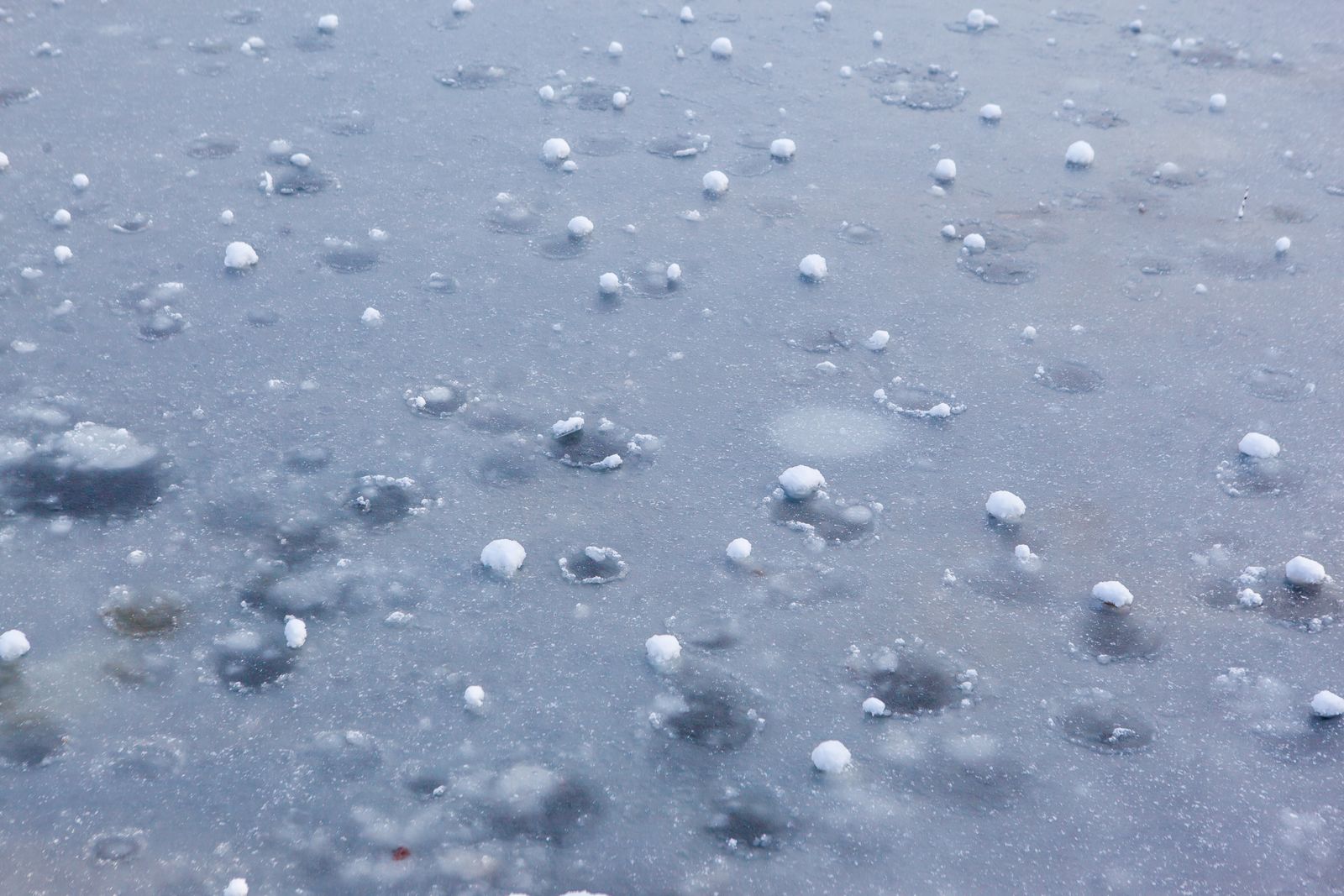
Hailstones on wet pavement after a localized storm

Local storm and building facts for Miami-Dade County

Here are local records and useful building contacts to keep with your home’s repair notes.

Every home and policy is different; these local reports show what’s been recorded nearby, not what happened at your property.

14 county declarations in the last ten years

FEMA lists 14 distinct DR/EM declarations designating Miami-Dade County from November 26, 2016 through November 26, 2026, including biological incidents and separate emergency/disaster numbers. This is administrative history, not a storm count or evidence of coverage or eligibility.

FEMA · county-filtered declaration records · checked 2026-11-26

Miami-Dade County building and permitting

Miami-Dade County publishes county building and permitting resources. Confirm whether the county or a municipality handles the property address before requesting repair approval.

Miami-Dade County building and permitting · checked 2026-11-26

Miami-Dade County emergency management

Miami-Dade County has an official emergency-management resource. Follow its current access and safety instructions; historical reports on this guide do not replace them.

Miami-Dade County emergency management · checked 2026-11-26

NOAA county-coded event records

Miami-Dade County records in the November 26, 2016–November 26, 2026 search window: Hail: 37. Retrieved annual files end at August 2026, so the last months are not complete. Counts deduplicate event IDs and exclude forecast-zone records; they are not a count of all incidents, affected properties or covered losses.

NOAA/NCEI · Storm Events annual CSV files · checked 2026-11-26

Local weather reports and dates

2026-07-02 · Hail · (MIA)MIAMI INTL

Two social media reports of penny-sized hail associated with a strong thunderstorm moving over the area near Miami International Airport.

NOAA/NCEI · event 1368365 · checked 2026-11-26

2025-03-25 · Hail · HOMESTEAD

A member of the public reported hail up to the size of pennies at the Homestead RaceTrac gas station on SW 312th Street.

NOAA/NCEI · event 1232964 · checked 2026-11-26

Hail Damage Claims: questions in Miami-Dade County

Where should I start with hail damage?

For your Miami-Dade County home, start with safety and necessary protection. Then gather a few dated photos and any expert findings. You can bring the records you already have to Pajoe and talk through the next steps in a free claim review.

Can you review the offer for my Miami-Dade County home?

Yes. Pajoe may be able to help you review the insurer’s hail damage findings and offer. Bring the estimate, letters and your home’s repair records. We can explain the differences and discuss what information may help you move forward.

What if I am still collecting hail damage records?

You can start with what you have for your Miami-Dade County property. Photos, a short timeline and insurer letters are a useful beginning. We can help you identify the next records to request rather than leaving you to organize the whole file alone.

Should I wait to clean up or keep damaged items?

For hail damage, safety comes first. Photograph when safe and preserve samples only when safe and practical. Never keep contaminated items or delay urgent cleanup. Save expert findings and receipts for the work at your Miami-Dade County home instead.

Who handles repair permits in Miami-Dade County?

Use your property address to check the county or city or town office. The local links below help you find a starting point for hail damage repairs. Ask your repair professional about the proposed work, then save the office’s response with your home records.

What does “No recovery, no fee” mean?

For your Miami-Dade County hail damage review, you can ask about the terms before deciding to hire us. You pay a fee only if there is a recovery on your claim. We explain the fee in your written agreement before you sign.

Let’s talk about your Miami-Dade County home

Call (954) 568-8932 or request a free claim review. Bring the records you have, tell us what worries you, and we’ll talk through how Pajoe may be able to help.

Services in Miami-Dade County

Hail damage claims in nearby South Florida counties

Towns and communities in Miami-Dade County

Continue in Miami-Dade County

Call PajoeFree Claim Review