
Locally owned. Proudly serving all of Florida.
PAJOE.com Public AdjustersTalk to a public adjuster(954) 568-8932

Miami-Dade County · Florida property insurance

Roof Damage Review in Miami-Dade County

A new leak or roof concern in your Miami-Dade County home can feel overwhelming. Start with a whole-home check: roof, exterior and interior. We can help you make sense of the next steps.

Pajoe Public Adjusters · Licensed public adjuster: Joseph Whitefall, Florida License #E166230

· Firm License #W894577

What to look for at your Miami-Dade County home

A ceiling stain in your Miami-Dade home can leave you unsure whether to call a roofer, your insurer or both. Start with a whole-home check: roof, exterior openings and interior water paths. Keep the findings together so you can see how the pieces fit.

Miami-Dade is in the High-Velocity Hurricane Zone. Ask for product records and notes on how the roof was installed. These can help explain the work. In a condo, ask the association for roof maintenance records. Confirm the building office by address, especially if your Miami mailing address is outside the city.

What to do first

  1. Start from safe ground and note changes around roof edges and exterior openings. Do not climb a roof or enter an unsafe room. Qualified help can check the areas you cannot reach.
  2. Photograph new stains or wet finishes inside your home. Label each room and note when the change appeared. Keep outside photos with these notes for a whole-home view. If an association manages your building, request its shared-area photos and access notes.
  3. Arrange necessary protection and cleanup. Save the work receipts and dates. Preserve samples only when safe and practical; never keep contaminated materials or delay urgent cleanup for evidence.
  4. Gather any roof replacement or repair records and contact your insurer. Keep the claim number and its response. You can ask Pajoe to review the roof, exterior and interior findings together.

Documents that help your claim

  • Your policy and insurer’s estimate, letters and claim number, kept together for easy reference.
  • Roof replacement permits, repair invoices and earlier maintenance photos that show your home’s own history.
  • Professional roof and exterior findings beside room photos of new stains, wet finishes or other damage. Use your home’s exact address when requesting Miami-Dade or city repair records.
  • A repair scope that separates roof, exterior and interior work, with materials, measurements and protection receipts. For a condo unit, keep association roof or shared-pipe updates alongside your own room photos.

Planning repairs near you

For Miami-Dade repairs, check the building office using your property address. Miami, Hialeah and Doral have city or town offices; county resources serve their own area. In a condo, ask management who handles shared work. Keep the permit file and professional scope together as you plan the job.

How Pajoe may be able to help

For roof and storm damage at your Miami-Dade County home, Pajoe may be able to help you move from scattered records to a clear claim file. We work for you, the policyholder, not the insurance company. Bring what you have; you can fill in missing details as the review moves forward.

We can review your roof, exterior and interior findings together, including the repair history and possible water paths.

If you choose to hire us under a written agreement, we can inspect and document the damage, prepare a supported repair estimate, review the insurer’s offer and negotiate on your behalf. We explain the findings and keep you involved in the discussion. No recovery, no fee.
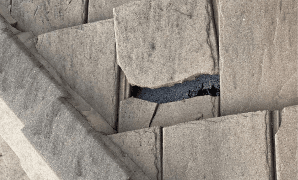
Roof covering and exterior details on a Florida residential property

Local storm and building facts for Miami-Dade County

Here are local records and useful building contacts to keep with your home’s repair notes.

Every home and policy is different; these local reports show what’s been recorded nearby, not what happened at your property.

14 county declarations in the last ten years

FEMA lists 14 distinct DR/EM declarations designating Miami-Dade County from November 26, 2016 through November 26, 2026, including biological incidents and separate emergency/disaster numbers. This is administrative history, not a storm count or evidence of coverage or eligibility.

FEMA · county-filtered declaration records · checked 2026-11-26

Miami-Dade County building and permitting

Miami-Dade County publishes county building and permitting resources. Confirm whether the county or a municipality handles the property address before requesting repair approval.

Miami-Dade County building and permitting · checked 2026-11-26

Miami-Dade County emergency management

Miami-Dade County has an official emergency-management resource. Follow its current access and safety instructions; historical reports on this guide do not replace them.

Miami-Dade County emergency management · checked 2026-11-26

NOAA county-coded event records

Miami-Dade County records in the November 26, 2016–November 26, 2026 search window: Thunderstorm Wind: 71. Retrieved annual files end at August 2026, so the last months are not complete. Counts deduplicate event IDs and exclude forecast-zone records; they are not a count of all incidents, affected properties or covered losses.

NOAA/NCEI · Storm Events annual CSV files · checked 2026-11-26

2024 ACS median year built: 1982

ACS 2024 1-year table B25035 estimates the median year structure built for Miami-Dade County housing units as 1982 (margin of error: ±1 year). Retrieved via Census Reporter. This is a county housing-stock estimate, not the age or condition of an individual building, roof or pipe.

Census Reporter · ACS 2024 1-year B25035 · checked 2026-11-26

High-Velocity Hurricane Zone context

A Florida Building Commission roof-underlayment research document identifies Miami-Dade and Broward as High-Velocity Hurricane Zones. Ask the permitting authority about the code edition and requirements applicable to the actual repair; this guide does not prescribe a design or promise code-upgrade coverage.

Florida Building Commission · roof underlayment research · checked 2026-11-26

Local weather reports and dates

2026-07-17 · Thunderstorm Wind · WESTWOOD LAKES

Image from off duty NWS employee depicts a large tree downed from a thunderstorm near the Sweetwater area.

NOAA/NCEI · event 1368431 · checked 2026-11-26

2026-06-02 · Thunderstorm Wind · MEDLEY

Off Duty NWS Employee shared photos of a large tree down on the northbound lanes of Northwest 102nd Avenue in Doral as a result of severe wind gusts as a severe thunderstorm was moving through the area.

NOAA/NCEI · event 1356512 · checked 2026-11-26

Roof Damage Review: questions in Miami-Dade County

Where should I start with roof and storm damage?

For your Miami-Dade County home, start with safety and necessary protection. Then gather a few dated photos and any expert findings. You can bring the records you already have to Pajoe and talk through the next steps in a free claim review.

Can you review the offer for my Miami-Dade County home?

Yes. Pajoe may be able to help you review the insurer’s roof and storm damage findings and offer. Bring the estimate, letters and your home’s repair records. We can explain the differences and discuss what information may help you move forward.

What if I am still collecting roof and storm damage records?

You can start with what you have for your Miami-Dade County property. Photos, a short timeline and insurer letters are a useful beginning. We can help you identify the next records to request rather than leaving you to organize the whole file alone.

Should I wait to clean up or keep damaged items?

For roof and storm damage, safety comes first. Photograph when safe and preserve samples only when safe and practical. Never keep contaminated items or delay urgent cleanup. Save expert findings and receipts for the work at your Miami-Dade County home instead.

Who handles repair permits in Miami-Dade County?

Use your property address to check the county or city or town office. The local links below help you find a starting point for roof and storm damage repairs. Ask your repair professional about the proposed work, then save the office’s response with your home records.

What does “No recovery, no fee” mean?

For your Miami-Dade County roof and storm damage review, you can ask about the terms before deciding to hire us. You pay a fee only if there is a recovery on your claim. We explain the fee in your written agreement before you sign.

Let’s talk about your Miami-Dade County home

Call (954) 568-8932 or request a free claim review. Bring the records you have, tell us what worries you, and we’ll talk through how Pajoe may be able to help.

Services in Miami-Dade County

Roof damage claims in nearby South Florida counties

Towns and communities in Miami-Dade County

Continue in Miami-Dade County

Call PajoeFree Claim Review